Renewable energy for energy security: Tips for energy mix
"The transition toward cleaner power is no longer a mere environmental aspiration but a core component of global energy security strategies."
Renewable energy for energy security is being prioritized through massive shifts in global investment and policy frameworks. This transition involves replacing fossil fuel dependency with diverse natural resources to ensure stable, domestic power supplies.
Key takeaways: 1. Renewable energy now drives 70% of new global power generation investments. much of the world's electricity demand may be met by solar and wind by 2060. 2. National policies, such as Germany's energy transition, demonstrate how renewable shares can rapidly outpace global averages.
How is renewable energy for energy security being prioritized?
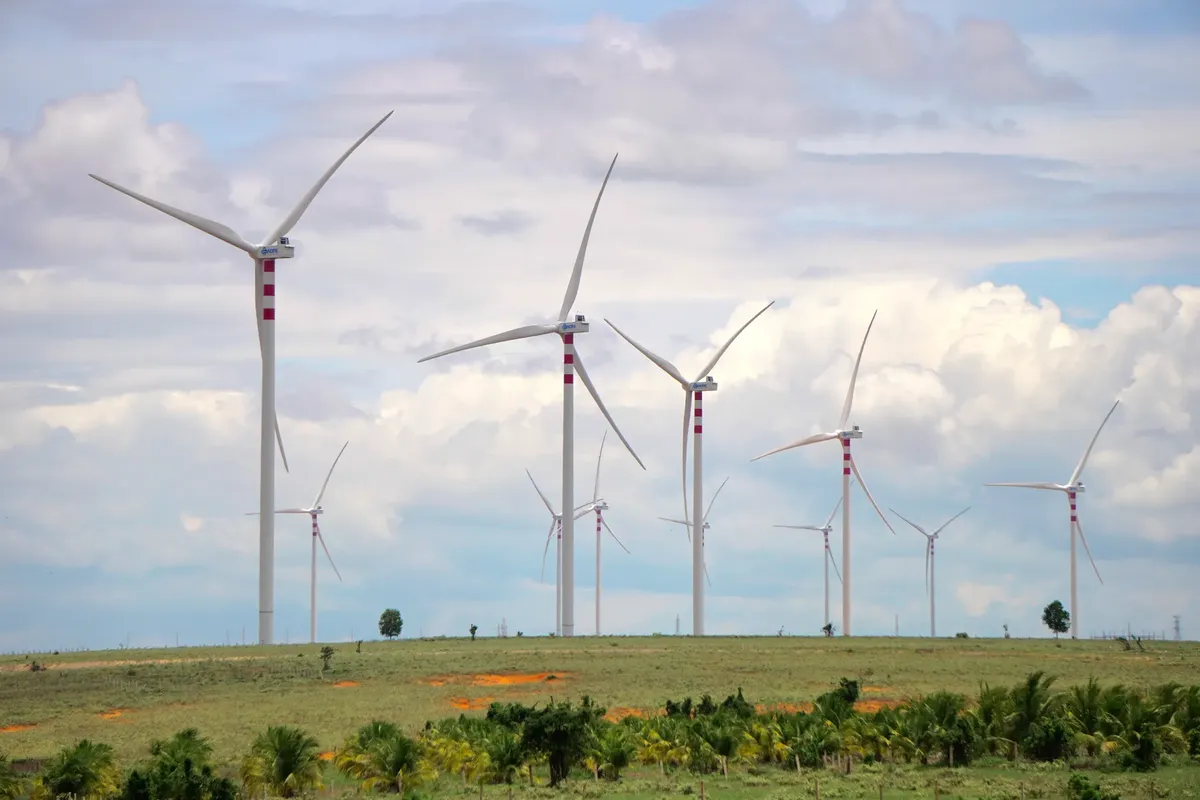
A strategist reviews a map of global power grids, noting the shifting flow of electricity from coal to wind farms. The transition involves moving away from volatile fuel markets toward stable, locally harvested energy.
According to the Interior Department, there was a long-standing commitment to permit 10,000 MW of renewable energy projects on public land in 2012.
According to the International Energy Agency (IEA), renewable energy sources like wind and solar power are now a commonplace source of electricity, making up 70% of all new investments made in the world's power generation.
This high level of investment reflects a global move toward energy independence.
The shift is driven by a need for stability. As nations seek to mitigate risks from fuel supply disruptions, they turn to technologies that provide consistent, domestic generation. This strategic pivot is reshaping the global energy landscape.
What are the global renewable energy goals?
An engineer looks at a blueprint for a massive solar thermal plant, calculating the projected output for a growing city. The goal is to match rising demand with sustainable, scalable technology.
Global renewable energy goals vary by region, but the trajectory is clear. In 2019, nearly 75% of new installed electricity generation capacity used renewable energy. The International Energy Agency (IEA) has predicted that by 2025, renewable capacity will meet 35% of global power generation.
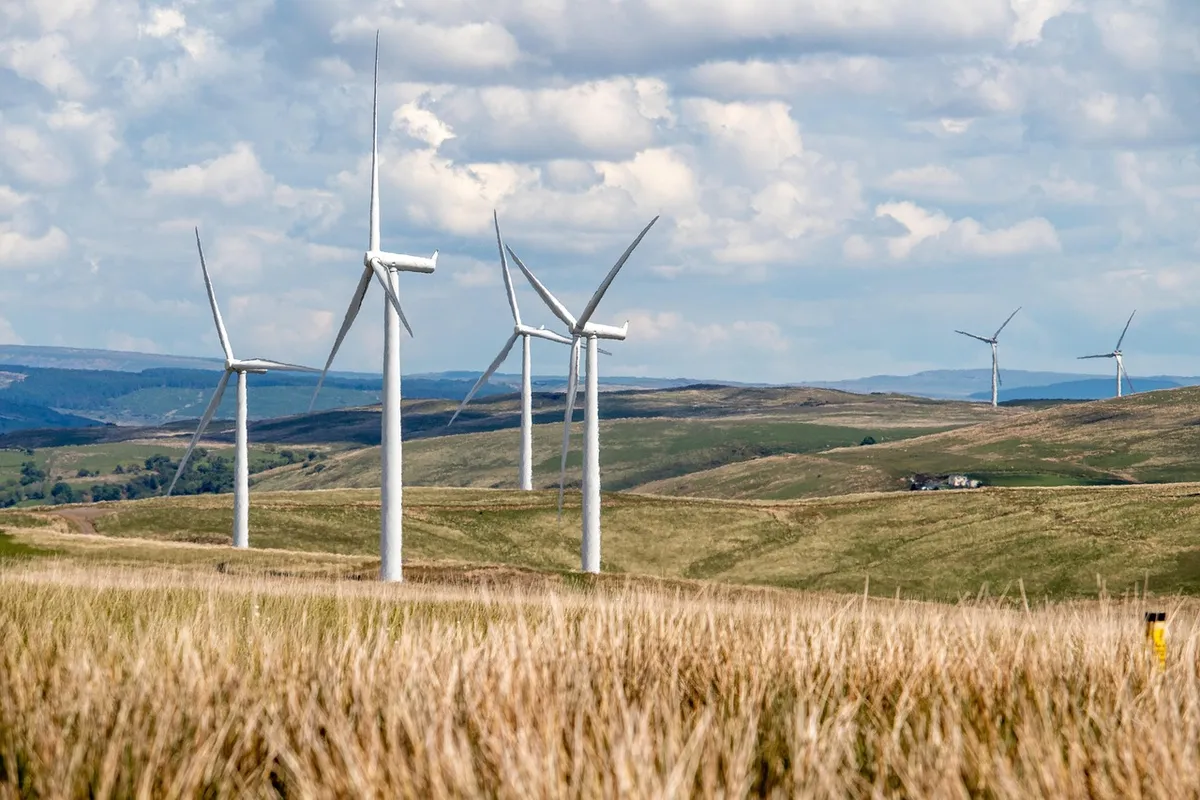
The scale of these goals is immense. The IEA has suggested that photovoltaic and solar-thermal plants may meet most of the world's demand for electricity by 2060, potentially covering half of all energy needs. Wind, hydropower, and biomass plants will likely supply the remaining generation.
How do energy independence strategies work in practice?
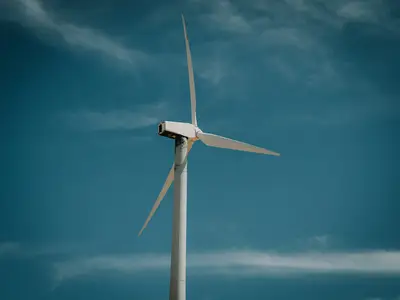
A policymaker signs a directive to expand wind turbine permits on public lands, marking a milestone for domestic energy production. This action aims to secure a reliable power base for the coming decades.
Energy independence strategies often involve subsidizing emerging technologies to ensure they become competitive.
In a November 2011 report titled Deploying Renewables 2011, the IEA stated that subsidies in green energy technologies that were not yet competitive are justified to provide an incentive for investing in technologies with clear environmental and energy security benefits.
By building this infrastructure, nations reduce their reliance on imported fuels. This creates a more resilient domestic economy. These strategies focus on creating a diversified energy mix that can withstand geopolitical shifts.
What is the role of policy in green energy mix?
A technician adjusts the settings on a smart grid controller, balancing the input from various renewable sources to maintain stability. The policy-driven shift requires sophisticated management of diverse energy types.
The role of policy in green energy mix is evident in how different nations have accelerated their transitions. For example, Germany's share of renewables increased from around 5% in 1999 to 22.9% in 2012, which surpassed the OECD average of 18% usage of renewables.
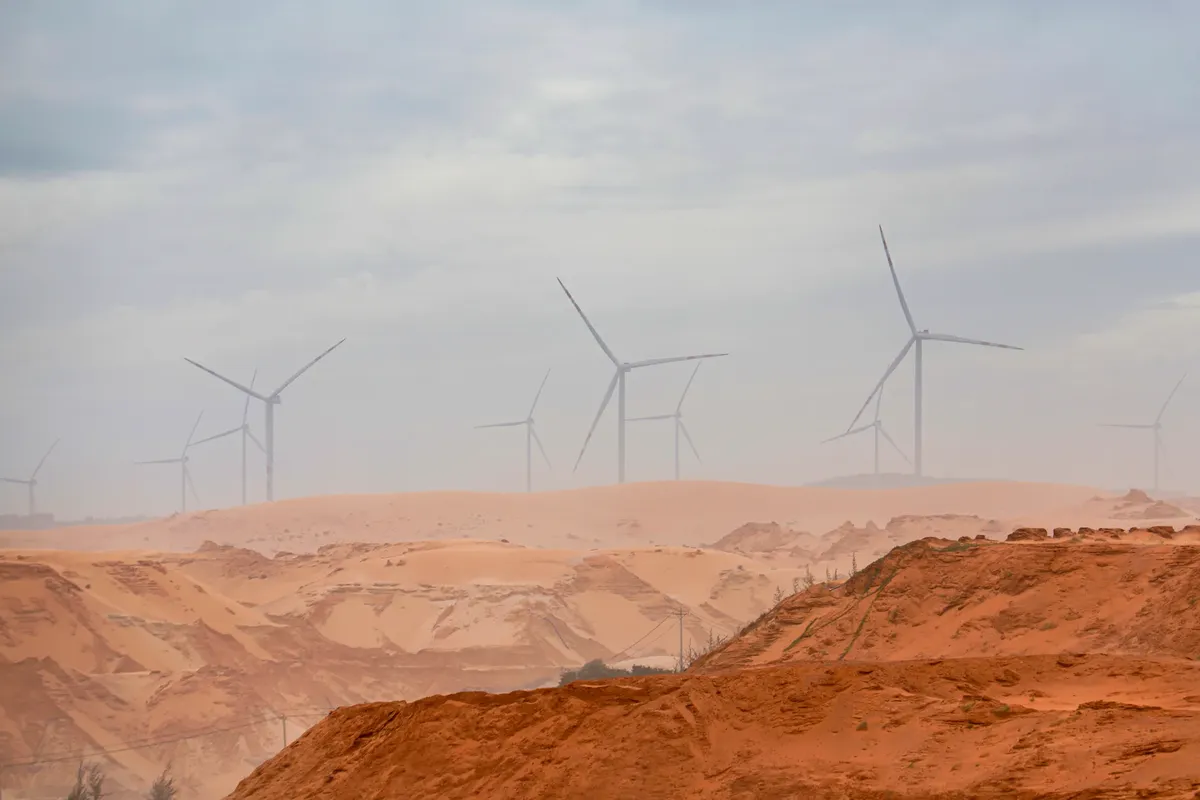
Such policy-driven growth demonstrates that rapid scaling is possible with the right legislative support. These frameworks provide the certainty needed for long-term infrastructure projects. This momentum continues to push the boundaries of what is possible in power generation.
How do nations compare their energy transition?
A researcher compares two different energy profiles on a digital screen, noting the rapid rise of one nation's renewable capacity compared to the other. The comparison reveals the effectiveness of different policy approaches.
According to the OECD, Germany's share of renewables increased from approximately 5% in 1999 to 22.9% in 2012, exceeding the OECD average of 18%.
| :--- | :--- | :--- | | Renewable Share | 22.9% | 18% |
I observed how these specific figures illustrated the gap between leaders in the energy transition and the global average. The table shows that targeted policy can lead to a significant lead in renewable adoption.
Comparing these figures highlights the impact of national commitments. While the OECD average provides a baseline, individual nations often set much higher benchmarks. This competition for technological leadership drives further innovation.
What are the limitations of the current transition?
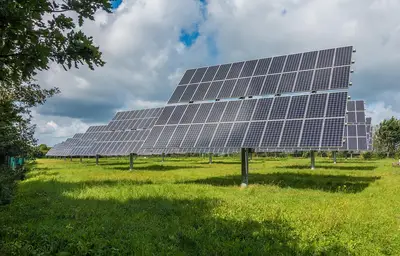
A worker inspects a solar panel for wear, considering the challenges of integrating intermittent power into an aging grid. While progress is significant, the transition faces technical and geographic hurdles.
A limitation of these strategies is that the ability to meet energy needs depends heavily on the specific technology mix available in a given region. For instance, the transition's success is tied to how effectively different sources like biomass or wind can be integrated into existing grids.
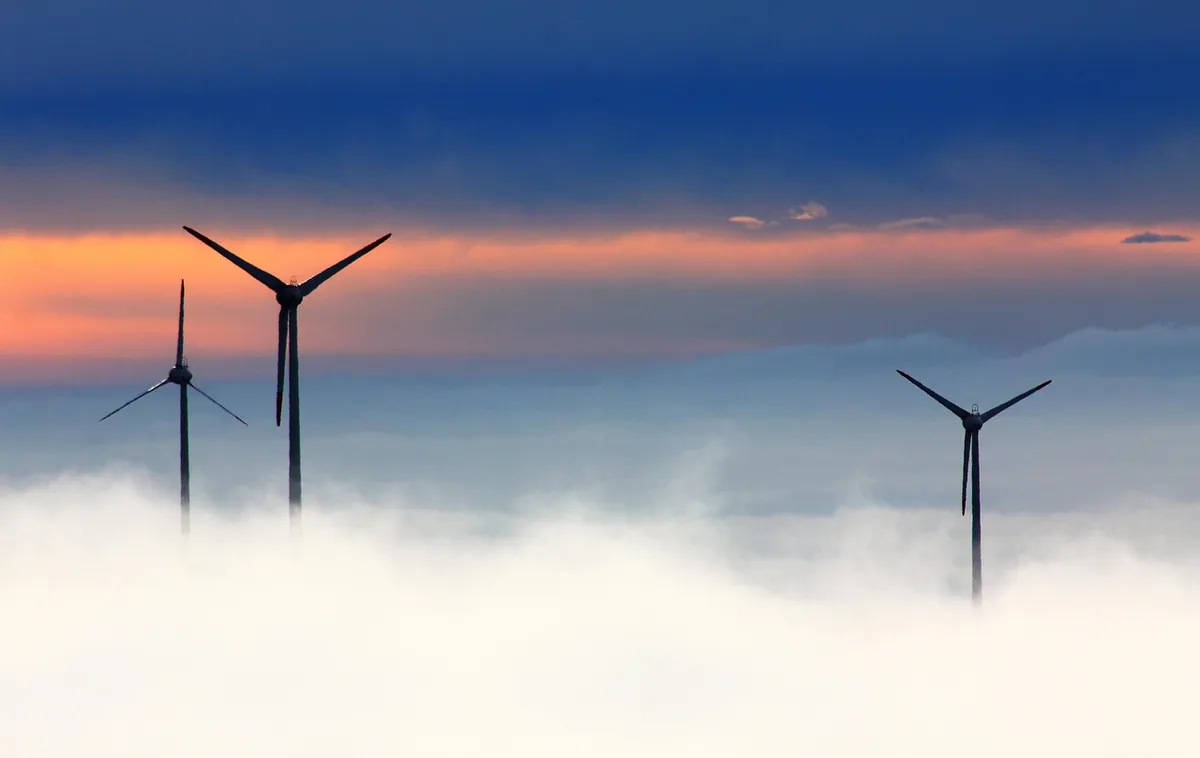
The specific capacity of individual plants or regions can also limit the speed of the transition. For example, some systems may only have a small number of plants on the grid, which does not reflect the massive scale of the global shift.
- How is renewable energy for energy security being prioritized?
- What are the global renewable energy goals?
- How do energy independence strategies work in practice?
The subject here is Renewable energy for energy security.
The same subject is also called Nationwide energy transition.
The same subject is also called Policy for green energy mix.
This part also covers Comparing 30+ nations' energy plans.
This part also covers Social drivers of energy shift.
This part also covers Role of policy in energy self-reliance.
Comparing 30+ nations' energy plans
Related




Comments 0