Cross-border energy grid risks: 50 km Tips for grid strategy
Managing cross-border energy flows requires a delicate balance between technical efficiency and geopolitical stability. Effective grid strategy involves mitigating political risk through decentralized infrastructure and advanced transmission technologies.
Key takeaways: * Diversifying energy sources and localized micro-grids can reduce dependence on vulnerable long-distance lines. * Advanced HVDC technology minimizes energy loss during large-scale transfers.
* Strategic planning must account for both technical stability and regional political shifts.
How do we manage cross-border energy grid risks?
A technician monitors a flickering control panel as a regional power surge ripples through a trans-national connection. Managing cross-border energy grid risks requires a combination of localized generation and robust, high-capacity transmission links.
The primary challenge lies in the fact that energy-exporting nations can use power flows as political leverage. To mitigate this, planners look toward diversifying supply routes and integrating localized micro-grids.
These smaller systems can serve a 30–50 km radius, reducing the need for massive, vulnerable long-distance transmission lines. By generating power locally, regions can cut transmission losses and decrease their exposure to external political shifts.
How is energy transmission politics actually playing out? An engineer traces a map where a single pipeline or wire crosses a heavily contested border. Energy transmission politics often stem from the physical reality that energy flows do not respect national boundaries.
Political friction occurs when a single nation controls a vital transit corridor. For example, the IPS/UPS system serves multiple countries of the former Soviet Union, creating a complex web of interdependence.
In such regions, the stability of the entire synchronous zone depends on the cooperation of multiple governments. Shifts in diplomatic relations can immediately threaten the reliability of the power supply.
How can we implement a grid strategy political risk plan?
A strategist sits in a quiet briefing room, reviewing contingency plans for a sudden loss of a major power link. A successful grid strategy political risk plan focuses on building redundancy and technological independence.
One effective method is the development of regional synchronous zones. The largest of these is the synchronous grid of Continental Europe (ENTSO-E), which maintains 667 gigawatts (GW) of generation.
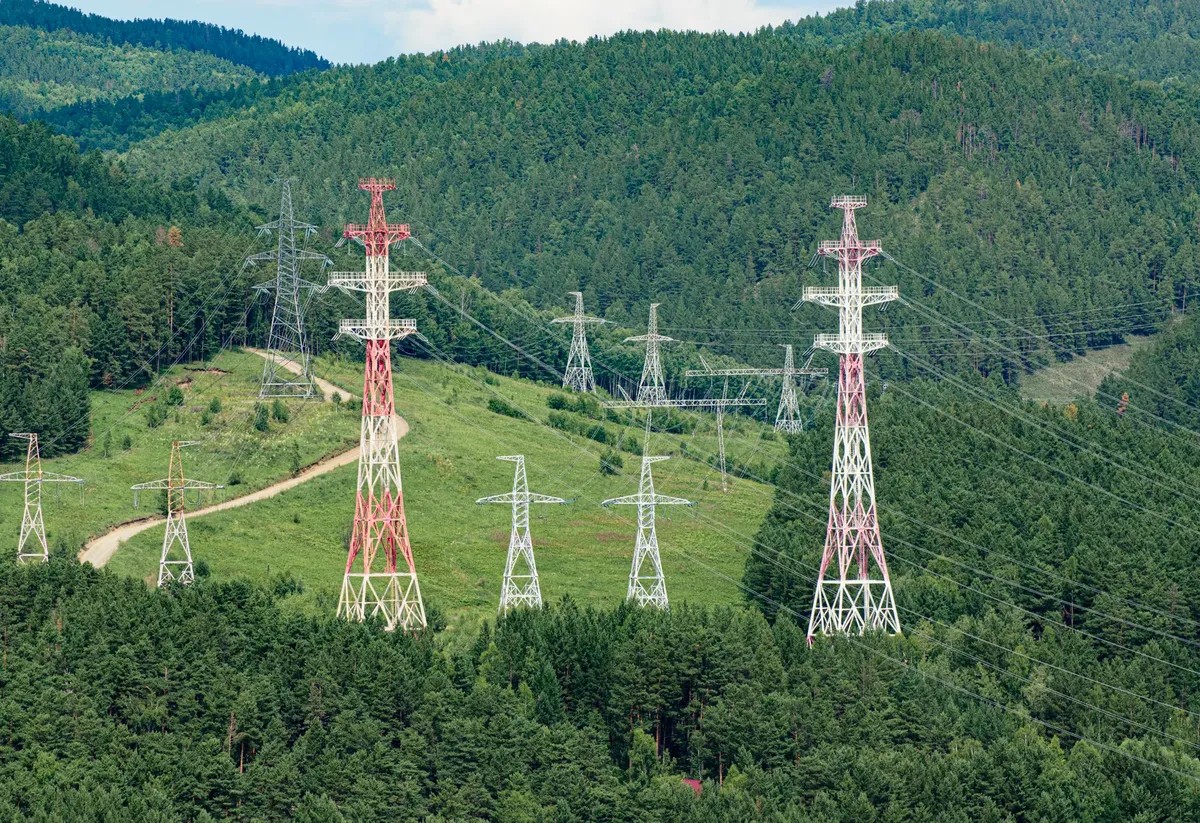
Building such large-scale, interconnected systems can stabilize regional demand, though it requires high-level diplomatic coordination. Another approach involves investing in domestic renewable energy to decrease the necessity of importing power.
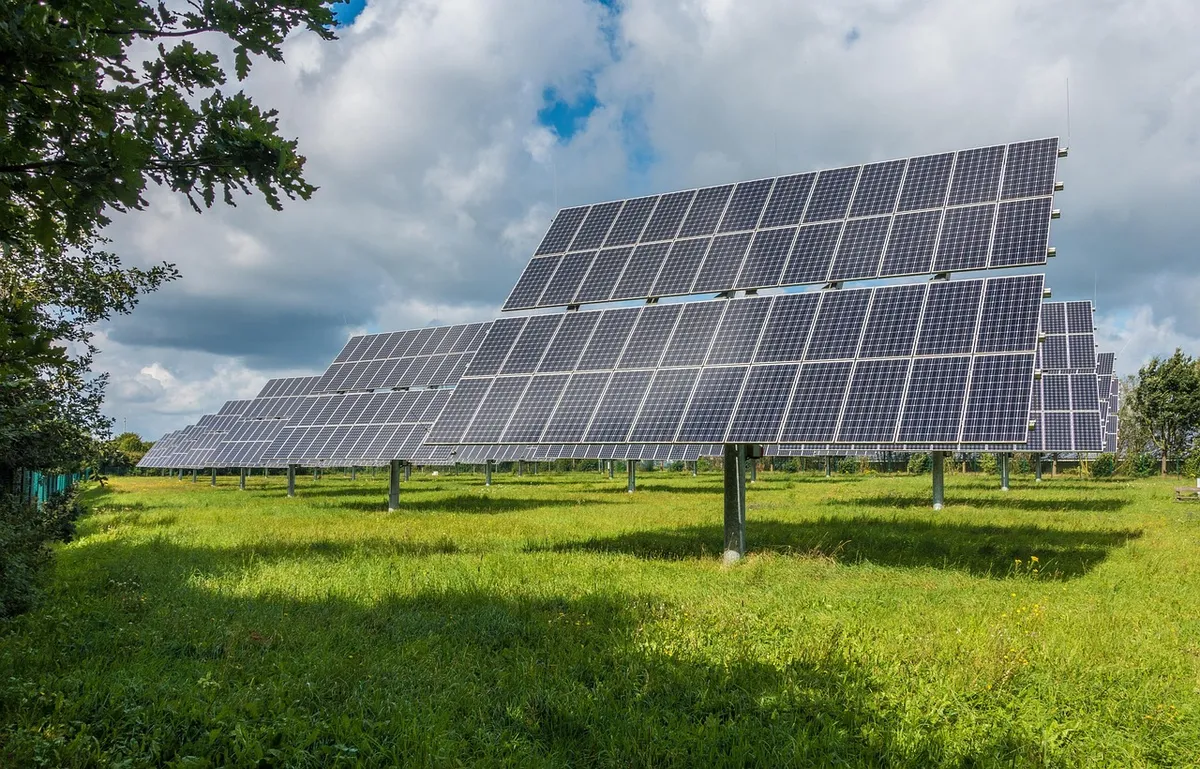
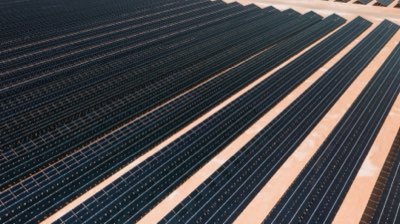
What hurdles do renewable energy borders present? A field worker inspects a solar array located near a remote border crossing. Integrating intermittent renewable energy across borders introduces specific technical and political hurdles.
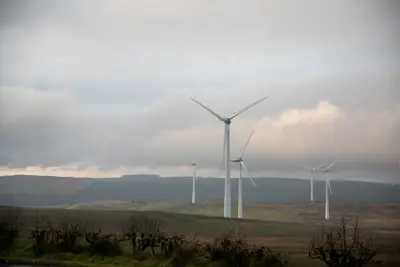
Renewable energy borders are often complicated by the fact that sun-rich or wind-rich areas may not coincide with high-demand population centers. This mismatch forces the creation of international links. If a neighbor decides to restrict flow, the renewable-heavy grid may face sudden instability.
Planners must balance the push for green energy with the need for reliable, dispatchable power to maintain grid frequency.
How do we handle international power flow risks?
A supervisor watches a digital readout showing a sudden drop in voltage across a regional link. Addressing international power flow risks involves utilizing advanced hardware to ensure stability.
One solution is the use of High Voltage Direct Current (HVDC) technology. The latest generation of HVDC power lines can transmit energy with losses of only 1.6% per 1000 km. This high efficiency makes long-distance, cross-border transfers more economically viable.
However, even with efficient hardware, the risk of sudden supply changes remains a constant factor in international energy management.
What are the technical challenges of energy transfer?
A technician adjusts a transformer to compensate for a shift in the regional load. The technical challenges of energy transfer involve managing losses and maintaining synchronization.
High voltage AC transmission lines can lose 1–4% per hundred miles. While these losses are manageable, they become significant when scaled across continents.
Furthermore, maintaining a consistent frequency is vital; the nominal frequency is allowed to-vary in the short term but must be adjusted to prevent line-operated clocks from gaining or losing significant time over a 24-hour period.
These technical requirements necessitate precise coordination between all participating nations.
Wikipedia: Electric power transmission Based on the retained excerpt mentioning NASA: In November 2009, LaserMotive won the NASA 2009 Power Beaming Challenge by powering a cable climber 1 km vertically using a ground-based laser transmitter.
Wikipedia: Renewable energy in Scotland Based on the retained excerpt mentioning The Royal Commission: The Royal Commission on Environmental Pollution's proposal that carbon dioxide emissions should be reduced by 60% was incorporated into the UK government's 2003 Energy White Paper.
This part also covers Managing political risk in power grids.
This part also covers Grid strategies for renewable integration.
Related
- Smart mix for energy supply: Tips for 80% energy use
- Renewable energy Island 100% renewable energy guide
What are the conditions for stable cross-border energy management? 1. The stability of the entire synchronous zone relies upon the cooperation of multiple governments. 2. Maintaining a consistent frequency is vital for the system's operation. 3. Regional demand stabilization can be achieved through large-scale, interconnected systems.
These conditions highlight that successful managing cross-border energy flows demands both technical precision and diplomatic alignment. The integration of localized generation helps meet local demand, thereby lessening the strain on expansive transmission corridors.
Advanced transmission technologies offer pathways to reduce inherent system inefficiencies.





Comments 0