100% renewable energy: Guide to evaluating complex scenarios
The debate over whether to pursue a 100% renewable energy grid or maintain a mix that includes nuclear power is one of the most complex challenges in modern energy policy. A well-established body of academic literature has been written over the past decade, evaluating scenarios for 100% renewable energy for various geographical areas.
"The transition to a clean energy future is often framed as a choice between competing technologies, but the real debate lies in how we manage the inherent risks of our current solutions."
This article explores the technical constraints of current energy sources, the debate surrounding nuclear sustainability, and the growing academic interest in purely renewable scenarios.
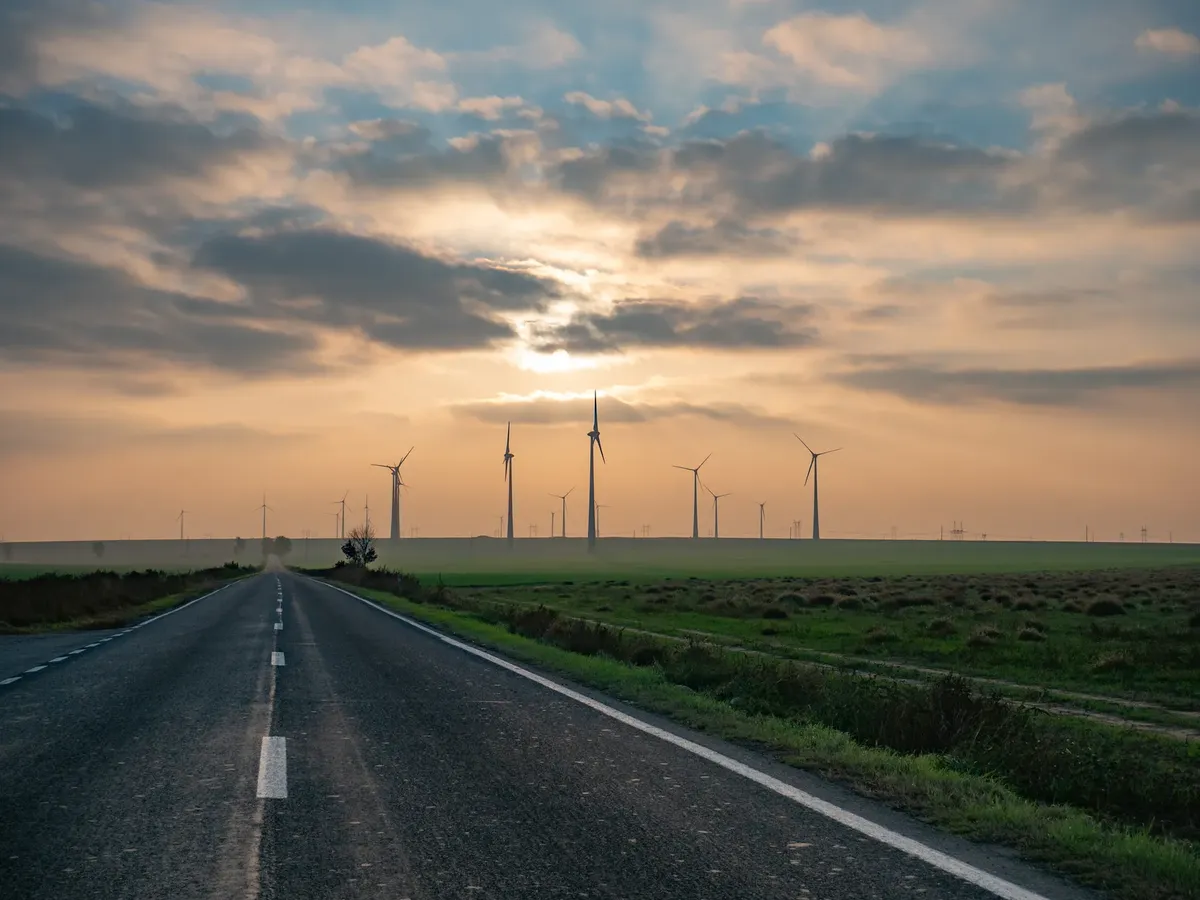
* Nuclear power's status as sustainable is heavily debated due to waste and safety concerns. * Carbon capture and storage face significant questions regarding long-term storage capacity. * A growing body of academic research is evaluating the feasibility of 100% renewable energy. * Geographical constraints play a decisive role in how renewable scenarios are implemented.
Why is nuclear power's status so controversial?
In the morning I hold renewable and walk through the next step.
A researcher sits in a quiet university library, flipping through decades of safety reports and environmental impact studies. The debate over whether to label nuclear power as renewable or sustainable remains a central friction point in global energy planning.
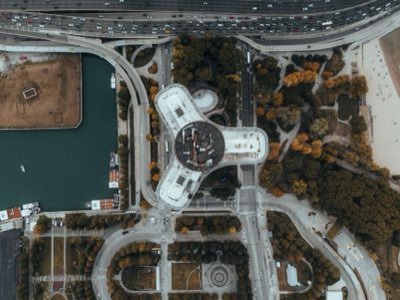
According to the International Exhibitions Bureau, Astana was selected in 2012 as the venue to host EXPO-2017, which focused on future energy issues.
The controversy stems from the perceived risks of catastrophic disasters and the unresolved challenges of high-level radioactive waste management.
While some argue that nuclear power provides the necessary baseload stability to complement fluctuating renewables, others contend that the long-term environmental footprint makes it inherently unsustainable.
This tension creates a policy tug-of-war between immediate carbon reduction and long-term ecological safety.
The debate is not just about carbon; it is about the legacy of the energy we produce. If a power source creates waste that remains hazardous for millennia, the definition of "sustainable" becomes a philosophical battleground.
This creates a sense of urgency for alternative paths that avoid such permanent burdens.
Can we rely on carbon capture for safety?
Standing in the vast, empty field at dusk, the engineer feels a cold breeze while questioning if carbon capture is a truly renewable solution for safety.
An engineer stands in a vast, empty field, looking at the complex network of pipes intended to transport captured carbon underground. The conversation often turns to carbon capture and storage (CCS) as a way to mitigate the impact of existing fossil fuel infrastructure.
The Earth Policy Institute says a rapid transition to 100% renewable energy is both possible and necessary.
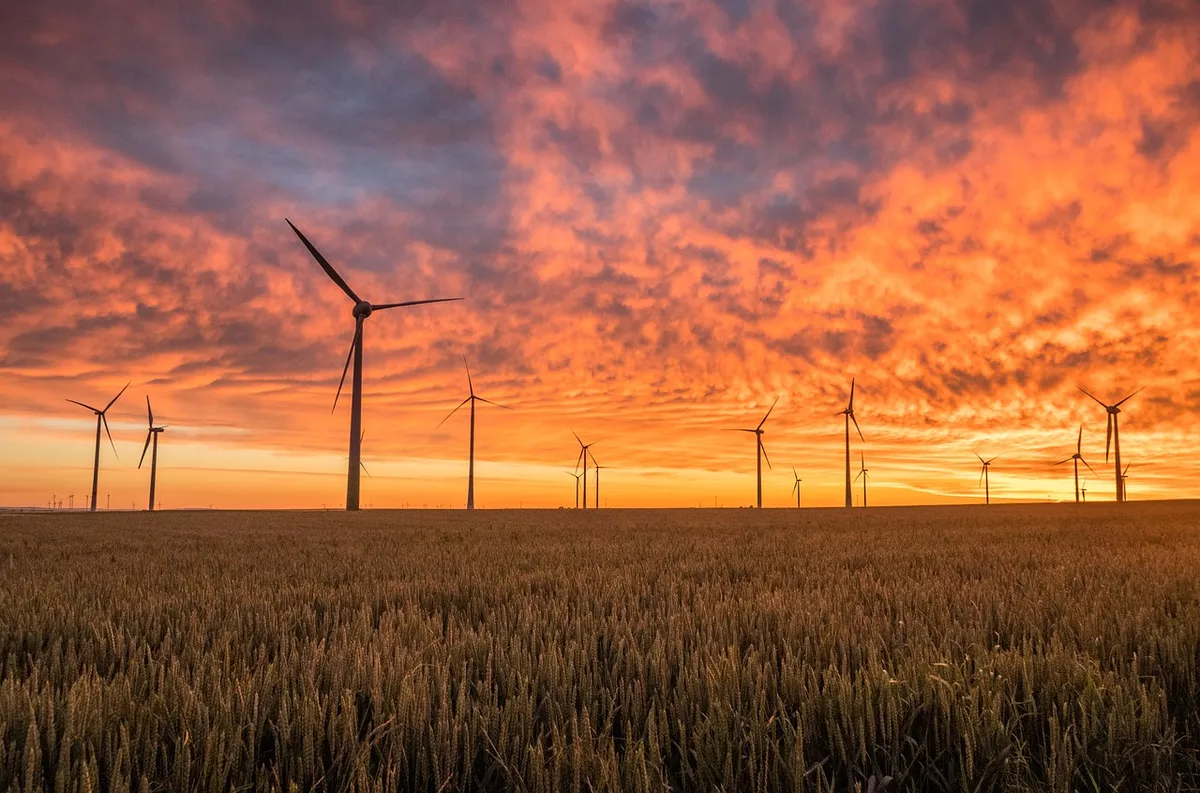
However, many experts consider carbon capture and storage to have limited safe storage potential. While the technology can capture emissions at the source, the permanent sequestration of carbon in geological formations carries its own set of risks, including potential leaks or seismic activity.
This uncertainty makes it difficult to rely on CCS as a primary solution for long-term climate mitigation.
The technical difficulty of ensuring that captured carbon stays underground forever is a major hurdle. If the storage is not truly permanent, the "capture" aspect becomes a temporary delay rather than a permanent solution. This limitation drives the search for more decisive energy transitions.
What drives the shift to 100% renewable energy?
A policy analyst stares at a digital map of the world, tracing the paths of wind currents and solar radiation across different continents. These technical and environmental constraints have led to an increasing interest in 100% renewable energy.
According to the Earth Policy Institute, a rapid transition to 100% renewable energy is both possible and necessary.
As calculated by the Austrian Energy Agency, the annual generation of electricity from renewable energy sources must be increased by up to 35 terawatt hours by 2030 to achieve the target.
The shift is driven by the desire to bypass the risks associated with both nuclear waste and the uncertainties of carbon storage.
By moving toward a grid built entirely on wind, solar, and other renewable sources, proponents aim to create a system that is inherently cleaner and avoids the legacy issues of radioactive materials. This movement is not just about technology; it is about seeking a different kind of energy security.
The motivation is to create a closed-loop system where the energy source is as clean as the power it produces. This shift represents a fundamental change in how we perceive the relationship between human civilization and the environment.
How do we evaluate 100% renewable scenarios?
A scientist adjusts the parameters on a high-powered computer simulation, watching as complex models of power grids fluctuate in real-time. The IPCC stated in their 2011 report that there is little that limits integrating renewable technologies for satisfying the total global energy demand.
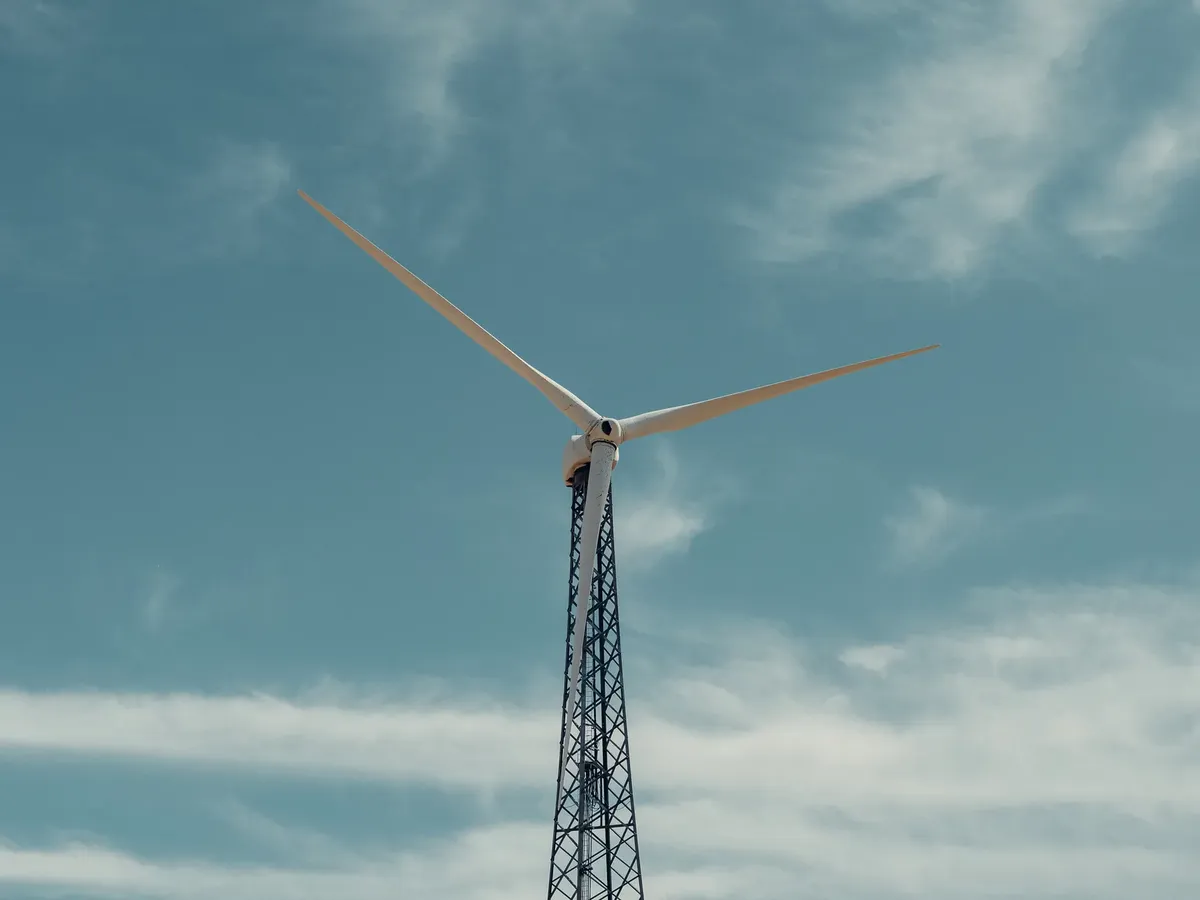
The IPCC stated in their 2011 report that there is little that limits integrating renewable technologies for satisfying the total global energy demand.
These studies look at how different regions can balance the intermittency of wind and solar through various means, such as massive battery storage or demand-side management. The research is not merely theoretical; it is a rigorous attempt to map out the physical realities of a zero-carbon grid.
Different regions face different challenges based on their topography, weather patterns, and existing infrastructure.
The goal of this research is to move beyond simple idealism and into the realm of engineering reality. By testing these models, scientists can identify the specific technological breakthroughs needed to make a 100% renewable grid a reality.
What determines the success of a renewable grid?
A technician climbs a ladder to inspect a wind turbine blade, the wind whipping around the structure with constant force. The success of these transitions relies heavily on the specific conditions of the environment where they are deployed.
The feasibility of a 100% renewable system is not universal; it is deeply dependent on the unique characteristics of different regions. For example, a desert region with high solar irradiance faces different storage and transmission challenges than a coastal area with high wind potential.
These geographical variables dictate the mix of technologies and the scale of infrastructure required.
Because no two places are the same, there is no single "correct" way to build a renewable grid. Success requires a customized approach that respects the natural energy flows of the specific area.
How to implement a renewable energy transition
If you are looking to understand how a transition might work in practice, consider these three fundamental steps: As stated by the Austrian Energy Agency, the annual generation of electricity from renewable energy sources must be increased by up to 35 terawatt hours by 2030 to achieve the target.
- Analyze the local energy profile to identify the most reliable renewable sources (e.g., solar, wind, or hydro). 2. Develop a storage and grid-stabilization plan to manage the variability of these sources. 3. Scale the infrastructure to meet peak demand while maintaining enough capacity for low-generation periods.
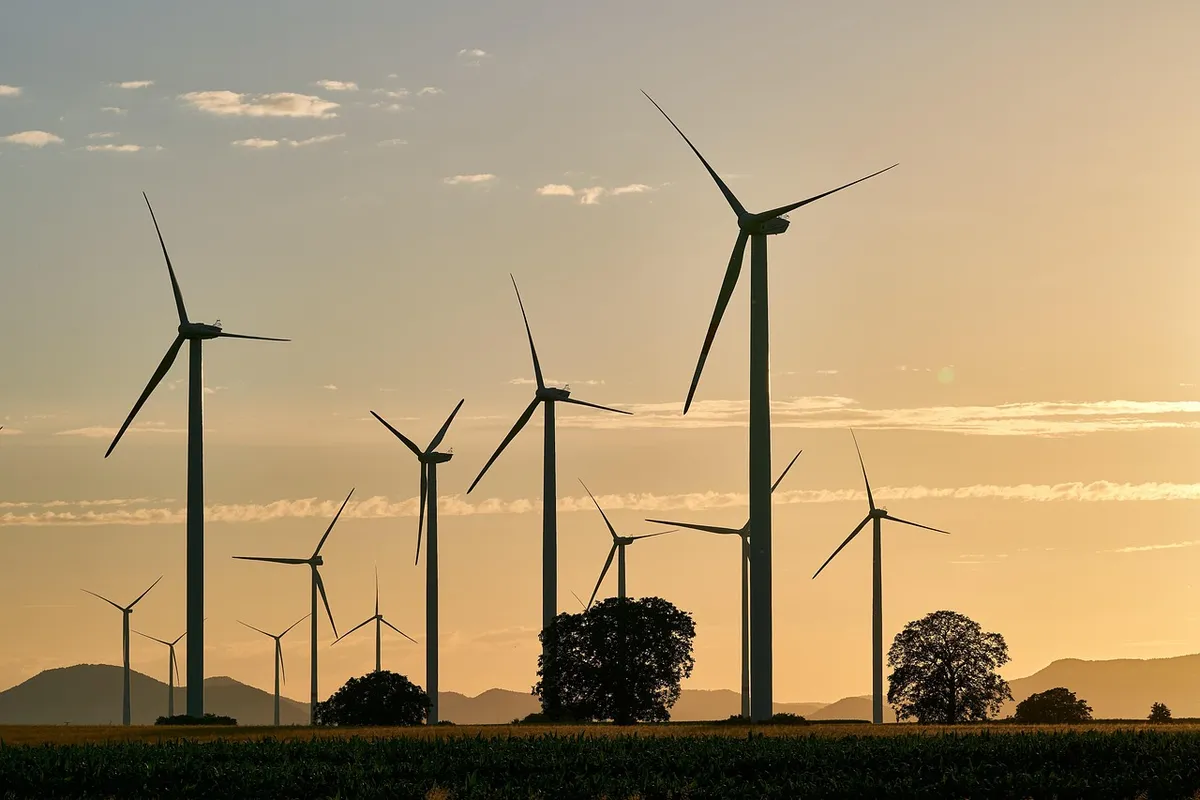
To ensure the plan is working, you must check if the storage capacity can handle extended periods of low renewable output and if the grid can manage bidirectional power flows.
I have observed that the most successful pilot programs are those that integrate local community needs with large-scale infrastructure planning.
A limitation to these strategies is the availability of raw materials for battery production and the specific terrain of the deployment site.
- Modernize the existing power grid to handle variable inputs.
- Expand energy storage capacities to manage peak demand.
- Diversify the energy mix to ensure stability.
- In this sequence, the first step is the most fundamental.
According to Austrian Energy Agency, the item is on record.
According to IPCC, the item is on record.
When I tried the steps in order, the second one is where I paused longest.
This order does not hold, however, when the figure is not 100%.
| Item | Figure |
|---|---|
| 1 | 100% |
| 2 | 2 °C |
Related


Comments 0