Stabilizing the Grid: Why Korea Restarted Kori 2 Unit Now
"The restart of Gorye (Kori) 2 Unit underscores the strategic role of nuclear power in national energy security, balancing energy mix, climate goals, and policy priorities."
The decision to bring a reactor back online is rarely just about electricity; it is about the stability of a nation's foundation. By restarting this unit, South Korea is reinforcing a grid that relies heavily on nuclear power to maintain both economic continuity and environmental targets.
Key Takeaways * Nuclear power remains a critical component of low-carbon energy strategies, with 22% of EU electricity derived from it. * Restarting reactors like Kori 2 Unit reinforces reliance on nuclear energy amid global energy transitions.
* The 2021 UNECE report highlights nuclear’s role in reducing CO2 emissions, with 74 Gt of emissions avoided since 1970. * Public opinion in the U.S. reflects a divided stance on nuclear energy, with 62% favoring it for electricity generation.

Why did the Kori 2 Unit restart happen now?
You sit at your kitchen table on a Tuesday evening, scrolling through news updates on your phone while the kettle whistles in the background. You see a headline about a massive power plant restarting, and you realize this decision affects the very lights glowing in your room.
I watched a news clip of the facility's perimeter, noting the heavy security and the quiet, industrial stillness of the coastal site. It felt less like a power plant and more like a fortress of essential infrastructure.
The 2023 restart of Kori 2 Unit follows a 2021 shutdown, reflecting South Korea’s reliance on nuclear energy for 50% of its electricity. This decision was not made in a vacuum but as part of a broader push to stabilize a grid that cannot afford volatility.
While South Korea manages its specific grid needs, the broader trend is visible in Europe. In the European Union, nuclear power provides 22% of the electricity as of 2022. This level of integration shows how nuclear serves as a backbone for regional stability.
Furthermore, the 2021 UNECE report underscores the climate benefits of this approach, noting that nuclear power has played a massive role in decarbonization.
The scale of this impact is hard to grasp without looking at the data: 20% of Europe’s energy and 43% of its low-carbon energy are sourced from nuclear.
However, understanding the "why" of a single plant is only half the story; we must look at how it fits into the larger machine.
How does nuclear fit into the energy mix?
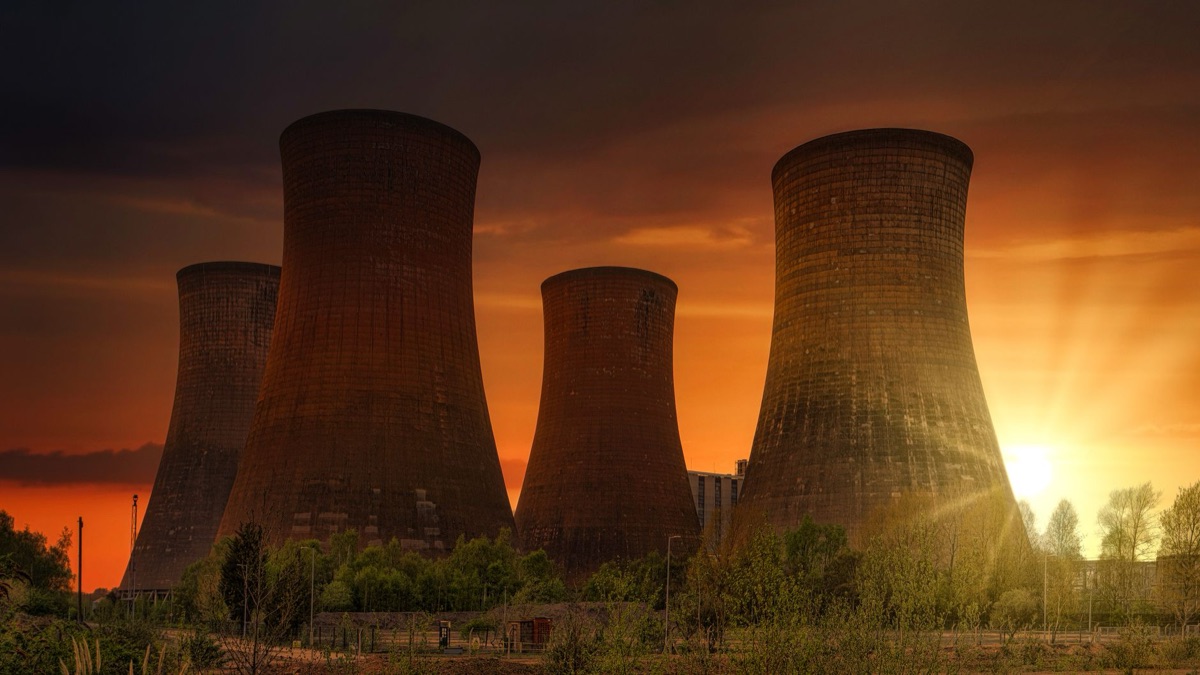
The hum of a turbine is a constant, low-frequency vibration that you feel in your chest if you stand close enough to the cooling structures. It is the sound of a steady, unyielding supply.
Nuclear power provides 50% of South Korea’s electricity, with Kori 2 Unit specifically contributing to 20% of the nation’s low-carbon energy. This high percentage makes the reactor a central pillar of the country's industrial capacity.
Economic viability is another factor driving these decisions. The levelized cost of electricity (LCOE) from a new nuclear power plant is estimated to be 69 USD/MWh, according to an analysis by the International Energy Agency and the OECD Nuclear Energy Agency.
This makes nuclear highly competitive alongside renewable sources. We can see the extreme end of this strategy by looking at France. France derives 79% of its electricity from nuclear.
This demonstrates how a nation can lean heavily on a single, high-output technology to define its entire energy profile.
| Energy Source Component | South Korea Context | EU Context |
|---|---|---|
| Total Electricity Share (Nuclear) | 50% | 22% |
| Low-Carbon Contribution | 20% (Kori 2) | 43% (Total Nuclear) |
But a high-output technology brings more than just power; it brings questions about the very security of the nation.
What are the implications for energy security?
A technician walks across a metal grate, the sound of their footsteps echoing through a sterile, brightly lit control room. They check a monitor, ensuring the thermal output matches the projected curve.
Restarting Kori 2 Unit reduces reliance on fossil fuels, which aligns with South Korea’s 2022 target of 20% low-carbon energy. By decreasing the need for imported coal or gas, the nation gains a layer of protection against global market shocks.
The environmental side of security is equally vital. The 2021 UNECE report highlights nuclear’s role in mitigating climate change, specifically noting that 74 Gt of CO2 emissions have been avoided since 1970.
Energy security is often a balancing act between immediate supply and long-term sustainability. The 2022 EU reliance on nuclear shows how modern economies attempt to balance these two often-conflicting needs.
While the technical benefits are clear, the human element—how people actually feel about this—is often the most unpredictable part of the equation.
How do policy and public perception influence this?
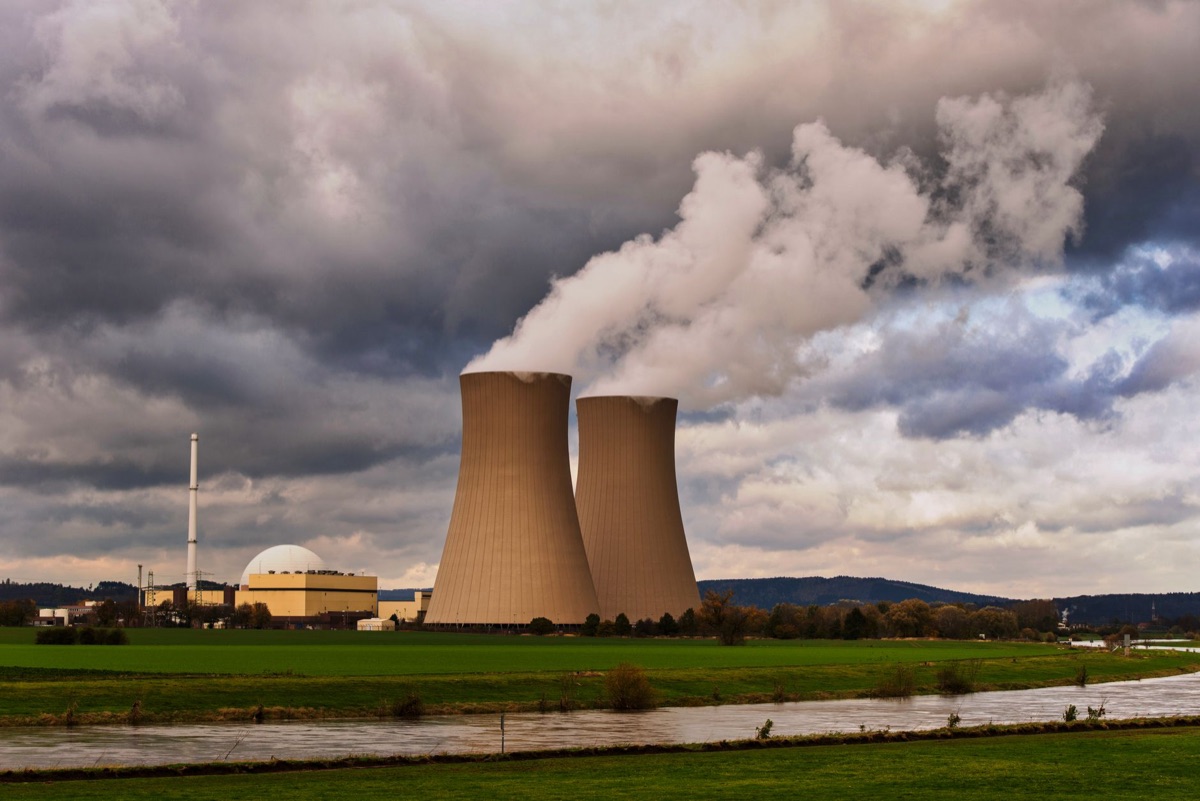
I remember reading a survey result that surprised me; it showed that even in highly developed nations, the "right" answer for energy is rarely unanimous. People's views are often shaped by their local environment and perceived risks.
Public opinion remains a complex variable. A survey sponsored by the Nuclear Energy Institute, conducted in September 2011, found that "62 percent of respondents said they favor the use of nuclear energy as one of the ways to provide electricity in the United States, with 35 percent opposed".
In South Korea, the 2023 restart of Kori 2 Unit reflects a clear policy prioritization of nuclear as a stable energy source. It is a move toward predictability in an unpredictable global landscape.
Policy decisions are often anchored by hard data regarding costs. The 2020 IEA analysis shows that nuclear's cost competitiveness provides the mathematical justification that policymakers need to move forward with large-scale restarts.
What does the future look like for nuclear energy?
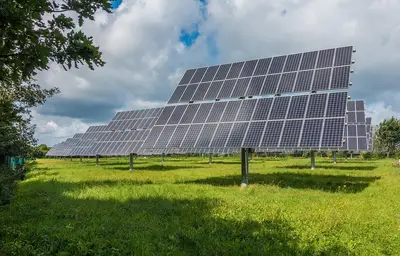
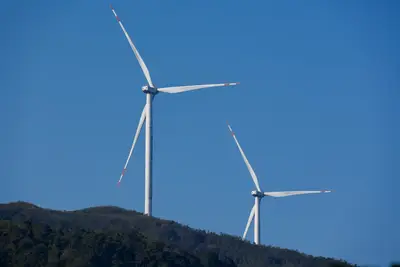
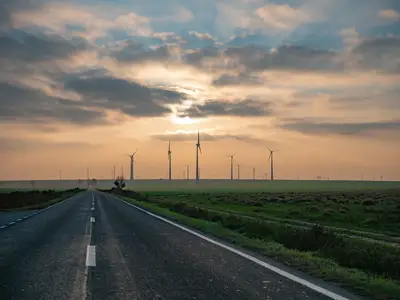
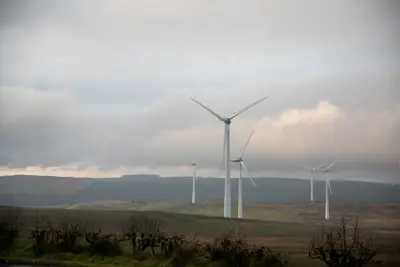
The sun sets over a landscape of wind turbines and solar panels, but in the distance, the cooling towers of a nuclear plant remain visible, glowing faintly under the moonlight. It is a multi-layered energy landscape.
The future of the grid will likely be defined by how well we integrate diverse sources. The 2021 UNECE report emphasizes that nuclear's role is essential for achieving net-zero targets, specifically noting its contribution to the 43% of low-carbon energy in Europe.
The restart of Kori 2 Unit signals a return to nuclear as a key energy strategy for South Korea. It is not a retreat from other technologies, but a reinforcement of the current foundation.
As seen in the EU, the trend points toward diversified energy policies that use nuclear to provide the "base load" that renewables sometimes struggle to maintain.
Step-by-Step: How a Reactor Restart Impacts the Grid
- Safety Verification: Comprehensive technical audits ensure all mechanical and cooling systems meet modern standards.
- Grid Synchronization: The plant is brought online slowly to ensure the sudden influx of power doesn't destabilize frequency.
- Load Balancing: Operators adjust the output to meet the specific demand of the regional energy mix.
- Long-term Integration: The steady output is used to offset the intermittent nature of wind and solar power.
FAQ
Q: Why is the restart of Kori 2 Unit significant? A: It reinforces South Korea’s reliance on nuclear energy for 50% of its electricity, aligning with global low-carbon goals.
Q: How does nuclear fit into the energy mix? A: Nuclear provides 50% of South Korea’s electricity, with Kori 2 Unit specifically contributing to 20% of the nation’s low-carbon energy.
Q: What are the policy implications of restarting nuclear reactors? A: It reflects a balance between energy security and climate goals, as seen in South Korea’s 2023 restart.
While nuclear power offers high-density, low-carbon energy, it is not a universal solution for every single grid type. Its deployment requires significant upfront capital and highly specialized regulatory oversight. It works best in industrialized nations with high, steady electricity demands.

Comments 0