Smart mix for energy supply: Tips for 80% energy use
"If governments were supportive, and the full complement of renewable energy technologies were deployed, renewable energy supply could account for almost 80% of the world's energy use within forty years."
A smart mix for energy supply involves integrating diverse renewable technologies to ensure stability and meet global demand. This strategy relies on combining wind, water, and solar resources to overcome natural variability and create a reliable power grid.
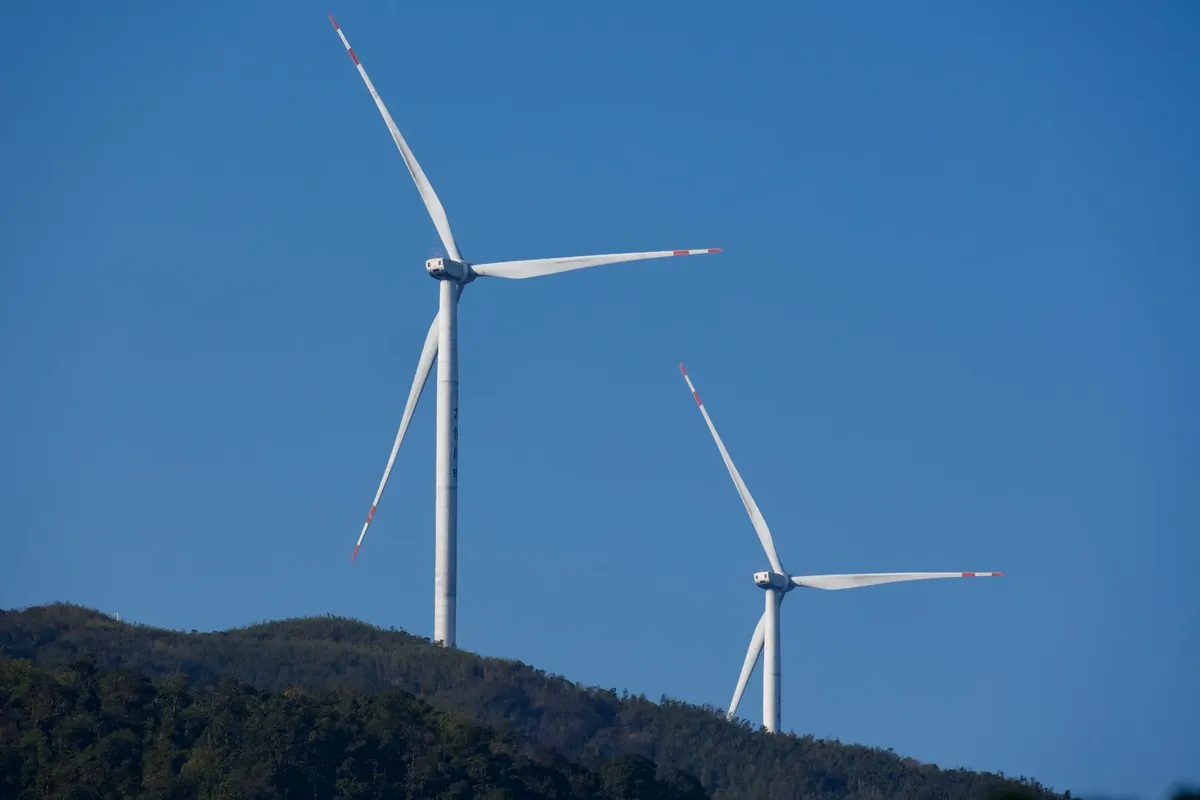
* Government support is essential for large-scale deployment. * A diverse renewable energy mix strategy can meet global energy needs. * Investment in renewables is economically feasible. * Integrating various technologies helps manage variable power source blending.
How can we ensure a smart mix for energy supply?
At dawn, the technician grips the metal frame to adjust the solar panel for a smart mix of light and wind.
A technician adjusts the tilt of a solar panel while a wind turbine spins in the distance. Achieving a stable energy source planning requires a variety of technologies to cover different weather patterns and times of day.
The United Nations Intergovernmental Panel on Climate Change (IPCC) stated in their 2011 report that there is little that limits integrating renewable technologies for satisfying the total global energy demand.
This suggests that the technical capacity to meet human needs is largely available through diverse resource management.
A rapid transition to 100% renewable energy is both possible and necessary, according to the president of the Earth Policy Institute. By spreading generation across different sectors, we can manage the inherent fluctuations in natural energy sources.
How much will a renewable energy mix strategy cost me?
In the quiet office, the economist rubs tired eyes while reviewing the cost of a smart mix strategy on the screen. An economist reviews a spreadsheet detailing global investment trends in green energy. Implementing a renewable energy mix strategy requires significant upfront capital but offers long-term economic stability.
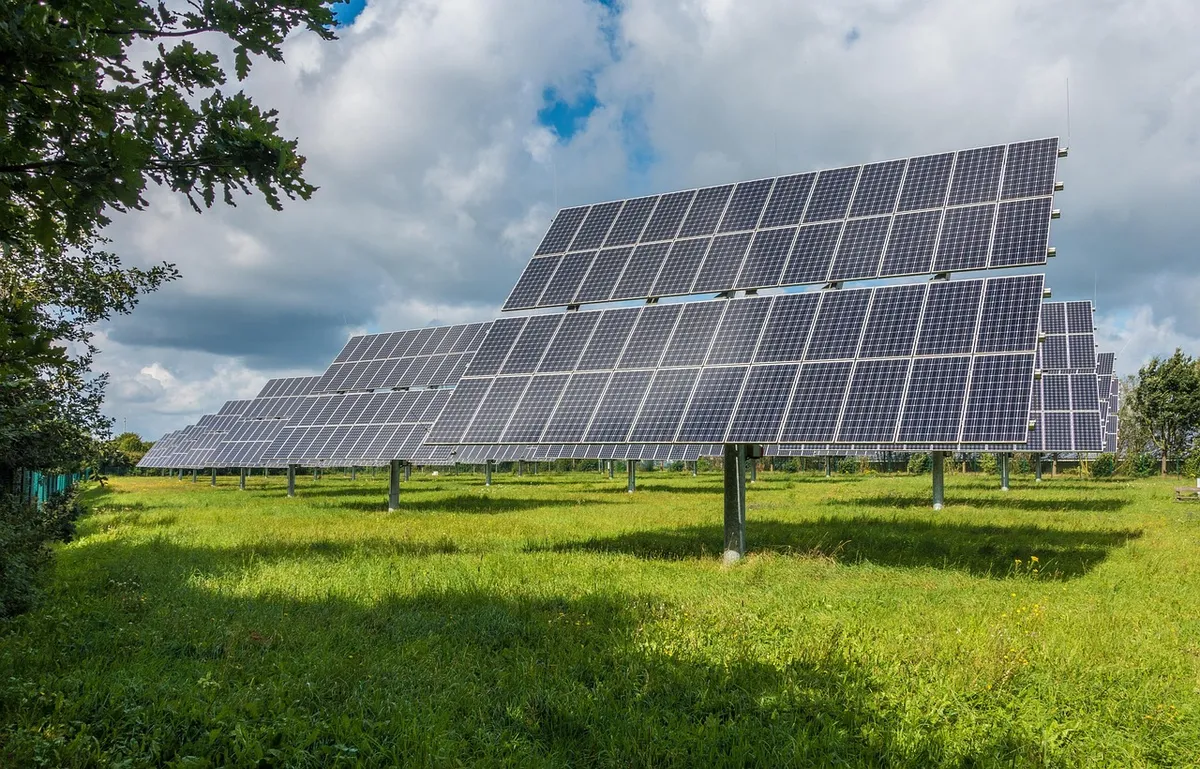
Rajendra Pachauri, chairman of the IPCC, said the necessary investment in renewables would cost only about 1% of global GDP annually. This level of investment is manageable when compared to the long-term benefits of energy security and environmental health.
The scale of investment is balanced by the potential for efficiency. Such an extensive WWS infrastructure could decrease world power demand by 30%.
Can I actually manage variable power source blending? An engineer monitors a digital dashboard showing real-time energy flow from wind and solar farms. Managing variable power source blending is the core challenge of moving away from fossil fuels.
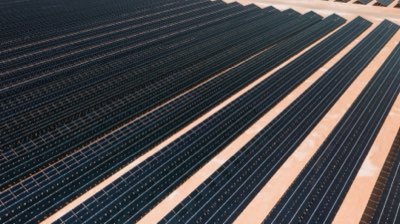
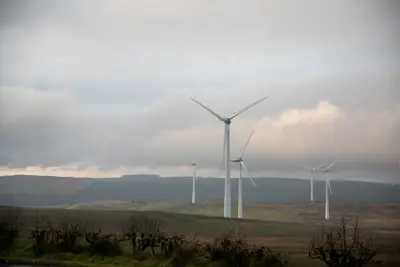
Wind, water, and solar technologies can provide 100 percent of the world's energy, eliminating all fossil fuels, according to Jacobson. This combination allows for a more consistent output by utilizing different natural forces.
A smart combination of wind and solar helps mitigate the times when one specific source is unavailable. While the sun sets, wind speeds often increase, providing a natural balance to the grid.
Is it possible to achieve optimizing green energy mix?
A planner looks over a map of a coastal region designed for hydro and wind integration. Achieving optimizing green energy mix is about matching technological strengths with geographical advantages.
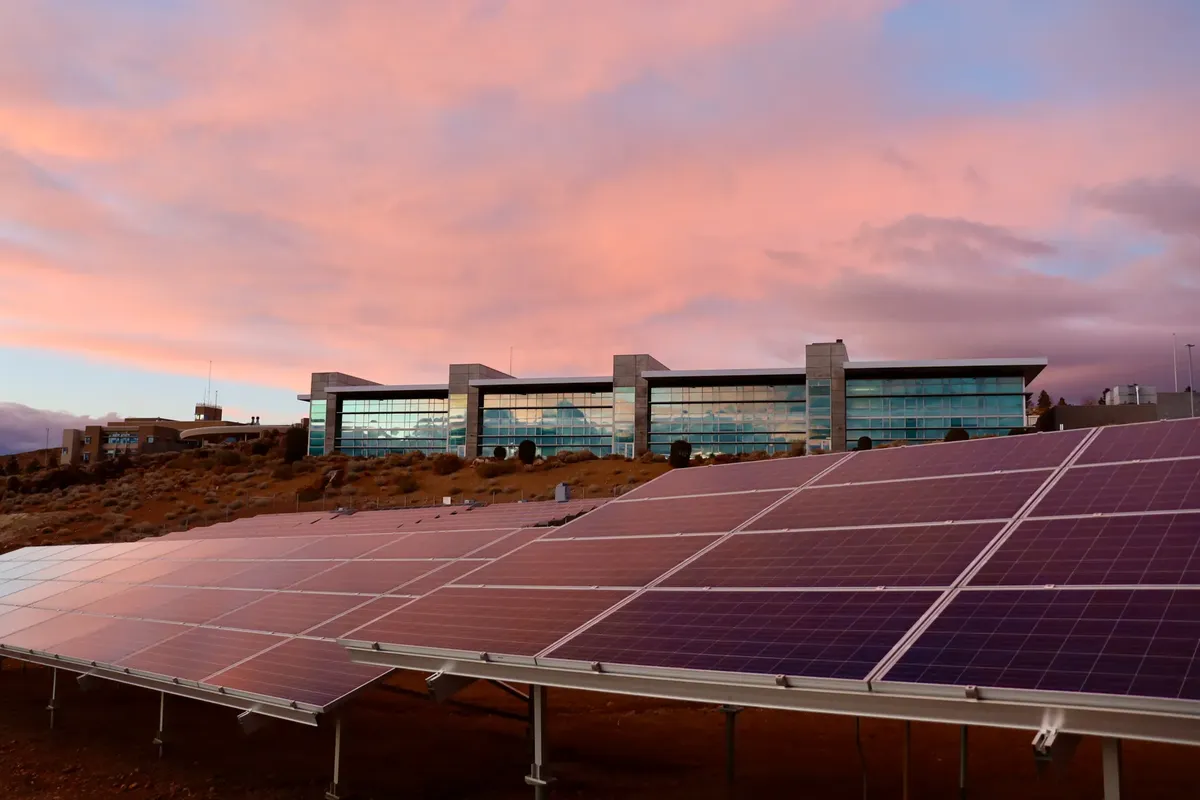
The IPCC noted that if governments were supportive, and the full complement of renewable energy technologies were deployed, renewable energy supply could account for almost 80% of the world's energy use within forty years.
This timeline shows the potential for a massive shift in how we power our lives.
Ensuring energy stability with renewables involves using the full complement of available technologies. This multi-faceted approach reduces the risk of total system failure.
What are the steps for a transition?
A community leader gathers residents to discuss a new local energy project. A structured transition involves moving from fossil fuel dependence to a diversified renewable portfolio.
- Establish government support and policy frameworks to encourage technological deployment. 2. Invest in a wide variety of renewable technologies to ensure a balanced supply. 3. Develop infrastructure capable of integrating these diverse sources into a single grid.
After these steps, a final check of the grid's stability and the diversity of the energy mix is necessary. I noticed during my research that the scale of these changes requires both technical and political coordination.
- Assess current infrastructure requirements.
- Integrate diverse renewable sources.
- Implement advanced grid management systems.
- In this sequence, the second step is the longest.
What are the limitations of these strategies?
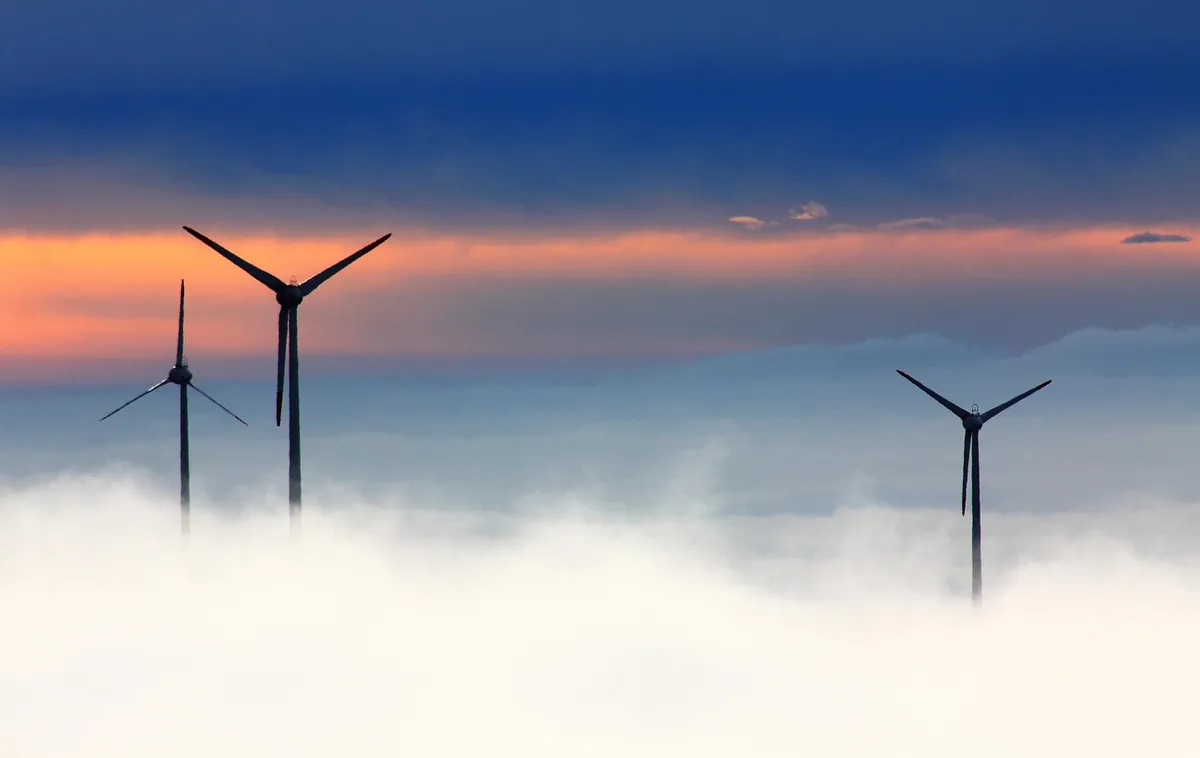
A researcher notes a specific condition in a technical manual regarding energy output. A limitation in these planning models is that no uniform definition for 100% renewable energy systems has been adopted across the published literature.
| Strategy Component | Potential Impact |
|---|---|
| WWS Infrastructure | 30% decrease in world power demand |
| Global Investment | 1% of global GDP annually |
The effectiveness of these strategies depends on the specific geographic and political context of each nation.
This part also covers Overcoming weather variability in power.
Overcoming weather variability in power
Related
- Renewable energy Island 100% renewable energy guide
- Solar wafer production history: Tips for energy capture
What determines the success of a transition?
A policy analyst compares different regional energy frameworks. The success of a transition depends on whether governments are supportive and if the full complement of renewable energy technologies is deployed.
If governments are supportive, the transition can move toward replacing fossil fuels with a diverse portfolio. This process involves matching technological strengths with geographical advantages to ensure stability.
How does the investment compare to the benefits?
An analyst compares the annual cost of investment against the potential for demand reduction. The cost of 1% of global GDP is compared to the 30% decrease in world power demand enabled by WWS infrastructure.
This comparison shows that the investment is manageable when weighed against the benefits of energy security. The scale of investment is balanced by the potential for efficiency through such an extensive infrastructure.


Comments 0