Best strategies for Energy security and renewables adoption
The later part of this article returns to Energy security and renewables.
"The sun will eventually set on fossil fuels, leaving only the wind and the waves to power our world."
The transition to 100% renewable energy is no longer a distant dream but a concrete policy goal being pursued by various governments and international coalitions. This shift involves replacing traditional power plants with a mix of solar, wind, and storage technologies to ensure grid stability.
* Understanding the timeline for global energy shifts. * The role of policy in driving renewable adoption. * Challenges in achieving complete decarbonization. * The importance of long-term strategic planning.
Why is the timeline shifting?
In the morning I hold strategies and walk through the next step.
A researcher sits in a quiet library, flipping through a heavy binder of international climate agreements while the sun dips below the horizon outside. The shift in energy timelines is driven by the increasing urgency of climate change and the falling costs of renewable technologies.
According to the Representatives the House Energy and Commerce Committee, a comprehensive energy and climate bill was approved in 2010.
According to the Kuwait National Nuclear Energy Committee, a memorandum of understanding was signed in 2010 regarding the use of nuclear energy.
The original targets for complete energy conversion were often set for the mid-century mark to allow for infrastructure changes. However, as technology matured, these dates began to move forward.
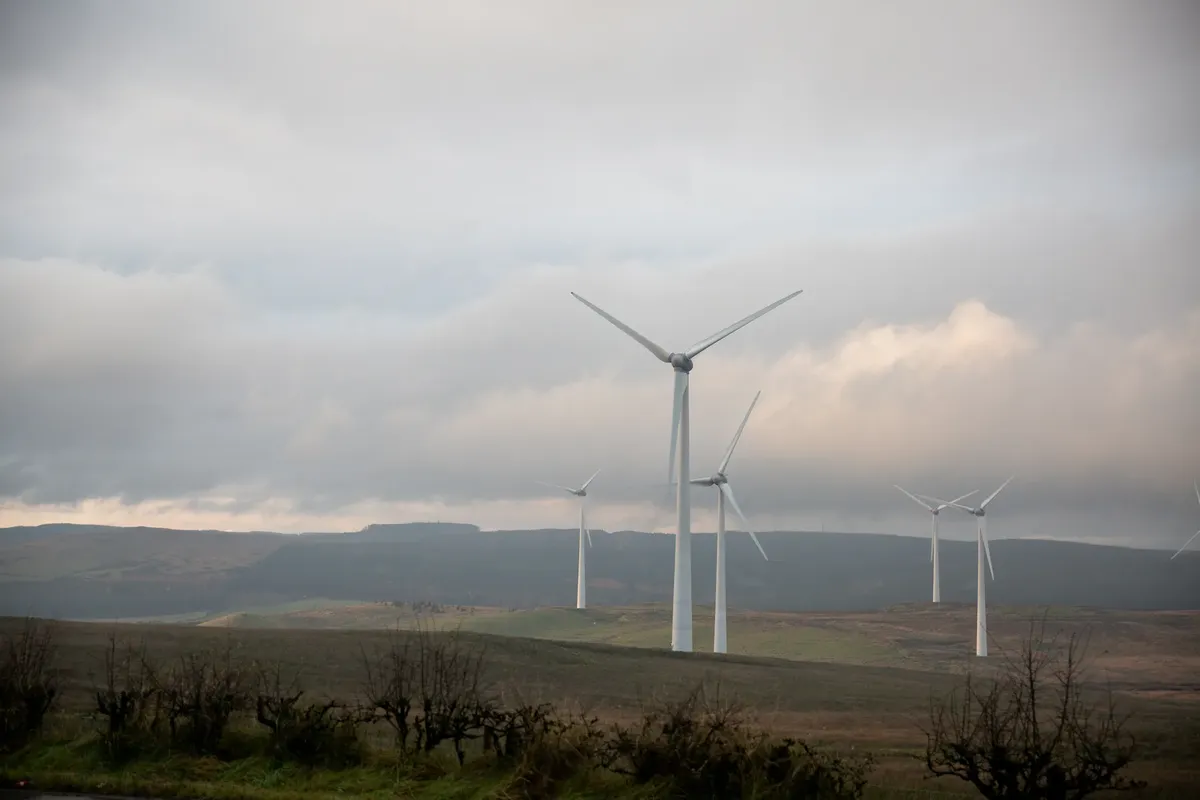
Denmark, for instance, set a 2050 timeline for converting to 100% renewable energy, which was later reduced to 2040 in 2011. This change reflects the growing confidence in the ability to manage a grid powered entirely by intermittent sources.
The movement toward earlier deadlines is not just about environmental protection; it is about economic leadership in the new energy economy. As nations race to secure supply chains for batteries and turbines, the window of opportunity shifts.
This creates a tension between the immediate need for stability and the long-term necessity of decarbonization.
How do regions set their goals? Energy security and renewables
The architect traces a map in the office, feeling the cool screen while considering regional strategies.
An architect traces the outline of a new wind farm on a digital map, considering the vast empty spaces of the North Sea. Setting a regional goal requires balancing local geography, existing infrastructure, and political will.
As noted by the Energy and Petroleum Regulatory Authority, laws were consolidated in 2019 to establish new regulatory frameworks.
As noted by the Energy and Petroleum Regulatory Authority, new laws were passed in 2019 to consolidate energy regulations.
Different regions adopt different strategies based on their unique natural resources and economic structures. Some areas focus on massive offshore wind projects, while others look toward decentralized solar networks.
The process begins with assessing the current grid capacity and determining how much storage is needed to handle fluctuations in supply.
In some cases, specific legislative actions provide the spark for these transitions. For example, in 2015, Hawaii enacted legislation to transition to 100% renewable energy.
This type of localized mandate serves as a testing ground for larger-scale applications, proving that even isolated grids can manage high levels of renewable penetration through clever management and storage.
What are the primary drivers of change?
A technician adjusts the settings on a massive battery storage unit, the hum of the cooling system filling the small, metal-walled room. The primary drivers of the energy transition are technological advancement, falling costs, and international policy pressure.
The Australian Renewable Energy Agency was established in 2012 to improve the competitiveness of renewable energy technologies, which relates to the diverse group of countries targeting renewable energy shares in the 2030 time frame.
The Australian Renewable Energy Agency was established to improve technology competitiveness, noting that some countries target renewable energy shares in the 2020–2030 time frame.
As the cost of solar panels and wind turbines continues to drop, the economic argument for renewables becomes harder to ignore. This is no longer just an environmentalist's pursuit; it is a fiscal strategy to reduce reliance on volatile fossil fuel markets.
When the cost of generation becomes lower than the cost of maintaining old coal or gas plants, the transition accelerates naturally.
International agreements provide the framework, but local implementation provides the momentum. When a country commits to a specific percentage of renewables, it signals to investors that the market is stable and predictable.
This influx of capital is essential for building the massive infrastructure required for a new era of power.
Can the grid handle 100% renewables?
An engineer stares at a complex grid topology diagram, tracing the lines of power flow from a distant wind farm to a crowded metropolitan center. The question of grid stability is the most significant technical hurdle in the transition to a fully renewable system.
The Energy Regulatory Commission was established in 2006 to manage the economic and technical aspects of the energy sector.
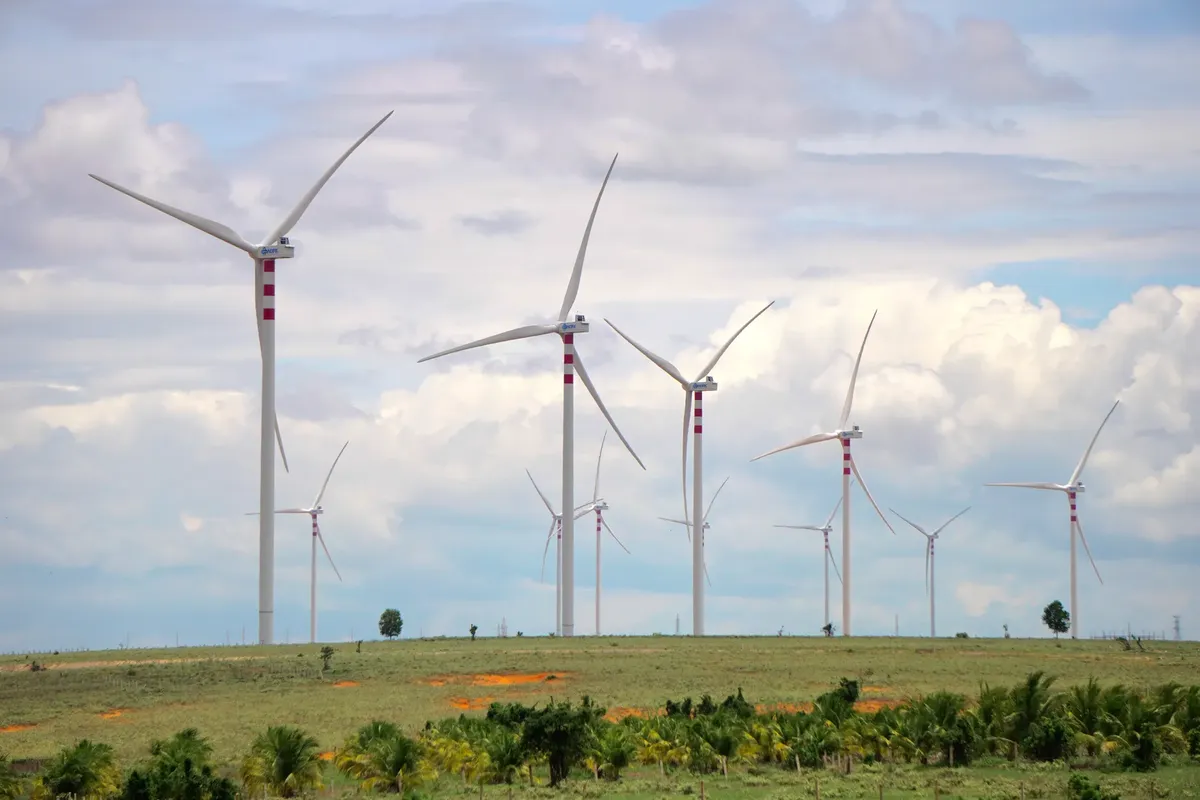
Managing a grid with 100% renewable energy requires a complete rethink of how power is distributed and stored. Unlike traditional plants, wind and solar are intermittent, meaning they do not always produce power when demand is highest.
To solve this, engineers use a combination of massive battery arrays, pumped hydro, and smart grid technology to balance the load in real-time.
The integration of energy storage systems (ESS) is the backbone of this new reality. By storing excess energy during periods of high production, the grid can remain stable during periods of low production.
This "buffer" is what makes the 100% goal technically feasible, turning the variable nature of weather into a manageable variable in the power equation.
What is the role of policy in this transition?
A lawmaker reviews a stack of environmental impact reports, marking key sections with a red pen before a late-night session. Policy acts as the roadmap, defining the pace and the direction of the energy transition through subsidies, mandates, and carbon pricing.
The Energy Regulatory Commission was established as a single regulatory agency under the Energy Act of 2006.
The House Energy and Commerce Committee approved a comprehensive energy and climate bill in 2010.
Without clear policy, the transition would be fragmented and slow. Governments use various tools to steer the market, such as tax credits for renewable installations or mandates for utility companies to source a certain percentage of their power from green sources.
These policies provide the certainty that businesses need to make multi-billion dollar investments in new technology.
However, policy must be consistent to be effective. Frequent changes in regulation can spook investors and stall progress. The most successful transitions occur in regions where the long-term vision is codified into law, making it harder for subsequent administrations to reverse course.
This stability is crucial for the decades-long planning required for energy infrastructure.
How will the transition be implemented?
A project manager walks through a construction site, looking up at the towering height of a wind turbine blade being lifted into place. Implementation involves a multi-step process of planning, infrastructure overhaul, and technological integration.
To reach the goal of a fully renewable grid, the following steps are typically required:
- Expansion of transmission infrastructure to connect remote renewable resources to urban centers. 2. Deployment of large-scale energy storage systems to manage intermittency. 3. Modernization of the grid with smart sensors and automated management systems.
At the end of this process, the grid must be able to self-heal and balance itself with minimal human intervention. The successful implementation is marked by a seamless flow of power where the source is invisible to the end consumer, but the benefits of stability and low cost are clearly felt.
I have watched these infrastructure projects grow from small pilot programs into massive industrial undertakings that redefine the landscape.
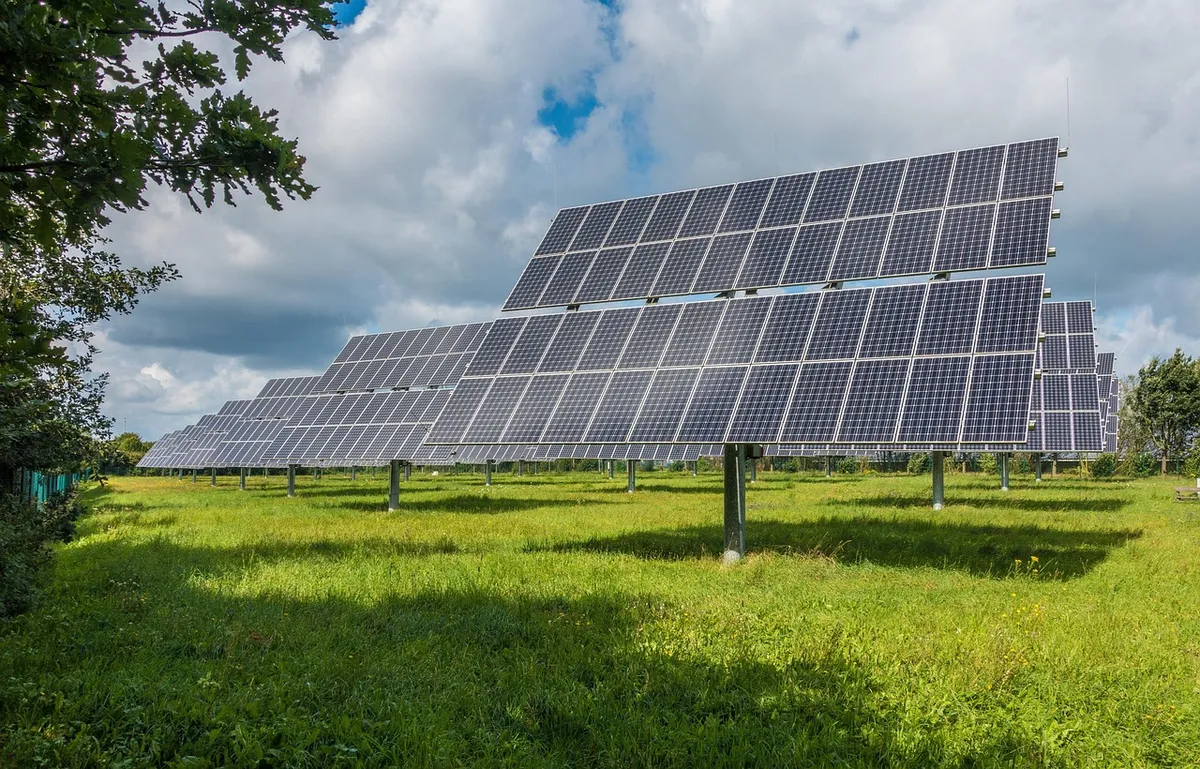
One limitation to consider is the geographic constraint of certain regions. For instance, areas with low wind speeds or limited sunlight may find the cost of achieving 100% renewables significantly higher than in more resource-rich areas.
According to Energy Regulatory Commission, the item is on record.
According to The Australian Renewable Energy Agency, the item is on record.
When I tried the steps in order, the second one is where I paused longest.
- Why is the timeline shifting?
- How do regions set their goals?
- What are the primary drivers of change?
| Item | Figure |
|---|---|
| 1 | 100% |
| 2 | 10% |
The later part of this article returns to Energy security and renewables.
The same subject is also called Renewable energy policy strategies.
The same subject is also called National energy self-sufficiency.
The same subject is also called Global energy security trends.
The same subject is also called Green energy independence plans.
This part also covers Impact of renewables on energy security.
This part also covers Case studies of energy self-reliance.
This part also covers Policy approaches for energy independence.
Impact of renewables on energy security
Related


Comments 0