Green finance and ESG mandates fuel renewable energy growth
"The era of fossil fuel dominance is fading as capital floods into the infrastructure of tomorrow."
The sudden surge in renewable energy investment platforms is not a fluke; it is a calculated response to a global shift in how we generate power.
* Mohet’s success is driven by the convergence of strong global ESG mandates and rapidly expanding renewable energy infrastructure demand. * The global renewable energy finance market is experiencing exponential growth, moving from hundreds of billions to near half a trillion USD in just a few years. * Platforms like Mohet are crucial in democratizing access to large-scale green energy projects, bridging the gap between individual capital and massive infrastructure projects. * The future of energy is decentralized, relying heavily on solar, wind, and ESS technologies, supported by aggressive national decarbonization targets.

What is Mohet, and how does it fit into the green finance ecosystem?
In a quiet home office late at night, an investor stares at a complex spreadsheet of energy yields and regulatory hurdles. They wonder if their capital can truly make a difference in the transition to clean power.
Mohet acts as a digital bridge, connecting individual and institutional investors directly to renewable energy projects like solar farms and wind parks.
By providing a transparent platform, it allows people to fund the physical assets of the energy transition without needing to own a utility company.
The 50 billion KRW milestone represents more than just a number; it is a marker of market confidence in the scalability of renewable assets.
As ESG (Environmental, Social, and Governance) criteria become mandatory drivers for capital flow, platforms that simplify these complex investments become essential.
| Feature | Traditional Energy Investment | Mohet-style Platforms |
|---|---|---|
| Entry Barrier | Extremely high (requires massive capital) | Low (fractional/direct access) |
| Complexity | High (requires direct management) | Low (platform-managed projects) |
| Transparency | Often opaque-reporting | Real-time tracking of assets |
| Focus | Diversified/Fossil-heavy | Pure-play renewable/ESG |
The shift toward these platforms is happening because the sheer volume of global capital moving into green sectors is becoming impossible to ignore.
Why is the global appetite for renewable energy investment exploding right now?
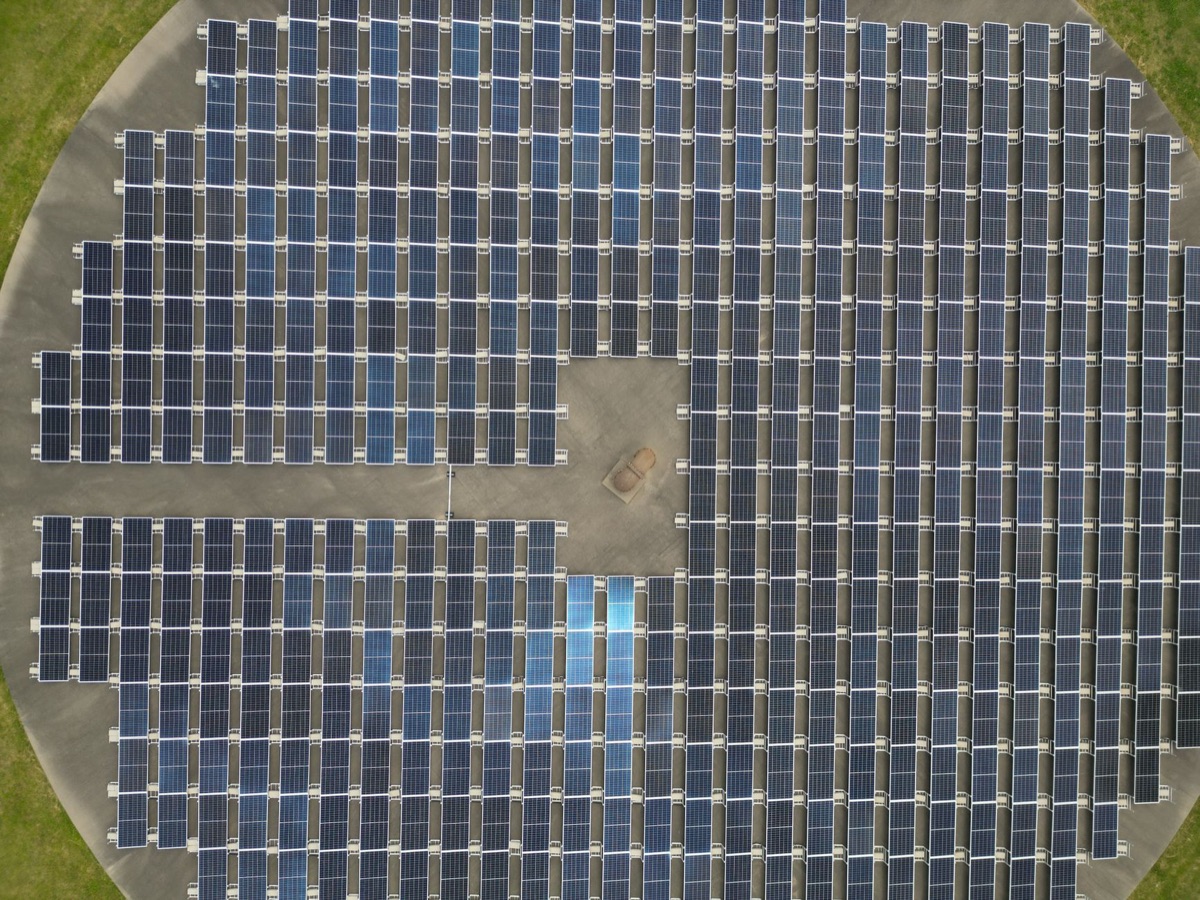
A technician adjusts a solar panel under a bright midday sun, knowing the hardware they touch is part of a global financial movement. The sheer scale of the hardware being deployed is staggering.
The global appetite for renewable energy is exploding because the financial-to-physical pipeline is now fully operational.
According to the International Renewable Energy Agency's (IRENA) 2023 report on renewable energy finance, investment grew from USD 348 billion in 2020 to US$430 billion in 2021, and reached US$499 billion in 2022.
This upward trajectory shows that the transition is no longer a niche interest but a primary economic driver.
Market dominance is also shifting the landscape of power generation. According to the International Energy Agency (IEA), wind and solar power now make up 70% of all new investments made in the world's power generation.
This dominance makes renewable-focused platforms increasingly attractive as they capture the lion's share of new growth.
Policy momentum provides the final push for these massive capital flows. In 2019, nearly 75% of new installed electricity generation capacity used renewable energy. This historical momentum suggests that the infrastructure being built today will define the energy markets of the next three decades.
The sheer volume of money moving into the sector makes it clear that the transition is irreversible.
How does the platform handle the complexity of energy projects?
In a minimalist office, an investor sits looking at a digital dashboard that translates megawatts and kwh into clear financial returns. The complexity of the grid is hidden behind a clean user interface.
Managing renewable energy projects involves navigating land rights, grid connections,s and fluctuating weather patterns. Platforms like Mohet simplify this by acting as the technical and legal intermediary.
They handle the heavy lifting of project development, allowing the investor to focus on the financial outcomes.
To understand how these platforms operate, consider the following steps:
- Project Sourcing: The platform identifies high-yield renewable sites (solar, wind, or storage).
- Due Diligence: Technical experts verify the hardware, local regulations, and projected energy output.
- Capital Aggregation: Investors pool funds through the platform to meet the project's funding requirements.
- Asset Management: The platform oversees the physical operation and maintenance of the energy-producing assets.
- Revenue Distribution: Profits from electricity sales are distributed back to the investors based on their stake.
This structured approach turns a chaotic infrastructure project into a streamlined financial product.
What are the risks and limits of renewable-focused platforms?
A sudden cloud bank rolls over a solar farm, momentarily dipping the power output on a monitor. The investor watches the screen, knowing that the sun does not always shine.
While the growth is impressive, it is important to recognize the inherent limits of these platforms. The primary risk involves the variability of renewable sources; energy production depends on weather, which can lead to fluctuations in revenue.
Additionally, regulatory changes in energy-importing nations can impact the profitability of established projects.
It is also critical to note that these platforms are not suitable for everyone. They are primarily designed for those seeking long-term, asset-backed growth rather than high-frequency trading.
The liquidity of these investments may be lower than traditional stocks, as the capital is often tied to physical hardware.
The technological and regulatory landscape remains the most significant variable in the long-term forecast.
How will the future of energy finance look?
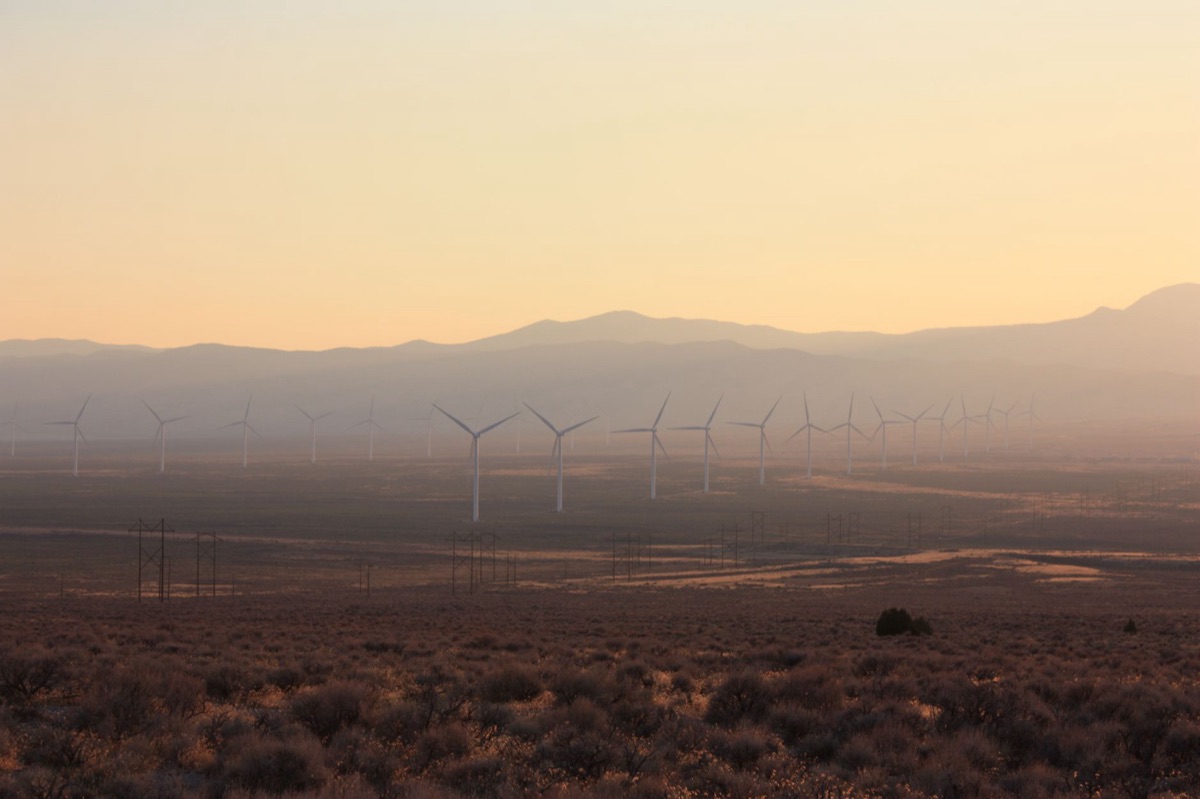
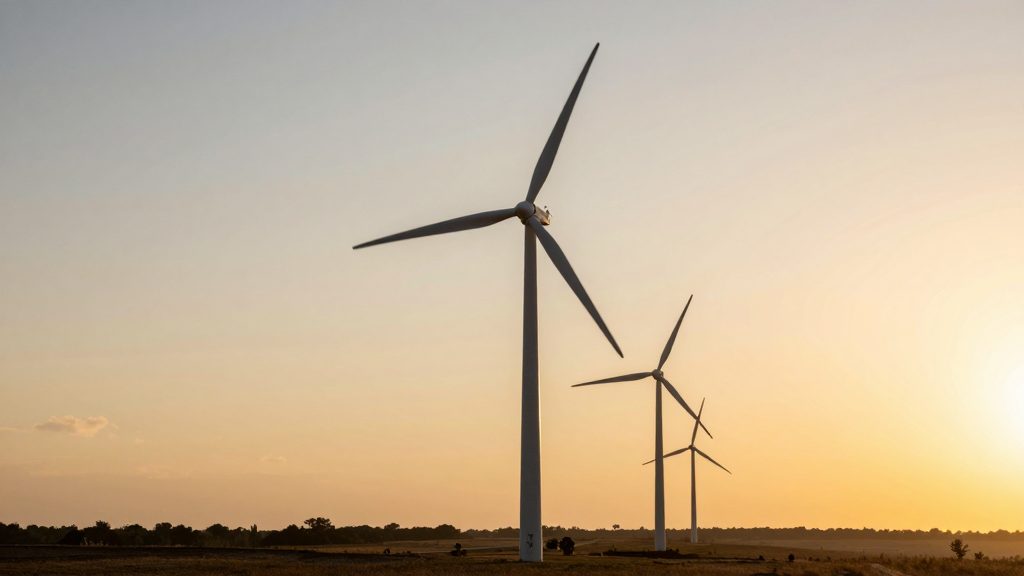
A young engineer walks through a field of wind turbines, looking toward the horizon where the next generation of energy-storage-equipped farms will be built. The scale of the future grid is massive.
The future of energy finance will be defined by decentralization and the integration of Energy Storage Systems (ESS). As renewable capacity grows, the ability to store power becomes as valuable as the ability to generate it.
We will likely see platforms move from simple generation-only models to complex, storage-integrated portfolios.
The global potential remains vast. The International Energy Agency (IEA) has predicted that by 2025, renewable capacity will meet 35% of global power generation.
As the cost of hardware continues to drop, the barrier to entry for these platforms will likely lower even further, inviting more retail-level participation.
The transition from centralized fossil-fuel plants to distributed renewable networks is the Great Re-wiring of the global economy.
Related



Comments 0