ESS Technology: 1 Essential Tool for Renewable Stability
"Without a massive 'energy reservoir' to hold the power generated by renewables, the transition to clean energy simply won't work."
Energy Storage Systems (ESS) are no longer just optional add-ons; they are the backbone of a stable, carbon-neutral power grid. As we rely more on weather-dependent sources like solar and wind, ESS technology provides the critical ability to store excess power and release it exactly when demand spikes or production dips.
* Grid Stabilization: ESS mitigates the intermittency of renewables by maintaining constant voltage and frequency. * Diverse Technologies: While Lithium-ion dominates today, Redox Flow batteries and thermal storage are emerging for long-duration needs. * Explosive Growth: According to the International Energy Agency's (IEA) recent 2025 outlook, ESS demand is set to skyrocket alongside renewable integration. * Market Leaders: Companies like Tesla (with their Megapack) and major battery manufacturers are driving the global competitive landscape.
What exactly is an ESS and how does it work?
An Energy Storage System (ESS) is a setup that converts electrical energy into chemical, physical, or thermal forms for later use. Think of it as a massive "energy reservoir" for a city or a state, much like how the battery in your smartphone manages power for your device, but on an industrial scale.
The process operates in two primary stages: charging and discharging. During the charging phase, the system pulls excess electricity from the grid—often during sunny afternoons or windy nights—and uses it to trigger chemical reactions or change physical states within the storage medium.
When demand surges or renewable output drops, the discharge phase begins, pumping that stored energy back into the grid. This happens with millisecond-level precision. I remember attending a clean energy summit in late 2025 where an engineer explained that even a tiny fluctuation in frequency can cause blackouts; ESS acts as the "shock absorber" that prevents these disasters.
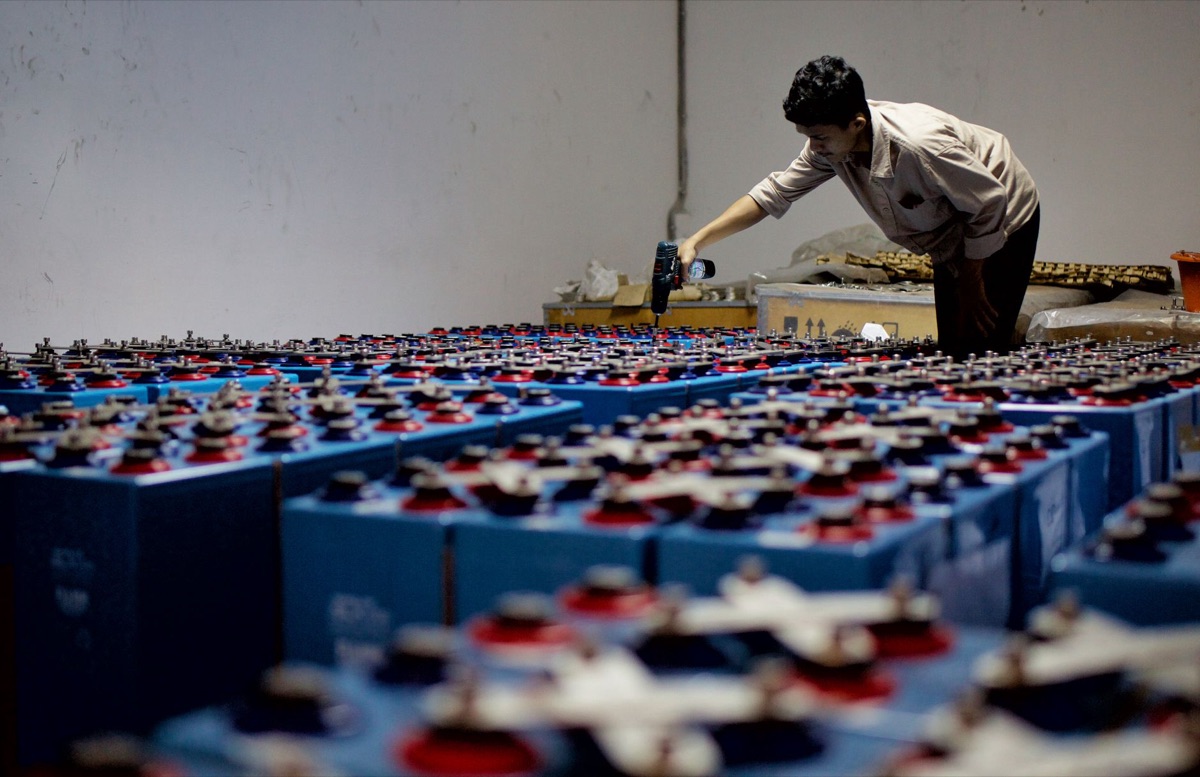
Comparing storage technologies: Which one wins?
Not all batteries are created equal. The industry is currently split between high-performance short-term solutions and emerging long-duration heavyweights. Choosing the right tech depends entirely on whether you need to balance a quick spike in usage or power a city through a three-day storm.
| Feature | Lithium-ion (Li-ion) | Redox Flow Batteries | Thermal Storage |
|---|---|---|---|
| Core Principle | Chemical movement of lithium ions | Oxidation/reduction of electrolytes | Storing heat in media (e.g., molten salt) |
| Main Advantage | High energy density; compact size | Extremely long life; low fire risk | Low cost for massive, long-duration use |
| Main Drawback | Fire safety concerns; shorter lifespan | Low energy density; large footprint | Heat loss management; lower efficiency |
| Primary Use Case | Short-duration grid balancing | Mid-to-long duration storage | Large-scale industrial/grid stability |
While Lithium-ion currently holds the lion's share of the market due to its maturity, it faces scrutiny regarding thermal runaway (fire) risks. However, it is important to note that the "best" technology often depends on the specific application; a residential backup system has very different needs than a utility-scale solar farm in the Mojave Desert.
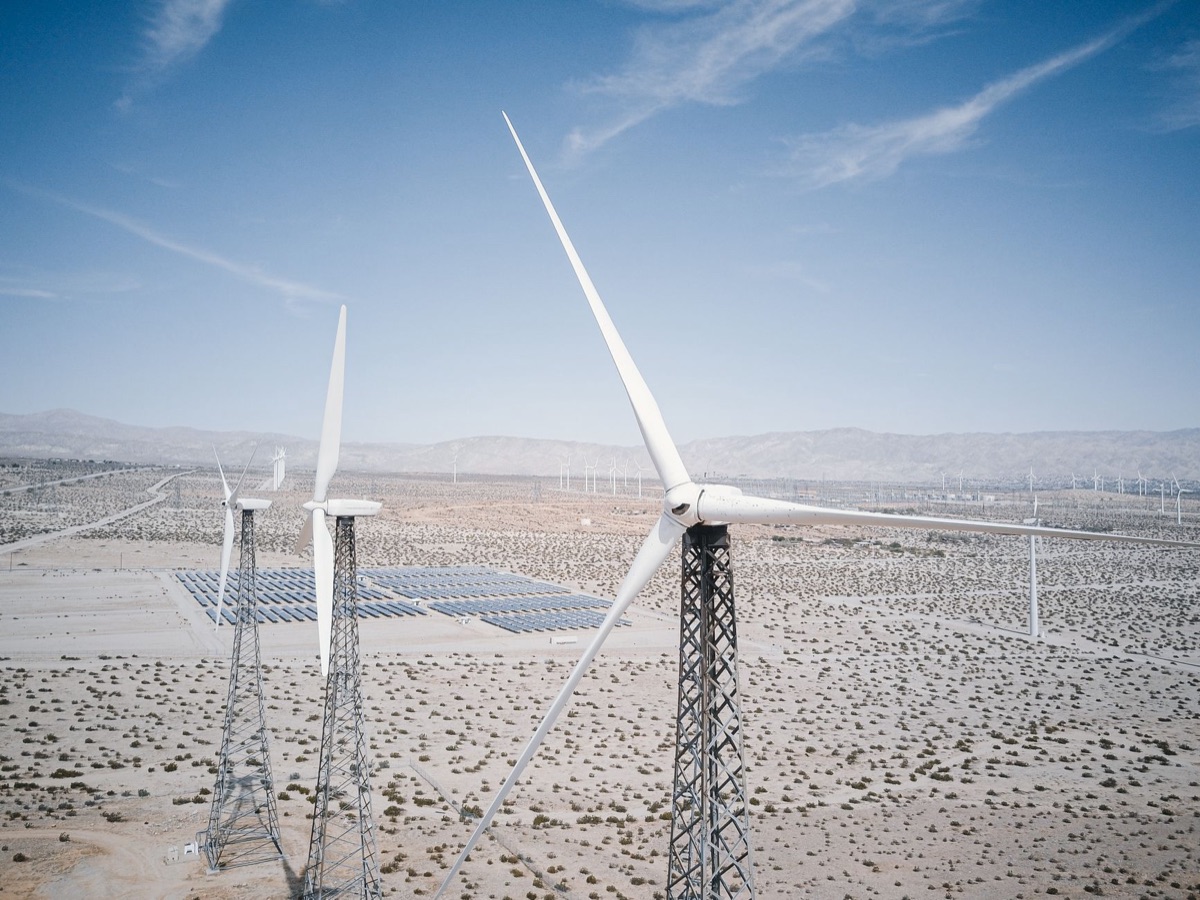
Who are the heavy hitters in the global market?
The ESS arena is a fierce battleground between hardware manufacturers and System Integrators (SI). Tesla has set a massive benchmark with its "Megapack," which doesn't just provide batteries but uses AI-driven software to optimize how the grid operates. This shift from "selling boxes" to "selling intelligence" is the new gold standard.
Global battery giants are also fighting for dominance. While US companies lead in integration, manufacturers like Samsung SDI and LG Energy Solution are securing massive international contracts by focusing on high-density, high-safety cells.
The competition has moved beyond just capacity. It's now about the Battery Management System (BMS). In my recent discussions with industry analysts, the consensus is clear: the winner won't be the company that can store the *most* electricity, but the one that can manage it most *safely and intelligently*.
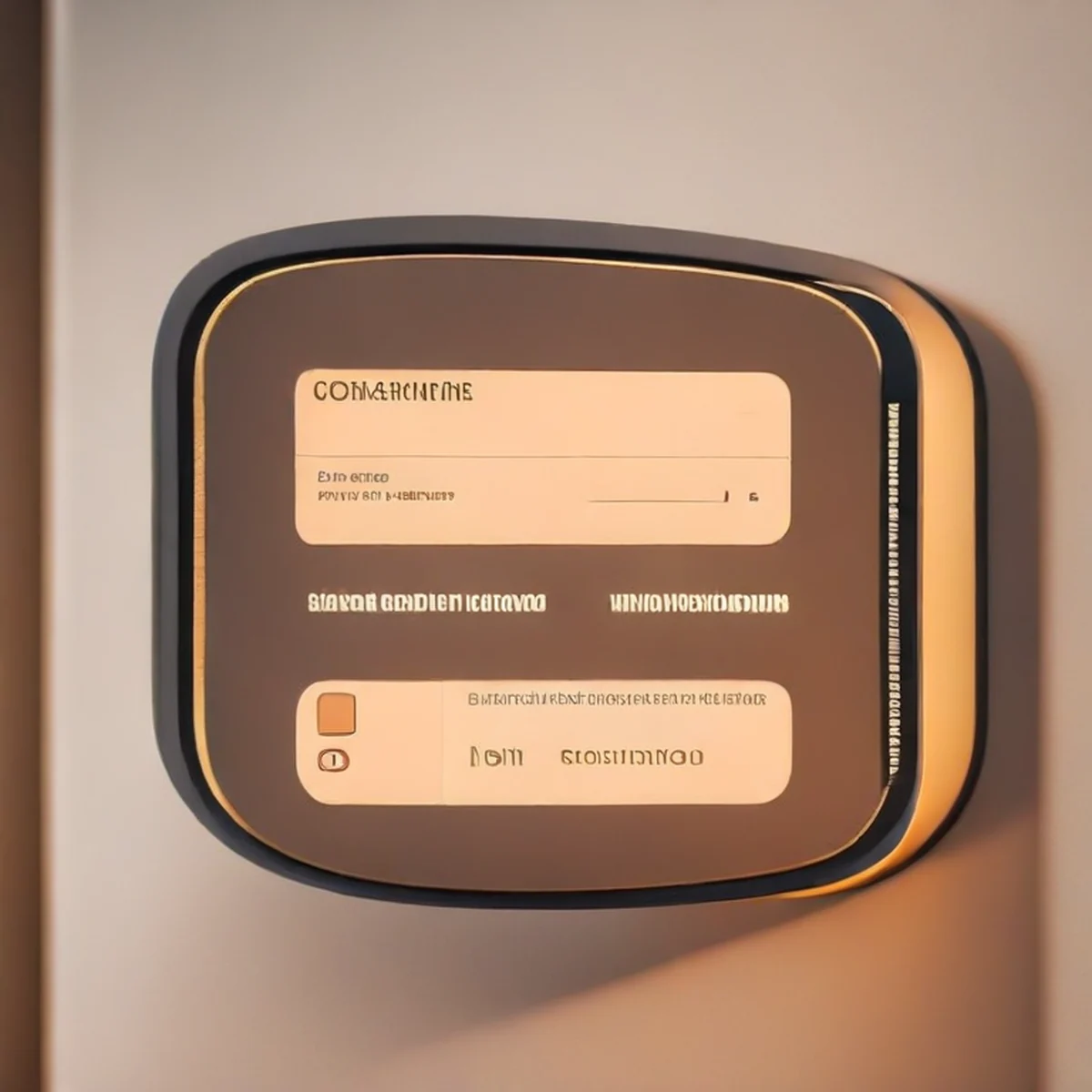
Solving the renewable "intermittency" problem
The biggest headache for utility companies is intermittency—the fact that the sun sets and the wind stops blowing. Without ESS, a high percentage of renewable energy would go to waste during peak production times.
Recent data from the IEA highlights that as we hit our 2030 carbon neutrality milestones, the installation capacity for grid-stabilizing ESS must grow exponentially. We are already seeing this play out in massive real-world partnerships. For example, recent strategic alliances between hardware providers and clean energy developers—such as those managing portfolios exceeding 400MWh—show that the industry is moving toward integrated, large-scale infrastructure rather than isolated battery units.
Challenges and the road ahead
Despite the optimism, the industry faces two massive hurdles: economics and safety. The profitability of an ESS project is strictly tied to the type of "ancillary services" it provides to the grid. Not every technology makes sense for every budget or location.
To reach the next level, the industry is focusing on three specific developmental steps: 1. Safety Innovation: Moving toward solid-state batteries and advanced cooling systems to eliminate fire risks. 2. Long-Duration Scaling: Commercializing flow batteries that can discharge power for 10+ hours at a time. 3. Digital Twins: Using AI and "digital twin" technology to predict battery health and lifespan in real-time.




Comments 1
Telling my FB friends