Solar Optimization: Maximize ROI With 28% Efficient Modules
Stop viewing solar as a way to lower bills and start treating it like a high-yield energy asset.
In 2026, residential solar power has evolved from a simple cost-cutting measure into a critical piece of home energy infrastructure for achieving carbon neutrality. By combining cutting-edge high-efficiency modules with advanced Energy Storage Systems (ESS), homeowners can now maximize generation and transform their rooftops into productive financial assets.
* Adoption of High-Efficiency Cells: Global leaders like LONGi have pushed cell efficiency beyond 28%, drastically increasing power output per square foot. * Mandatory ESS Integration: Pairing solar with battery storage is the new standard for managing energy use during non-sunny hours. * Shift in Profitability Metrics: Success is no longer just about net metering; it’s about sophisticated management of excess energy to maximize household ROI.
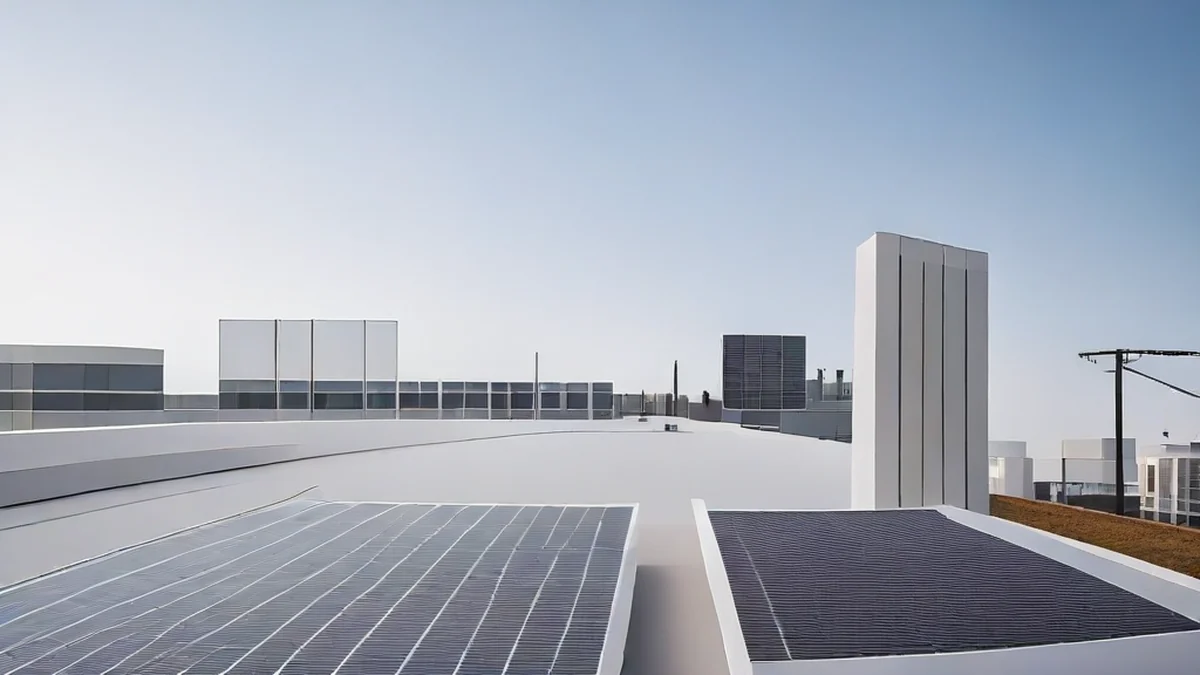
Why Should You Audit Your Solar Technical Standards Now?
The energy landscape has shifted dramatically. As we move through 2026, federal renewable energy incentives and the increasing demand for grid stability have fundamentally changed the math for homeowners. It is no longer a question of "how many panels can I fit?" but rather "what technical specifications will yield the highest return?"
When optimizing residential solar, module efficiency is your primary lever. In the past, price was the deciding factor, but in today's market, maximizing power density within limited roof space is what drives true profitability.
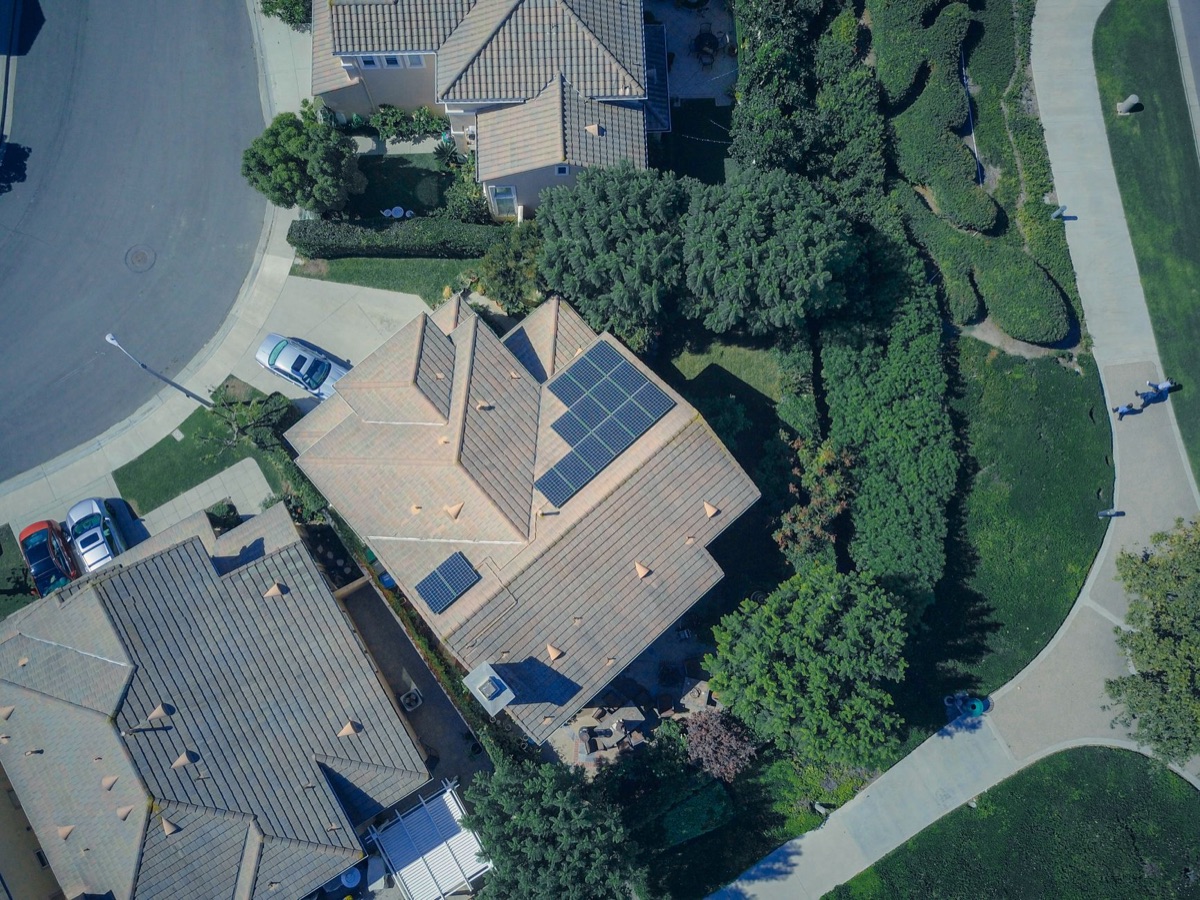
I saw this firsthand last month while inspecting a residential installation in sunny Phoenix, Arizona. I compared an older 17% efficient system with a newly installed high-efficiency setup. Despite having the same footprint, the modern system maintained a much more stable voltage even during heavy cloud cover, producing significantly more usable kilowatt-hours throughout the day.
Global Tech Trends and the Leap in Cell Efficiency
The heart of solar optimization lies in how effectively a cell converts sunlight into electricity. Recent industry breakthroughs show that we are rapidly approaching the theoretical limits of silicon-based technology.
Leading global manufacturers are setting incredible benchmarks. According to LONGi’s latest technical report, crystalline silicon cell efficiency has reached 28.13%, with module efficiency hitting 26.4%. This means you can generate substantially more power using much less roof real estate compared to standard models from just a few years ago.
We are also seeing "moonshot" technologies move closer to reality. Research findings from Fraunhofer ISE indicate that III-V germanium modules have achieved efficiencies as high as 34.4%. While these multi-junction cells are currently reserved for space exploration and specialized satellite hardware, their development serves as a roadmap for the next generation of ultra-high-efficiency residential tech.
| Feature | Crystalline Silicon (Standard) | III-V Germanium (Next-Gen/Specialty) |
|---|---|---|
| Key Characteristic | High cost-effectiveness; mass market | Ultra-high efficiency; multi-junction structure |
| Cell Efficiency Range | Approx. 22% – 28% | Approx. 34% and above |
| Primary Application | Residential homes & utility solar farms | Aerospace, satellites, & high-end tech |
| Economic Outlook | Current market mainstream (Value-driven) | High future potential (Performance-driven) |
A 4-Step Process for Optimizing Your Solar Installation
To ensure your system isn't just a sunk cost, you need a strategic approach. Don't simply sign the first contract that comes your way; follow these steps to tailor the system to your specific home:
- Irradiance and Shading Analysis: Use 2026-standard modeling software to map how nearby trees, chimneys, or neighboring buildings cast shadows throughout the year. Precision mapping ensures panels are placed at the optimal angle for peak sunlight.
- Capacity Sizing based on Future Loads: Don't just look at your current bill. Analyze your family's consumption patterns and factor in future needs, such as the inevitable transition to Electric Vehicles (EVs).
- Selection of High-Efficiency Modules & Inverters: Verify that modules exceed 26% efficiency and check the loss rates of your inverters. The inverter is the "brain" that converts DC to AC; a low-quality one can bleed away your profits.
- ESS (Battery) Integration Design: This is the linchpin of modern solar. Designing your system to store excess midday energy for use during expensive peak evening hours is essential for maximizing your financial return.
Maximizing ROI: Economic Realities and Pitfalls
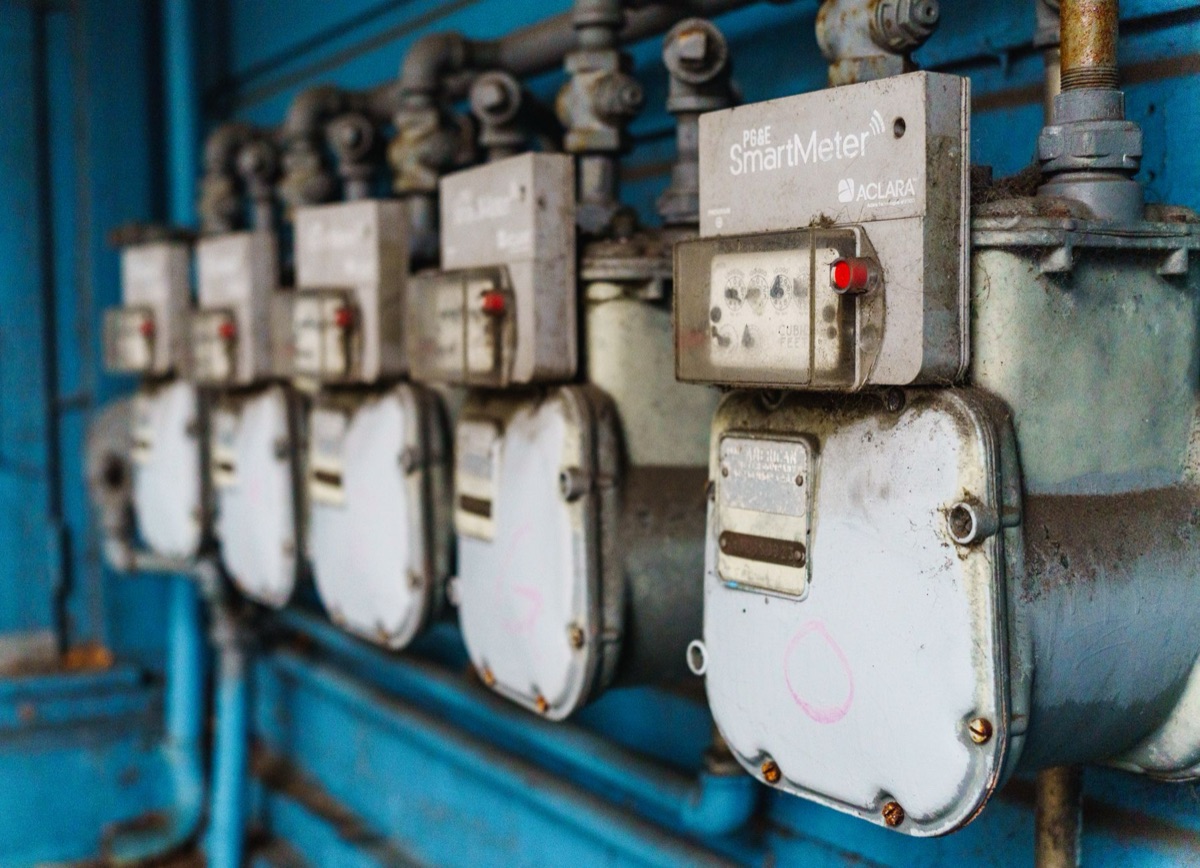
The biggest question remains: "How much will I actually save?" In 2026, solar profitability is tightly linked to fluctuating utility rates and evolving state-level energy policies.
While the initial capital outlay is high, the payback period is shrinking as electricity prices rise. However, there is a catch. Solar is not a guaranteed win for every single property. For example, homes in regions with extremely low annual sunlight or older structures with inefficient roof orientations may see a much longer Return on Investment (ROI).
To navigate this, you must understand the concept of LCOE (Levelized Cost of Energy). This represents the total cost of your system over its entire lifespan divided by the total energy it will produce. When talking to installers, don't just ask, "How much will I save per month?" Instead, ask, "What is the projected LCOE for this specific configuration?" It shows you are looking at long-term asset value rather than short-term rebates.




Comments 0