Renewable energy Island 100% renewable energy guide
Building a sustainable power grid in isolated regions requires a delicate balance of resource management and infrastructure stability. Achieving an Island 100% renewable energy system involves integrating variable sources like wind and solar with reliable storage and base-load technologies.
Key takeaways: * Diversifying energy sources is essential for mitigating the variability of natural resources. * Large-scale storage and grid management are critical for maintaining stability in remote areas.
* Financial investment requirements represent a significant barrier to hitting long-term targets.
How can we achieve an Island 100% renewable energy system?
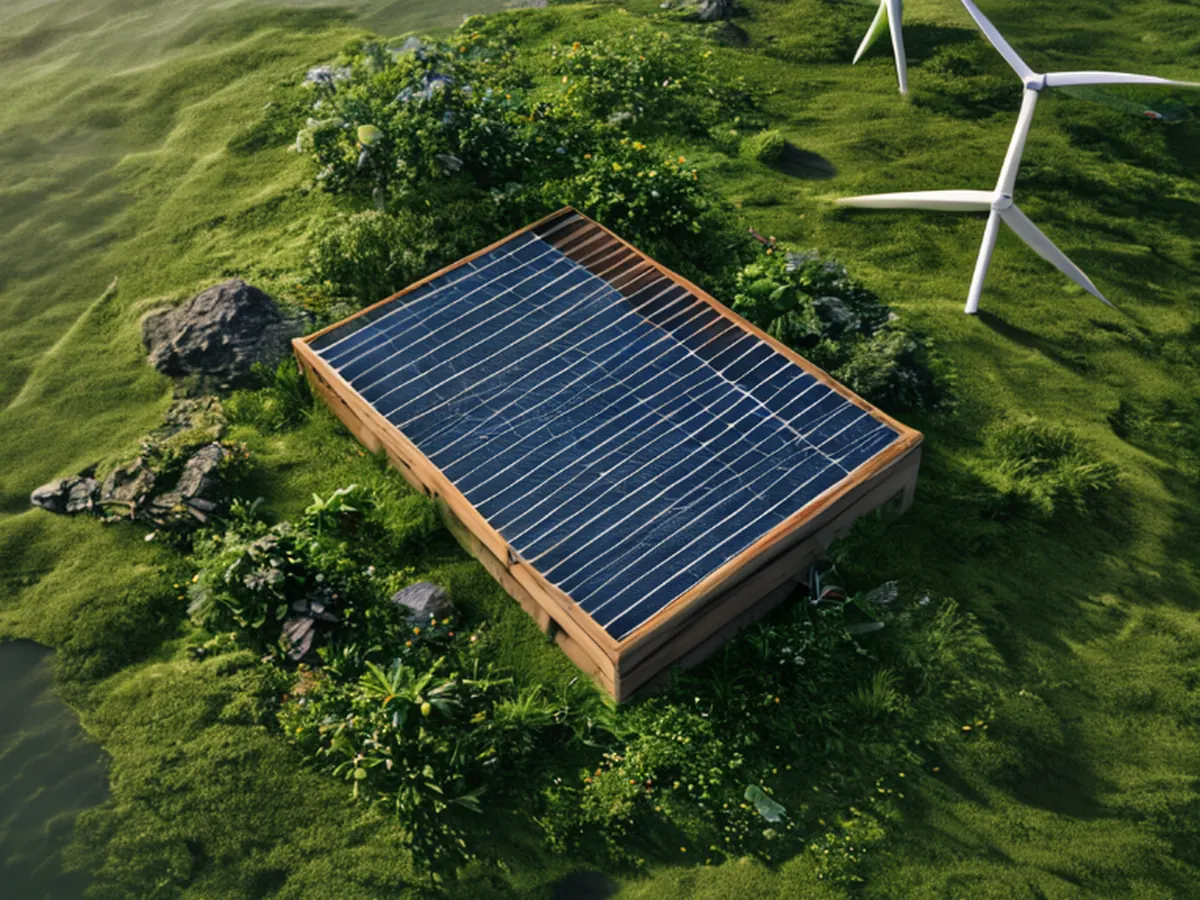
A technician adjusts a solar panel tilt in a coastal field to capture the morning sun. Transitioning to a fully green grid requires a combination of localized generation and advanced energy management.
The primary challenge lies in managing intermittent supply. For a localized grid to remain stable, developers must combine variable energy with dispatchable sources. This strategy ensures that when the sun sets or winds die down, the community maintains a steady supply.
Off-grid renewable power solutions often look toward a mix of technologies. By pairing wind farms with battery storage or pumped hydro, islands can bridge the gap between peak production and peak demand. This diversity prevents a single weather pattern from causing a total blackout.
- Diversify the energy mix with wind, solar, and geothermal sources.
- Implement large-scale battery storage to manage intermittency.
- Develop smart grid infrastructure to balance supply and demand.
- In this sequence, the second step is the most extensive.
What are the technical requirements for remote energy solutions?
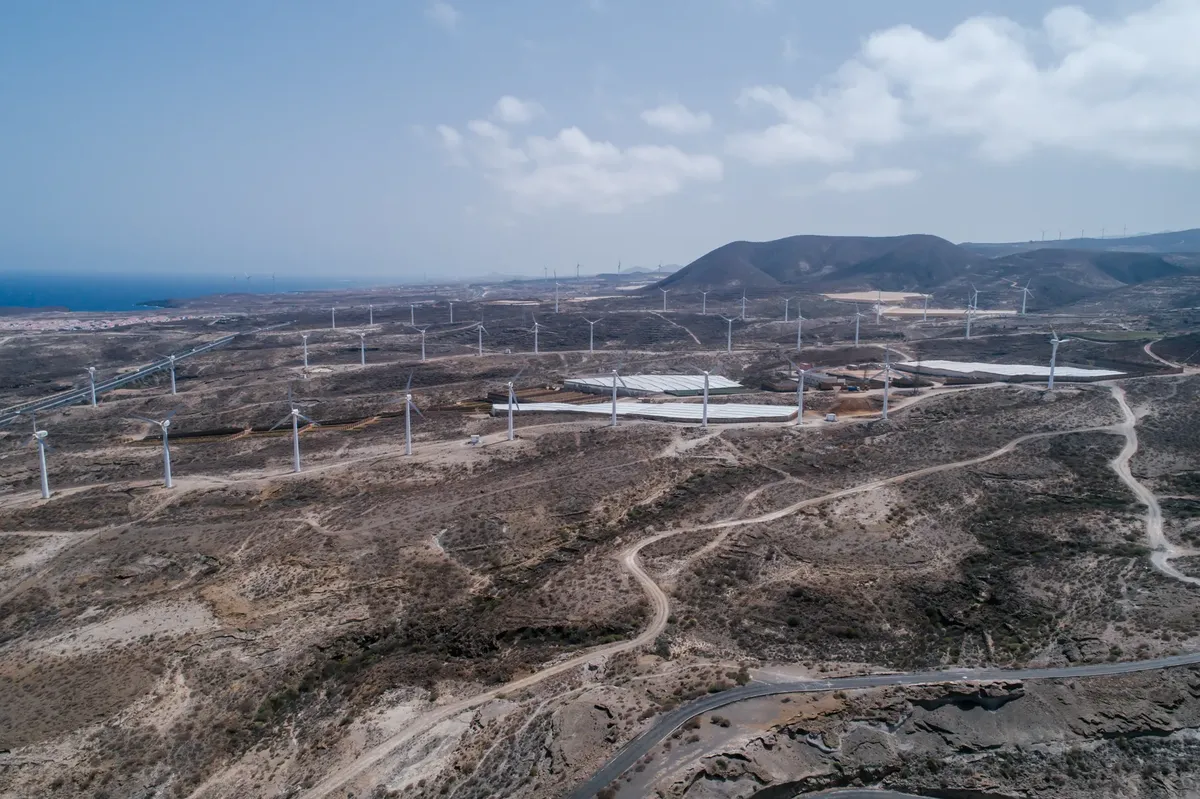
An engineer monitors a digital dashboard showing real-time fluctuations in tidal energy. Building a reliable system requires hardware that can withstand harsh coastal environments and manage rapid changes in output.
Technical feasibility depends heavily on the available natural resources. For instance, coastal regions might utilize tidal or wave energy to provide a more predictable baseline than solar. Integrating these diverse inputs into a single microgrid requires sophisticated control systems.
Island energy system tech must prioritize modularity. Small-scale installations can be scaled up as demand grows, allowing for gradual infrastructure development. This modular approach helps manage the high costs associated with specialized maritime or remote-area equipment.
How do we manage the economic viability of island energy?
A banker reviews a spreadsheet detailing the high costs of importing specialized battery components. Transitioning away from fossil fuels involves navigating complex capital requirements and long-term payback periods.
Economic viability is often tied to the initial capital expenditure required for specialized hardware. While operational costs may be lower than diesel generators, the upfront investment is frequently a barrier. Governments often need to provide subsidies or structured loans to bridge this gap.
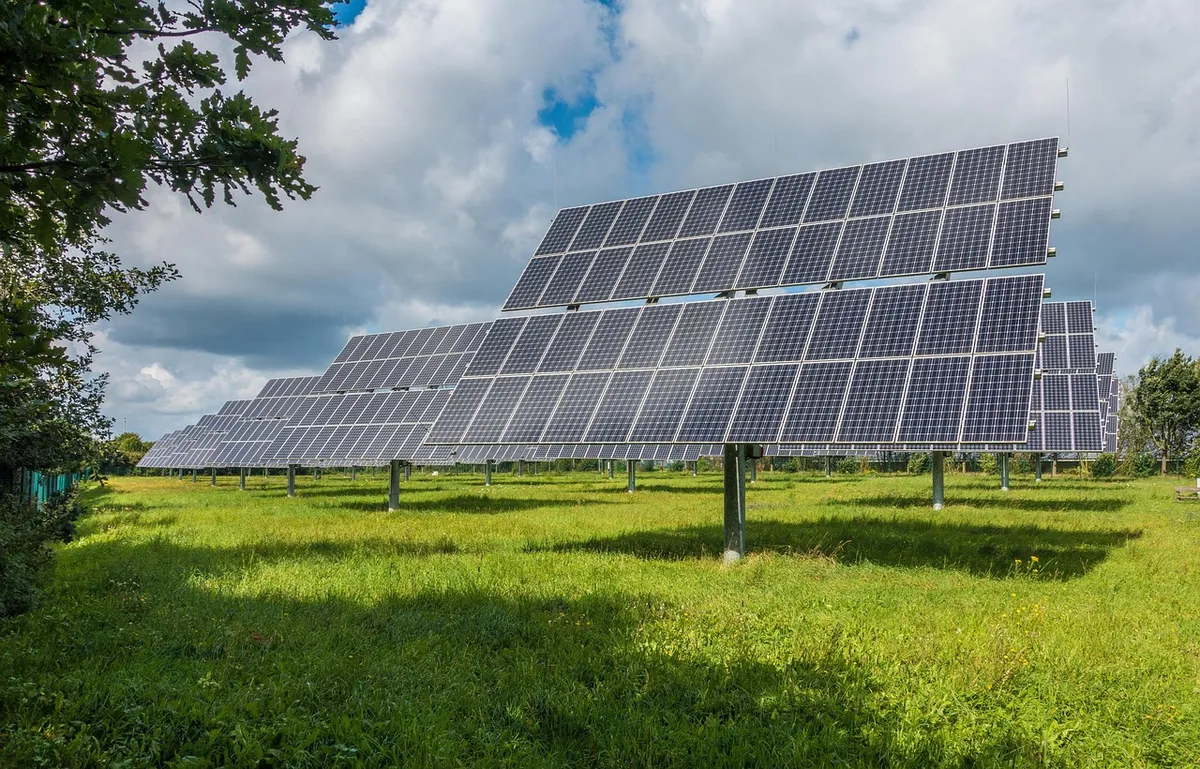
Zero carbon island power projects frequently face questions regarding their return on investment. Because these systems are often built in remote locations, logistics and installation costs can inflate the total project budget.
Successful projects often combine energy production with local economic development.
What are the challenges of integrating renewables on islands?
A worker inspects a thick undersea cable connecting a wind turbine to a coastal substation. The physical separation of energy sources from the main population centers creates unique logistical hurdles.
The European Marine Energy Centre in Orkney was established in 2003 to test tidal stream and wave energy devices, according to The European Marine Energy Centre.
Integrating renewables on islands involves managing limited land area and sensitive ecosystems. Large-scale solar farms or wind parks require significant space, which may conflict with local land use or tourism. This tension requires careful site selection and community engagement.
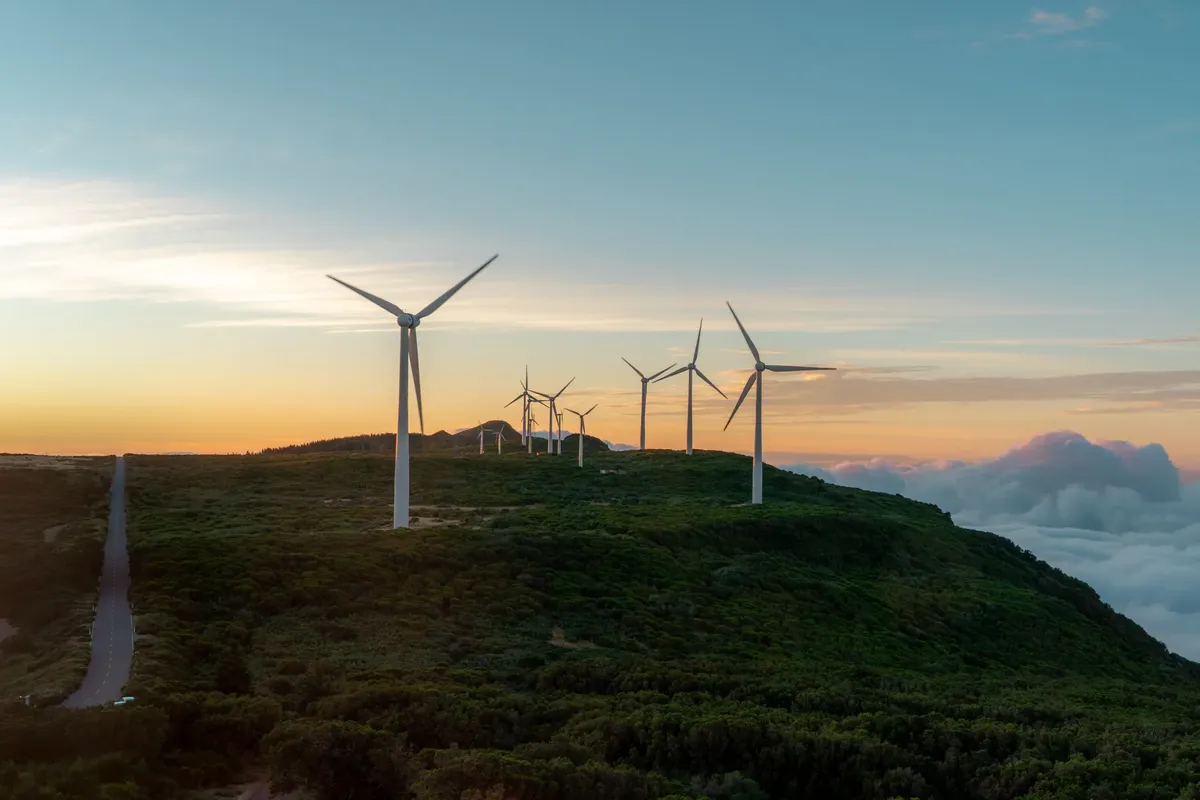
The stability of a small-scale grid is another major concern. Without the massive inertia provided by large-scale coal or gas plants, a small island grid can be prone to frequency swings. Advanced power electronics are necessary to mimic this stability and prevent sudden outages.
What are the specific targets and current status of renewable energy?
A researcher compares data tables showing the growth of renewable shares in national energy mixes. Different nations set specific milestones to guide their transition toward cleaner energy.
Looking at regional trends, Indonesia aims to get 23% and 31% of its energy from renewable sources by 2025 and 2050 respectively. These targets provide a roadmap for long-term planning and investment.
In 2020, renewables has a 11.2% share of the national energy mix, with hydro and geothermal power making up most of this. This baseline shows that while progress is being made, significant scaling is still required to meet future goals.
How do financing and investment impact energy transitions?
A group of investors meets in a bright boardroom to discuss a multi-billion dollar energy project. Securing enough capital to build a new grid is often the most difficult part of the transition.
Another issue is related to financing, as to achieve the 23% renewable energy target, it has been estimated that Indonesia needs to invest US$154 billion. This massive figure highlights the scale of the challenge for developing nations.
I remember looking at a similar budget proposal where the sheer scale of the required investment felt overwhelming to the local planning committee. The gap between current funding and future needs remains a primary obstacle to total decarbonization.
A limitation exists when evaluating these targets, as the required investment of US$154 billion is specifically tied to achieving a 23% renewable energy target.
The subject here is Island 100% renewable energy.
The same subject is also called Remote island energy solutions.
This part also covers Technical feasibility island power.
Related

Comments 0