How is the global energy landscape changing?
"The transition to a sustainable future requires a diverse mix of power sources to reach global targets."
The global shift toward renewable energy is accelerating to meet net-zero goals, with geothermal power serving as a critical baseload resource. This analysis explores the potential of geothermal energy within the context of global trends and technological capacity.
Key takeaways include the growing role of renewables in the global mix, the specific capacity of geothermal resources, and the projected demand for heat and power.
How is the global energy landscape changing?
At dusk, the researcher stares at the glowing screen while feeling the cool air of the office, watching the shifting colors of the global power map.
A researcher looks at a digital map showing the shifting proportions of power generation across different continents. The transition is visible in the rising percentages of renewable sources in national grids worldwide.
The global energy mix is undergoing a massive transformation to reduce carbon footprints.
This massive shift requires diversifying away from fossil fuels toward more consistent sources.
In recent years, the growth of these technologies has been significant. From 2011 to 2021, renewable energy grew from 20% to 28% of the global electricity supply. This momentum is expected to continue as infrastructure expands to accommodate new technologies.
The shift toward renewable sources is reshaping how nations produce and consume power.
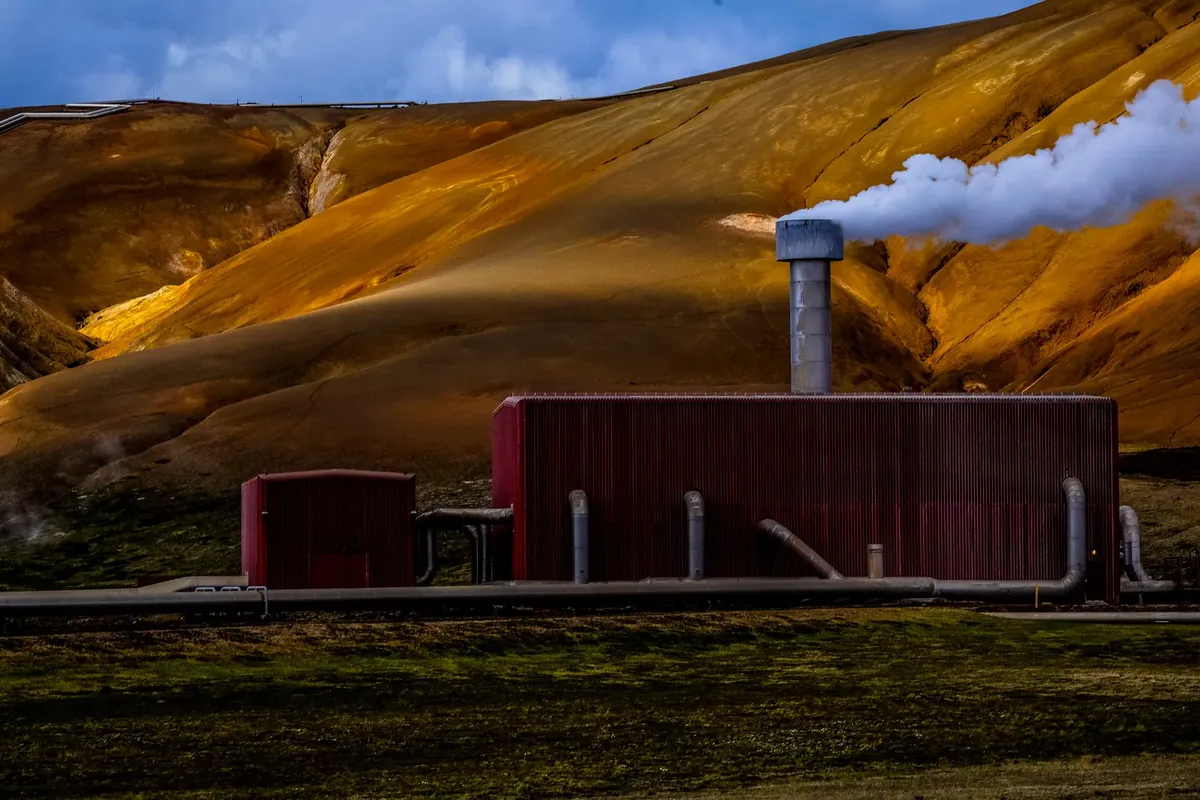
How will geothermal power shape this transition? Colombia geothermal potential An engineer examines a geothermal wellhead, noting the steady flow of steam used to drive turbines. The reliability of this source makes it a unique candidate for grid stability.
According to a technology brief from the International Renewable Energy Agency, geothermal power is a key component of the energy landscape.
Geothermal energy provides a consistent source of power that complements intermittent sources like wind and solar. Currently, geothermal contributes to 9.3% of the total global renewable energy. This contribution is vital for maintaining a steady supply of electricity.
The capacity for this technology is already established globally. As of 2019, worldwide geothermal power capacity amounted to 15.4 gigawatts (GW), of which 23.86% or 3.68 GW were in the United States. This baseline provides a foundation for future expansion in various geological regions.
Geothermal energy provides a stable, baseload power source that complements intermittent renewables like wind and solar.
According to The International Energy Agency, the 2050 record includes 90%.
Which countries are leading in geothermal use?
At noon, the traveler walks through the misty park and feels the warm ground beneath her boots while studying the global leaders in heat extraction. A traveler walks through a geothermal park in Iceland, where steam rises from the ground near walking paths. The integration of geothermal heat into daily life is evident in the local infrastructure.
Several nations have successfully integrated geothermal energy into their primary power grids. Countries generating more than 15 percent of their electricity from geothermal sources include El Salvador, Kenya, the Philippines, Iceland, New Zealand, and Costa Rica.
These regions demonstrate the practical application of volcanic and tectonic heat.
The scale of these operations varies by geography and technology. While some nations rely heavily on it, the global capacity is expected to reach 14.5–17.6 GW by 2020. This growth reflects the increasing maturity of extraction and conversion technologies.
Nations with significant volcanic or tectonic activity currently maintain the highest levels of geothermal output.
What are the environmental benefits of geothermal energy?
A scientist monitors an emission sensor near a geothermal plant, recording the low levels of carbon output. The comparison between geothermal and traditional fuels is striking.
One of the primary drivers for geothermal adoption is its relatively low environmental impact compared to fossil fuels.
The greenhouse gas emissions of geothermal electric stations are on average 45 grams of carbon dioxide per kilowatt-hour of electricity, or less than 5% of that of coal-fired plants. This makes it a cleaner alternative for baseload power.
As the world seeks to mitigate climate change, these low-emission profiles become increasingly valuable. The ability to provide power with minimal atmospheric impact supports the broader goal of decarbonization.
This energy source offers a low-carbon footprint and requires a relatively small land area compared to other power plants.
What is the future potential for geothermal demand?
An urban planner reviews a long-term energy roadmap, looking at the projected needs for the next several decades. The scale of potential demand is vast.
The long-term outlook for geothermal energy suggests it can play a significant role in meeting global needs. As a source of renewable energy for both power and heating, geothermal has the potential to meet 3 to 5% of global demand by 2050.
This dual capability for electricity and direct heating is a unique advantage.
Looking even further ahead, the possibilities expand with technological advancement. With economic incentives, it is estimated that by 2100 it will be possible to meet 10% of global demand with geothermal power.
My review of these projections shows how critical early development will be for long-term stability.
As technology advances, the ability to tap into deeper heat reservoirs will likely expand the global capacity for geothermal energy.
How can geothermal projects be implemented?
A project manager reviews a site survey, marking the locations for potential drilling and heat exchangers. The process requires careful geological assessment and technical planning.
Implementing geothermal energy involves several critical stages to ensure sustainability and efficiency:
- Site assessment and geological mapping to identify high-heat areas. 2. Drilling and well construction to access underground thermal reservoirs. 3. Installation of power plants or heat exchange systems to convert heat to energy.
A final check of the geological stability and resource longevity is necessary before full-scale commercial operation begins. This ensures the project remains viable for decades.
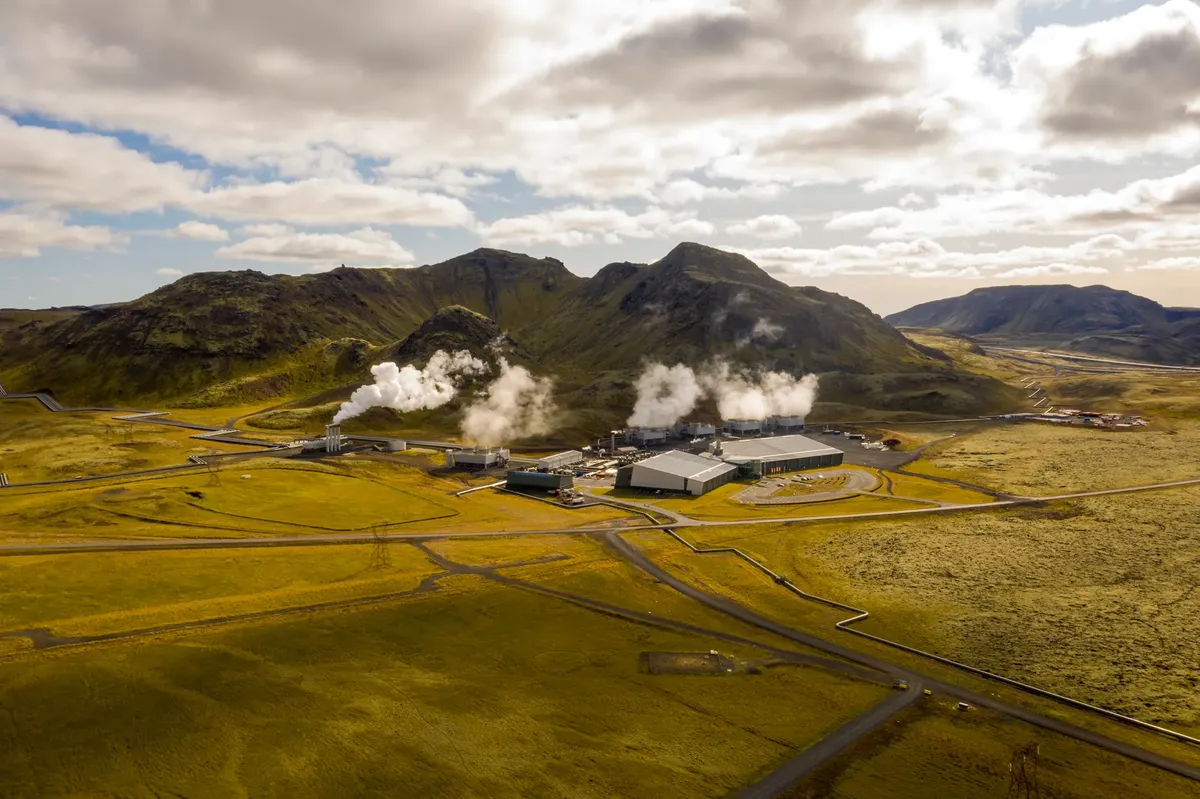
One limitation is that geothermal potential is strictly tied to specific geological conditions, meaning it cannot be deployed in every location.
- Identify suitable geological sites with high thermal gradients.
- Conduct subsurface exploration and drilling to access heat.
- Construct power plants to convert steam or hot water into electricity.
- In this sequence, the second step is the most intensive.
According to The International Energy Agency, The International Energy Agency estimates that to achieve net zero emissions by 2050, 90% of global electricity will need to be generated by renewables.
According to Energy Information Administration, According to data from the US Energy Information Administration, renewable energy accounted for 17.8% of total primary energy production and 22.7% of total utility-scale electricity generation in the United States in 2024, up from 8.4% and 21% in 2022.
Related



Comments 0