Solar wafer production history: Tips for energy capture
"The sun has always provided energy, but the journey to capture it efficiently has required a century of material science breakthroughs and massive industrial scaling."
The global solar industry has transitioned from experimental laboratory setups to a dominant force in renewable energy through rapid manufacturing advancements. This evolution involves moving from low-efficiency selenium cells to high-capacity silicon wafers and advanced multi-junction technologies.
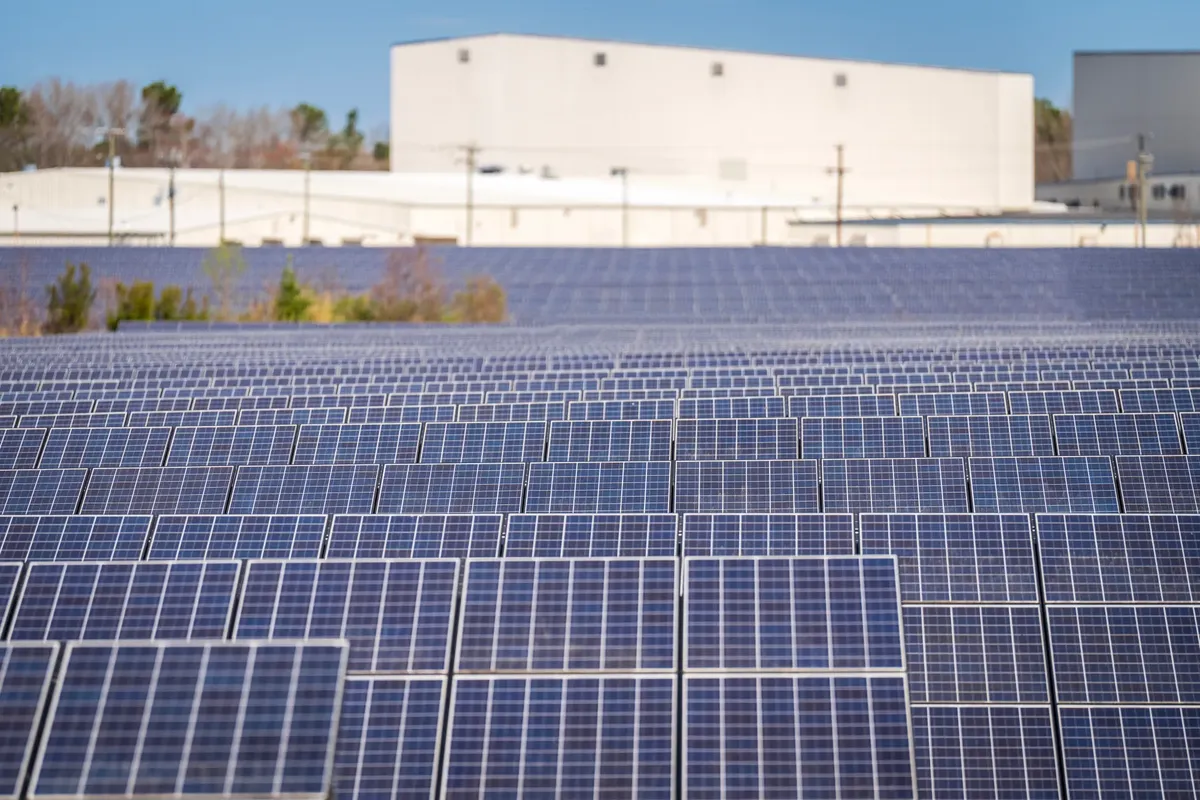
Key takeaways include the dramatic drop in per-watt costs, the shift toward larger cell sizes, and the massive scaling required to meet global climate targets.
How has solar wafer production history changed over time?
A researcher in a lab holds a small, thin wafer, noting how much larger they have become compared to early models. Early solid-state photovoltaic cells, such as those built by Charles Fritts in 1883, used selenium coated with gold and achieved only about 1% efficiency.
The industry has seen a massive shift in cell dimensions to capture more light. Panels in the 1990s and early 2000s generally used 125 mm wafers. Since 2008, almost all new panels use greater than 156mm cells, and by 2020, even larger 182mm 'M10' cells became common.
This shift in size reflects the industry's push for higher energy density.
The transition from small-scale experiments to large-format wafers allowed for greater energy capture per unit. As manufacturing scaled, the industry moved away from specialized small-diameter cells toward standardized, larger formats.
This change was essential for the mass-market adoption seen in recent decades.
What driven the PV manufacturing evolution?
An engineer adjusts a high-precision machine, watching as a silicon wafer is processed with incredible speed. The primary driver has been the combination of material science breakthroughs and massive economies of scale.
One major factor was the discovery of new materials. In 2014, researchers at the California NanoSystems Institute discovered using kesterite and perovskite improved electric power conversion efficiency for solar cells.
These advancements provided the technical foundation for more efficient energy harvesting.
Another factor was the massive expansion of production capacity. For example, China increased its solar panel production market share from 8% in 2008 to over 55% in the last quarter of 2010. This rapid scaling helped drive down costs globally.
How did the solar industry growth path impact global costs?
A technician monitors a digital readout showing a declining cost-per-watt graph. The industry witnessed a dramatic reduction in prices as production volumes surged.
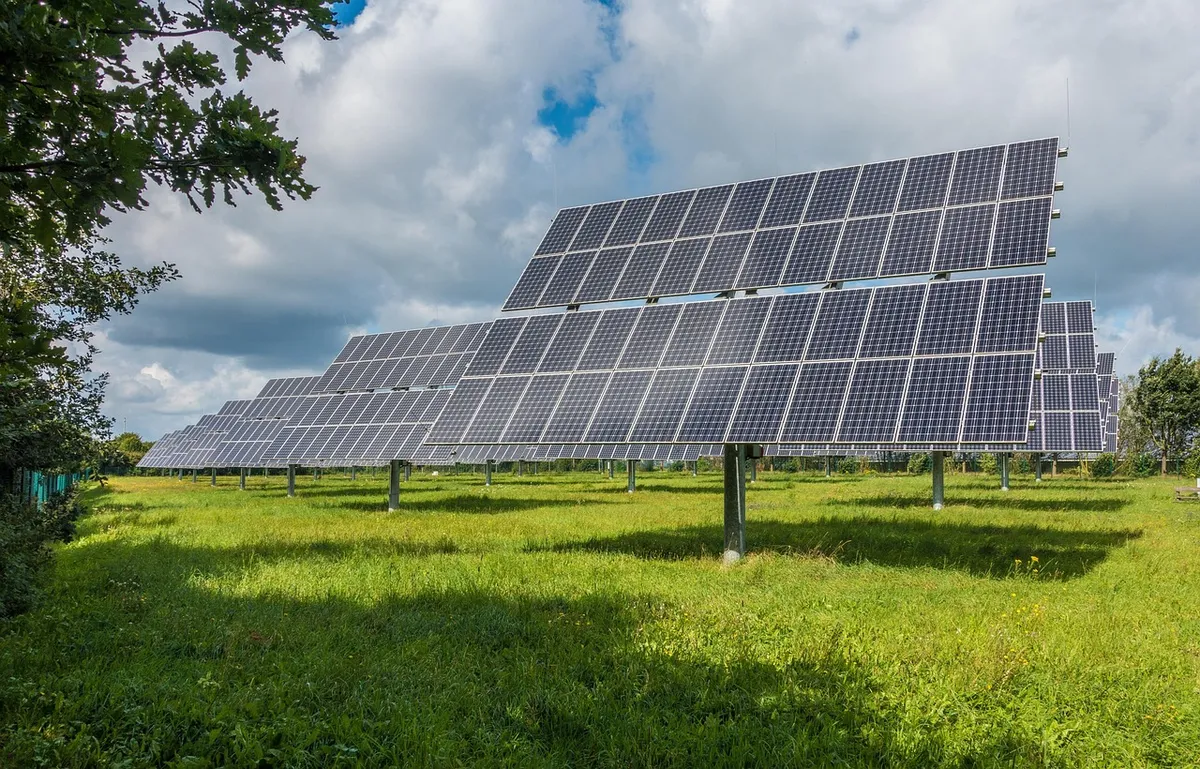
Process improvements and a very large boost in production brought costs down significantly. The figure fell to 30¢ per watt in 2018 and as low as 20¢ per watt in 2020. This represents a more than 99% reduction from earlier, much higher price points.
The cost-cutting was also driven by the sheer volume of electricity generated. Costs of solar photovoltaic electricity fell by approximately 85% between 2010 and 2021. This period saw solar and wind grow from a tiny fraction of global electricity to a significant 8.7% share.
What are the key energy tech wafer history milestones?
A scientist examines a specialized four-junction cell under a bright light. The history of the industry is marked by specific records in efficiency and material application.
One notable milestone occurred in 2 ability to concentrate sunlight.
In 2022, researchers at the Fraunhofer Institute for Solar Energy Systems ISE in Freiburg, Germany, demonstrated a record solar cell efficiency of 47.6% under 665-fold sunlight concentration with a four-junction concentrator solar cell.
The industry also relies heavily on a specific material standard. Almost all commercial PV cells consist of crystalline silicon, which maintains a market share of 95%. This standardization allowed for the mass production seen today.
How do we manage renewable power scale up requirements?
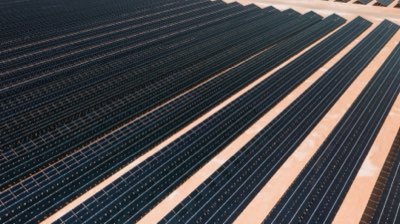
A project manager looks over a blueprint for a massive solar farm stretching toward the horizon. Meeting global energy and climate targets necessitates a major expansion in solar PV manufacturing.
According to The International Renewable Energy Agency, the amount of solar panel electronic waste generated in 2016 was estimated to be between 43,500 and 250,000 metric tons.
According to the IEA's "Roadmap to Net Zero Emissions by 2050," the industry aims for over 630 GW of capacity by 2030. This scale-up requires continuous improvements in manufacturing speed and material reliability.
The IEA's 2022 Special Report highlights China's dominance over the solar PV supply chain, with an investment exceeding US$50 billion and the creation of around 300,000 jobs since 2011. This dominance has played a central role in the global ability to scale.
What are the limitations of current manufacturing?
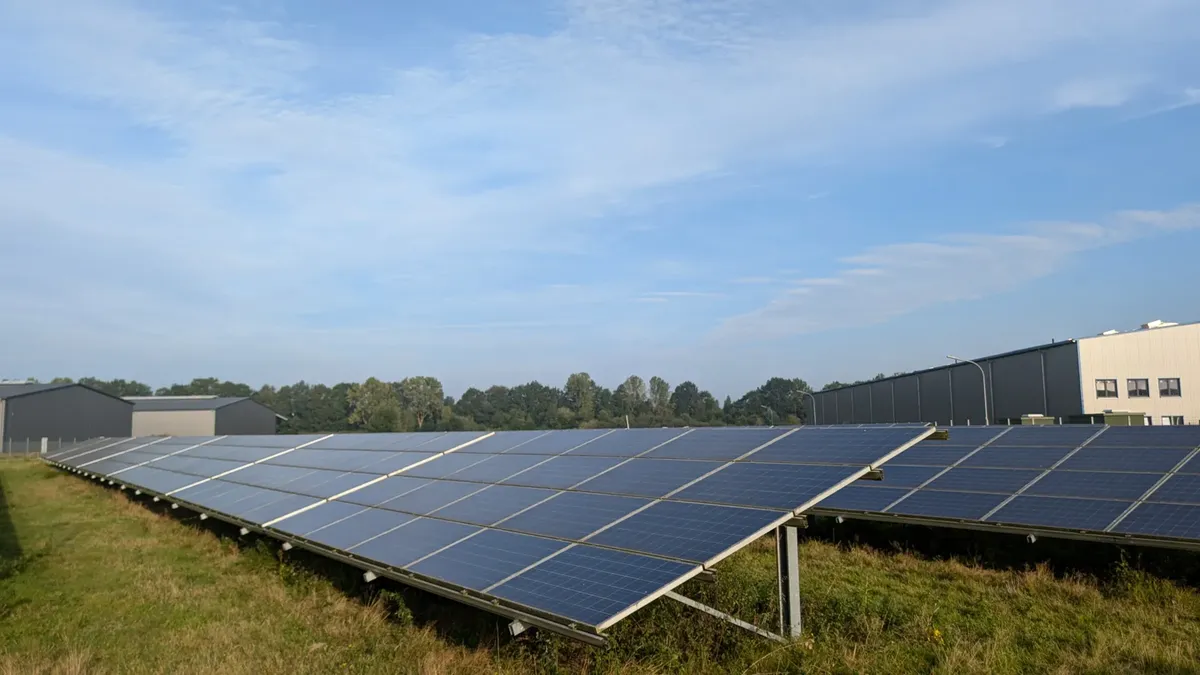
A worker carefully sorts through used panels, noting the bulk of the electronic waste. While production has scaled, environmental management remains a challenge.
One limitation involves the management of end-of-life products. The International Renewable Energy Agency estimated that the amount of solar panel electronic waste generated in 2016 was 43,500–250,000 metric tons.
Managing this waste is a growing concern as older installations reach their end-of-life.
| Year | Cost per Watt |
|---|---|
| 2018 | 30¢ |
| 2020 | 20¢ |
I observed that the shift toward larger M10 cells was a significant turning point in my research into modern manufacturing.
This part also covers From wafer to factory scale.
Related
- Energy transition social barriers: How to guide clean power
- Croatia renewable energy plan: How to reach 80% share
What conditions necessitate the industry's continuous evolution? 1. The need to meet global climate targets drives the requirement for massive scaling of solar PV manufacturing. 2. The inherent limitations of early materials, such as the low efficiency of initial selenium cells, mandated material science breakthroughs. 3. Environmental concerns, specifically the volume of end-of-life solar panel waste, impose a condition for better lifecycle management.
The sun has always provided energy, but the journey to capture it efficiently requires overcoming these operational and material hurdles. The industry's shift toward larger cell sizes directly addresses the need for greater energy density in installations.
This evolution ensures that the energy captured can meet the growing demands of a global economy.
How does standardization affect mass adoption? Standardization, particularly the reliance on crystalline silicon for almost all commercial PV cells, facilitated the mass production seen in recent decades. This consistency allowed manufacturers to streamline processes, which in turn contributed to the dramatic drop in per-watt costs. The move toward standardized, larger formats replaced the reliance on specialized small-diameter cells.
The comparison between early 1% efficiency cells and modern high-capacity silicon wafers illustrates the success of this standardization. This uniformity enabled the massive economies of scale that were crucial for driving down the cost-per-watt figure significantly.






Comments 0