Renewable energy economic value: Guide to energy transition
"The development of affordable, inexhaustible, and clean solar energy technologies will have huge longer-term benefits."
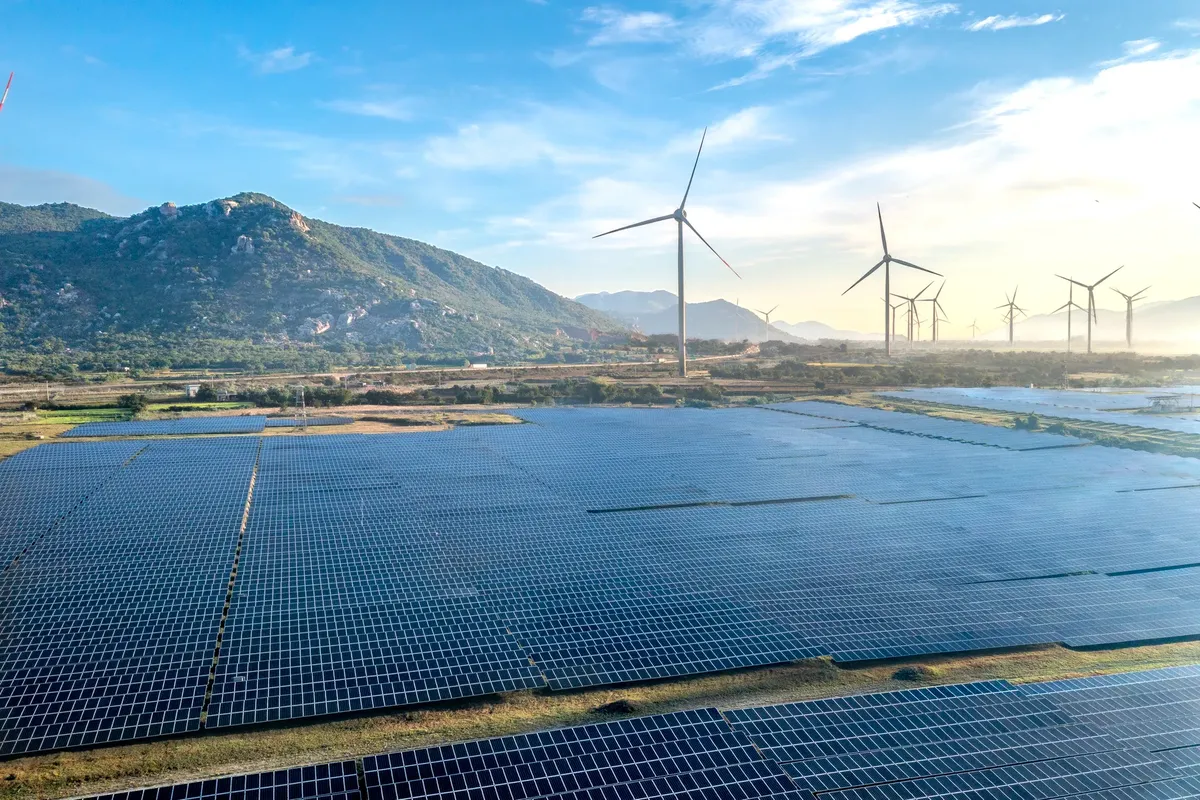
The renewable energy economic value lies in its ability to meet rising global electricity demands through increasingly efficient and cost-effective systems.
Transitioning to these technologies involves navigating shifting policy targets, regional production changes, and long-term infrastructure investments. This guide explores current production data, regional policy shifts, and the projected scale of the energy transition.
How do global targets shape renewable energy economic value?

At the heavy wooden desk, the policymaker sighs while tracing the lines of a directive that defines renewable economic value.
A policymaker reviews a thick folder of energy directives at a wooden desk. The shift toward sustainable power economics is driven by ambitious international targets designed to mitigate climate change.
According to the International Energy Agency, achieving net zero emissions by 2050 will require 90% of global electricity to be generated by renewables. This massive shift implies a fundamental restructuring of how capital is allocated toward energy production.
The scale of this transition suggests that renewable energy economic value will increasingly depend on meeting these high-level global benchmarks.
What are the current trends in renewable energy production?
The analyst rubs tired eyes in the dim office as the digital screen flickers with rising renewable production trends.
An analyst tracks rising data points on a digital screen. The energy transition value is becoming clearer as utility-scale projects expand across various regions.
In the United States, renewable energy accounted for 17.8% of total primary energy production and 22.7% of total utility-scale electricity generation in 2024. This represents a notable increase from 2022, when those figures were 8.4% and 21%, respectively.
These shifts indicate a growing momentum in replacing old energy systems with cleaner alternatives.
According to The International Energy Agency, the 2050 record includes 90%.
How do regional policies drive energy transition value?
A legislator signs a document in a bright European office. Different regions utilize specific mandates to accelerate their green energy cost analysis.

In the European Union, the 2023 revision of the Renewable Energy Directive raised the binding renewable energy target for 2030 to at least 42.5%, up from the previous 32% target. This policy shift forces a rapid reallocation of resources toward renewable systems.
Such mandates ensure that the energy transition value remains a central pillar of regional economic planning.
What is the projected scale of renewable system efficiency?
An engineer inspects a blueprint for a large-scale power plant. Evaluating the cost benefit of green power requires looking at both current output and future projections.
The Energy Information Administration projected that renewable energy sources would supply 44% of U.S. electricity. This projection highlights the expected dominance of these technologies in the future energy mix.
As these systems grow, the renewable system efficiency will likely improve through continuous technological refinement.
How can we assess the energy transition value through specific technologies?
A technician adjusts a solar panel under the bright morning sun. Different energy sources offer varying levels of output and scalability.
| Energy Type | Notable Characteristic |
|---|---|
| Solar Energy | Provides affordable and inexhaustible benefits |
| Biomass Energy | Capable of producing the largest energy output |
I observed that comparing these specific outputs helps determine which technologies will lead the market. While solar energy offers long-term benefits, a study by the Process Systems Engineering Center found that biomass energy is able to produce the largest amount of energy output.
What are the limitations of evaluating renewable energy economic value?
A researcher notes a specific condition in a lab journal. Evaluating these economic shifts requires understanding the specific context of each data point.
A limitation in assessing these trends is that specific energy output findings, such as those regarding biomass, are based on specific testing conditions.
For instance, a study done by the Process Systems Engineering Center found that biomass energy was able to produce the largest amount of energy output during their specific testing.
- How do global targets shape renewable energy economic value?
- What are the current trends in renewable energy production?
- How do regional policies drive energy transition value?
This part also covers Future energy market value.
Replacing old energy systems
Related
- France energy independence policy: Guide to grid stability
- Cross-border energy grid risks: 50 km Tips for grid strategy
How does the development of solar energy compare to biomass?
The development of solar energy provides affordable and inexhaustible benefits, whereas biomass energy is capable of producing the largest energy output. Comparing these two technologies requires evaluating the specific output findings from the Process Systems Engineering Center.
While solar energy offers long-term benefits, the study found that biomass energy was able to produce the largest amount of energy output during their specific testing conditions.
What conditions affect the assessment of energy output?
Specific testing conditions must be considered when evaluating the energy transition value. A limitation in assessing these trends is that findings, such as the biomass output, are based on the specific context of the testing.
This caution is necessary because the results regarding the largest energy output were tied to the specific testing conducted by the Process Systems engineering Center.






Comments 0