France energy independence policy: Guide to grid stability
"Energy independence is not merely about securing fuel, but about managing the long-term stability of the grid through diverse technological choices."
The pursuit of energy independence requires a strategic balance between existing nuclear infrastructure and the expansion of renewable sources.
This analysis explores how nations navigate these technologies to ensure long-term security, focusing on the complexities of grid stability, waste management, and international cooperation.
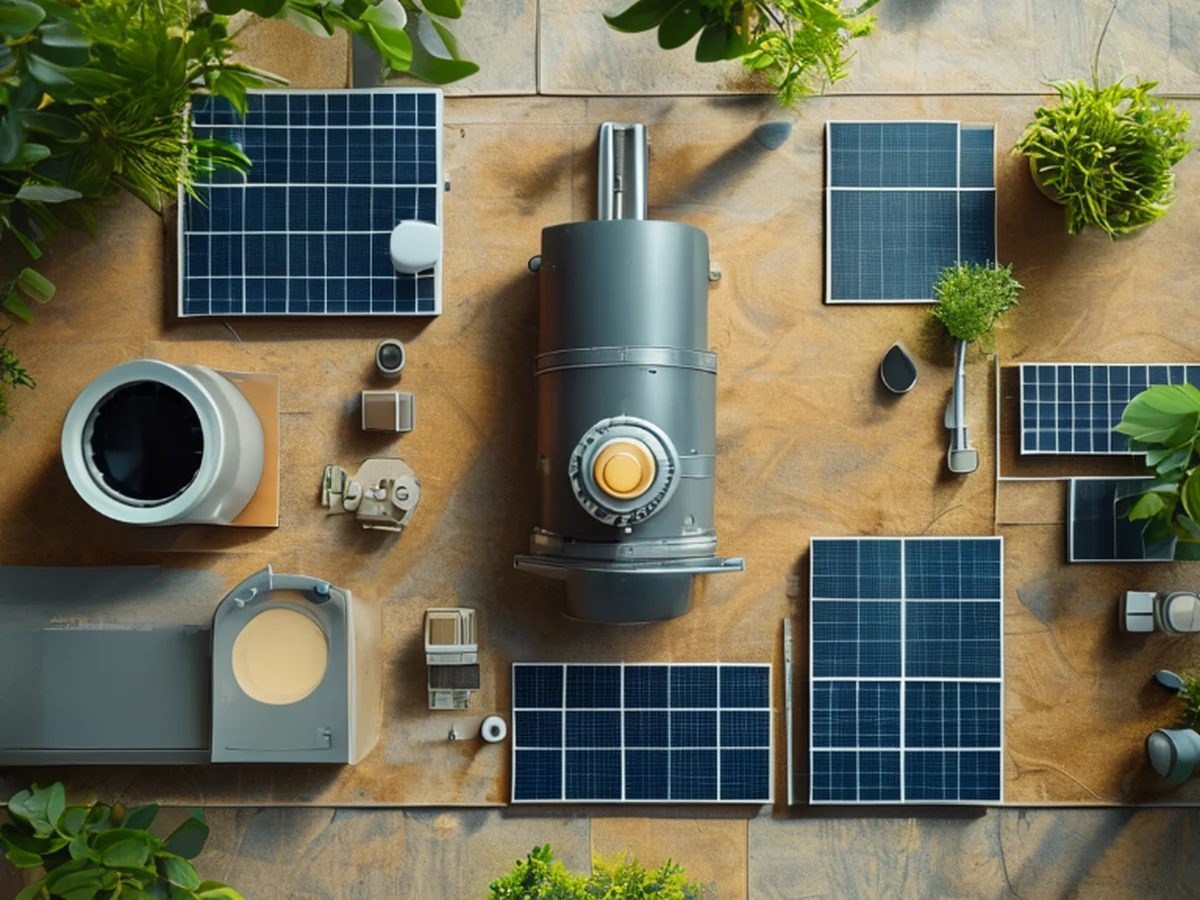
Key takeaways: * National energy policies often involve long-term agreements with international partners to secure technological expertise. * Historical precedents in waste management and plant shutdowns highlight the necessity of rigorous safety and environmental protocols.
* Future energy security depends on the successful integration of new reactor technologies and the training of specialized personnel.
How do nations secure long-term energy independence?
At dusk in a quiet office, a diplomat grips a cold pen while tracing the lines of a treaty meant to secure energy for france.
A diplomat sits in a quiet office, reviewing a signed memorandum that outlines decades of cooperative energy development. Securing energy independence often begins with high-level international agreements to establish a reliable technological foundation.
According to the Wikipedia entry on nuclear energy policy by country, in 2010 the Kuwait National Nuclear Energy Committee and the Russian company Rosatom signed a memorandum of understanding on the use of nuclear energy.
Such agreements serve as a starting point for nations looking to build domestic capacity through foreign partnership.
The pursuit of energy independence in France is often discussed in the context of these long-term strategic frameworks. While the specific focus remains on domestic stability, the global movement toward energy security influences these local decisions.
- Diversify domestic resource extraction.
- Invest in localized renewable infrastructure.
- Develop strategic energy reserves.
What are the historical challenges in managing nuclear energy?
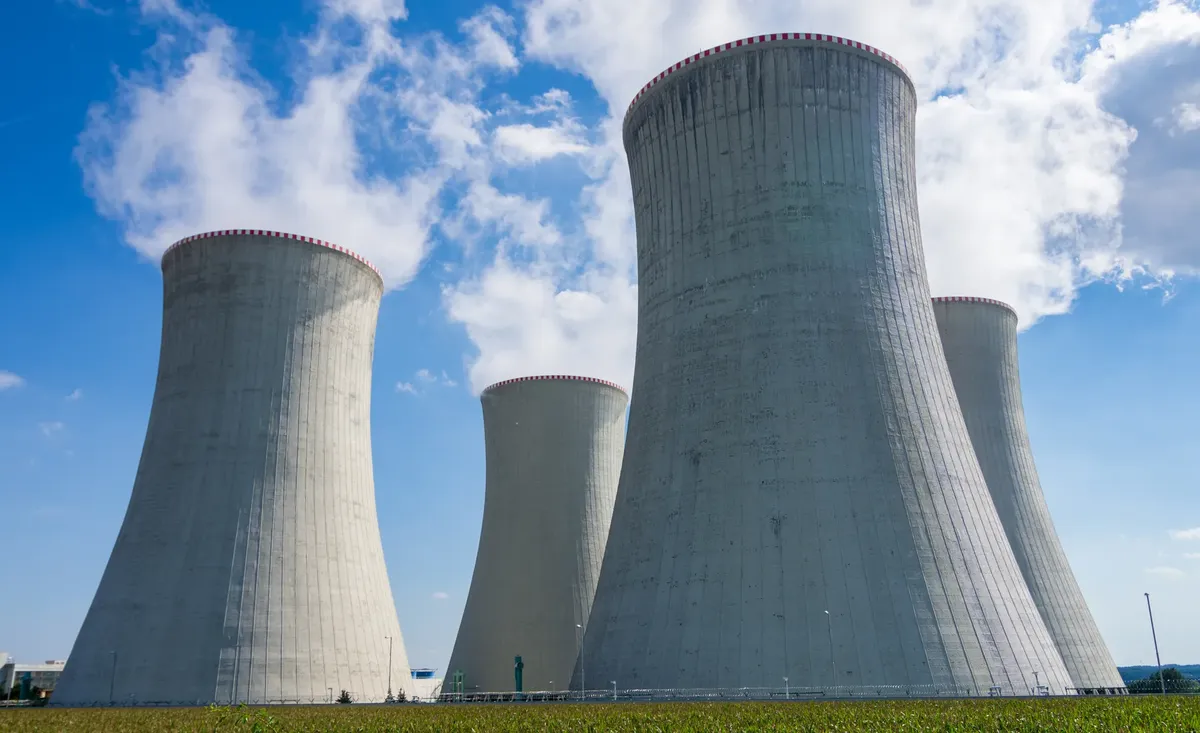
An engineer looks over old blueprints, remembering the era when waste was moved across borders to ensure environmental compliance. Managing the lifecycle of nuclear fuel remains one of the most significant hurdles in maintaining a stable energy policy.
Prior to 1994, Finnish companies exported their nuclear waste to the Soviet Union. This historical movement of materials illustrates the complexities of managing hazardous byproducts in a changing geopolitical landscape.
The debate over nuclear vs renewables France often centers on these historical management issues. Ensuring that current energy solutions do not create future environmental liabilities is a primary concern for policymakers.
In this sequence, the second step is the most extensive.
How do natural disasters impact energy security?
A technician stands before a silent control panel, reflecting on the period when the plant was forced into a long-term shutdown. Sudden geological events can disrupt even the most stable energy plans, requiring immediate and long-term responses.
The Kashiwazaki-Kariwa Nuclear Power Plant was completely shut down for 21 months following an earthquake in 2007. Such an extended period of inactivity forces nations to rapidly adjust their energy mix to prevent shortages.
These disruptions contribute to the ongoing energy security France plan, as leaders must account for the vulnerability of centralized power sources. A sudden loss of generation requires immediate backup from other sectors.
What role does technological training play in energy policy?
A professor stands in a modern laboratory, preparing to train the next generation of scientists in a specialized nuclear technology center. Building a sustainable energy future requires not just hardware, but a highly skilled workforce capable of managing complex systems.
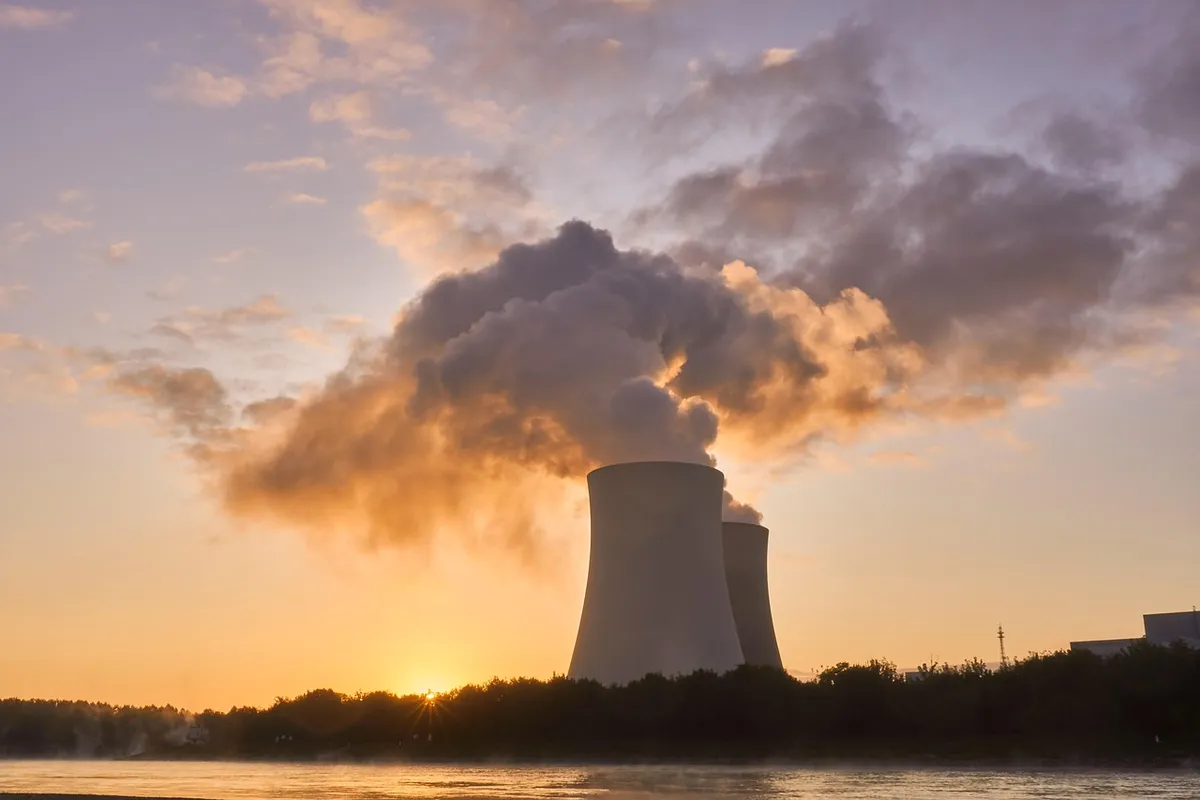
A research reactor can serve as a focal point for a Nuclear Technology Centre, which will train upcoming generations of nuclear engineers and scientists in the Kingdom in addition to providing irradiation services for the industrial, agricultural, and medical sectors.
This type of investment ensures that the human element of energy security is as robust as the physical infrastructure.
This focus on human capital is a key part of the French energy mix debate. Without a steady pipeline of experts, the transition to new energy technologies becomes much harder to manage.
How is nuclear energy integrated into national electricity plans?
A planner marks a map, identifying potential sites for new reactors that could provide a significant percentage of the nation's electricity. Integrating nuclear power into a national grid involves long-term planning for both capacity and reliability.
In June 2010, Vietnam announced that it plans to build fourteen reactors at eight locations by 2030, providing 10% of the nation's electricity. This type of large-scale planning demonstrates how nations attempt to diversify their energy portfolios to meet growing demand.
Such strategic planning is essential for the energy transition France case, where the goal is to balance existing loads with future needs. The scale of these projects dictates the pace of national energy development.
Can energy independence be achieved through diverse energy sources?
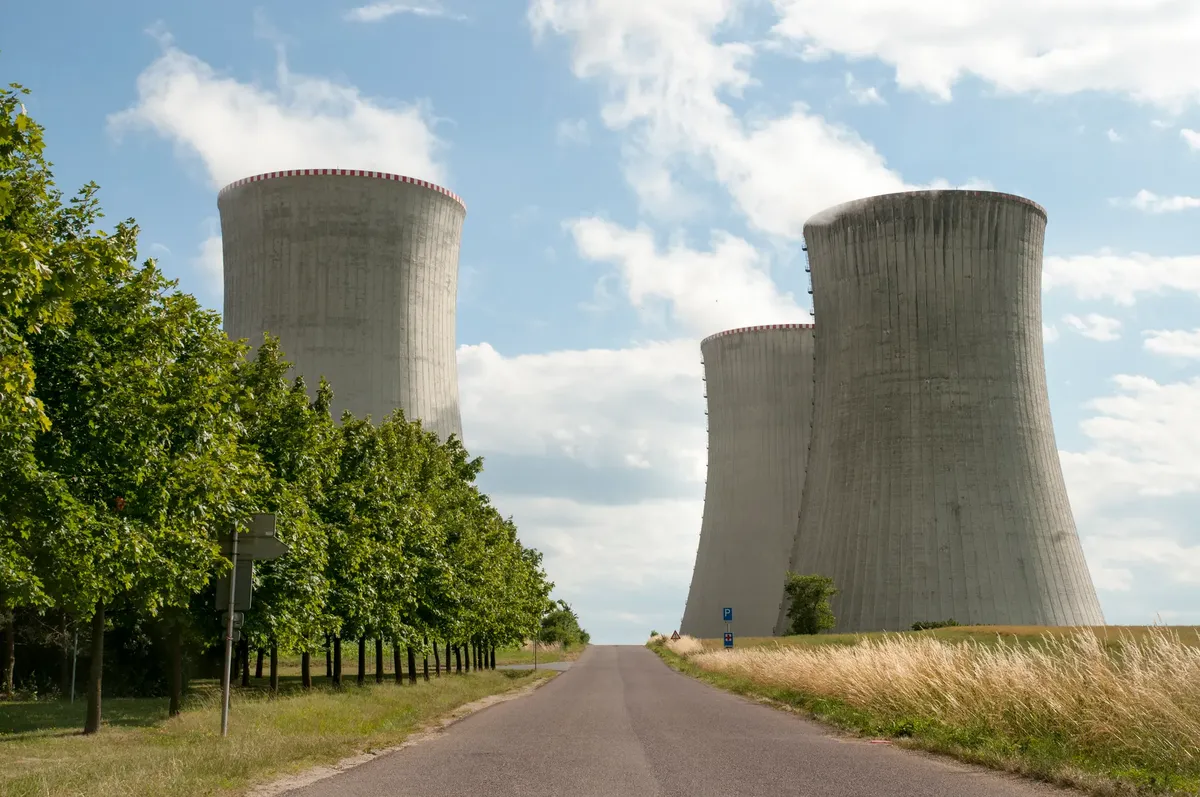
A researcher compares data from different decades, noting how the expansion of nuclear capacity has shaped the energy landscape of various regions. Achieving independence often involves a combination of domestic resources and technological variety.
This rapid expansion shows how targeted policy can significantly alter a nation's energy profile in a relatively short time.
The comparison of nuclear vs renewables France remains a central question in determining the most effective path forward. A diversified approach is often seen as the most resilient against market and environmental fluctuations.
France energy independence policy
The subject here is France energy independence policy.
The same subject is also called Self-sufficient energy France.
This part also covers Role of nuclear in France.
This part also covers Renewable energy policy France.
Related
Comments 0