What 50 billion are the current technological limitations?
"The sun provides an inexhaustible source of energy, yet capturing its power efficiently remains a central challenge of modern engineering."
Modern solar power technology is rapidly advancing through higher efficiency cells and massive manufacturing expansions to meet global energy targets.
Key takeaways include record-breaking efficiency benchmarks, the dominance of specific supply chains, and the necessity of scaling production to meet a 630 GW goal by 2030.
How is solar power modern tech evolving?
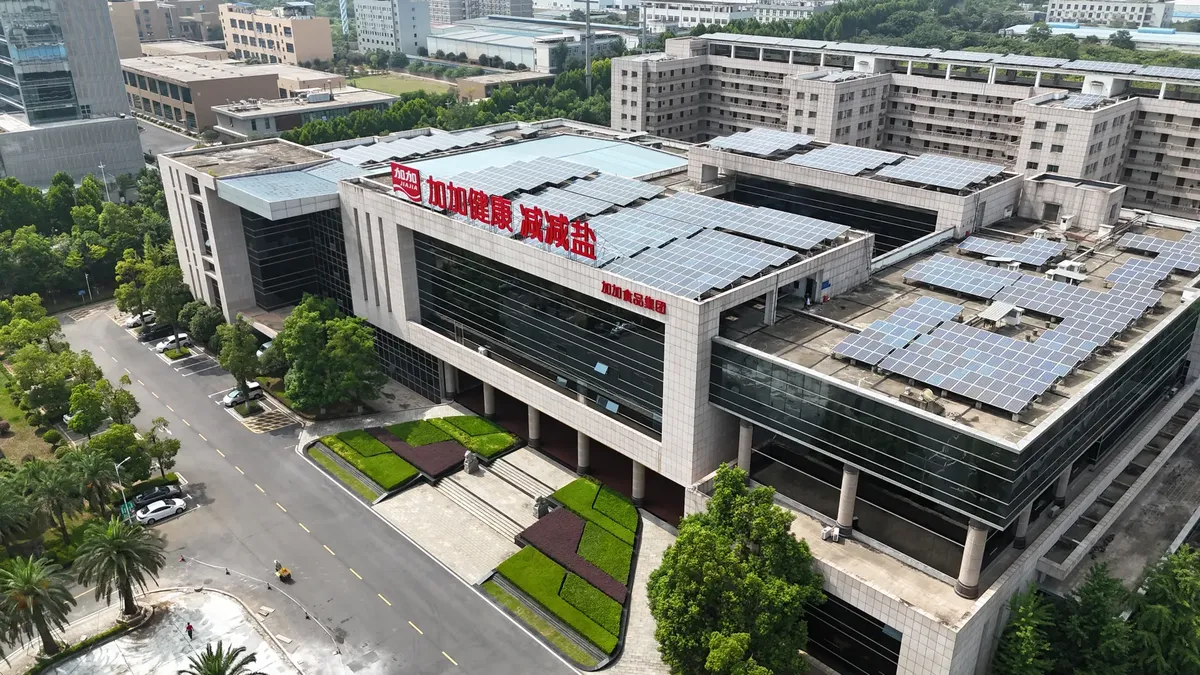
A researcher adjusts a specialized lens to focus sunlight onto a miniature cell in a high-tech laboratory. This pursuit of efficiency drives the development of new materials and advanced light-concentration methods.
The pursuit of higher energy capture has led to groundbreaking laboratory results.
According to the Fraunhofer Institute for Solar Energy Systems ISE in 2022, researchers demonstrated a record solar cell efficiency of 47.6% using a four-junction concentrator solar cell under 665-fold sunlight concentration.
This level of efficiency shows the potential of multi-junction designs to capture a broader spectrum of light.
Beyond concentration, material science plays a vital role in solar energy future tech. In 2014, researchers at the California NanoSystems Institute discovered that using kesterite and perovskite could improve electric power conversion efficiency for solar cells.
These materials offer promising alternatives to traditional silicon-based setups.
What drives the solar PV supply chain? Solar power modern tech trends
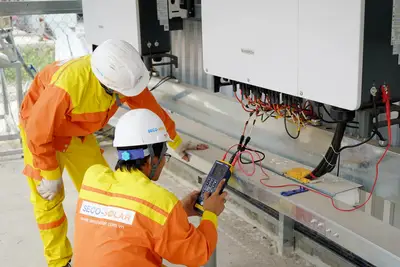
A technician inspects a shipment of silicon wafers arriving at a massive manufacturing facility. Understanding the global movement of components is essential to tracking how energy reaches the grid.
The global market is shaped by significant capital and labor investments. The IEA's 2022 Special Report highlights China's dominance over the solar PV supply chain, with an investment exceeding US$50 billion and the creation of around 300,000 jobs since 2011.
This concentration of resources allows for rapid scaling of production.
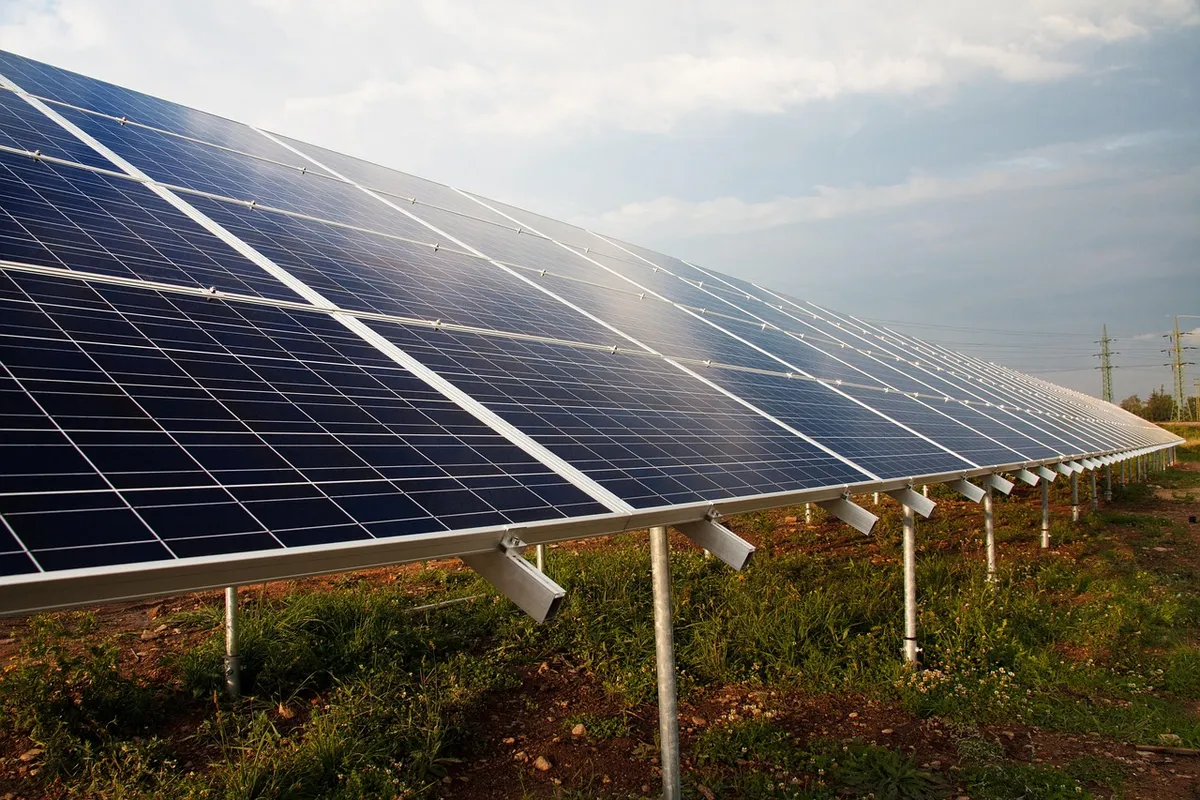
This scale is necessary for PV system advancements. Meeting global energy and climate targets necessitates a major expansion in solar PV manufacturing, aiming for over 630 GW by 2030 according to the IEA's "Roadmap to Net Zero Emissions by 2050".
As production capacity grows, the cost of hardware continues to fluctuate based on global supply.
How do concentrator technologies work?
An engineer calibrates a tracking mount that follows the sun across a desert landscape. Concentrating sunlight allows for much higher energy density than standard panels.
Concentrating photovoltaics (CPV) use lenses or mirrors to focus large areas of sunlight onto small, highly efficient cells. The Australian Renewable Energy Agency (ARENA) extended its support in 2017 for further commercialization of the HCPV technology developed by Raygen.
Such technologies aim to maximize the energy harvested per unit of semiconductor material.
While these systems are powerful, they require precise tracking to maintain focus. This technical complexity is a trade-off for the high efficiency levels achieved in concentrated environments. The renewable power direction remains focused on balancing these efficiency gains with installation costs.
What are the current technological limitations?
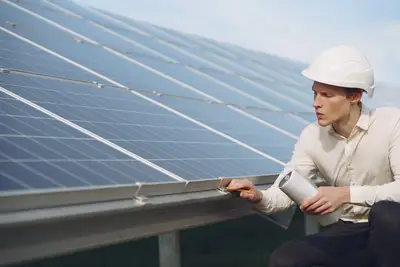
A technician reviews a report on a tablet while standing next to a large array of solar panels. Every technology faces physical and environmental constraints that limit its deployment.
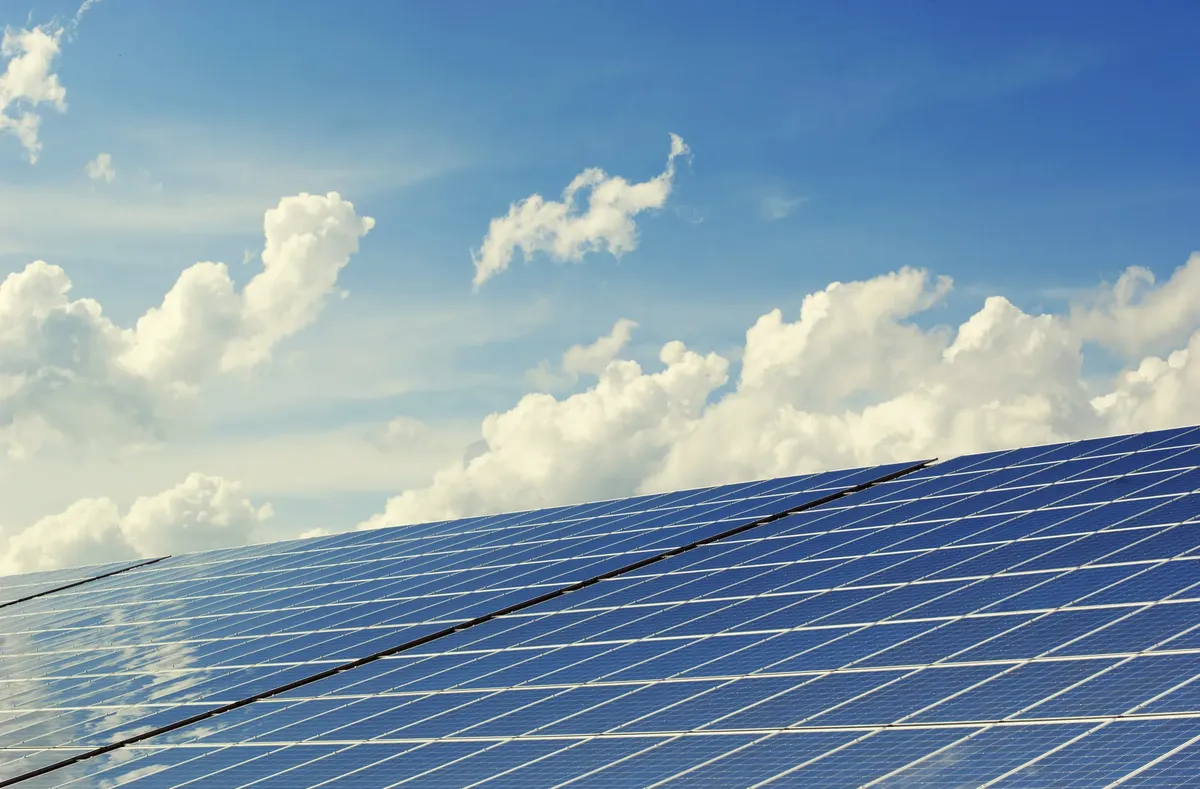
The predominant PV technology is crystalline silicon, while thin-film solar cell technology accounts for about 10 percent of global photovoltaic deployment. While silicon is reliable, it lacks the extreme efficiency of specialized multi-junction cells.
This creates a gap between laboratory records and mass-market reality.
A significant limitation is the environmental impact of the lifecycle. The International Renewable Energy Agency estimated that the amount of solar panel electronic waste generated in 2016 was 43,500–250,000 metric tons.
Managing this waste is a growing concern as older panels reach the end of their service life.
How can we scale solar energy future tech?
An operator monitors a digital dashboard showing real-time energy production from a vast field. Scaling requires both manufacturing growth and grid-level integration.
To move toward a sustainable future, the industry must follow specific development paths:
- Expand manufacturing capacity to meet the rising demand for renewable energy. 2. Integrate advanced materials like perovskite into commercial-grade production. 3. Develop efficient concentrator systems to maximize output in sunny regions.
I observed how these scaling efforts require massive infrastructure shifts to handle intermittent power. Grid integration solar must become more robust to manage the variable nature of sunlight.
How does solar capacity compare to other sources?
A technician compares the output of a solar array to a traditional power plant on a digital monitor. Comparing different energy forms helps clarify the role of solar in the total energy mix.
| Feature | Crystalline Silicon | Thin-Film Technology |
|---|---|---|
| Market Position | Predominant technology | Approximately 10 percent of deployment |
| Primary Use | Primary global deployment | Specialized applications |
I find that understanding these differences is key to evaluating the current energy landscape. The transition involves moving from fossil-fuel reliance to these diversifying technologies.
- How is solar power modern tech evolving?
- What drives the solar PV supply chain?
- How do concentrator technologies work?
The subject here is Solar power modern tech trends.
This part also covers Energy storage solar grid.
This part also covers Smart grid solar power.
This part also covers Solar market evolution.
Energy storage solar grid
Related




Comments 0