Optimizing Solar Power Generation: Profitability and Technical Standards for Residential Solar Panel Systems Nationwide in 2024.
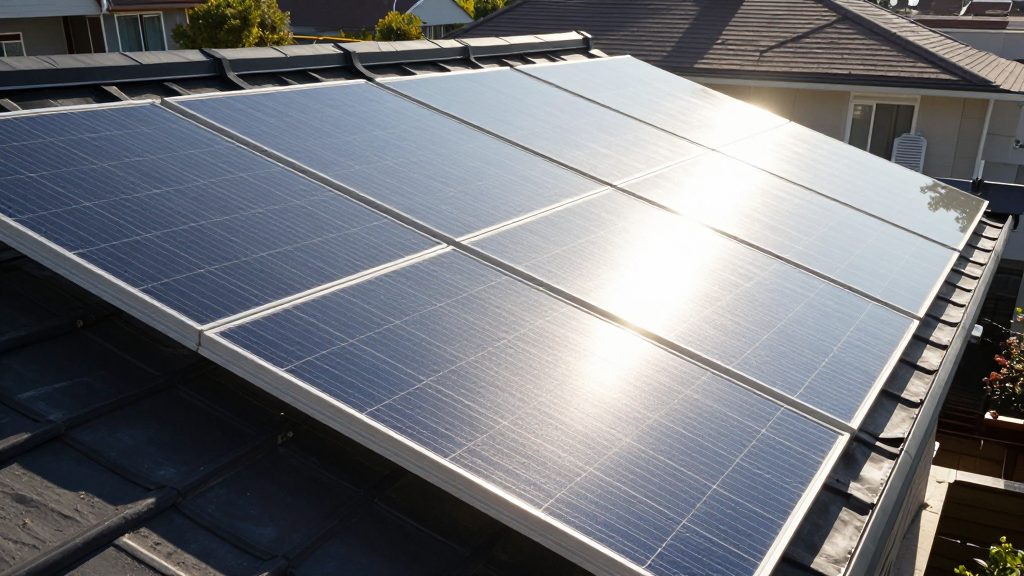
In 2024, installing residential solar panels has become a highly profitable system due to significant annual electricity bill savings (averaging over 1.5 million KRW) and the extension of government subsidies and the Feed-in Tariff (FIT) program. The average solar power generation in Korea is 1,200-1,400 kWh per kW, and when the electricity market price is 18-20 KRW, the internal rate of return (IRR) exceeds 12%. This article provides a practical analysis of the key factors that determine the profitability of solar power systems.
What is the minimum kW requirement for a residential solar panel system to be profitable?
Installing a system of 10kW or more allows for the combination of subsidies and electricity sales revenue, making it possible to recover the initial investment within a few years. As of 2024, the Ministry of Land, Infrastructure and Transport recommends a minimum installation size of 5kW for residential solar panels, with higher sizes resulting in greater technical efficiency and subsidy rates. Specifically, systems of 10kW or more are eligible for a maximum government subsidy of 27.9 million KRW, and can achieve annual electricity sales revenue (based on an electricity price of 18 KRW) exceeding 3 million KRW.
- Profit comparison by installation size:
- - 5kW system: Annual electricity production of approximately 6,000 kWh → Profit of approximately 10.8 million KRW
- - 10kW system: Annual electricity production of approximately 12,000 kWh → Profit of approximately 21.6 million KRW
- Based on installation cost: Average of 8.5 million KRW per kW → Total installation cost for a 10kW system is approximately 85 million KRW.
What are the most important performance indicators to consider when choosing solar panels?
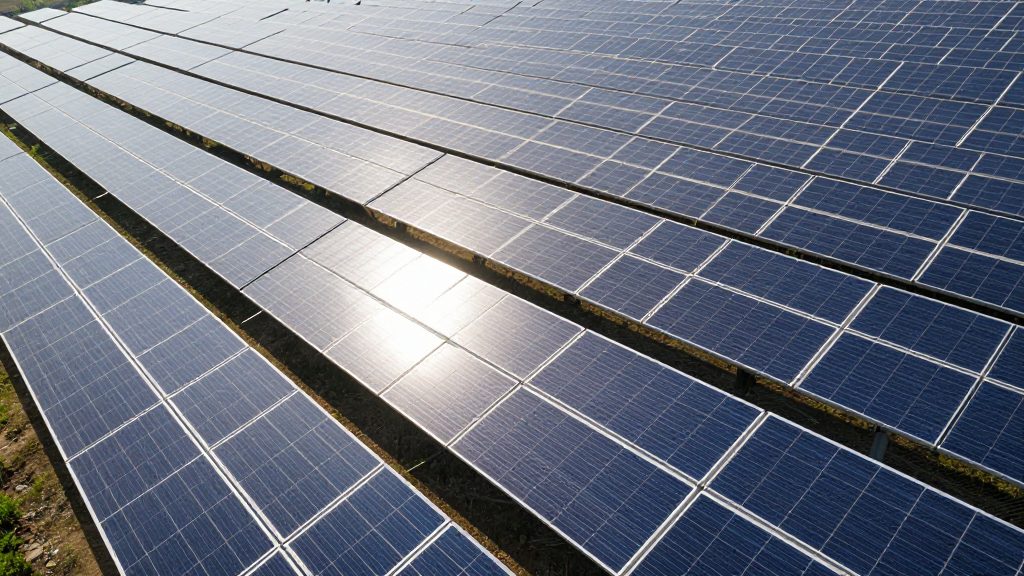
Power conversion efficiency (module efficiency) and durability (warranty period) are key. As of 2024, high-performance panels offer a conversion efficiency of 23% or higher, while lower-priced models are in the 19-20% range. For example, the Solartek 72-cell panel offers an efficiency of 23.5% and a 25-year warranty, which means 15% or more additional annual power generation compared to standard products.
- Comparison:
- - High-efficiency panel (23.5%): Approximately 1,400 kWh of annual power generation per kW
- - Low-efficiency panel (20%): Approximately 1,200 kWh of annual power generation per kW
- Durability: A warranty of at least 15 years is essential for reliable long-term operation.
How is the electricity sales revenue from a solar power system calculated?
As of 2024, the average selling price for electricity is 18.5 KRW per kWh at the Korea Power Exchange, and even after the expiration of the FIT program, government subsidies and market prices are applied in combination. Solar power systems allow you to both sell electricity and reduce your electricity bills simultaneously. For example, a 10kW system that produces 12,000 kWh annually:
- Self-consumption (60%): 7,200 kWh → Electricity bill savings of approximately 13 million KRW (based on an electricity price of 18 KRW)
- Sales revenue (40%): 4,800 kWh → Sales revenue of approximately 8.9 million KRW (at 18.5 KRW)
- Total revenue: Approximately 21.9 million KRW
*Note: Detailed calculations are based on the "Solar Power Economic Report 2024" by the Korea Energy Newspaper.
Is a battery storage system (BESS) essential?
It is necessary, but optional installation is possible depending on your budget and electricity consumption patterns. As of 2024, BESS systems typically have a capacity of 7-10 kWh, and the installation cost is approximately 25-35 million KRW. However, adding a BESS to a residential solar power system can achieve an electricity self-sufficiency rate of over 60%, and allows you to continue living even during power outages without relying on the public grid.
- Cost vs. benefit comparison:
- - Without BESS: Only 40% of daily electricity consumption can be self-consumed.
- - With BESS: Over 65% of daily electricity consumption can be self-consumed.
- Subsidy: As of 2024, the Ministry of Land is providing a maximum subsidy of 15 million KRW for BESS installation.
Frequently Asked Questions
Q: Is it possible to recover the initial investment within 5 years after installing solar panels? A: Yes, for systems of 10kW or more, it is possible to recover the initial investment within an average of 5 years by combining subsidies and return on investment. In particular, if the electricity price is 20 KRW or higher, it is realistic to recover the investment within 4 years.
Q: Is it possible to install solar panels even if the roof is not facing south? A: Yes, while a south-facing roof is optimal for solar panels, they can also be installed on east or west-facing roofs. However, an east-facing roof has better morning power generation, while a west-facing roof generates more power in the afternoon. The optimal efficiency is achieved when the roof angle is between 30° and 45°.
Q: When will the government subsidy be paid after installing solar panels? A: The subsidy will be paid within 3-6 months after installation, after verification by the local government. The subsidy is approximately 40% of the installation cost, with a maximum support of 27.9 million KRW.
Key Takeaways
- Installing a system of 10kW or more can generate annual revenue of over 21 million KRW, and combining subsidies and electricity sales revenue makes it realistic to recover the initial investment within 5 years.
- Choosing high-efficiency panels (23% or higher) can secure 15% more annual power generation compared to the same area.
- Installing a BESS can achieve an electricity self-sufficiency rate of over 65%, and allows you to cope with power outages, with a maximum subsidy of 15 million KRW.
Solar power is no longer just an environmentally friendly technology, but a key part of a homeowner's asset management strategy. By carefully analyzing and planning, you can reduce your electricity bills and generate revenue at the same time.
Related posts
Why do solar panels last for over 20 years? Here are 5 key principles that support their durability and lifespan.
Five Key Considerations for the Transition to Renewable Energy.
Solar vs. Wind: What are the criteria for choosing the right energy source to meet Korea's electricity demand?
Solar-powered auxiliary batteries: Why are they now a necessity?
Popular posts
Why do solar panels last for over 20 years? Here are 5 key principles that support their durability and lifespan.
Five Key Considerations for the Transition to Renewable Energy.
Solar vs. Wind: What are the criteria for choosing the right energy source to meet Korea's electricity demand?
Comments 0