Why do solar panels last for over 20 years? Here are 5 key principles that support their durability and lifespan.
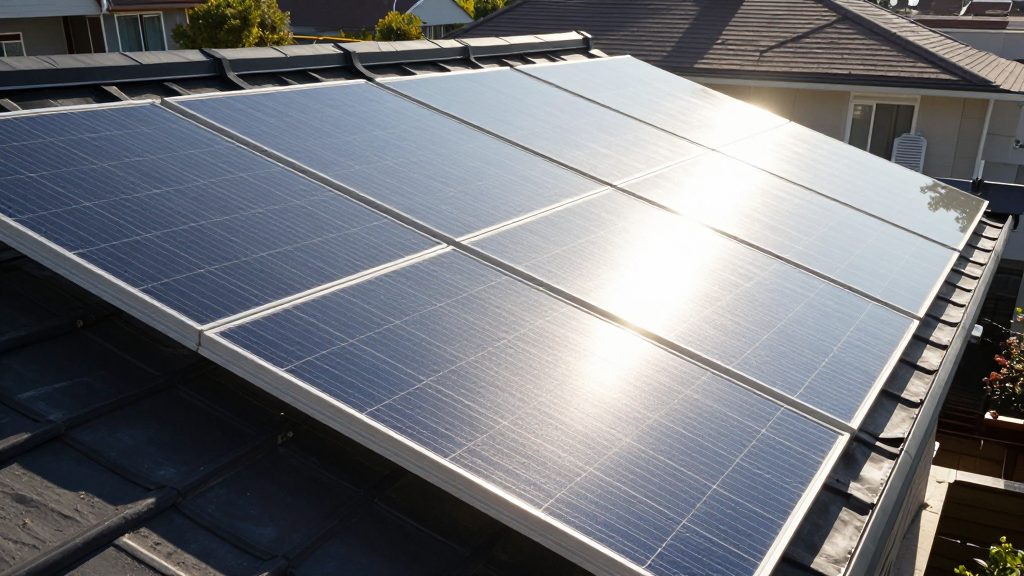
Solar panels are designed to reliably generate electricity for over 20 years after installation. This long-term performance is not simply due to a combination of materials, but rather the result of careful technical design and fundamental physical and chemical principles. Understanding the key factors that contribute to a panel's longevity is crucial for making informed installation decisions and developing effective maintenance strategies.
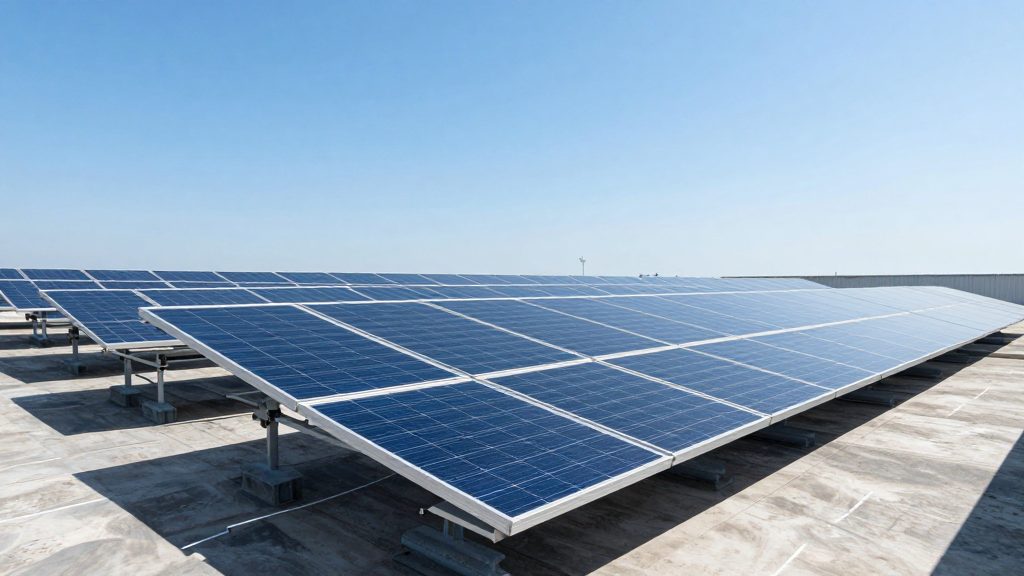
Why do solar panels last over 20 years?
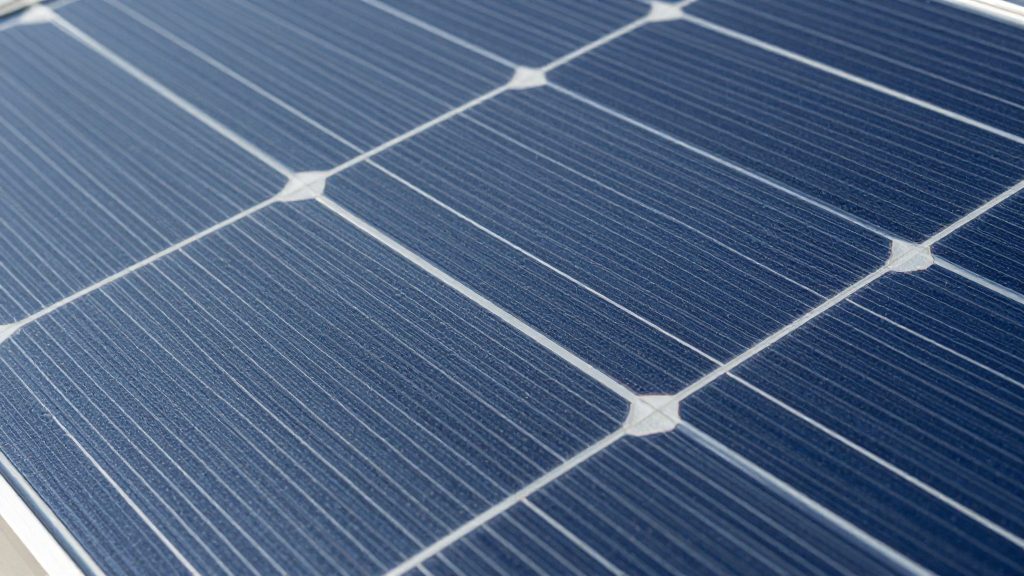
1. The inherent durability of silicon-based semiconductors is fundamental. The core of a solar panel is a silicon-based semiconductor device. This material is chemically very stable, except for physical breakage, and has high resistance to heat and sunlight. In particular, black photon silicon has a high light absorption efficiency and does not experience significant performance variations due to changes in the external environment. While semiconductor cell lifespans can reach 25 years or more due to technological advancements, the average lifespan in the actual market is typically around 20 years.
2. A robust bonding structure between the frame and cells provides protection against external shocks. The panel is encased in an aluminum frame that disperses external impacts. Between the cells and the frame, high-strength polyethylene terephthalate (PET) or EVA (ethylene vinyl acetate) adhesive materials are used to create a seal. This structure prevents cells from detaching or being damaged by external mechanical factors such as wind, snow, and rain. In particular, EVA provides both UV protection and moisture barrier functions to protect the internal structure.
3. UV blocking coatings and transparent films are essential for maintaining photoelectric conversion efficiency. The exterior of the panel is typically covered with acrylic or transparent glass, which are applied with high-strength UV blocking coatings. When solar panels are exposed to sunlight for extended periods, changes can occur in the UV region of the light spectrum. This coating helps to maintain consistent photoelectric conversion efficiency. Additionally, the transparent glass reduces surface reflectivity and maximizes light transmittance, suppressing power output degradation.
4. A waterproof and moisture-proof structure prevents water penetration. Moisture can significantly affect the electrical properties of silicon cells, and long-term accumulation can cause corrosion in the internal circuits of the cells. High-end panels have complete moisture protection at the silicon joints around the cells, and waterproof materials are also applied to the sides and bottom of the panel to block potential water penetration paths. This structure allows for stable operation for over 15 years, even in areas with high external humidity.
5. Thermal design for performance stabilization in high and low temperature environments. Solar panels can reach temperatures of 70°C or higher in the summer. If heat is not distributed evenly within the cells at this time, it can lead to performance degradation or damage. Therefore, high-end panels are equipped with heat dissipation structures, and the aluminum frame is designed to quickly release heat. Additionally, the arrangement of thermally conductive materials between cells is optimized, which helps maintain a power reduction rate of around 2% even in high-temperature conditions.
Frequently Asked Questions
Q1. Even if a solar panel operates for over 20 years, can the output decrease? Yes, the power output of a panel naturally decreases over time. Generally, an official output degradation rate of 0.5% to 1% per year is recognized. This is due to structural changes in the panel's internal materials and a decrease in photon absorption efficiency. However, most products maintain over 85% of their initial output after 20 years, which is a value verified by industry standards (IEC 61215).
Q2. If a panel is damaged, can it be repaired? Generally, replacement of the entire panel is the standard practice. Micro-cracks inside the cells or separation at the bonding surfaces are usually not repairable. Intervention by non-professionals can cause further damage. However, damage to the external casing or frame may be partially repairable, but only within a range that does not affect energy efficiency.
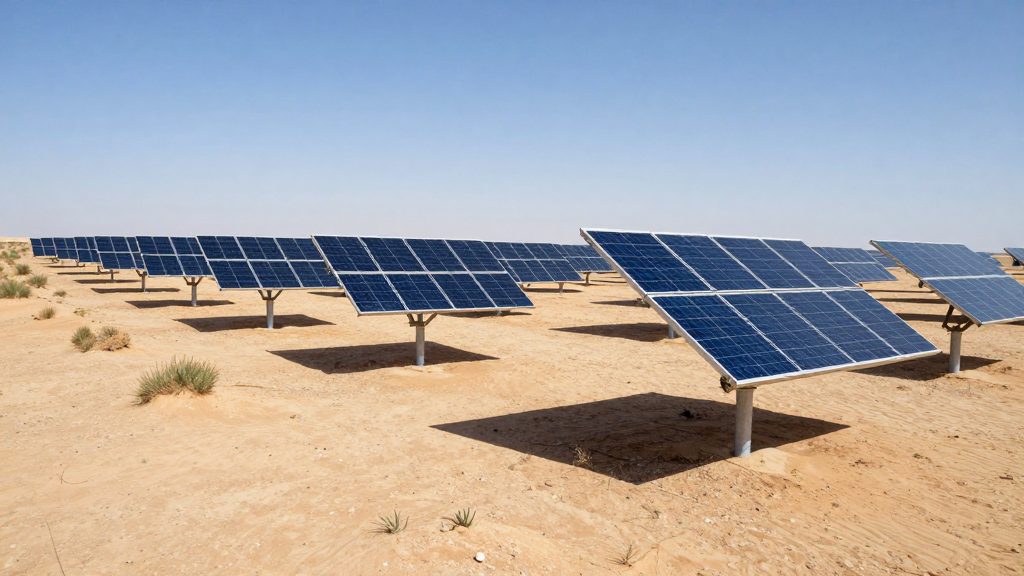
Q3. What happens to solar panels after they are discarded? Can they be recycled? Regulations regarding the disposal of solar panels are becoming increasingly stringent. The majority of materials in a panel (silicon, glass, aluminum) are recyclable, and some countries aim for a reuse rate of over 90%. However, the actual recovery rates are not yet publicly available, and expanding recycling facilities and improving processes are essential. Individuals and businesses need to consider long-term operating strategies, including recycling plans, when installing panels.
Q4. How do you determine when a solar panel has reached the end of its lifespan? The end of a panel's lifespan is typically considered to be when the output degradation rate exceeds 20%. This is because maintaining at least 80% of the initial performance is the industry standard. Regular inspections include output tests to track performance variations, and replacement should be considered if power production costs increase or maintenance costs become too high.
Q5. If a panel is old but still operating, is it better to replace it rather than repair it? In most cases, replacement is more economically viable. Panels that are over 20 years old have aged components, expired warranties, and reduced performance, making repairs less efficient compared to the cost. Furthermore, when compared to the improved performance of new panels (e.g., conversion efficiencies of 23% or higher), replacement is more cost-effective in the long run. However, if the installation environment is stable and the output degradation rate is low, it may be possible to continue using the existing panel with some supplementary measures.
Related posts
Five Key Considerations for the Transition to Renewable Energy.
Solar vs. Wind: What are the criteria for choosing the right energy source to meet Korea's electricity demand?
Solar-powered auxiliary batteries: Why are they now a necessity?
Wind vs. Solar: Which is the "growth model" for South Korea's renewable energy transition?
Popular posts
Five Key Considerations for the Transition to Renewable Energy.
Solar vs. Wind: What are the criteria for choosing the right energy source to meet Korea's electricity demand?
Solar-powered auxiliary batteries: Why are they now a necessity?
Comments 0