Five Key Considerations for the Transition to Renewable Energy.
As South Korea's energy transition policy gains momentum, the expansion of renewable energy sources, particularly solar and wind power, continues. However, a significant gap remains between technological implementation and policy execution, leaving ordinary citizens and related professionals lacking clear guidelines on "what to prepare and how." To ensure the practical utilization and sustainability of renewable energy, a multifaceted approach is needed, encompassing technology adoption, policy understanding, and system operation. This article outlines five key aspects to consider during the renewable energy transition process.
1. Assessing the Availability of Sustainable Renewable Energy Resources
The core principle of renewable energy is "sustainability." While solar and wind resources are virtually limitless, production levels vary significantly depending on regional characteristics. For example, the southern region boasts higher solar panel efficiency, while the northern region benefits from greater wind resource utilization during winter. Therefore, when formulating energy plans, it's crucial to conduct a thorough resource analysis that reflects the region's climate and geographical conditions, rather than simply focusing on "increasing renewable energy investment." Furthermore, while technological advancements have improved the conversion efficiency of solar panels, installation and maintenance conditions, as well as lifespan, must also be considered.
2. Evaluating Grid Flexibility and Storage Systems
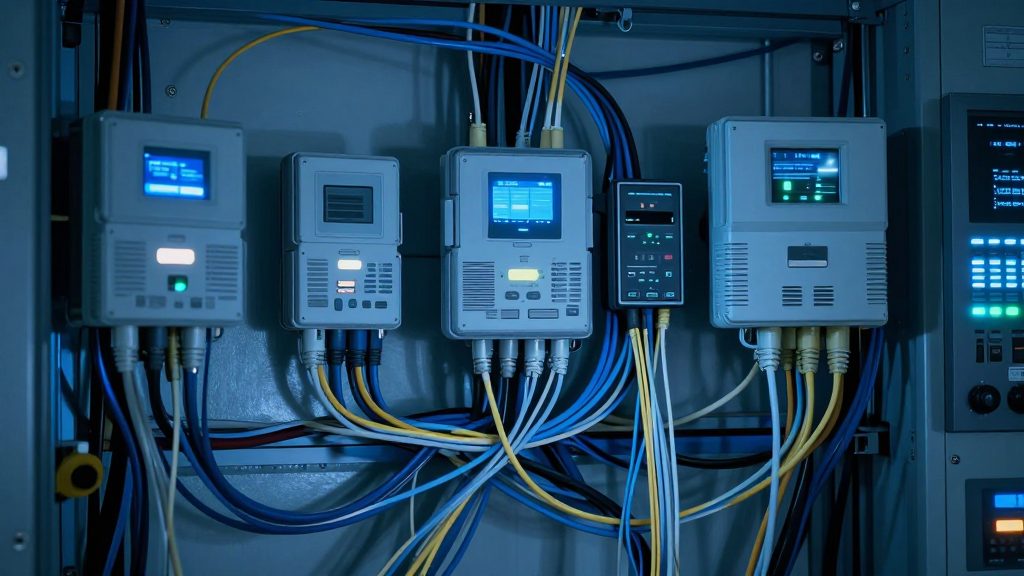
A major limitation of renewable energy is its unpredictability and variability. Solar power only operates during daylight hours, and wind power depends on wind conditions, making grid stability paramount. Therefore, it's essential to assess the feasibility and scale of energy storage systems (ESS). Large-scale ESS can compensate for time differences between electricity demand and supply, but they also present cost and technical stability challenges. Key evaluation criteria include battery charging/discharging efficiency, cycle lifespan, and safety certification. Additionally, when integrating solar and wind power into the grid, a government-certified integrated management system (e.g., smart grid) must be implemented.
3. Verifying the Scope of Government Subsidies and Tax Benefits
The utilization of government support policies directly impacts the economic viability of renewable energy investments. For instance, homeowners installing solar panels may be eligible for subsidies, but eligibility criteria (e.g., property ownership, electricity consumption levels) vary. Furthermore, various financial incentives, such as electricity bill reductions and tax credits, are available for operating renewable energy power plants. These factors must be verified before installation, and significant differences exist between local governments, so consultation with the regional administrative department is recommended. However, since subsidies may be temporary, consider their long-term sustainability when incorporating them into the overall operating plan.
4. Establishing Comparison Criteria for Technology and Equipment Selection
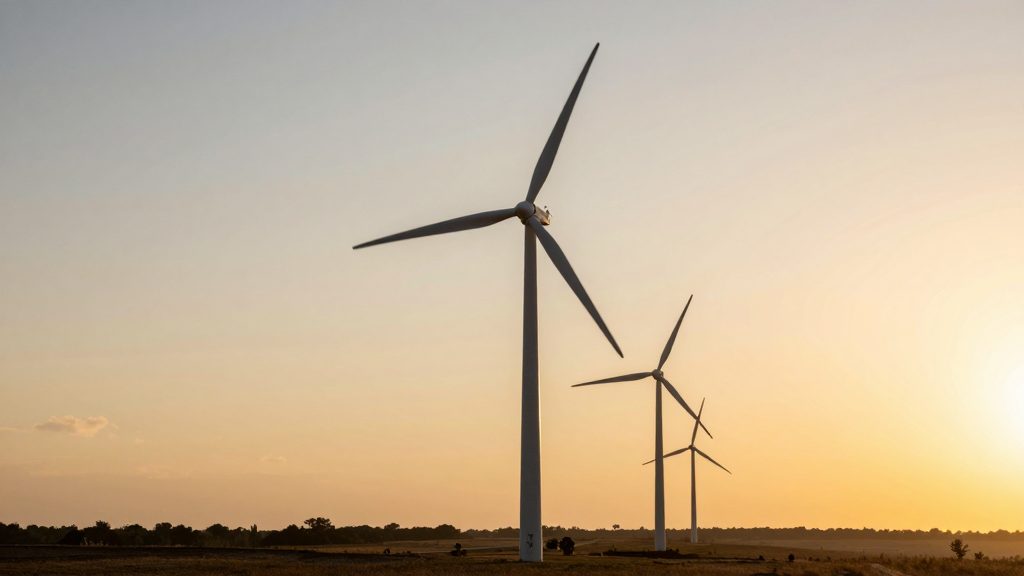
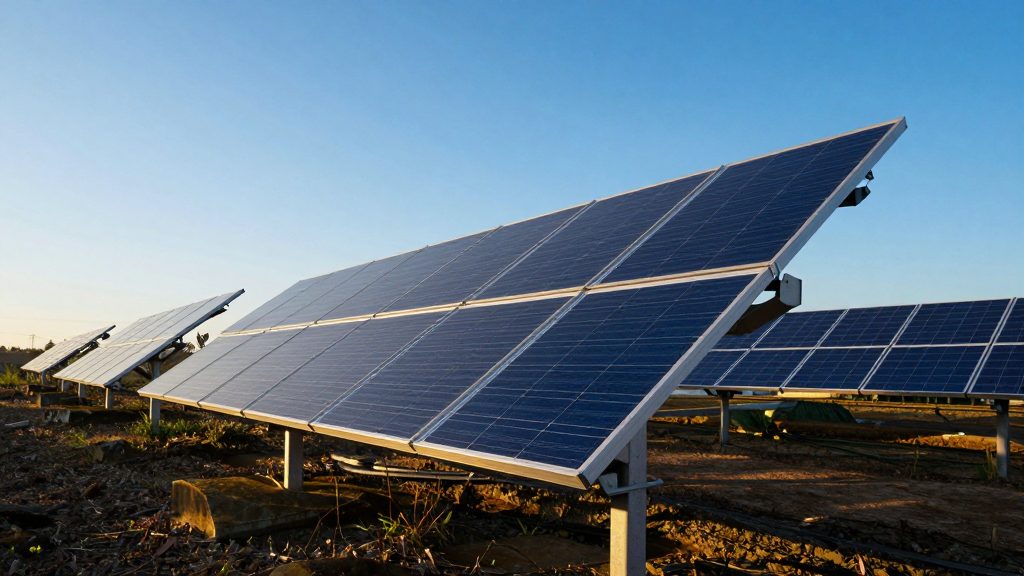
The wide variety of renewable energy equipment can make selection challenging. For solar panels, key comparison factors include module type (e.g., monocrystalline silicon, polycrystalline), power output density, and durability/weather resistance. For wind turbines, factors such as turbine height, rotational speed, and noise levels can significantly impact daily life. In addition to technical performance, installation space and ease of maintenance should also be assessed. For example, when installing solar panels on an existing building's roof, factors such as load bearing capacity, waterproofing, and potential issues during removal should be included in the technology selection process.
5. Assessing Community Acceptance and Environmental Impact
The success of renewable energy projects depends not only on technical performance but also on community acceptance. Large-scale wind farms, in particular, can face opposition due to visual impact and noise pollution, necessitating public hearings and strategies for building community consensus. Furthermore, the potential impact on local ecosystems (e.g., collision risks with bird migration routes, changes in land use) must be assessed in advance. Projects that undergo environmental impact assessments are more likely to align with sustainable development goals (SDGs) and enhance investor confidence.
The transition to renewable energy is not simply a matter of adopting new technologies; it's a complex process involving policy, technology, and social acceptance. To achieve a successful transition, it's crucial to establish clear practical criteria and checkpoints at each stage, along with continuous monitoring. Given the rapid pace of technological advancements, it's essential to periodically re-evaluate changing standards as a key strategic approach.
Related posts
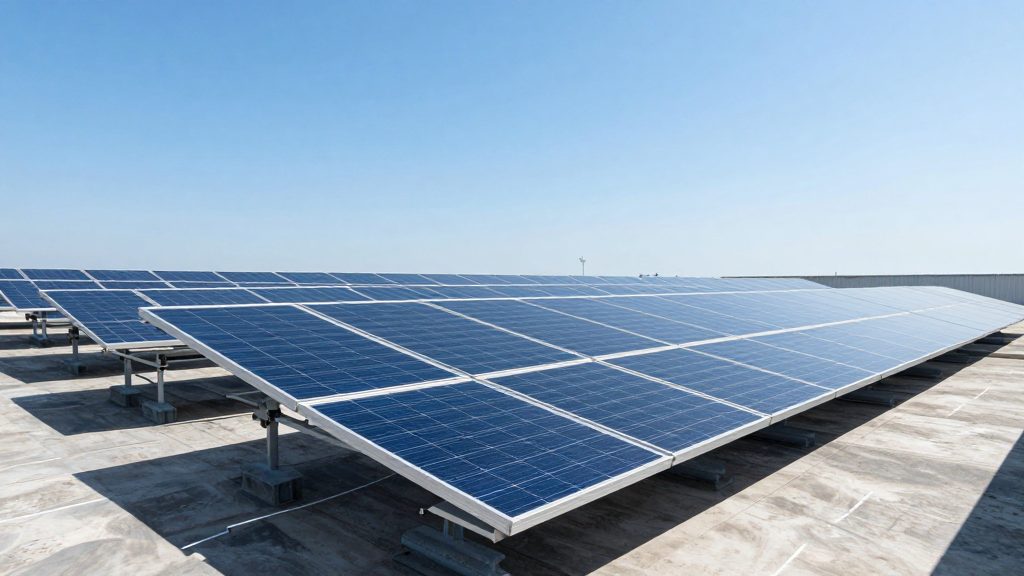
Why do solar panels last for over 20 years? Here are 5 key principles that support their durability and lifespan.
Solar vs. Wind: What are the criteria for choosing the right energy source to meet Korea's electricity demand?
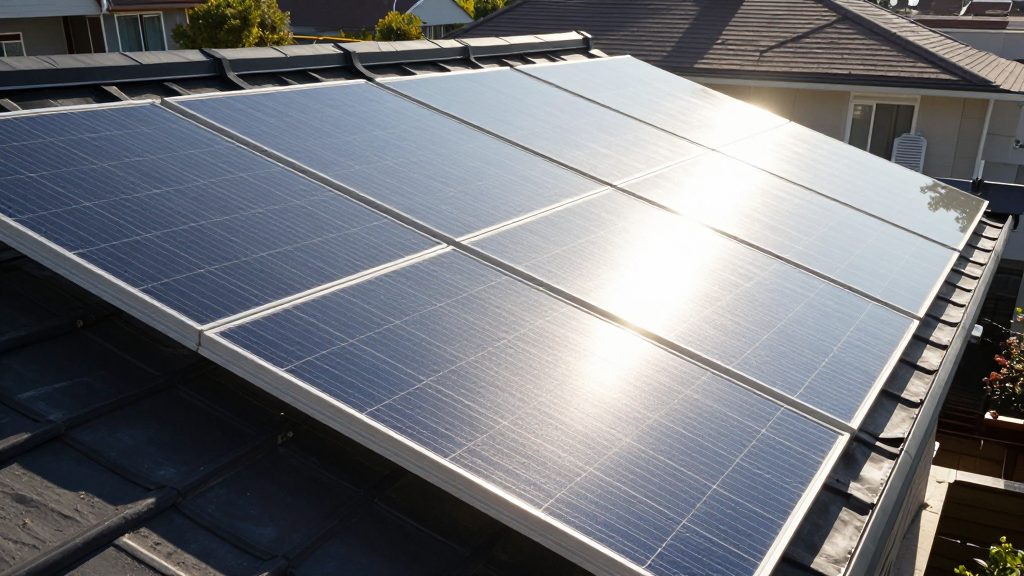
Solar-powered auxiliary batteries: Why are they now a necessity?
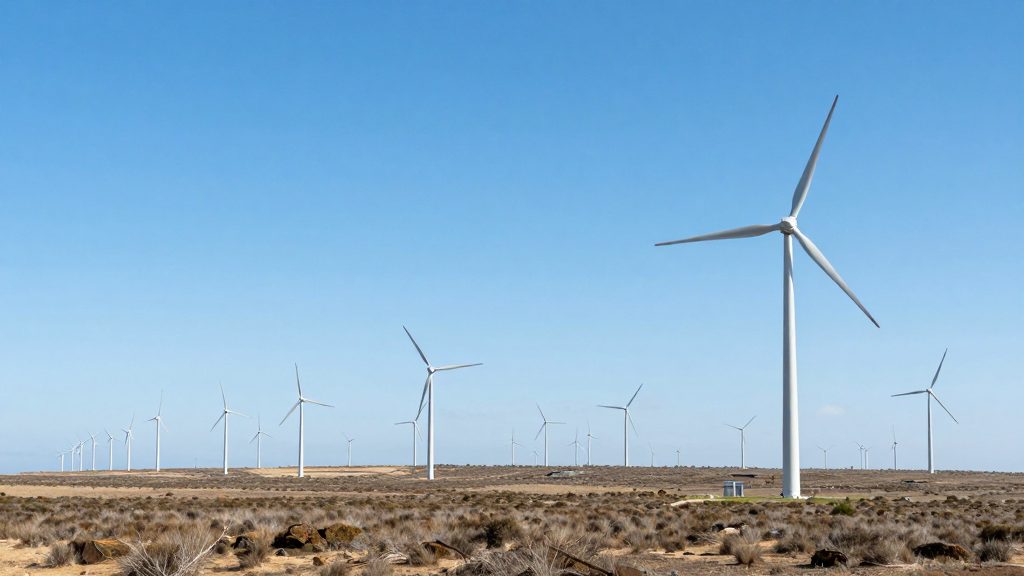
Wind vs. Solar: Which is the "growth model" for South Korea's renewable energy transition?
Popular posts
Why do solar panels last for over 20 years? Here are 5 key principles that support their durability and lifespan.
Solar vs. Wind: What are the criteria for choosing the right energy source to meet Korea's electricity demand?
Solar-powered auxiliary batteries: Why are they now a necessity?
Comments 0