Wind vs. Solar: Which is the "growth model" for South Korea's renewable energy transition?
Key — While both solar and wind power in South Korea are key means of transitioning to renewable energy, their development speed and effectiveness differ depending on their technological characteristics and application environments. Wind power is capable of generating large-scale, continuous electricity.
South Korea's solar and wind power are both key means of transitioning to renewable energy, but their development speed and effectiveness differ based on their technical characteristics and application environments. Wind power excels in terms of 'energy stability' due to its ability to generate large-scale, continuous power, while solar power is superior in terms of 'scalability' due to its ease of installation and cost-effectiveness. However, considering the country's geographical characteristics and electricity demand patterns, the most realistic energy transition roadmap is achieved when the long-term stability of wind power and the flexible expansion of solar power are harmonized.
Heading
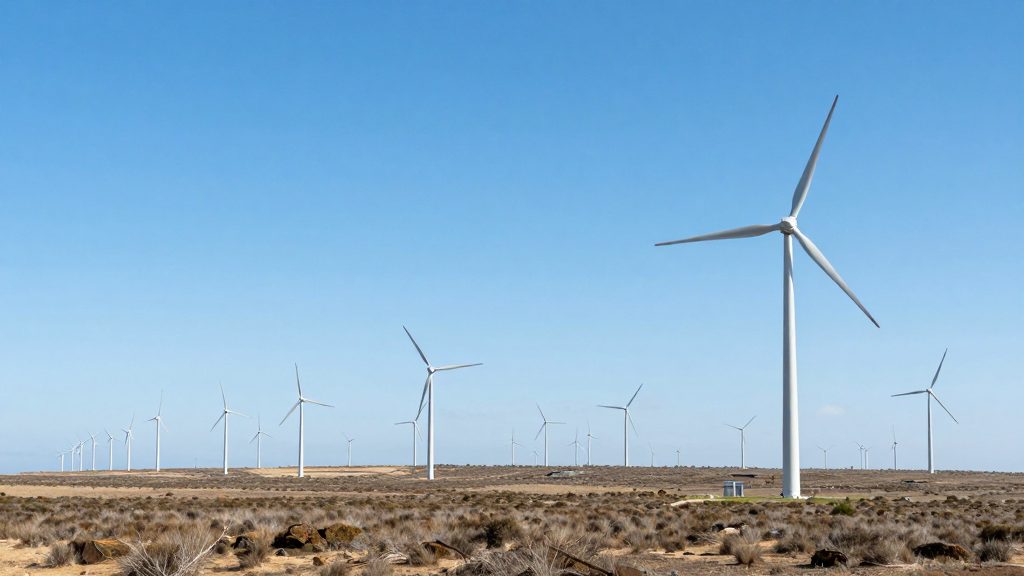
1. Installation Conditions and Regional Constraints: The terrain dictates the choices
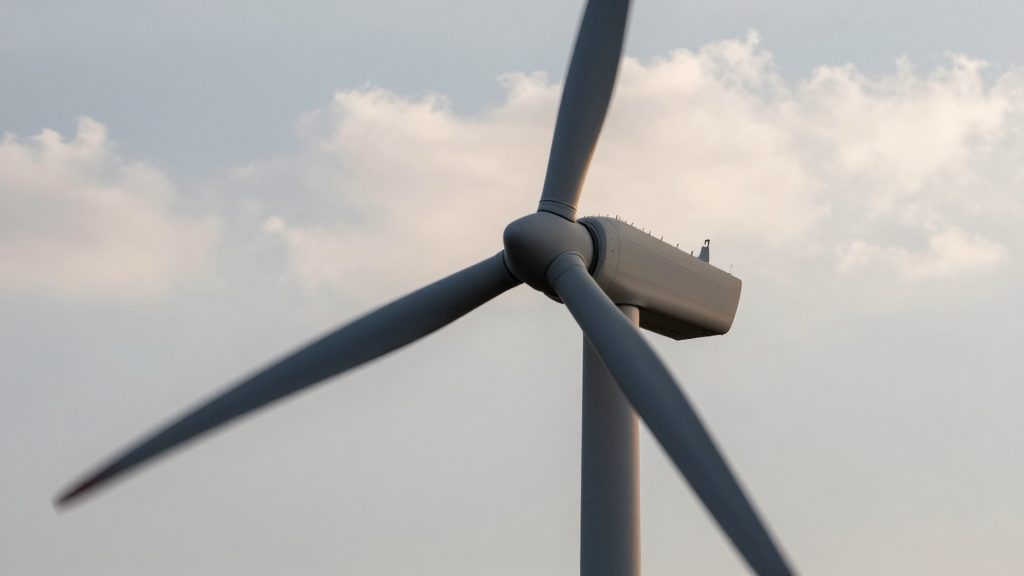
- Wind Power: Most efficient in high-altitude inland mountainous areas and coastal regions. The East Coast and South Coast are considered "wind power concentration zones" due to their abundant wind resources. However, offshore wind power involves complex infrastructure installation and underwater cable construction, resulting in high initial investment costs.
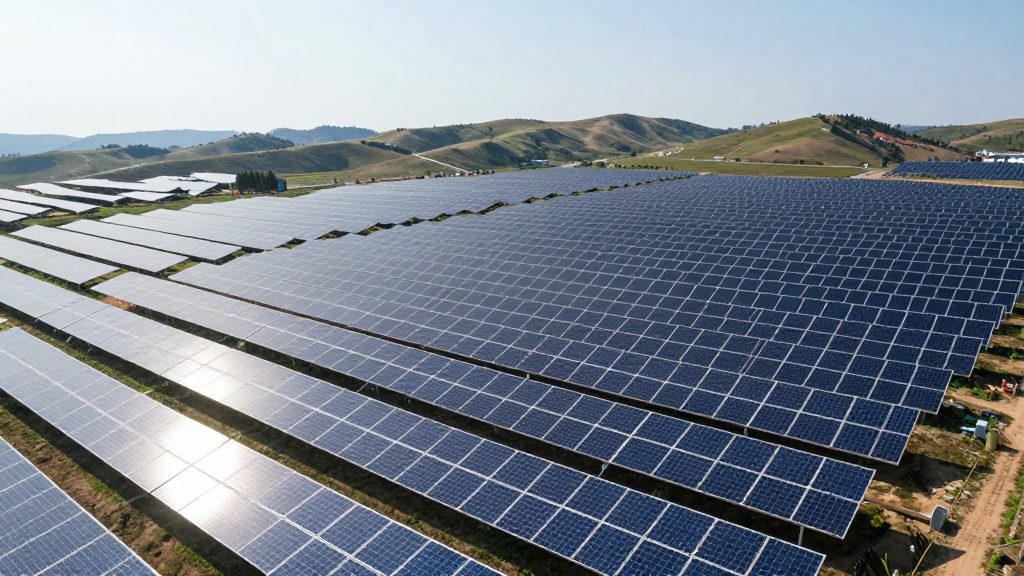
- Solar Power: Can be installed in various irregular spaces, including rooftops, mountainsides, and abandoned factories. Rooftop solar power within cities is located close to the center of electricity demand, resulting in less transmission loss. However, power generation fluctuates due to insufficient direct sunlight during certain seasons or shading issues in urban areas.
✅ Key Checkpoint: Prioritize analyzing the terrain and building layouts, considering wind power in areas with abundant wind resources and solar power in areas with high sunlight levels and available space.
2. Energy Production Stability and Demand Response
- Wind Power: Wind occurs at regular intervals, so power generation is relatively stable throughout the day. It can also generate electricity at night, contributing to peak electricity demand periods. However, power output decreases significantly on days with weak winds.
- Solar Power: Power generation fluctuates depending on sunlight hours. It peaks at noon but produces 0 output at night. Relying solely on fixed power generation without battery storage systems creates a significant gap in meeting demand.
✅ Key Checkpoint: Wind power is strong in "sustainable output," while solar power excels in "peak load response." Combining both technologies significantly enhances the ability to respond to demand fluctuations.
3. Investment Costs and Maintenance Burden
- Wind Power: High initial installation costs, especially for offshore wind power. Costs include ships, mechanical equipment, and underwater structures. Regular inspections and repairs are complex. However, it can operate for over 20 years.
- Solar Power: Installation costs have significantly decreased recently, and failure rates are low. Maintenance burden is minimal beyond periodic cleaning. Small-scale systems are easy to automate.
✅ Key Checkpoint: In areas with government subsidies, solar power offers a high return on investment compared to the initial investment. However, if the goal is large-scale power generation, the long-term performance of wind power should be considered.
4. Environmental Impact and Public Response
- Wind Power: Concerns exist regarding the noise and lighting (e.g., light pollution) of wind turbines, as well as their impact on ecosystems, particularly bird migration routes. However, carbon emissions during the generation process are almost non-existent, and environmental restoration is possible after installation.
- Solar Power: Concerns exist regarding the destruction of biodiversity (especially on mountainsides) and the environmental impact of material production. However, installing solar panels in urban areas can cause shading issues or conflicts with building aesthetics.
✅ Key Checkpoint: Environmental impact assessments must be conducted, and strategies to increase public acceptance through town hall meetings and communication are essential.
| Item | Wind Power | Solar Power |
|---|---|---|
| Installation Suitability | Primarily coastal and high-altitude areas | Various locations, including rooftops, abandoned sites, and mountainsides |
| Daily Output Stability | Medium to High (due to wind cycles) | Low (dependent on sunlight) |
| Initial Investment Cost | High (especially offshore) | Medium to Low |
| Maintenance Difficulty | High (complex mechanical structure) | Low (primarily periodic cleaning) |
| Demand Response | Can generate electricity at night, stable output | Peaks at noon, 0 output at night |
Recommended for:
- Regional energy policy planners or local government officials: Coastal areas can prioritize wind power, while cities can prioritize solar power to increase regional self-sufficiency in electricity.
- Renewable energy businesses: If the goal is large-scale power supply, leverage the nighttime output stability of wind power and supplement it with solar power to diversify the electricity mix.
- Corporate ESG managers: Implement solar panels on office building roofs or factory walls, which are easy to install, to achieve reductions in carbon dioxide emissions.
- Local residents or community energy activists: Experiment with local-based electricity self-sufficiency models based on experience operating small-scale solar power plants.
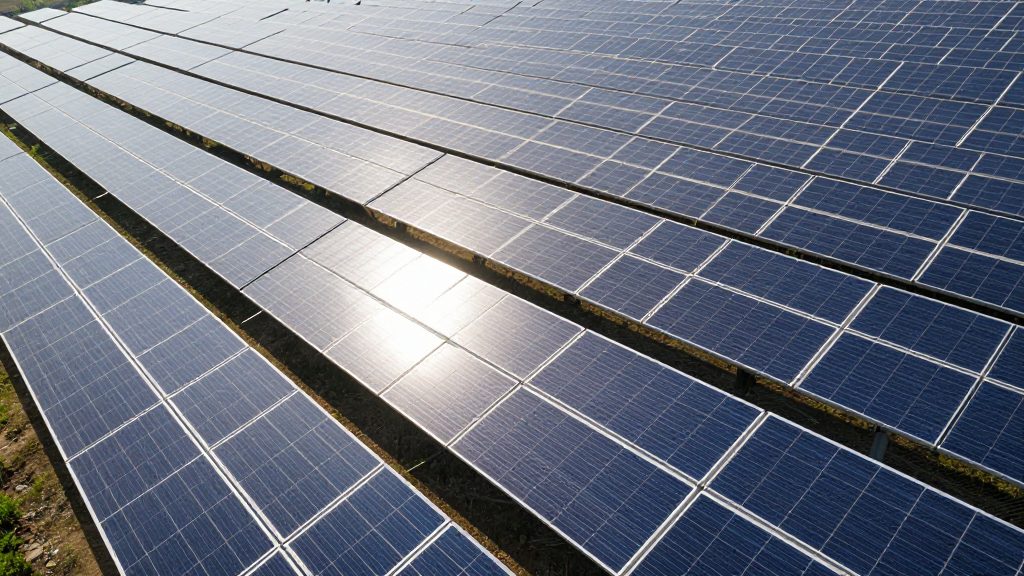
Conclusion Wind and solar power are complementary technologies that cannot replace each other. The success of South Korea's renewable energy transition depends not on favoring a single technology, but on strategically harmonizing the stability of wind power and the scalability of solar power by analyzing terrain and demand patterns.
← Previous postOptimizing Solar Power Generation: Profitability and Technical Standards for Residential Solar Panel Systems Nationwide in 2024.Next post →Solar-powered auxiliary batteries: Why are they now a necessity?
Related posts
Industry and Economy.
Why do solar panels last for over 20 years? Here are 5 key principles that support their durability and lifespan.
Industry and Economy.
Five Key Considerations for the Transition to Renewable Energy.
⚡Energy Today.
Industry and Economy.
Solar vs. Wind: What are the criteria for choosing the right energy source to meet Korea's electricity demand?
Industry and Economy.
Solar-powered auxiliary batteries: Why are they now a necessity?
Popular posts
Industry and Economy.
Why do solar panels last for over 20 years? Here are 5 key principles that support their durability and lifespan.
Industry and Economy.
Five Key Considerations for the Transition to Renewable Energy.
⚡Energy Today.
Industry and Economy.
Solar vs. Wind: What are the criteria for choosing the right energy source to meet Korea's electricity demand?
Industry and Economy.
Comments 0