AI power grid optimization: How to boost grid efficiency
"The smart grid is estimated to have reduced power outages by an average of 60%, saving the city about 60 million dollars annually."
AI power grid optimization involves using intelligent software to balance energy supply and demand in real-time, effectively reducing outages and managing distributed resources.
This guide explores how smart technologies integrate renewable energy, manage storage, and stabilize the grid to increase efficiency. We will look at hardware integration, software-driven demand response, and the limitations of data latency.
How does AI power grid optimization work in practice?
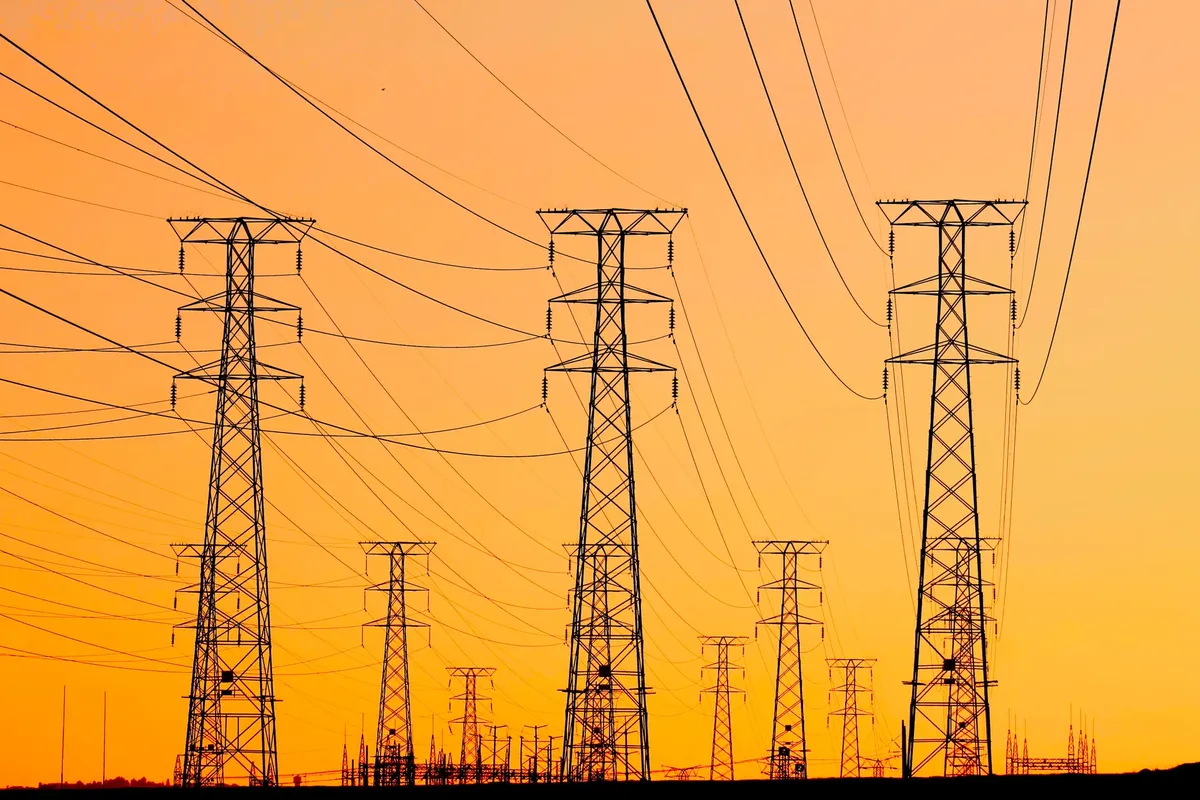
At midnight, the operator wipes sweat from her brow while watching the screen flicker as the software shifts the power load.
An operator watches a digital dashboard as the software shifts energy loads between different sources during a sudden peak in demand.
The smart grid software dynamically updates energy supply and demand in 5-minute intervals, deciding whether to pull energy from the battery or from the panels and when to store it in the water heaters.
This automated process helps ensure that energy is used where it is needed most without human intervention. By managing these intervals, the system prevents the waste of excess generation and mitigates the risks of overloads.
This constant adjustment is central to maintaining a stable flow of electricity across modern networks.
What hardware is used for smart grid energy saving?
The technician wipes grease from her palms while inspecting the heavy battery units that hold the power in the dim warehouse.
A technician inspects a localized network consisting of EV chargers, battery storage, and solar panels installed in a specific utility territory.
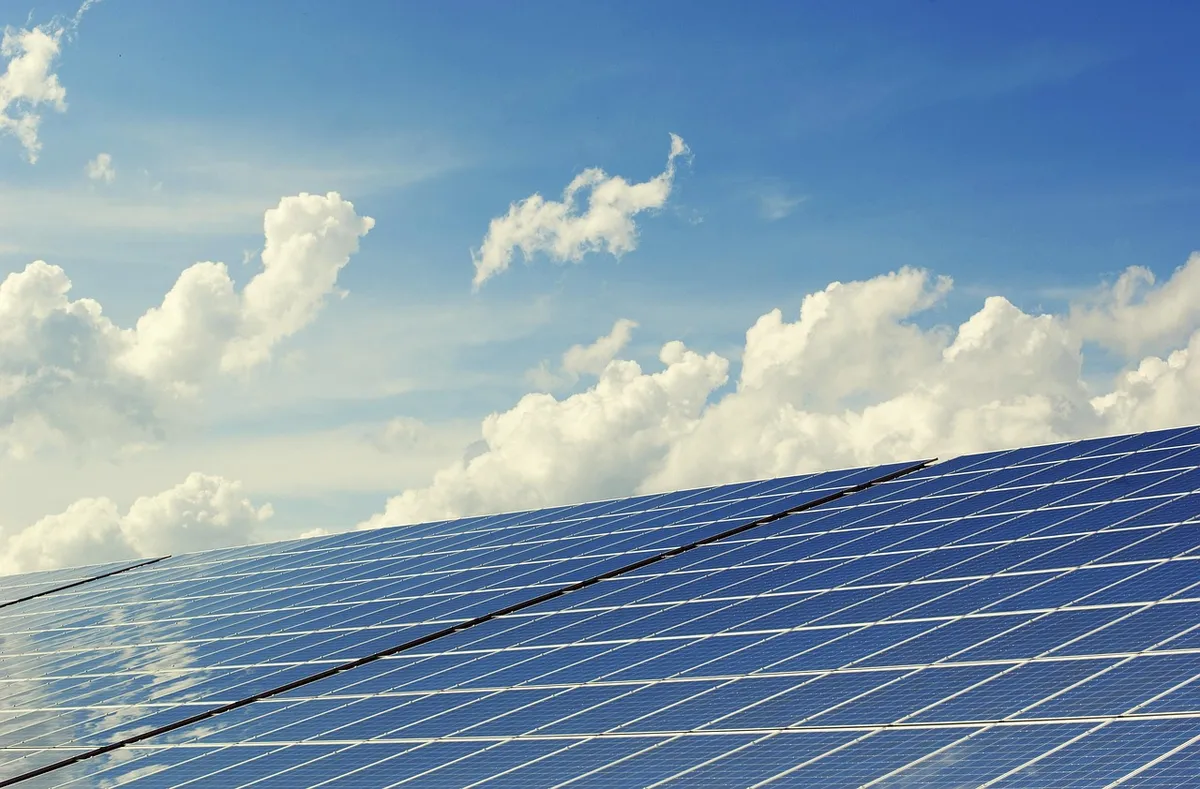
Effective energy management relies on these diverse assets working in concert. Integration of these hardware components allows for more flexible energy movement. Using such a variety of tools helps in creating a more resilient and responsive infrastructure.
How can we achieve a grid efficiency boost through micro-grids?
An engineer looks over a map of a localized area where a small power station provides electricity to a surrounding community.
Small micro-grids with a 30–50 km radius and small power stations of 5–10 MW can serve these areas to generate power locally, using AI-powered flow control to reduce dependence on long-distance transmission lines and reduce power consumption.
Local generation minimizes the energy lost during transit over vast distances. By producing power closer to the end-user, the system becomes much more efficient. This localized approach also provides a layer of security against large-scale outages.
What are the methods for AI-driven smart grid profit and management?
A manager reviews the cost-benefit analysis of a demand response test bed used to balance the grid.
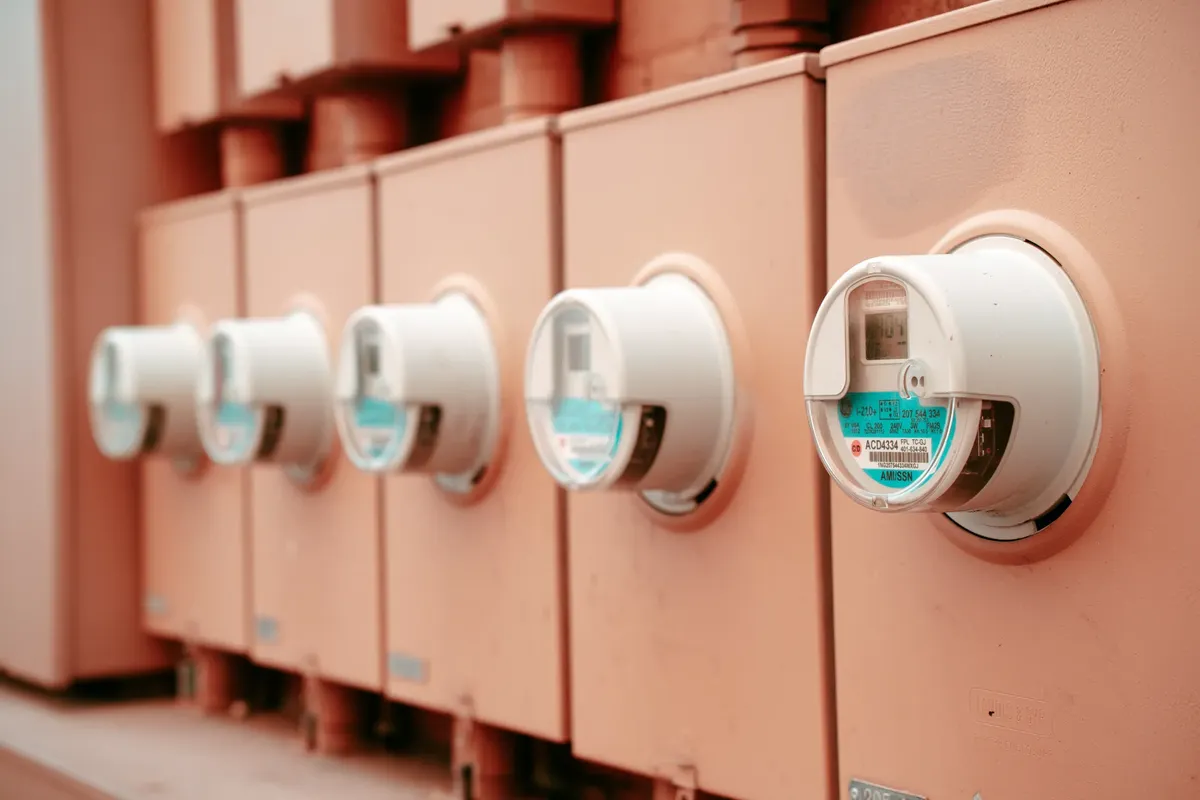
The Smart Grid Energy Research Center (SMERC) at the University of California, Los Angeles developed a demand response (DR) test bed that comprises a Control Center, Demand Response Automation Server (DRAS), Home-Area-Network (HAN), Battery Energy Storage System (BESS), and photovoltaic (PV) panels.
| Feature | Description |
|---|---|
| DR Test Bed Components | Control Center, DRAS, HAN, BESS, and PV panels |
| Purpose | Large-scale testing of smart EV charging and demand response |
I observed how the integration of these specific components allowed for more precise control over energy fluctuations during testing. Managing these variables is essential for maximizing the economic value of renewable assets.
How is optimizing power storage use handled?
A technician checks the charge levels on a large battery energy storage system during a period of low solar production. Optimizing power storage use involves deciding when to hold energy and when to release it to meet shifting demand.
The software makes these decisions to ensure that peak capacity is available when the sun is not shining.
Without intelligent storage management, renewable energy would be wasted during periods of overproduction. Storing excess energy allows the grid to remain stable during the night or during cloudy weather. This capability is a cornerstone of modern renewable integration.
What are the risks of AI-driven energy savings?
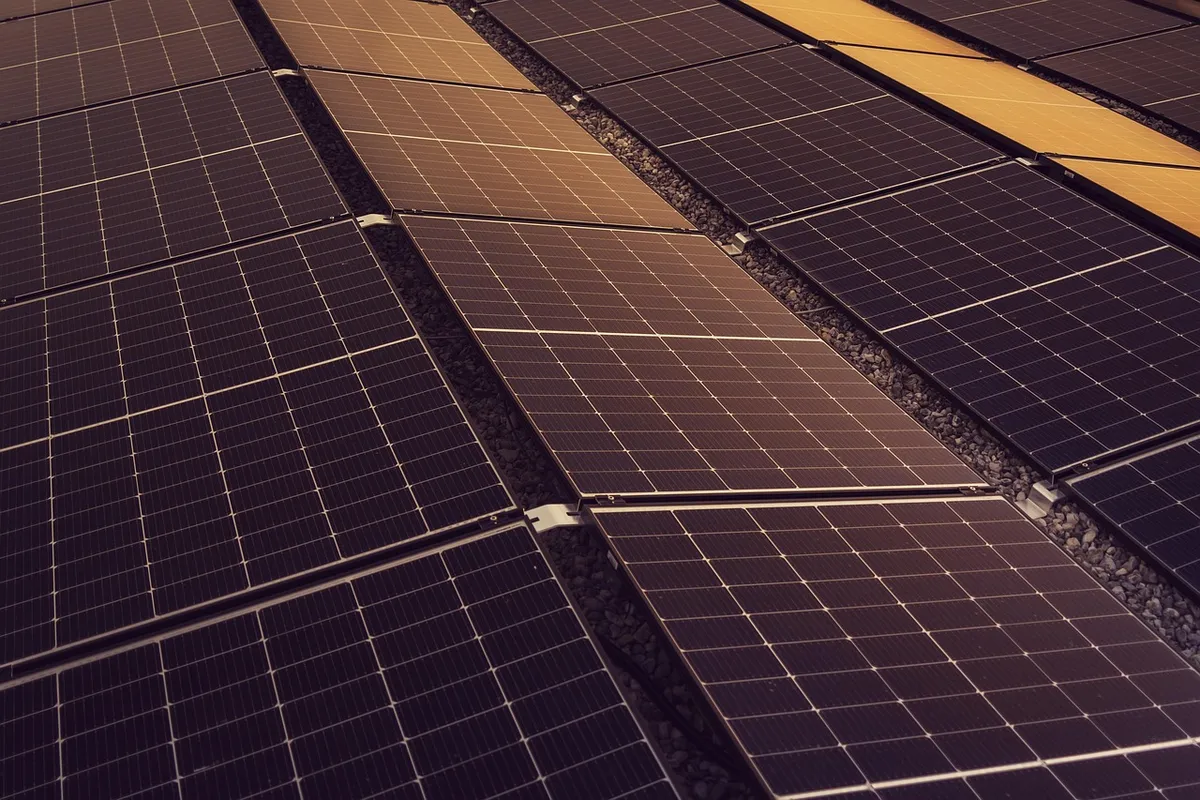
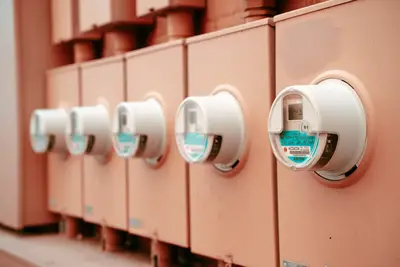
A data analyst investigates a delay in the transmission of meter readings from a remote location.
A major concern is the latency of the data flow; some early smart meter architectures allowed for delays of up to 24 hours in receiving data, preventing timely reactions by either supplying or demanding devices.
While automation improves efficiency, it remains dependent on the speed of information. If data arrives too late, the automated response may be irrelevant to the current state of the grid. Ensuring low-latency communication is vital for a reliable smart grid.
Related
- Solar power ESS grid integration: Guide to 24-hour power
- Offshore wind AI grid integration: Why AI helps grid



Comments 0