Solar power ESS grid integration: Guide to 24-hour power
"The transition toward renewable energy requires balancing intermittent generation with consistent demand through advanced storage solutions."
Solar power ESS grid integration relies on balancing unpredictable sun-driven production with steady electricity demand. This process involves using energy storage systems to stabilize the grid, manage peak loads, and ensure a reliable supply.
Key takeaways include understanding variable generation, implementing storage technology, and scaling infrastructure for future connections.
How do solar power generation traits affect the grid?
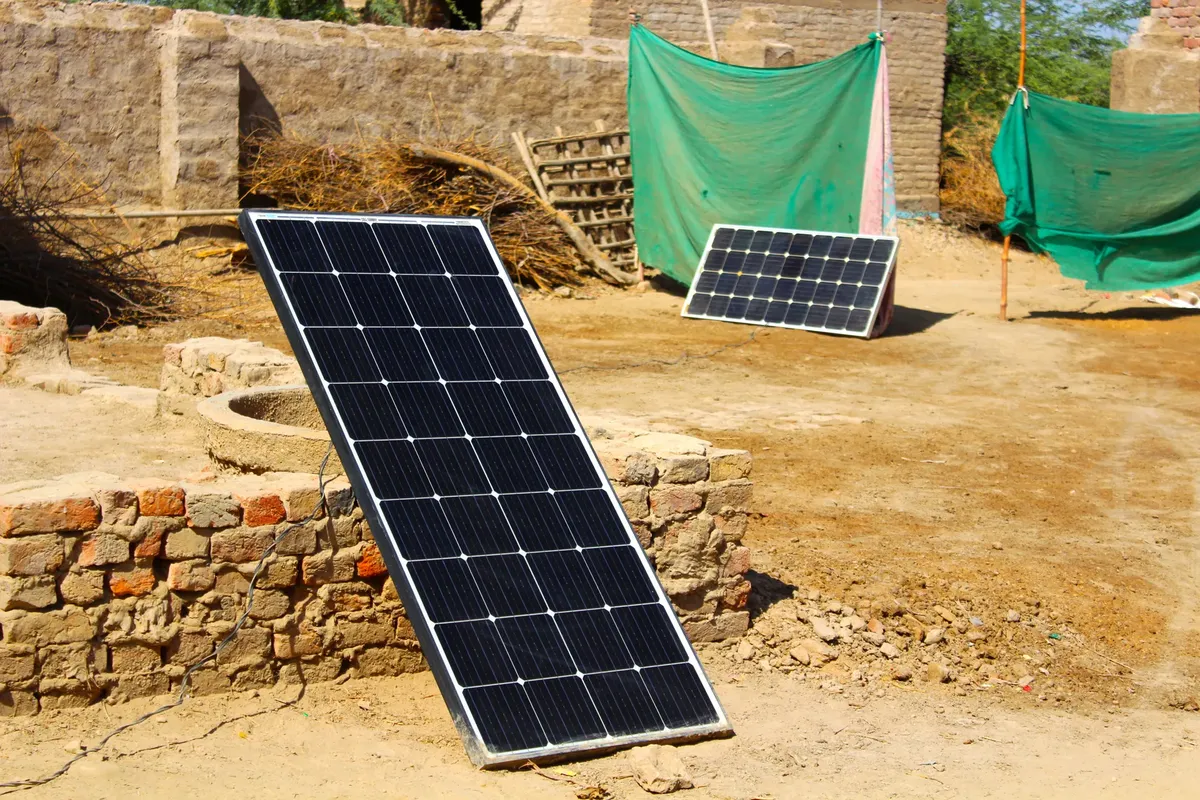
A technician adjusts the tilt of a solar panel as clouds drift across the sky, causing a sudden shift in voltage. Solar power generation traits involve managing the natural variability of sunlight, which can fluctuate rapidly due to weather or time of day.
This intermittency creates challenges for maintaining a steady frequency within the electrical grid.
According to the International Energy Agency, the use of local mini-grids run on solar power would contribute to the 60 percent of new connections expected to be to renewable power. This high percentage of new connections requires robust management to prevent instability.
Managing these shifts ensures that the surplus energy produced during peak sun hours is not wasted.
The history of efficiency shows how much the technology has evolved to handle these shifts. For example, the Institute of Energy Conversion at the University of Delaware developed the first thin-film solar cell exceeding 10% efficiency in 1980 using Cu2S/CdS technology.
Such advancements in cell efficiency provide the groundwork for managing larger energy volumes.
Effects of solar power ESS on grid integration and stability
An operator monitors a digital dashboard where battery levels rise and fall in response to real-time demand. ESS grid integration effects include smoothing out the peaks and valleys of renewable production to create a reliable output.
By storing excess energy, these systems prevent overvoltage during the day and supply power during the night.
The goal of integrating storage is to turn variable input into a predictable resource for the utility. This process helps mitigate the risks associated with sudden drops in solar production. Effective integration allows the grid to remain stable even as the share of renewables grows significantly.
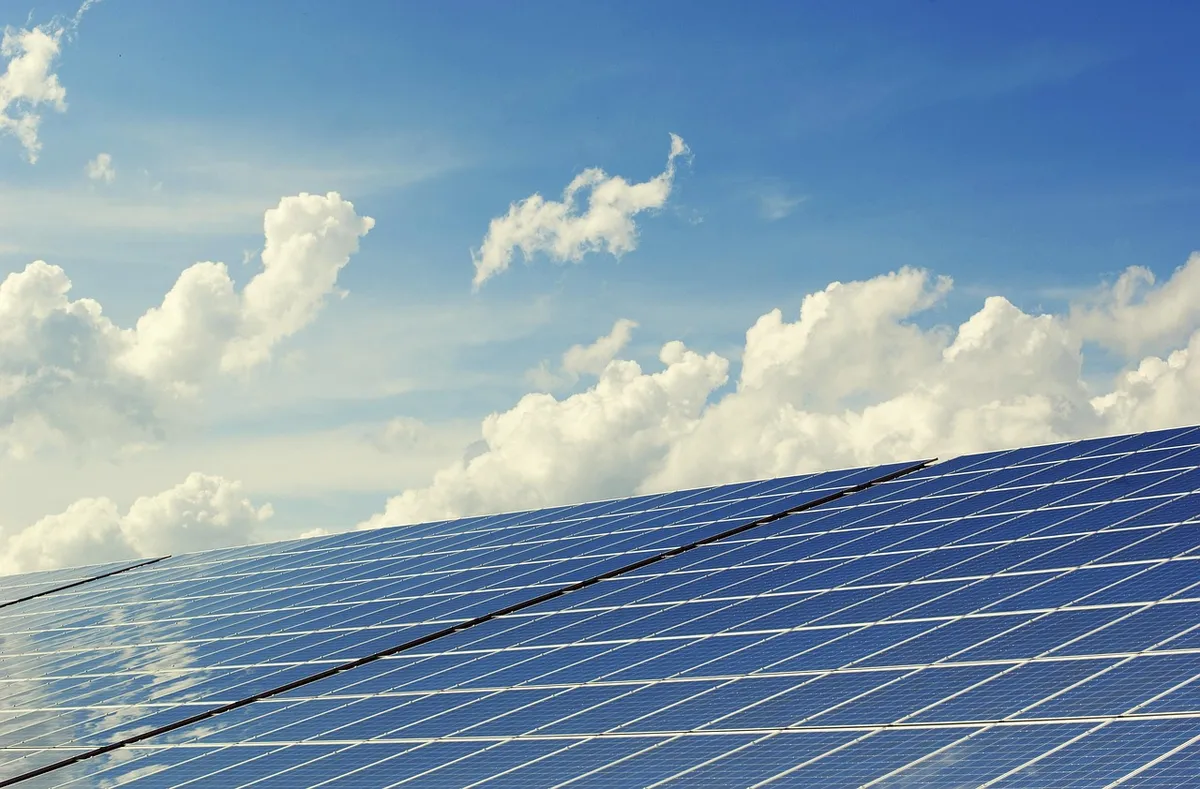
Reliability is the primary driver for adopting these storage solutions globally. As more energy comes from variable sources, the ability to buffer that energy becomes a necessity for preventing blackouts. This technical balance is essential for modernizing the energy landscape.
How can we achieve effective power grid stability solutions?
An engineer inspects a large-scale battery container located next to a field of solar panels. Ensuring power grid reliability requires a combination of smart inverters, large-scale storage, and demand-side management.
These tools work together to synchronize the timing of energy production with the timing of consumption.
One common method involves using energy storage to perform "peak shaving," where electricity is stored during low-demand periods and released during high-demand periods. This reduces the need for expensive and polluting peaker plants.
It also helps manage the physical constraints of the existing transmission lines.
| Feature | Utility-Scale Solar Output | ESS Integration Benefit |
|---|---|---|
| Production Profile | Variable and intermittent | Smoothed and predictable |
| Grid Impact | Potential for voltage spikes | Regulated and stable voltage |
I have observed how much more manageable a local grid becomes when storage acts as a buffer for solar surges. This stability allows for the seamless addition of more renewable assets without overwhelming the existing infrastructure.
What are the benefits of renewable energy storage tech?
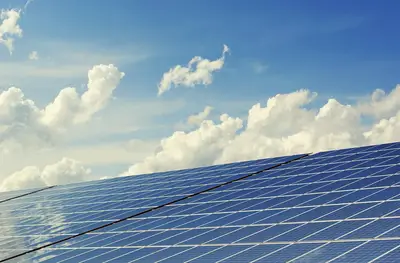
A maintenance worker cleans the glass surface of a solar module under the midday sun. Utilizing renewable energy storage tech provides the flexibility needed to maximize the value of every kilowatt-hour produced.
Storage systems can provide ancillary services, such as frequency regulation and voltage support, which are critical for a healthy grid.
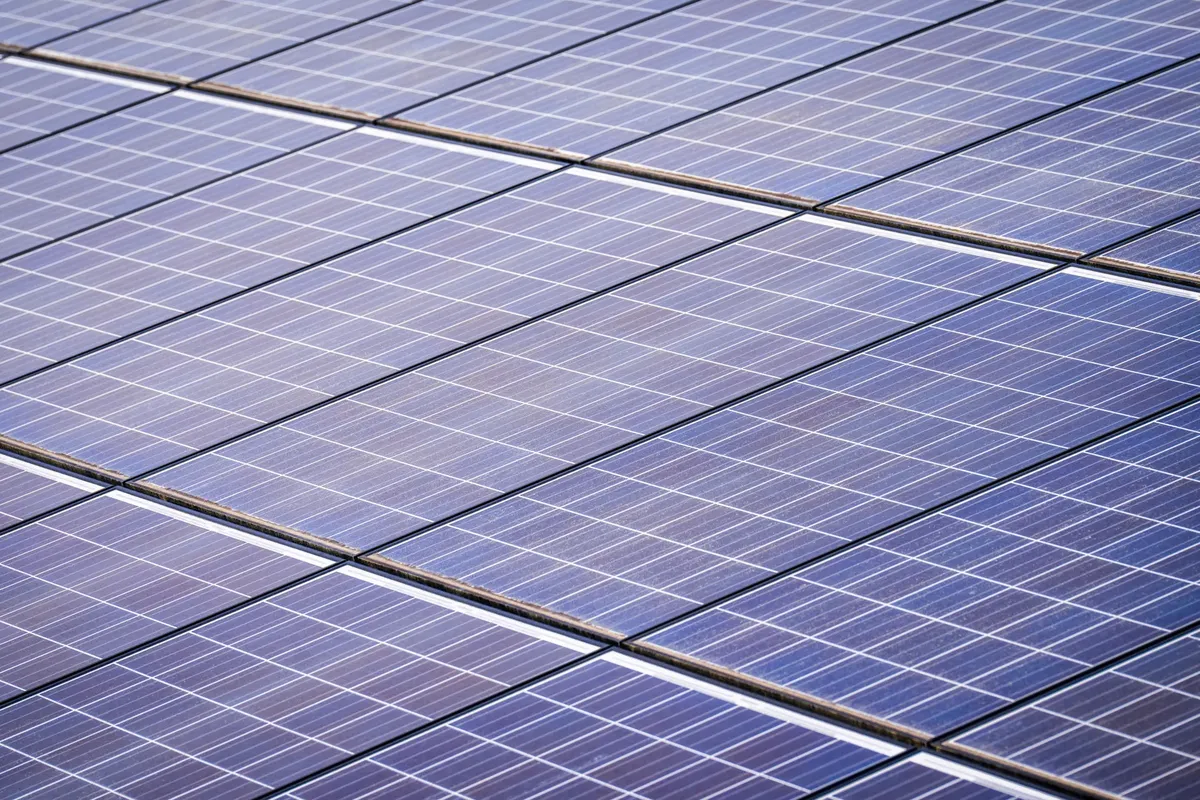
Beyond simple storage, these technologies enable the expansion of energy access in remote areas. Localized storage can turn a small solar array into a reliable 24-hour power source. This capability is vital for regions where extending the traditional grid is geographically or economically difficult.
The economic benefits also stem from the ability to participate in energy markets. Large-scale storage can buy energy when prices are low and sell it when prices are high. This creates a financial incentive for further investment in renewable infrastructure.
How can we manage large-scale solar production?
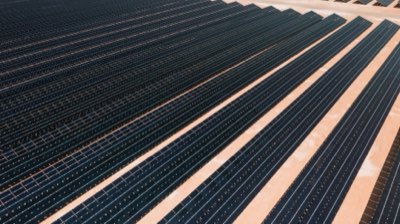
A field supervisor walks through a massive solar farm, checking the connection points of the mounting structures. Managing large-scale solar production requires careful planning of both generation capacity and transmission infrastructure.
As seen in the United States, utility-scale solar had sent 12,303 gigawatt-hours of electricity to the grid as of September 2014, according to the Energy Information Administration.
Scaling up requires more than just more panels; it requires a smarter way to move and store that electricity. Without adequate storage and grid upgrades, the massive amounts of energy generated at noon cannot be used effectively at 8:00 PM.
This mismatch is the primary hurdle for high-penetration renewable scenarios.
The transition involves: 1. Sizing storage capacity to match the expected variability of the local climate. 2. Implementing smart grid technologies to communicate between the solar site and the utility. 3. Upgrading transformer and inverter hardware to handle bidirectional power flows.
A final check of the system ensures that the storage capacity is sufficient to cover the minimum required discharge period during night hours.
Analyzing solar power characteristics for future growth
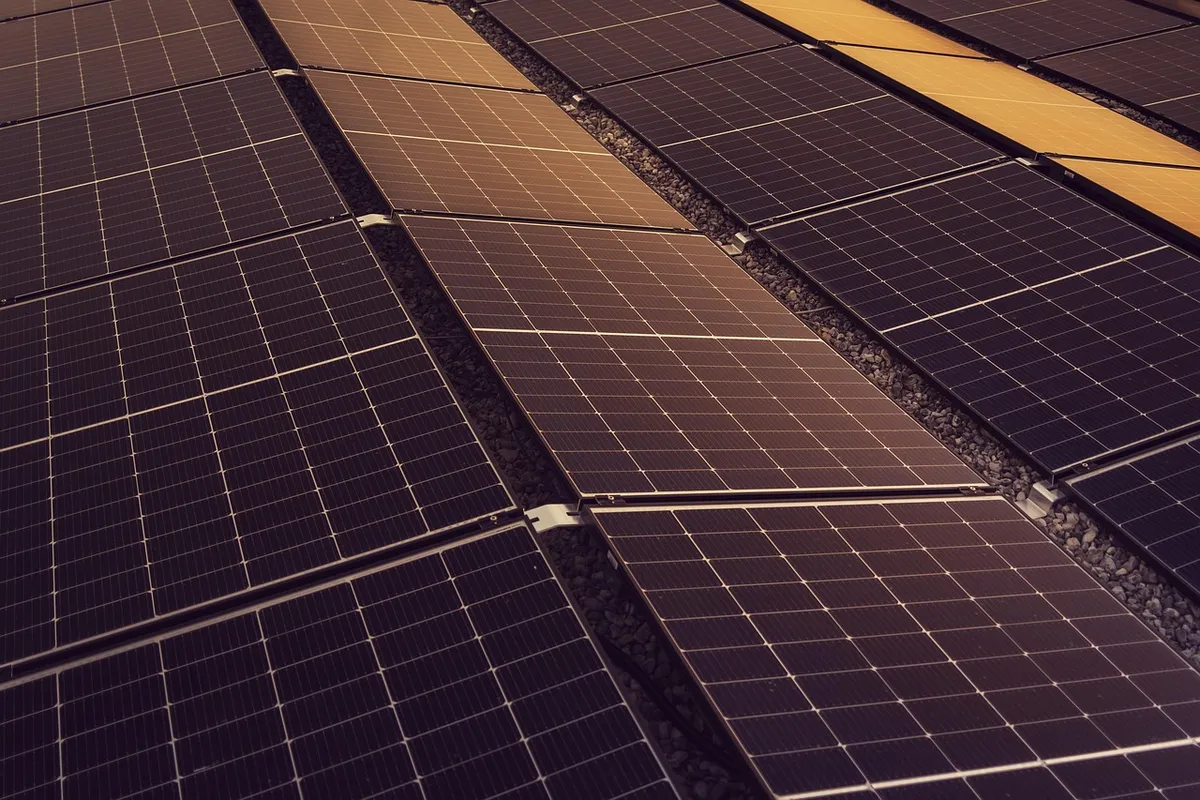
A planner reviews a digital map showing the layout of a new regional energy corridor. Analyzing solar power characteristics helps engineers predict how much storage will be needed for a specific location.
Different latitudes and weather patterns require different storage strategies to maintain a constant supply.
The relationship between weather and output is the most significant factor in long-term planning. For instance, seasonal variations require much larger storage capacities than daily variations. Planning must account for these cycles to ensure year-round reliability.
A limitation of these solutions is that the cost of high-capacity storage can be a barrier to rapid deployment in developing regions.
- How do solar power generation traits affect the grid?
- What are the ESS grid integration effects on stability?
- How can we achieve effective power grid stability solutions?
Related


Comments 0