Smart grid power stability: Tips for managing peak loads
"The last 10% of generating capacity may be required as little as 1% of the time, and brownouts and outages can be costly to consumers."
Smart grid power stability relies on managing the balance between electricity supply and consumer demand through advanced digital communication. This process involves integrating distributed energy resources like solar panels and battery storage to maintain reliable voltage levels.
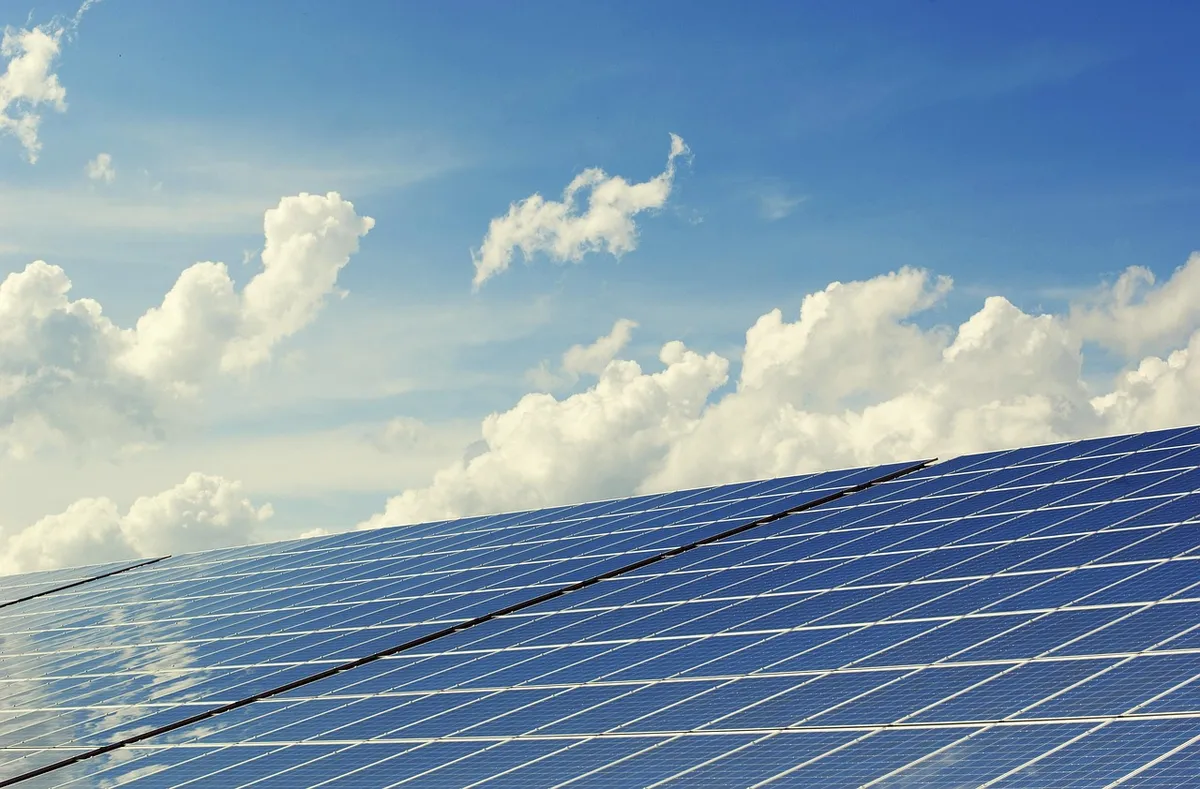
Key takeaways include the use of diverse technology networks, the role of demand response in managing peak loads, and the importance of real-time data to prevent costly outages.
How smart grid power stability works through technology integration
A technician adjusts a solar panel tilt while a technician nearby monitors a battery energy storage system.
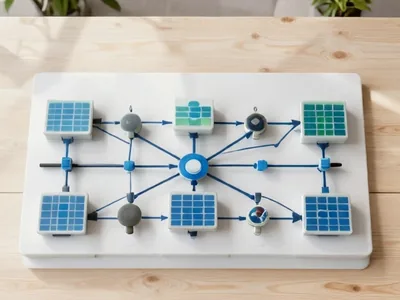
These technologies are installed within the Los Angeles Department of Water and Power and Southern California Edison territory as a network of EV chargers, battery energy storage systems, solar panels, DC fast charger, and Vehicle-to-Grid (V2G) units.
The integration of these diverse components allows for a more resilient energy ecosystem. By utilizing a mix of generation and storage, the network can better handle fluctuations in supply.
This technological variety ensures that the grid remains functional even as renewable energy sources vary throughout the day.
I find that the second step in this integration process is the most extensive.
How can consumer response manage power demand?
During the evening rush, an operator stares at the glowing screen while feeling the hum of the smart meter data streaming through the office. An operator monitors a screen showing shifting electricity usage across a city. As of May 1, 2015, most Ontario electrical utilities have completed converting all customers to "smart meter" time-of-use billing with on-peak rates about 200% and mid-peak rates about 150% of the off-peak rate per kWh.
This pricing structure incentivizes consumers to shift their usage to off-peak hours, which reduces the strain on the grid during high-demand periods. By managing these shifts, the grid can avoid the need for expensive, last-minute capacity additions.
Such demand-side management is a cornerstone of modern grid stability.
- Analyze current consumption patterns.
- Implement demand response protocols.
- Adjust load distribution based on real-time feedback.
How can energy storage integrate with renewables? A technician checks the connection on a large-scale battery bank during a sunset. The integration of energy storage allows the grid to store excess power generated during peak production for later use. This capability is essential for managing the intermittent nature of renewable energy sources.
| Component | Function in Stability |
|---|---|
| Battery Storage | Buffers supply fluctuations |
| Solar Panels | Provides distributed generation |
Using these assets helps maintain a steady supply of electricity when natural generation drops. This balance is vital for preventing sudden drops in voltage that could affect consumer electronics.
Optimizing power supply demand with real-time data
A data analyst reviews a dashboard of fluctuating power levels in a control room.
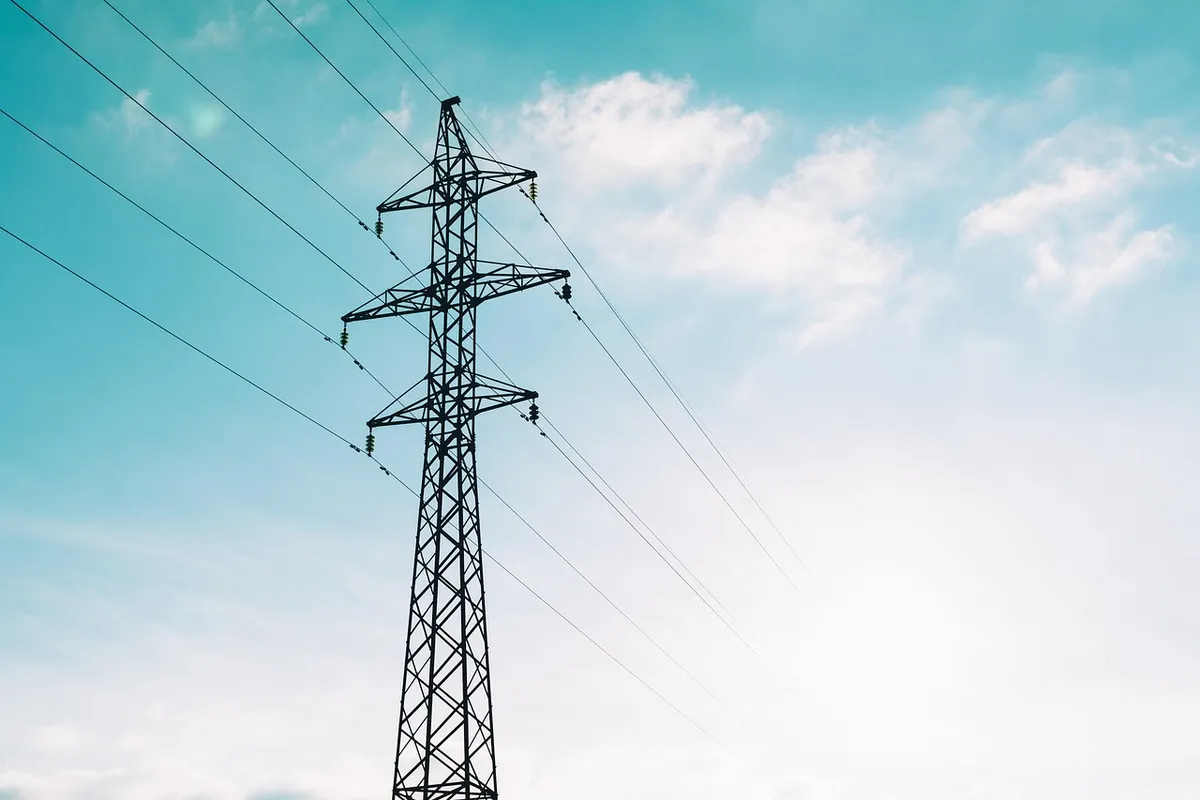
One major challenge in grid management is the latency of data flow, where some early smart meter architectures allowed as long as 24 hours delay in receiving the data, preventing any possible reaction by either supplying or demanding devices.
To maintain stability, the grid requires rapid communication between the utility and the end-user. Real-time data allows for immediate adjustments to supply or demand, preventing the kind of imbalance that leads to brownouts.
Modern digital architectures aim to minimize this delay to ensure instantaneous response.
How smart grids stabilize power through local generation
An engineer inspects a small power station located in a rural area. One method of enhancing stability is through the use of micro-grids, which can serve a 30–50 km radius.
Small power stations of 5–10 MW can serve these micro-grids to generate power locally and reduce dependence on long-distance transmission lines.
Local generation reduces the energy lost during transport and makes the system more resilient to large-scale failures. If a main transmission line fails, these localized systems can often continue to provide essential services to their immediate area.
Optimizing power supply demand through smart infrastructure
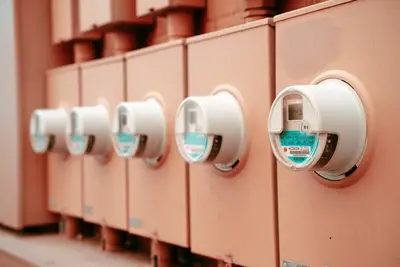
A technician installs a new smart meter in a residential setting. The physical infrastructure must meet specific regulatory standards to keep the power flow steady. Consumer loads expect voltage within a certain range, and the regulators require it be within a certain percent of the nominal voltage.
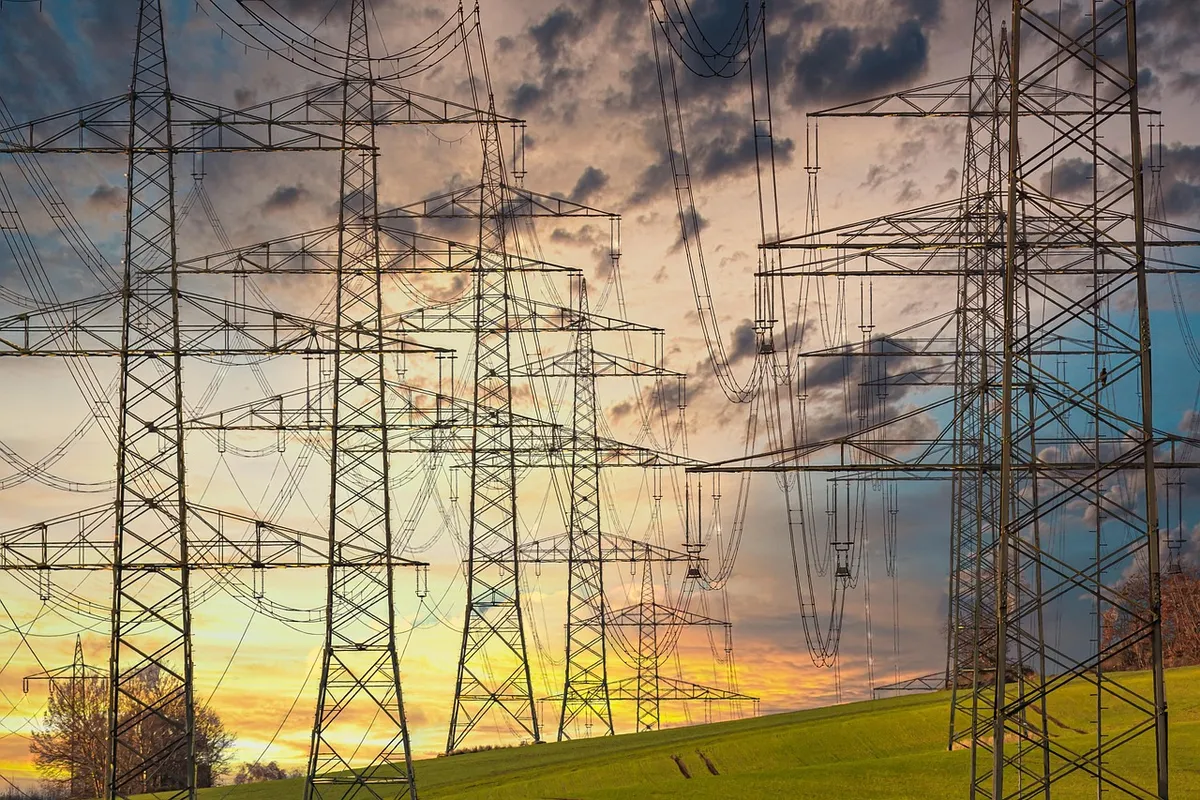
Reliable infrastructure ensures that the voltage remains stable for all connected devices. Without this precision, the much-needed stability of the grid would be compromised.
The subject here is Smart grid power stability.
The same subject is also called Grid stability smart tech.
The same subject is also called Power demand management.
The same subject is also called Energy storage grid role.
The same subject is also called AI power network control.
This part also covers AI in grid power efficiency.
Related
- Power market tech advances why renewables meet demands
- AI power grid optimization: Guide to balancing supply demand
Why is the last 10% of capacity critical?
The last 10% of generating capacity may be required as little as 1% of the time, yet it is vital for managing peak loads. If the grid fails to balance this final portion of demand, brownouts and outages can be costly to consumers.
- Monitor peak demand periods. 2. Utilize battery storage to buffer supply fluctuations. 3. Implement demand response to shift usage to off-peak hours.
Failure to manage these fluctuations can lead to sudden drops in voltage. Ensuring the grid can handle these shifts prevents the need for expensive, last-minute capacity additions.
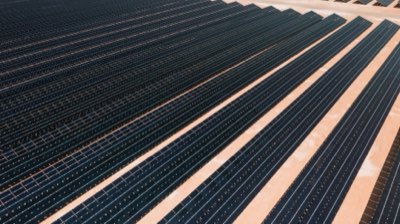
Wikipedia: Solar power in Pakistan Based on the retained excerpt mentioning Sindh Environmental Protection Agency: The project was developed by Oracle Energy and China Electric Power Equipment and Technology (CET), and was approved by the Sindh Environmental Protection Agency (SEPA) in May of 2024.

Comments 0