AI power grid optimization: Guide to balancing supply demand
"The complexity of modern energy needs requires a shift from passive delivery to active management through intelligent systems."
AI power grid optimization involves integrating smart technologies to balance supply and demand dynamically. This guide explores how automation stabilizes the network, compares storage solutions, and identifies the roles of electric vehicles in modern energy ecosystems.
Key takeaways include the importance of storage duration, the integration of renewable sources, and the growing value of existing infrastructure.
How does AI power grid optimization work with distributed assets?
A technician monitors a digital dashboard where real-time data flows from various remote locations to a central hub. This process involves managing a diverse network of assets to ensure stability across the entire service area.
The integration of various technologies creates a cohesive ecosystem.
This variety allows for localized control and rapid response to fluctuations.
Smart grid AI efficiency relies on the ability to process data from these distributed nodes. By managing these assets, the system can balance local loads without manual intervention. This technological layering ensures that even as consumer needs change, the grid remains operational.
How does energy storage stabilize the grid using AI? An engineer adjusts the discharge rate of a large-scale battery unit to compensate for a sudden drop in solar output. The goal is to match the load profile perfectly to prevent frequency shifts.
The necessity of storage depends heavily on the percentage of renewable energy in the mix. Systems with under 40% variable renewables need only short-term storage. As the share of renewables grows, the requirements for duration and capacity become increasingly complex.
| Storage Type | Typical Use Case |
|---|---|
| Lithium-ion | Short-duration storage (under 8 hours) |
| Medium-duration | Essential at 80% renewable penetration |
Lithium-ion batteries are well suited for short-duration storage (under 8 hours), due to their lower cost and sensitivity to degradation at high states of charge. This makes them an ideal tool for managing daily peaks and troughs.
How do we integrate renewables AI into existing infrastructure?
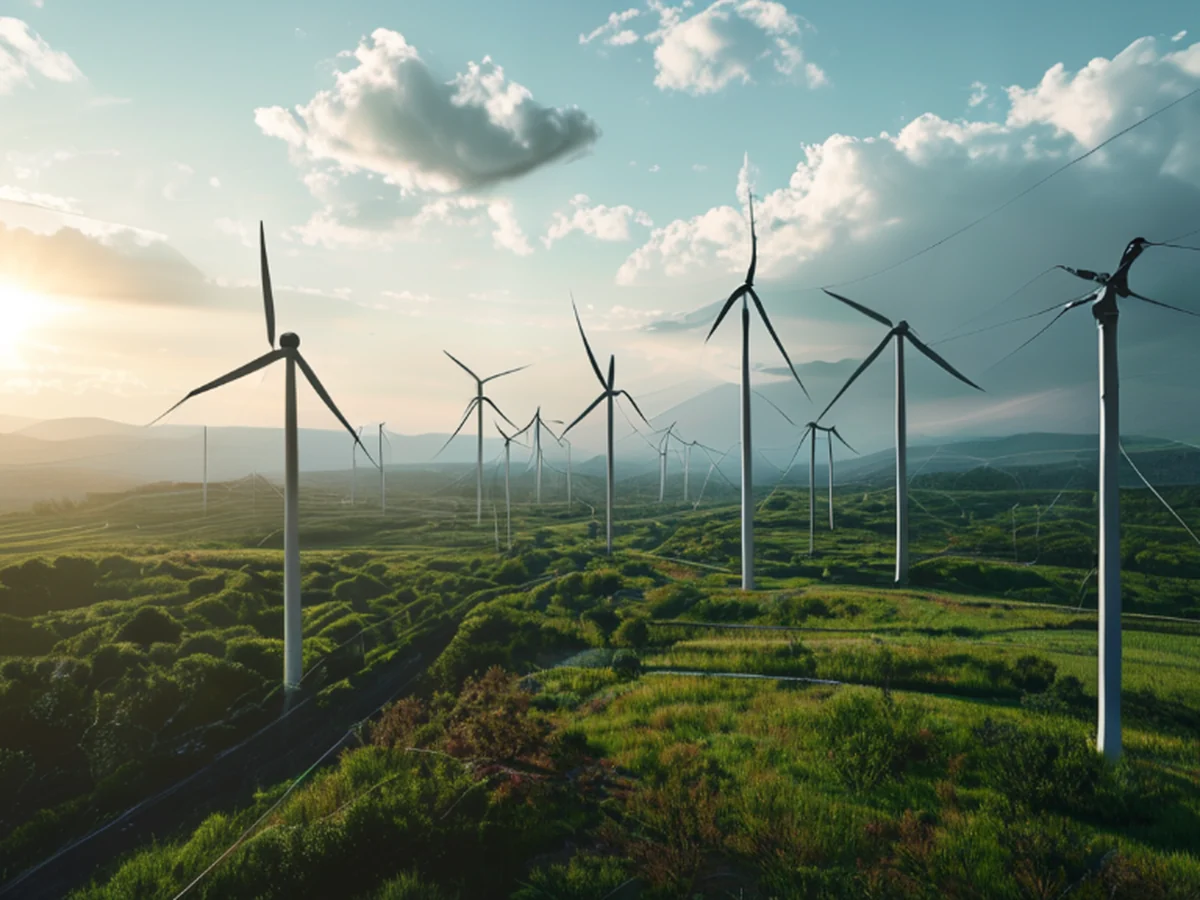
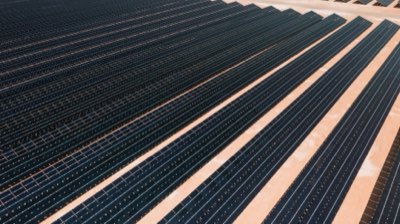
A field worker inspects a solar array while an automated system calculates the optimal time to feed energy back into the grid. The seamless transition between generation and storage is vital for maintaining balance.
According to The Photovoltaic Association, Australia had reached grid parity in 2012, ignoring feed in tariffs.
Integrating new energy sources requires managing the variable nature of wind and solar. Integrating renewables AI helps predict these fluctuations to prevent sudden surges or drops. This predictive capability allows the grid to prepare for weather-related changes in real-time.
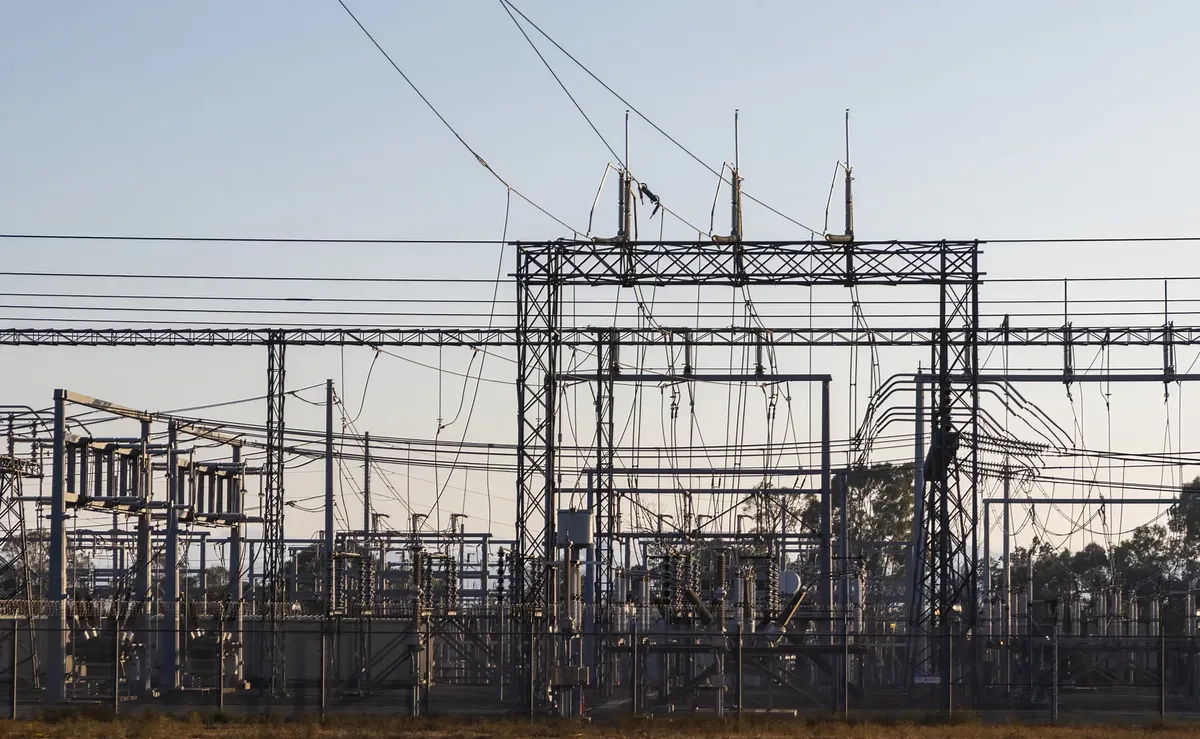
The current value of the infrastructure provides a foundation for these upgrades. A 2019 study from International Energy Agency estimates that the current (depreciated) value of the US electric grid is more than US$1 trillion. Leveraging this existing value is essential for a smooth transition.
Can AI energy storage manage electric vehicles effectively? A driver plugs an electric vehicle into a charging station, and the system begins communicating with the home's smart panel. The vehicle is not just a consumer of power but a mobile component of the grid.
One innovative approach involves using vehicles as part of the storage solution. This could be in the form of vehicle-to-grid (V2G), where cars store energy when they are not in use, or by repurposing batteries from cars at the end of the vehicle's life.
This turns a growing fleet of vehicles into a massive, distributed battery.
I observed how a single vehicle docking at a station could momentarily offset a local peak. This level of interaction is what makes the concept of a smart grid possible.
What are the steps for implementing V2G solutions?
A technician verifies the software settings on a V2G-enabled charging unit before connecting a vehicle. The process requires careful coordination between the vehicle's battery management and the grid's requirements.
Implementing these solutions requires a structured approach to ensure safety and longevity:
- Establish communication protocols between the vehicle's battery management system and the grid controller. 2. Configure charging and discharging schedules based on real-time demand and user availability. ly. 3. Monitor the state of charge to prevent deep discharges that could harm the battery.
A final check ensures that the power transfer meets the specific voltage and frequency requirements of the local transformer.
- Assess current grid compatibility and hardware requirements.
- Deploy communication protocols for bidirectional energy flow.
- Integrate AI-driven management software to balance loads.
- In this sequence, the second step is the most critical.
What are the limitations of battery-based grid storage?
An analyst reviews a report showing the degradation of a battery bank after years of heavy cycling. The trade-off between cost and longevity is a constant consideration in grid planning.
The effectiveness of storage is limited by the physical properties of the chemistry used. Second-hand batteries may be useable for stationary grid storage for roughly 6 years, when their capacity drops from roughly 80% to 60% of the initial capacity.
This lifespan limitation must be factored into long-term economic models.
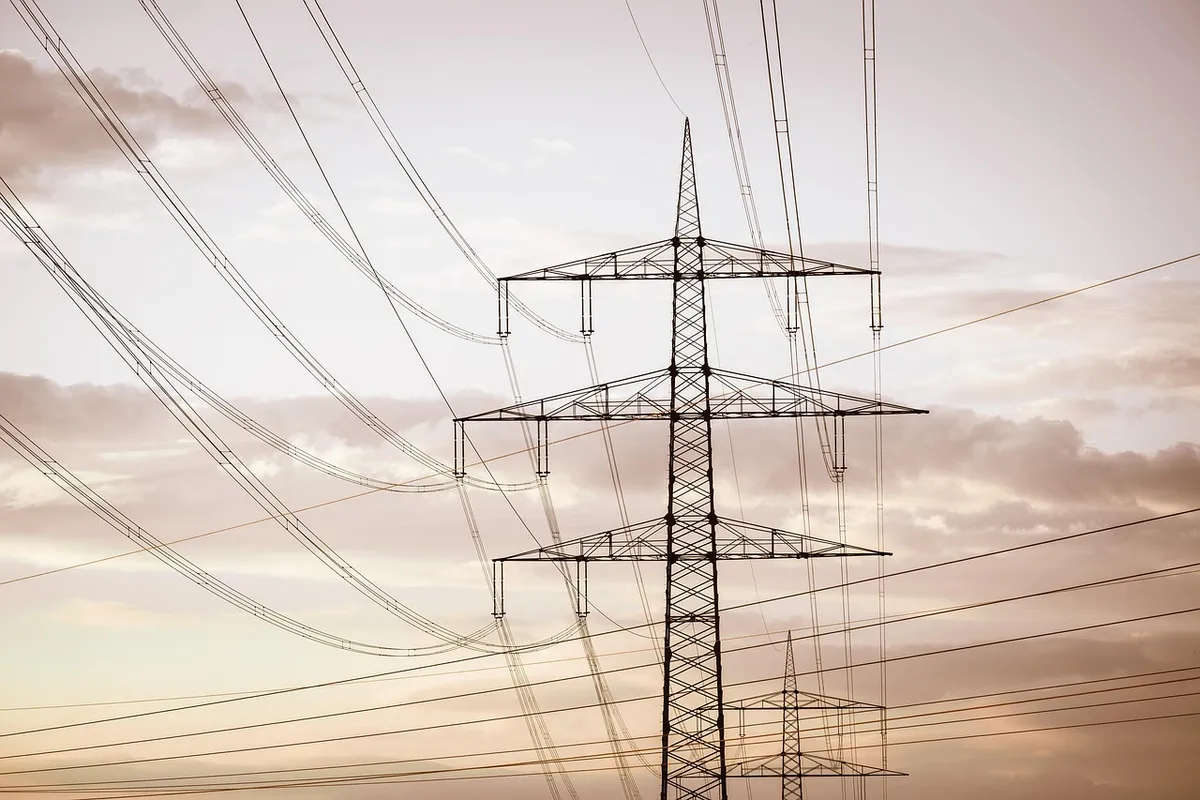
While automation can optimize usage, it cannot bypass the physical reality of chemical degradation. The duration and capacity of storage must always match the specific needs of the local grid.
Wikipedia: Nuclear power Based on the retained excerpt mentioning OECD: The levelized cost of electricity (LCOE) from a new nuclear power plant is estimated to be 69 USD/MWh, according to an analysis by the International Energy Agency and the OECD Nuclear Energy Agency.
The subject here is AI power grid optimization.
The same subject is also called Grid stability AI tech.
The same subject is also called Energy storage AI grid.
The same subject is also called Power market AI tools.
This part also covers AI for grid reliability.
This part also covers Optimizing power flow AI.
AI for grid reliability
Related

Comments 0