AI data center power crisis: Why renewable expansion helps
"The rise of massive computing needs is putting unprecedented pressure on aging electrical infrastructure, forcing a global conversation on how to balance stability with growth."
The growing demand from high-performance computing centers suggests a looming AI data center power crisis that could strain existing grids. This shift requires a strategic mix of renewable energy, nuclear stability, and smart grid management to prevent widespread instability.
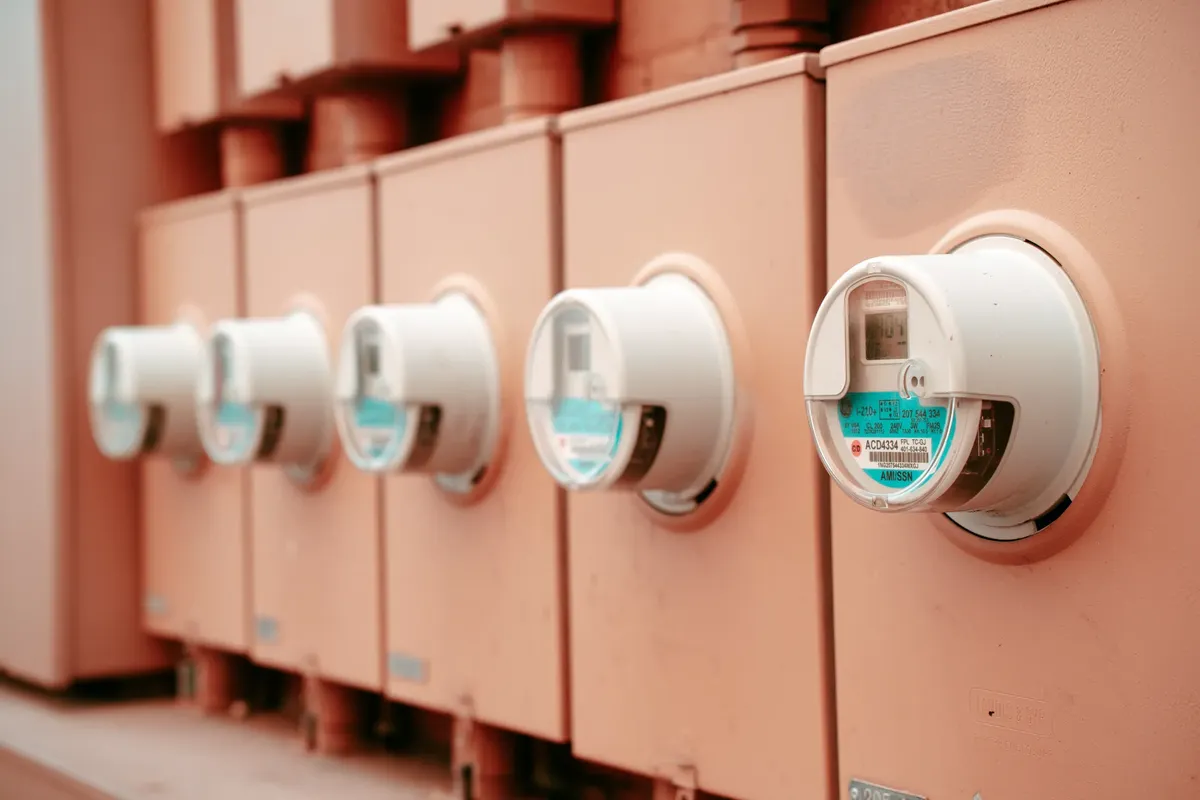
Key takeaways include the necessity of diversified energy portfolios, the role of base-load power in supporting heavy loads, and the potential for renewable expansion to mitigate shortages.
How can we manage an AI data center power crisis?
An engineer stands before a massive server rack, monitoring the fluctuating energy draw as cooling systems hum loudly. Managing an AI data center power crisis requires balancing immediate load spikes with long-term infrastructure reliability.
Providing enough electricity for massive server farms involves integrating diverse energy sources to ensure constant uptime.
According to the International Energy Agency, the use of local mini-grids run on solar power would contribute to the 60 percent of new connections expected to be to renewable power. This type of localized generation can help offset the pressure on central grids.
A technician adjusts a circuit breaker, noting how the sudden surge from a processing cluster affects the local voltage. To mitigate the impact of sudden demand, developers must look toward energy storage and diversified generation.
The goal is to match the high-density energy needs of modern computing with a stable supply that prevents the kind of outages seen in historical power-starved regions.
- Optimize hardware efficiency to reduce baseline consumption.
- Implement advanced cooling technologies to manage thermal loads.
- Integrate smart grid technologies for real-time load balancing.
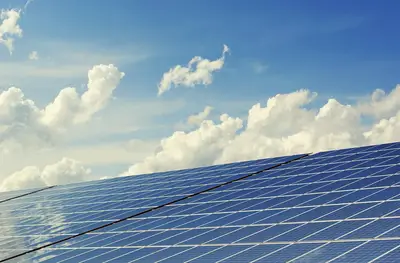
How will renewables meet data center power needs? A technician checks a solar inverter, watching the digital readout reflect the afternoon sun's intensity. Addressing data center power demand requires integrating variable renewable sources into a more resilient framework.
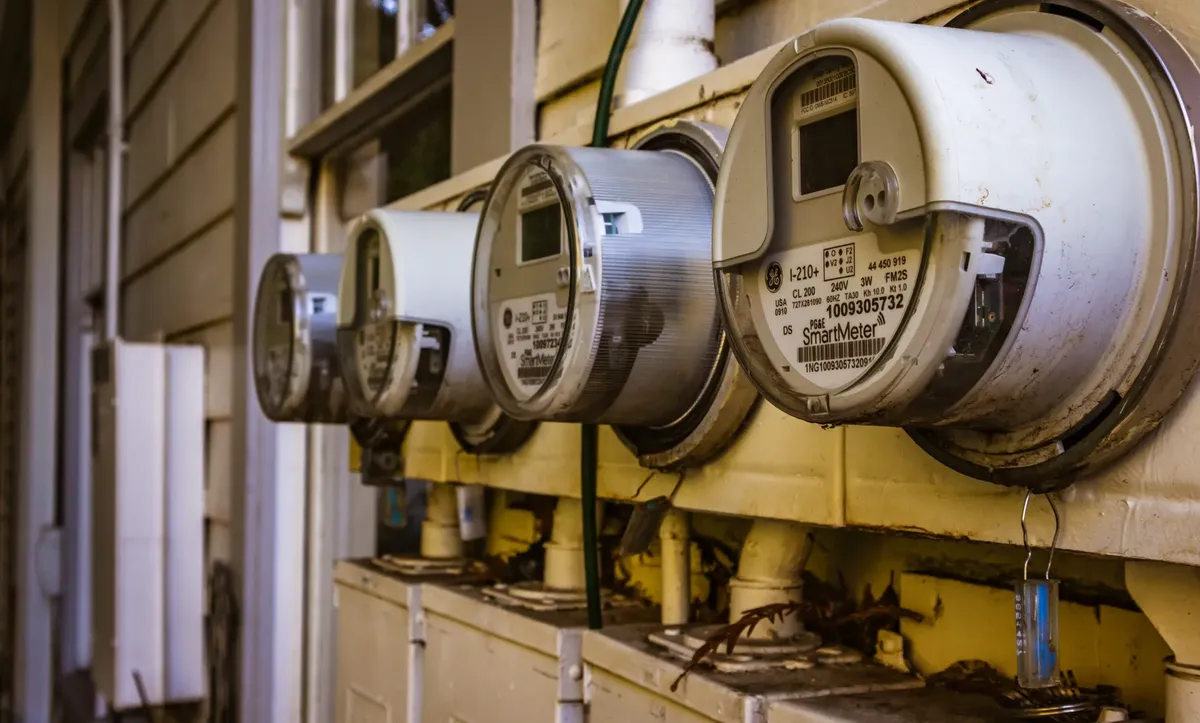
As renewable technology matures, it provides a path toward sustainable computing. In Spain, solar power accounted for 11.5% of total electricity generation in a recent year, showing how much the share has grown from 2.4% in 2010.
This growth demonstrates the potential for renewables to scale alongside rising industrial needs.
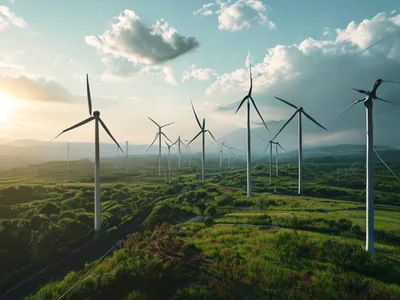
In another region, solar PV's share of total electricity generation continued to rise, reaching about 17% in 2024, up from 11.5% in 2022. This upward trend highlights the increasing role of solar in the global energy mix, even as other sources like wind remain significant.
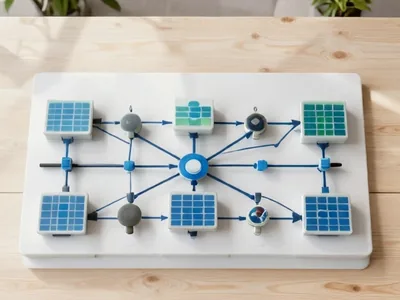
In this sequence, the first step is the most critical.
Will AI strain the grid enough to cause outages? A utility worker walks along a high-voltage transmission line, looking toward a distant horizon of industrial complexes. Understanding grid strain from AI is essential to preventing the instability that occurs when demand exceeds capacity.
Historical data shows that failing to manage load can lead to severe interruptions. In the past, power cuts with an average of 10 hours per day had been common in Nepal, where the Nepal Electricity Authority used to publish a timetable for such outages.
Such scenarios represent the extreme risk of failing to modernize the grid to meet sudden industrial surges.
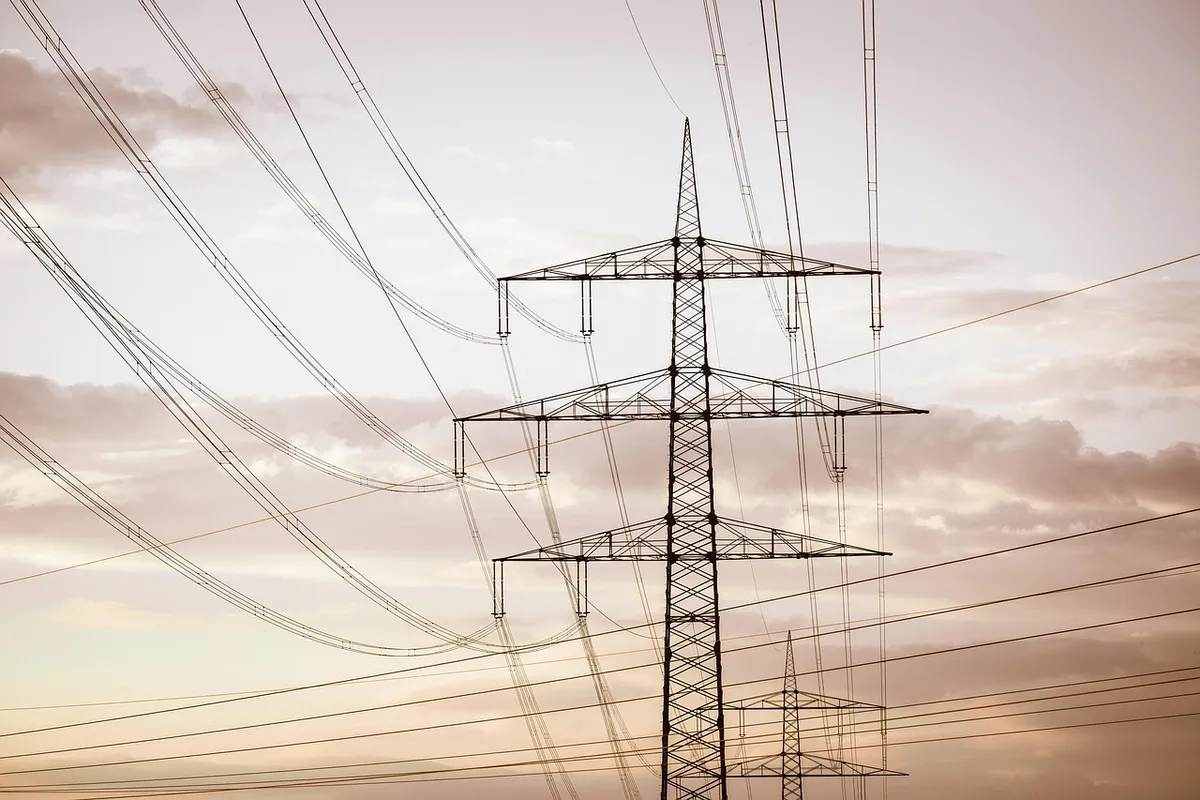
Modernizing the grid involves creating more robust connections to handle heavy-duty loads. Without sufficient infrastructure, the rapid expansion of energy-intensive facilities could lead to similar reliability issues in modern economies.
How does the future power shortage risk affect investment?
An investor reviews a spreadsheet of energy costs, comparing different power generation technologies. Evaluating the future power shortage risk helps stakeholders decide where to allocate capital for long-term stability.
One option for consistent power is nuclear energy, which provides a steady base load. According to an analysis by the International Energy Agency and the OECD Nuclear Energy Agency, the levelized cost of electricity (LCOE) from a new nuclear power plant is estimated to be 69 USD/MWh.
This predictable cost can be vital for industries requiring constant energy.
Another perspective focuses on the shifting landscape of solar technology. While solar capacity has grown, market dynamics change, such as when a country's share of PV manufacturing dropped to below 1% by 2019 due to the rise of state-backed production elsewhere.
What are the strategies for AI energy consumption load management?
A facility manager walks through a cooled data hall, observing the massive airflow from the ventilation systems. Managing the AI energy consumption load requires a combination of efficient hardware and smart energy procurement.
| Energy Source Type | Historical/Estimated Value |
|---|---|
| New Nuclear LCOE | 69 USD/MWh |
| U.S. Utility-Scale Solar | 1.8% of total U.S. |
I observed how different energy profiles, such as the 1.8% utility-scale solar generation in the U.S.
Effective management involves several steps: 1. Prioritize high-efficiency hardware to reduce the total load. 2. Integrate local renewable sources to supplement the main grid. 3. Develop robust energy storage solutions to manage peak demand.
A final check of the power distribution system ensures that the facility can handle both standard operations and peak processing periods.
This part also covers Impact of AI on power grid.
This part also covers Power market stability outlook.
Impact of AI on power grid
Related
- Smart grid power stability: Tips for managing peak loads
- Power market tech advances why renewables meet demands
What are the limitations of current energy storage solutions? Energy storage solutions, while crucial for managing load spikes, face constraints when dealing with the sheer scale of massive computing requirements. The effectiveness of these systems is tied to their ability to rapidly charge and discharge to meet instantaneous demands from high-performance computing centers. A caution exists regarding the duration of storage capacity relative to prolonged periods of peak energy draw.
Integrating energy storage must complement, not replace, stable base-load power sources. The comparison between short-term battery deployment and long-term grid stabilization reveals different operational needs for each technology.
Developers must consider the depth of discharge for any storage unit to ensure its longevity under continuous stress.
The rise of massive data centers demands storage that can handle significant energy throughput without degradation. If the storage cannot match the rate of energy consumption, the grid will still experience strain despite the presence of the backup system.
This necessitates a careful matching of storage technology to the specific power profile of the computing load.

Comments 0