Offshore wind AI grid integration: Why AI helps grid
"The transition to floating offshore wind technology represents a shift from predictable shallow-water installations to dynamic deep-water environments that require sophisticated management."
Effective offshore wind AI grid integration requires balancing variable generation with network stability through advanced monitoring and structural resilience. This analysis explores how floating technology and intelligent management can mitigate the challenges of deep-water wind power.
Key takeaways include the necessity of managing environmental variables, the potential for subsidy-free operations, and the importance of structural integrity during storm events.
How do offshore wind generation traits impact the grid?
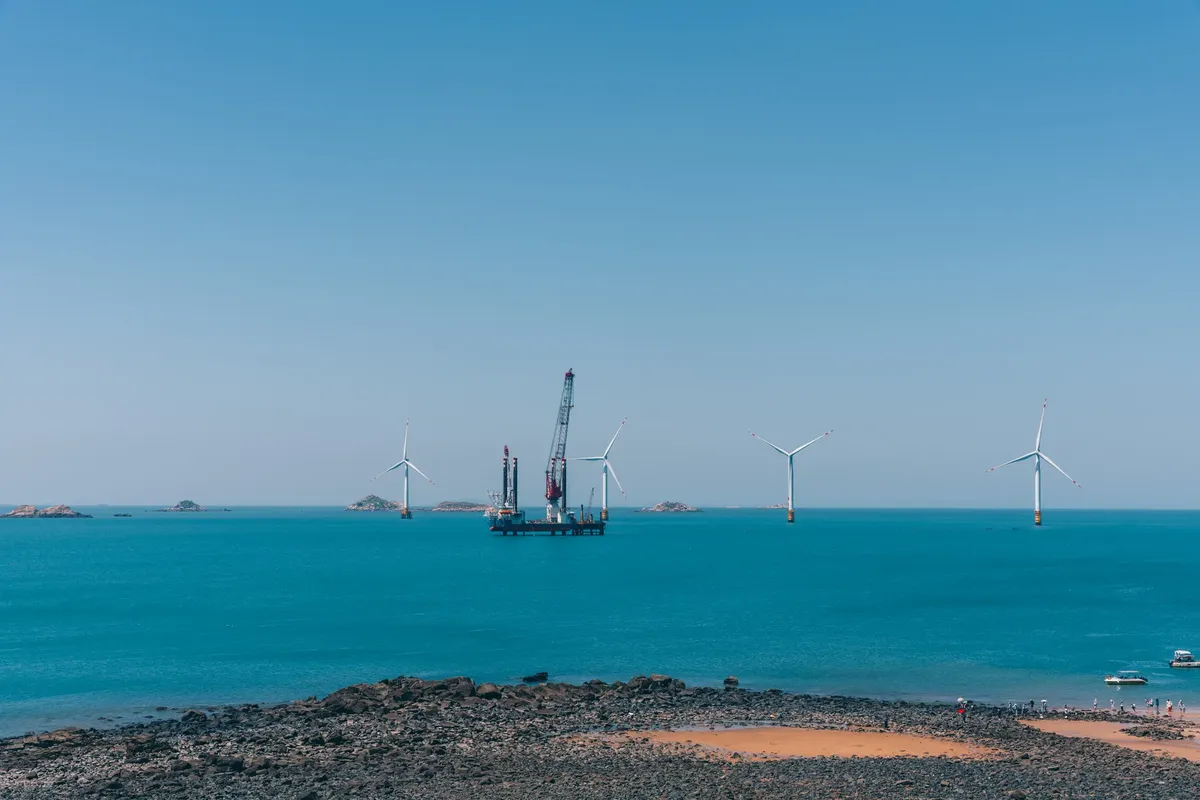
A technician monitors a digital dashboard as wind speeds fluctuate across a vast ocean expanse. These variable generation patterns, known as offshore wind generation traits, create significant challenges for energy storage for wind power and grid stability.
In the early stages of development, technical limitations were more pronounced.
According to the World Energy Council, in 2009, shallow-water turbines cost US$2.4-3 million per megawatt to install, while the practical feasibility and per-unit economics of deep-water, floating-turbine offshore wind were yet to be established.
Managing these shifts requires high-precision forecasting to prevent grid frequency instability.
As technology matures, these generation traits become more manageable through better hardware and data. Engineers must account for the natural variability of wind to ensure that the surge in power does not overwhelm local distribution hubs.
The variability of wind speeds and the distance from load centers create significant fluctuations in power supply and voltage levels.
Integrating AI into offshore wind grids An operator adjusts a control algorithm to balance the load between a wind farm and the main power line. Using AI enhancing wind power solutions allows operators to predict sudden changes in wind velocity and adjust turbine pitch or yaw in real-time.
Integrating intelligence into the system helps manage the inherent volatility of the sea. This process involves analyzing historical weather data alongside real-time sensor feedback to optimize the energy output of every turbine in a fleet.
Smart grid systems can act as a buffer, utilizing storage or demand-response protocols to smooth out the power flow. This level of automation is essential as more offshore capacity is added to the global energy mix.
- Collect real-time sensor data from turbines.
- Process data through predictive algorithms.
- Execute automated adjustments to stabilize output.
According to the World Energy Council, shallow-water turbines cost US$2.4-3 million per megawatt to install in 2009.
Can offshore wind stay stable in deep waters? A maintenance vessel navigates through heavy swells toward a floating platform anchored in deep water. Achieving grid stability with offshore wind requires robust mooring systems and advanced control logic to handle the movement of floating structures.
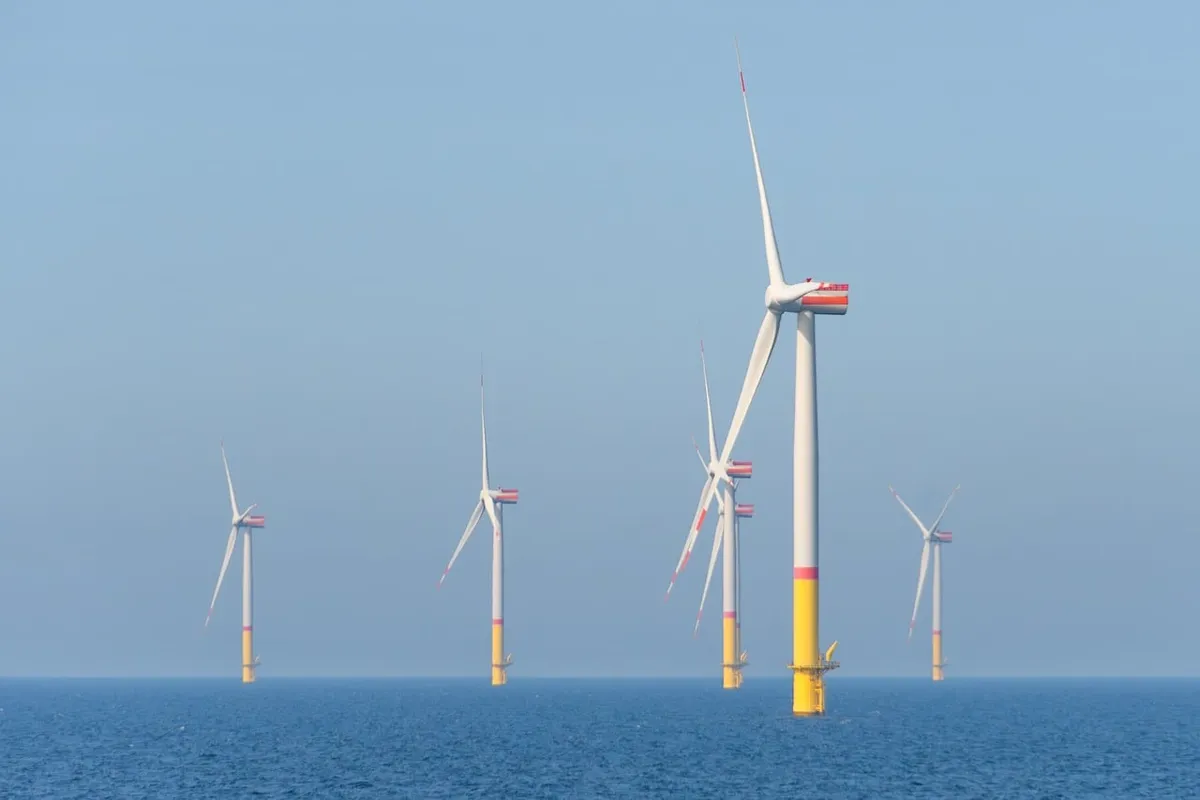
One method to maintain stability involves the use of specific mooring configurations. Taut mooring systems use synthetic rope to provide restoring force through the stiffness of the line, typically at an inclination to the seabed of 30 – 45 degrees.
These systems help maintain the turbine's position, which is critical for stable electrical connections.
The physical movement of a floating turbine can cause fluctuations in the electrical output. By stabilizing the platform's orientation, engineers can more effectively manage the power delivered to the shore.
In this sequence, the second step is the most critical.
What are the requirements for a smart grid for wind power?
A control room technician reviews a map of interconnected substations and offshore wind farms. Developing a functional smart grid for offshore wind requires seamless AI-driven integration with onshore substations.
The infrastructure must handle the unique loads of large-scale offshore farms. For instance, one project consists of 11 turbines and is expected to supply about 35% of the electricity needs for five nearby oil and gas platforms.
Such localized distribution requires precise load management to prevent outages at the receiving end.
Reliability is maintained through redundant communication links and automated switching. These components ensure that if one part of the network fails, the rest of the grid remains operational.
A smart grid requires high-speed communication networks, advanced energy storage systems, and bidirectional power flow capabilities.
How can we ensure long-term reliability?
A storm surge hits a coastal monitoring station, sending waves crashing against the structure. Ensuring long-term reliability means designing systems that can survive extreme environmental conditions while maintaining consistent output.
Systems must be tested against severe weather to prove their durability.
During deployment, some units have experienced numerous storm events representative of design environmental conditions prescribed by the American Bureau of Shipping (ABS) Guide for Building and Classing Floating Offshore Wind Turbines, 2013.
Engineers also look toward economic sustainability to ensure the technology remains viable.
According to a study completed by the Offshore Renewable Energy (ORE) Catapult's Floating Offshore Wind Centre of Excellence (FOW CoE), UK floating offshore wind could reach “subsidy-free” levels by the early 2030s.
Reliability is maintained through regular maintenance schedules, hardware redundancy, and robust forecasting models.
What are the limitations of current technology?
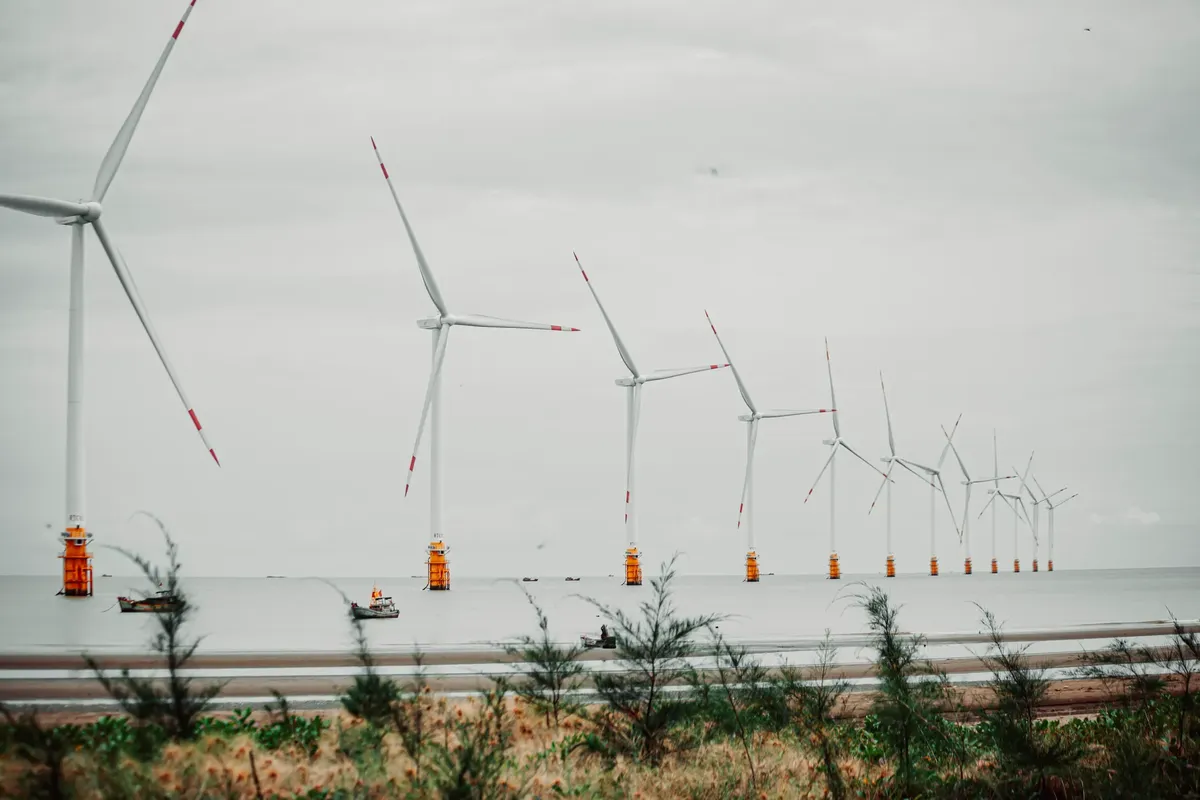
A researcher notes the difficulty of deploying heavy equipment in remote maritime locations. A primary limitation is the logistical difficulty of installation and the high cost of specialized vessels in deep-water environments.
The economic and physical constraints of the ocean can limit deployment. For example, the feasibility of deep-water, floating-turbine offshore wind was not yet established during the period when shallow-water costs were being recorded.
While advancements are being made, the complexity of offshore environments remains a significant hurdle. The cost of heavy lift vessels and the difficulty of deep-sea maintenance continue to influence the pace of global adoption.
Current limitations include energy loss during long-distance transmission and the high cost of deep-sea infrastructure.
Related
Comments 0