ESS for grid stabilization: Why storage helps power systems
"The stability of our power systems depends on how we manage the flow of energy between generation and consumption."
Energy storage systems (ESS) serve as the critical bridge between intermittent renewable sources and a steady electricity supply.
This guide explores how these technologies facilitate grid stability, examines various storage methods, and addresses the technical challenges of integrating variable power into a modern infrastructure.
You will learn about chemical conversion methods, the role of hydrogen, and the inherent limitations of current energy conversion processes.
How does ESS for grid stabilization work?
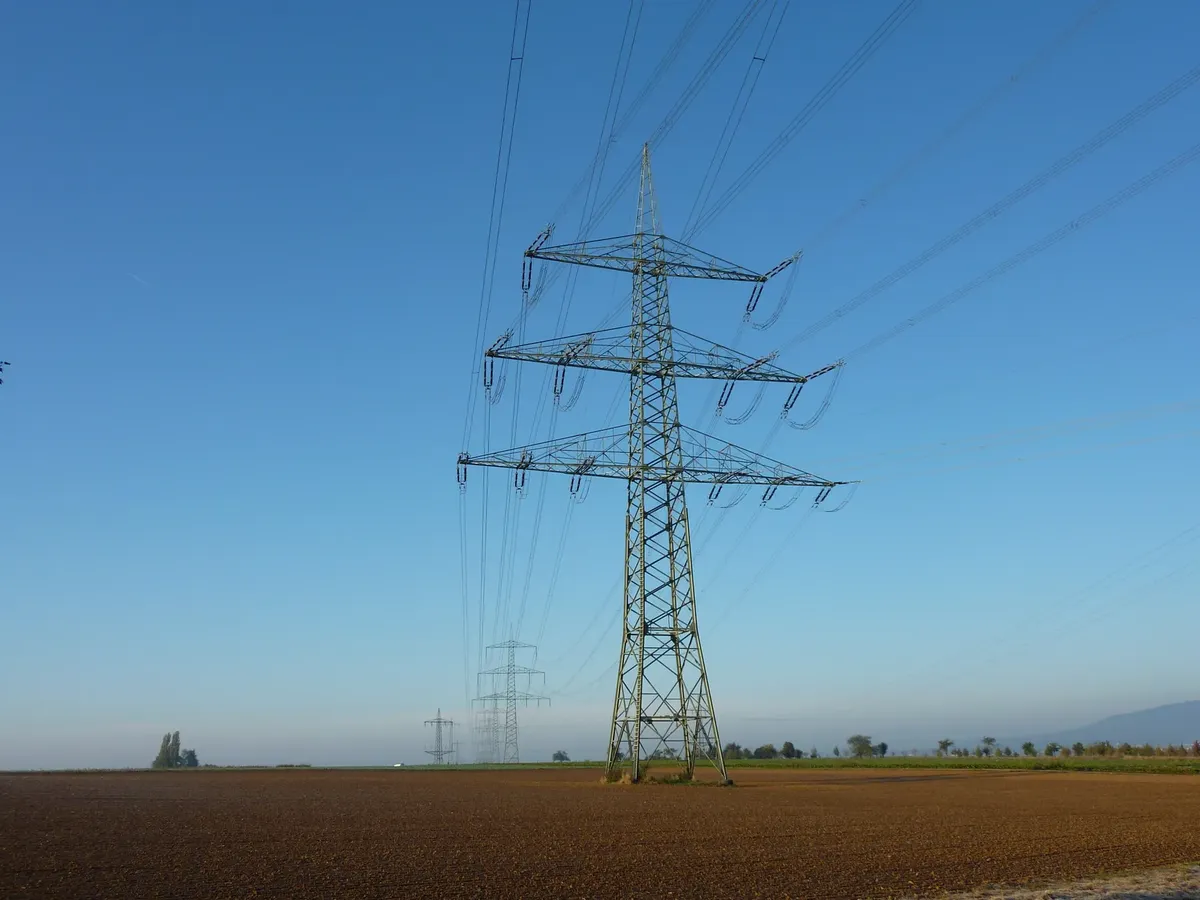
At midnight, the technician grips the cold metal lever to stabilize the fluctuating grid.
A technician adjusts the voltage settings on a control panel to balance a sudden surge in local demand. This immediate response is the core of energy storage grid support, where systems absorb excess energy during low demand and release it during peaks.
By smoothing these fluctuations, the technology prevents frequency shifts that could damage equipment.
Energy storage grid support involves managing the timing of energy delivery to match the load requirements of the population. Systems can act as a buffer, holding energy produced by wind or solar when it is abundant.
This capability ensures that the grid remains reliable even when weather conditions change unexpectedly.
The process of managing these flows requires high-speed response times and sophisticated software. When a sudden drop in generation occurs, the system can discharge power instantly to prevent a blackout. This rapid reaction helps maintain a consistent frequency across the entire network.
How can I integrate ESS with renewable energy? An engineer monitors the flow of hydrogen gas through a specialized pipeline to ensure steady pressure. One way to manage surplus energy is through chemical processes, such as combining hydrogen with carbon dioxide to produce methane.
This methanation, often through the Sabatier reaction or biological methods, provides a way to store energy in a versatile fuel form.
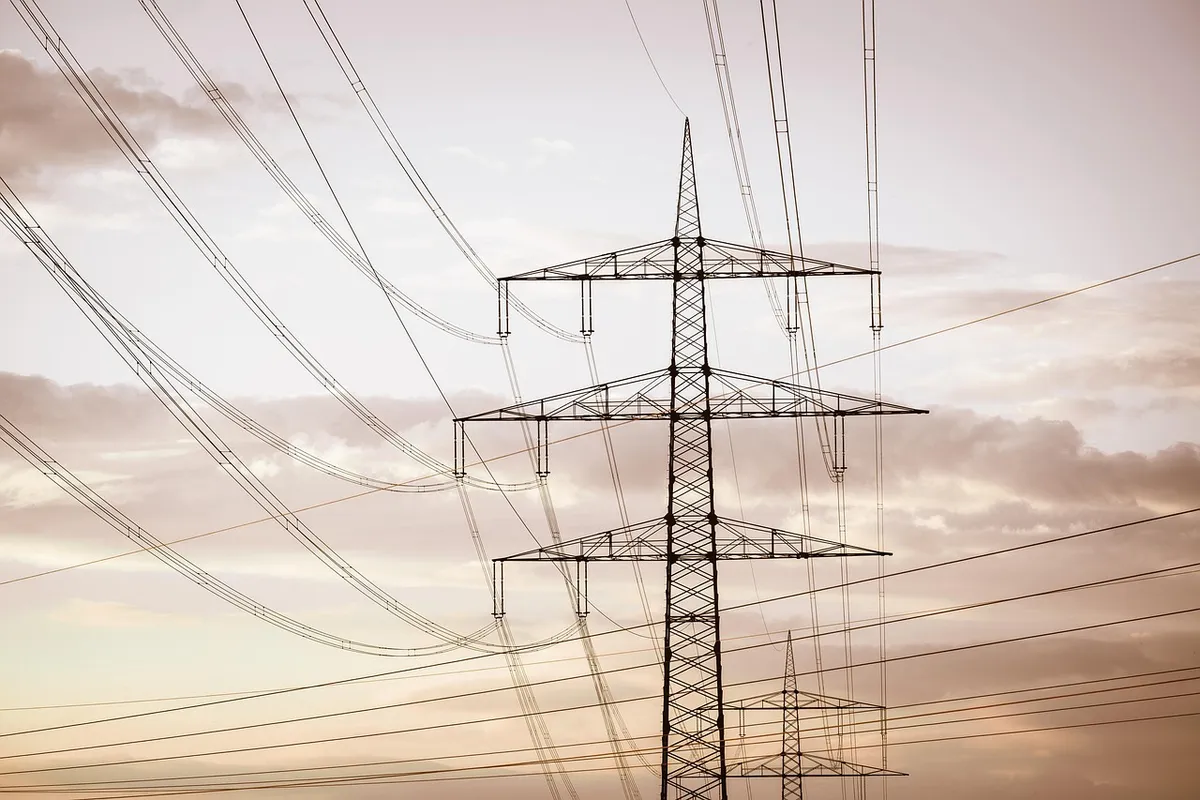
According to technical assessments, using the Sabatier reaction or biological methanation results in an extra energy conversion loss of 8%. This loss represents the trade-off for converting electricity into a storable gas.
While this method allows for long-term storage, the efficiency loss must be managed during the design phase.
Integrating these fuels into existing infrastructure provides a way to use gas networks for energy storage. This approach helps bridge the gap between seasonal energy production and seasonal demand.
The ability to turn electricity into a stable chemical compound is a cornerstone of long-term energy planning.
How can we achieve power grid stability with ESS?
At midnight, the operator stares at the flickering screen in the silent control room while adjusting the battery output to stabilize the grid.
An operator watches the digital readout of a large-scale battery array as it stabilizes a local circuit. Achieving consistent output requires managing the various stages of energy conversion and discharge.
This involves balancing the input from renewable sources with the immediate needs of the electrical grid.
One strategy involves using different types of storage to handle different time scales. For instance, short-term batteries handle sudden spikes, while chemical or much larger-scale systems handle longer-term shifts.
This multi-layered approach ensures that the grid remains robust under various conditions.

Managing these different layers requires precise coordination to prevent instability. If the discharge rate is not perfectly timed, it could create new oscillations in the power frequency. Therefore, the control systems must be as reliable as the hardware itself.
What are the main ways I can use ESS? A facility manager inspects a large containerized battery system located near a wind farm. Different use cases exist, ranging from peak shaving to frequency regulation and black-start capabilities. Each application requires a specific set of technical parameters to be effective.
According to the World Nuclear Association, all parts of the world are involved in nuclear power development.
| Method | Primary Purpose | Technical Note |
|---|---|---|
| Chemical Methanation | Long-term fuel storage | 8% conversion loss |
| Battery Systems | Rapid response | High-speed discharge |
I observed how these different applications require specific hardware configurations to meet the needs of the local grid. For example, a system designed for daily cycles is much different from one designed for seasonal storage.
Choosing the right application is essential for cost-effective grid management.
What are the technical limitations of energy storage?
A researcher notes the temperature fluctuations in a storage tank during a conversion cycle. Every method of shifting energy from one form to another involves some degree of inefficiency. These losses are a fundamental reality of thermodynamics and must be accounted for in all energy models.
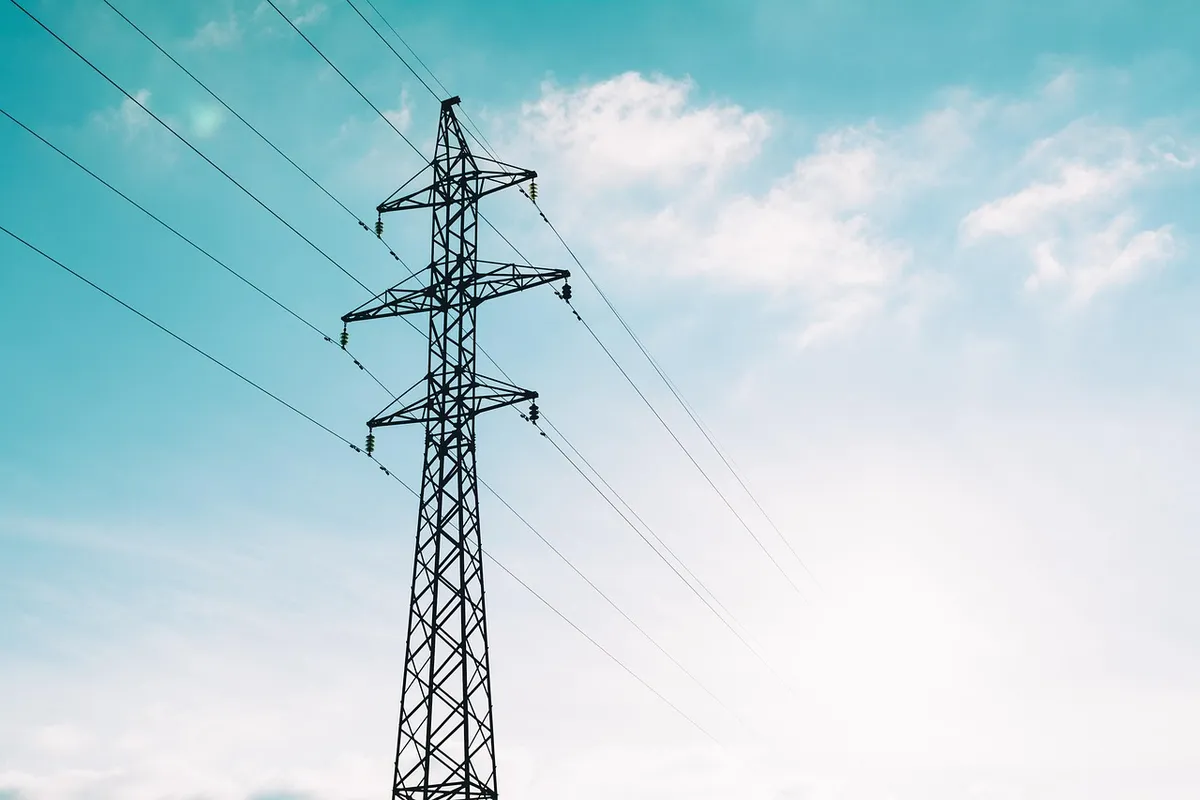
The 8% loss mentioned in the methanation process is a concrete example of how energy is lost during conversion. While these losses are manageable, they represent a significant factor in the economic viability of the technology.
Engineers must work to minimize these losses to make large-scale storage more competitive.
A limitation of using chemical methanation is that the process results in an extra energy conversion loss of 8%.
- How does ESS for grid stabilization work?
- What are the methods for renewable energy integration ESS?
- How can we achieve power grid stability ESS?
Related
- ESS for grid stability analysis: Tips for storage systems
- ESS for grid stability: 80% VRE needs 9.6 TWh guide
When is chemical storage preferable to battery storage for power stability? Chemical storage is advantageous when the required duration of energy holding extends beyond the capacity of short-term battery systems. The long-term nature of chemical methanation allows for bridging seasonal energy production gaps, a task batteries are ill-suited for. Battery systems excel in providing the rapid response needed for immediate power stability needs.
What conditions necessitate a multi-layered ESS approach? A multi-layered ESS approach becomes necessary when the power system faces fluctuations across diverse time scales. Short-term batteries address sudden spikes in demand, while larger chemical systems manage slower, sustained changes in power availability. This layered management ensures comprehensive power stability.
The coordination among these different storage layers demands precise control to avoid introducing new instabilities into the power flow. If the timing of energy release from one layer mismatches the needs of another, oscillations can arise in the power frequency.
Therefore, the control software must maintain high reliability alongside the physical hardware.
The inherent limitations of energy conversion processes mean that some degree of inefficiency is unavoidable in any system shifting power.
The 8% loss in methanation serves as a clear illustration of this thermodynamic reality when converting electricity into a storable chemical form for power stability.






Comments 0