ESS for grid stability analysis: Tips for storage systems
An aging grid requires reliable buffering to manage the fluctuations of renewable sources. Using ESS for grid stability analysis involves balancing intermittent supply with consistent demand through diverse storage technologies. Key takeaways include the massive scale of existing pumped-storage, the rapid growth of battery capacity, and the necessity of over-capacity in renewable systems to ensure total coverage.
How does current storage scale compare to modern needs?
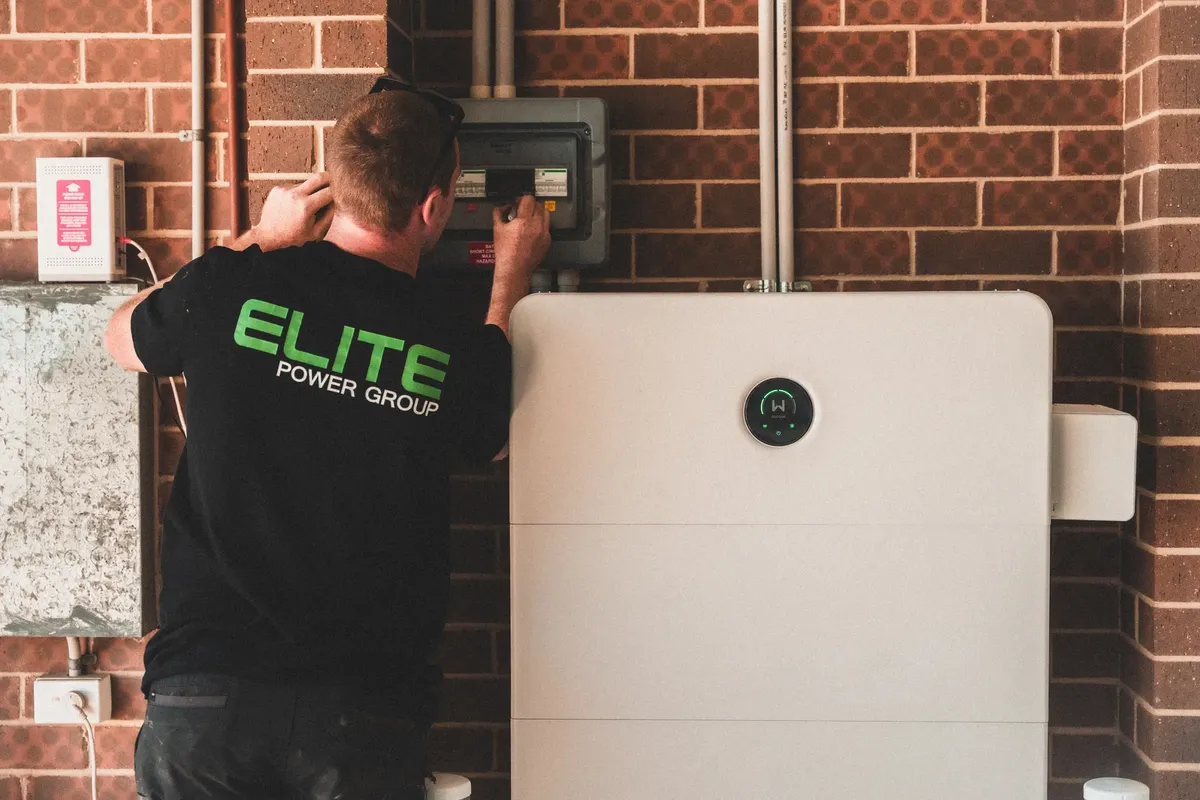
A technician examines a massive turbine at a hydroelectric dam, noting the sheer volume of water held in reserve. As of 2025, according to the International Hydropower Association, worldwide pumped-storage hydroelectricity (PSH) provides 200 GW of power and 9000 GWh of energy storage.
While these massive installations define long-term stability, the Battery energy storage system market is catching up very fast in terms of power generation capacity.
This comparison highlights the different roles within an energy storage grid support strategy. PSH offers massive, long-duration capacity, whereas battery systems provide more modular and responsive power.
This dual approach is essential for managing both seasonal shifts and sudden grid fluctuations.
| Storage Type | Power Capacity | Energy Storage Capacity |
|---|---|---|
| Pumped-storage (PSH) | 200 GW | 9000 GWh |
I observed that while PSH dominates in total energy volume, the deployment speed of battery technology is much higher.
Current infrastructure often lags behind the rapid growth of variable generation, creating a gap between available capacity and peak demand requirements.
Why is over-capacity necessary for renewable integration?
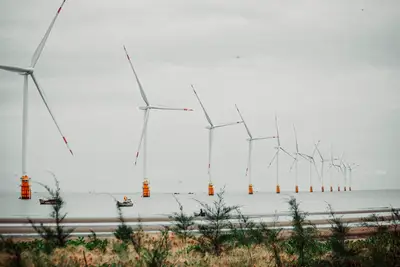
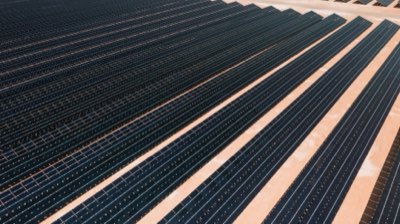
An engineer reviews a blueprint for a wind farm, noting the vast number of turbines required to meet peak demand. Because 100% renewable energy systems require an over-capacity of wind or solar power, the infrastructure must handle surplus generation during peak production.
This excess is vital to ensure that demand is met when weather conditions change.
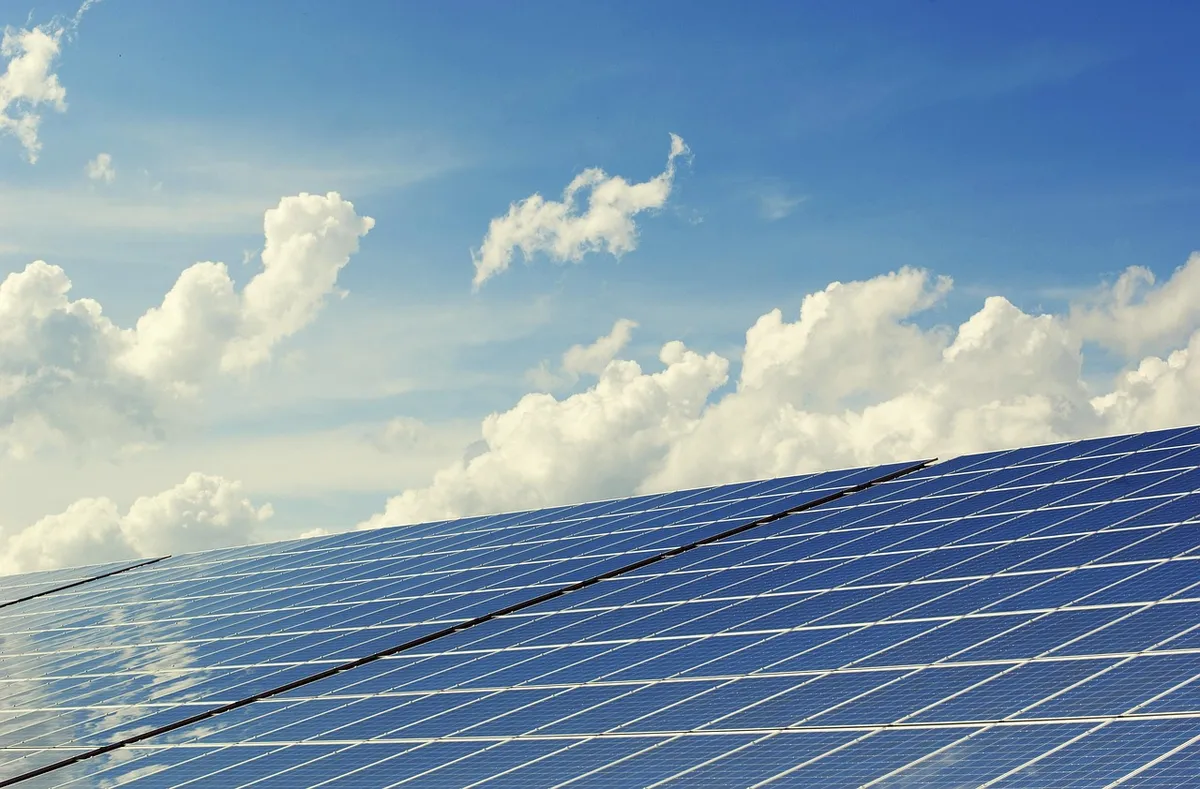
This requirement drives the need for ESS power system stability. Without significant over-capacity, the grid risks shortages during low-production periods. Integrating storage into the grid allows this surplus to be captured rather than wasted.
Building excess capacity ensures that energy remains available during extended periods of low generation, such as cloudy days or calm winds.
What role does over-capacity play in system reliability?
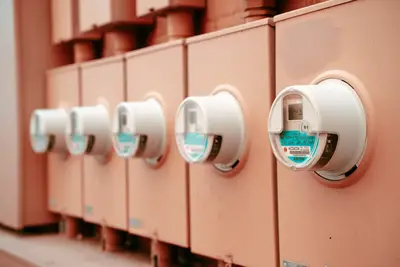
A technician monitors a substation during a sudden gust of wind, watching the meter fluctuate. On a monthly, weekly, daily, or hourly basis—or less—wind might supply as much as or more than 100% of current use, with the rest stored, exported or curtailed.
This variability makes storage an indispensable tool for managing variable renewable energy.
Grid stabilization with ESS involves capturing this massive surplus to prevent curtailment. By storing excess energy, the system can maintain a steady supply even when the wind stops blowing.
Maintaining a buffer of extra capacity prevents sudden shortages and provides the necessary headroom to stabilize the grid during unexpected fluctuations.
How can storage facilitate a transition to 100% renewable energy?
A researcher examines a new chemical composition in a laboratory setting, looking for ways to increase density.
Such industry might include the production of silicon, aluminum, steel, or natural gas, and hydrogen, and using future long-term storage to facilitate 100% energy from variable renewable energy. These diverse sectors work together to build a resilient energy foundation.
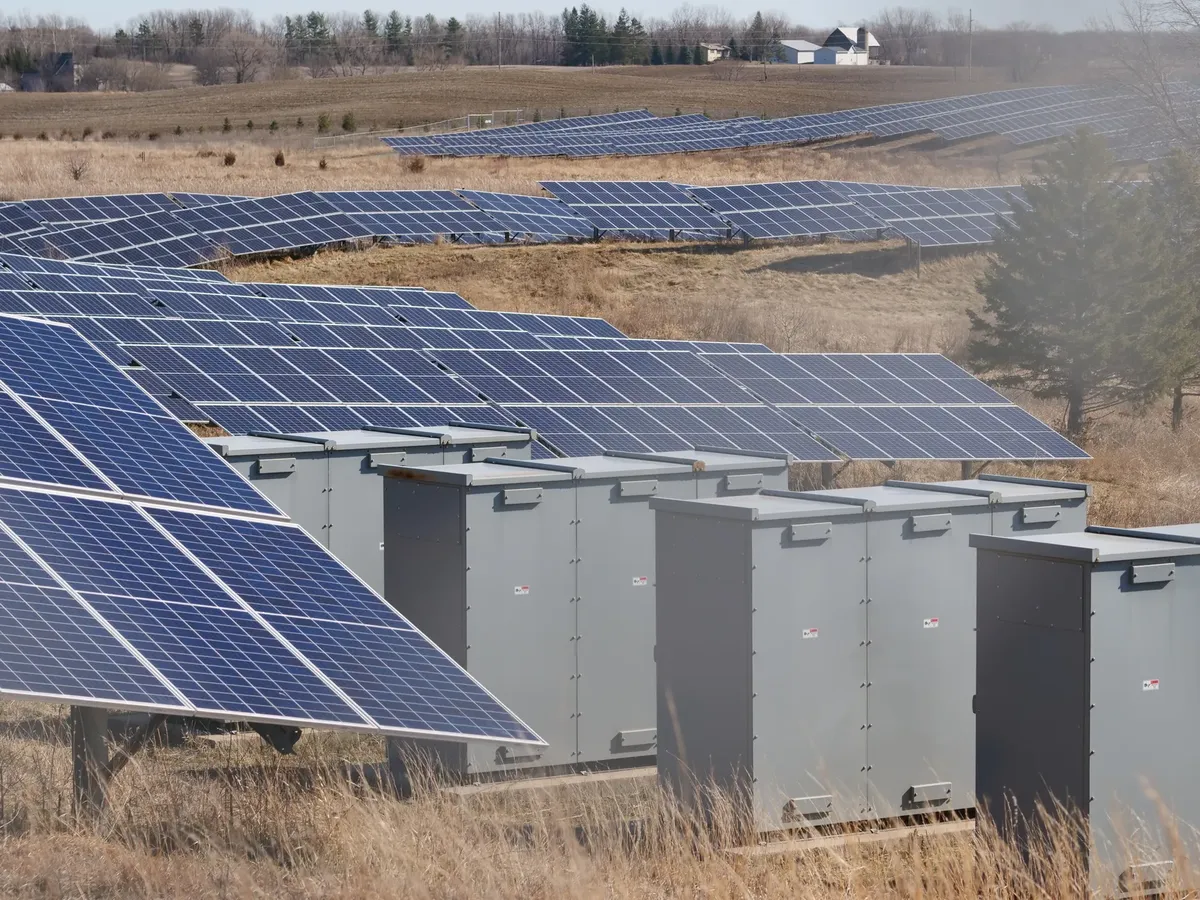
The integration of hydrogen and other long-term storage mediums provides a way to bridge the gap between intermittent generation and constant demand. This strategy ensures that the transition to renewables does not compromise reliability.
Large-scale storage acts as a bridge, decoupling energy production from consumption to manage the inherent variability of natural resources.
What are the practical steps for implementing storage?
A project manager walks through a construction site, checking the placement of large-scale battery containers. Implementing a robust storage solution requires a systematic approach:
- Assess the specific capacity requirements to handle peak demand and variable supply. 2. Select the appropriate technology, such as PSH for long-duration or batteries for rapid response. 3. Integrate the storage systems with existing grid infrastructure to manage load.
A final check ensures that the storage capacity is sufficient to cover the projected over-capacity of the renewable sources.
- Assess local grid requirements and peak load profiles.
- Select appropriate storage technologies based on duration and discharge needs.
- Integrate the hardware into the existing electrical infrastructure.
Is there a limit to how much energy can be integrated?
A consultant looks at a map of regional power grids, calculating the potential for new connections. Studies have indicated that 20% of the total annual electrical energy consumption may be incorporated with minimal difficulty.
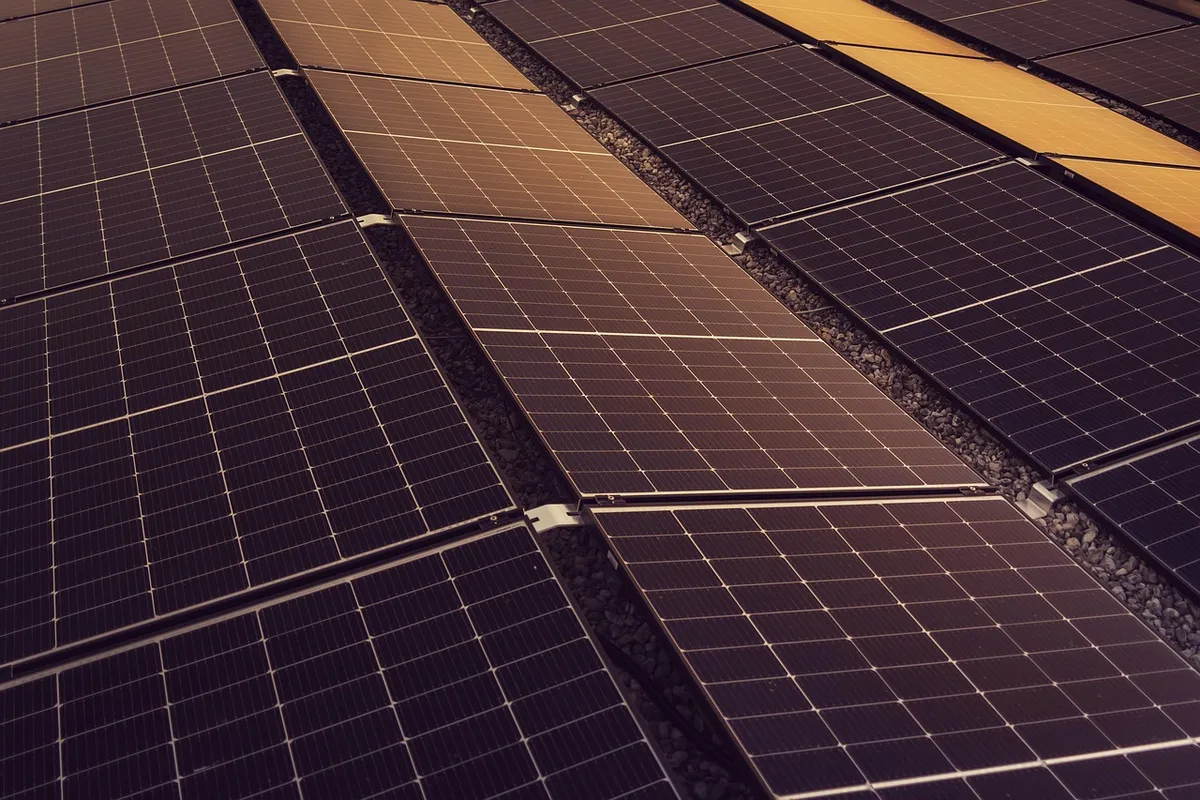
This suggests that while large-scale transitions are complex, incremental integration is highly feasible with current technology.
The primary limitation remains the physical capacity of existing grids and the cost of scaling storage to match the required over-capacity.
In this sequence, the second step is the most extensive.
Wikipedia: Energy storage Based on the retained excerpt mentioning Test and Commercialization Center: The State of New York unveiled its New York Battery and Energy Storage Technology (NY-BEST) Test and Commercialization Center at Eastman Business Park in Rochester, New York, at a cost of $23 million for its almost 1,700 m2 laboratory.
Related
- ESS for grid stability: 80% VRE needs 9.6 TWh guide
- ESS grid integration limits: Why lithium-ion is primary
How does the aging grid interact with storage needs?
The aging grid presents challenges that necessitate reliable buffering from energy storage systems. The existing infrastructure requires managing the fluctuations inherent in renewable energy sources.
ESS deployment helps stabilize the aging grid by balancing intermittent supply against consistent demand. This buffering capability is crucial for maintaining operational integrity in older power networks.
What are the risks of inadequate storage on an aging grid?
If storage capacity is insufficient, the aging grid faces risks related to supply variability. Without adequate buffering, sudden drops in renewable output could strain the existing system components.
The grid might experience instability when demand spikes unexpectedly against a backdrop of variable supply from renewable sources.
The comparison between PSH and battery systems shows how different storage types address the specific vulnerabilities of an aging grid. PSH offers the foundational, large-scale energy reserves needed for long-term stability within the aging grid structure.
Battery systems, conversely, offer the rapid response necessary to smooth out immediate, high-frequency fluctuations.
What are the conditions for successful renewable integration?
Successful integration of renewables hinges on meeting specific conditions related to system design and storage deployment. The necessity of over-capacity in renewable systems is a primary condition for ensuring total coverage.
Furthermore, the selection of the appropriate storage technology must align with the required response time for the aging grid. A systematic approach to implementation ensures these conditions are met.
The condition of sufficient over-capacity allows the system to capture surplus generation during peak production times. This captured energy then serves as a buffer, mitigating the impact of weather-related dips in renewable output on the aging grid.
This strategy moves the system away from reliance on immediate, perfect generation matching demand.



Comments 0