ESS grid integration limits: Why lithium-ion is primary
"The current value of the US electric grid is more than US$1 trillion," according to a 2019 study from the International Energy Agency.
Managing this massive infrastructure requires balancing intermittent sources with stable supply. This article explores ESS grid integration limits, focusing on how to synchronize variable renewables with modern storage solutions.
You will learn about the requirements for different storage durations, the role of vehicle-to-grid technology, and the practicalities of using second-life batteries.

Key takeaways: * Variable renewable penetration levels dictate the necessary duration of storage. * Lithium-ion technology remains a primary solution for short-duration needs. * Second-life batteries offer a potential path for stationary grid storage.
How do variable renewables impact ESS grid integration limits?
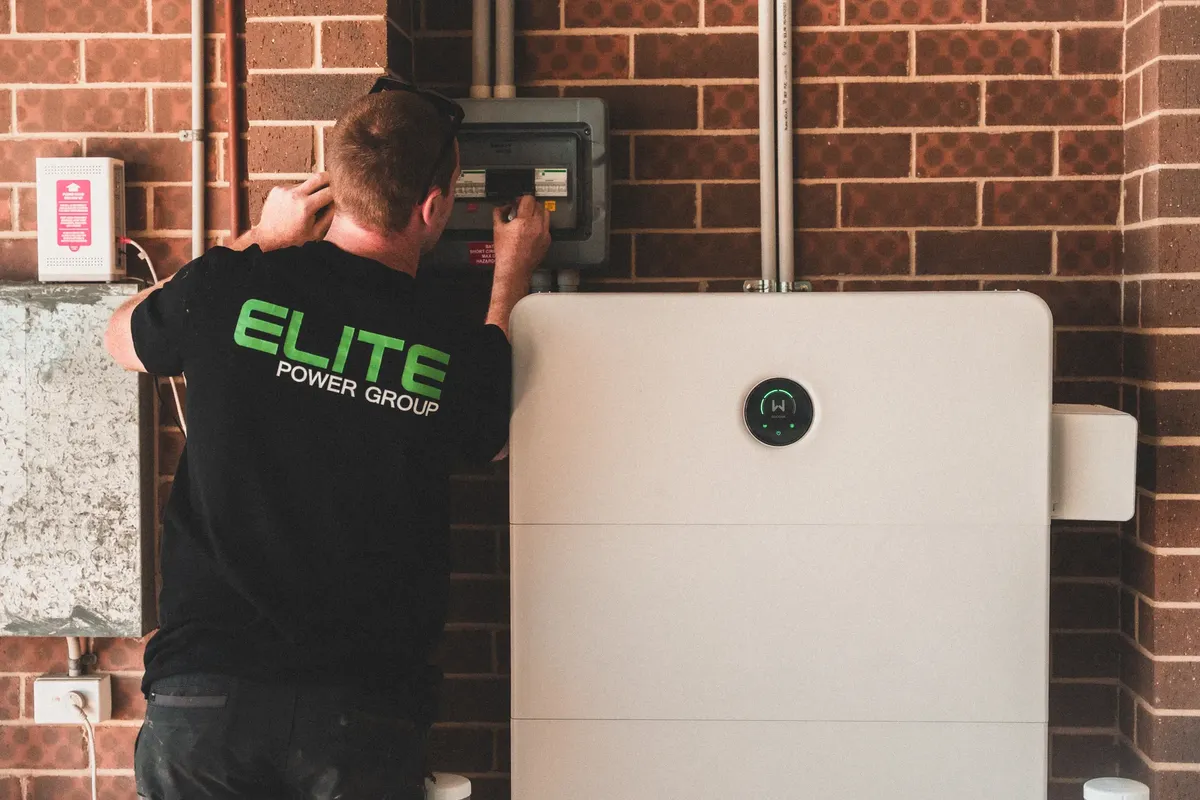
A technician adjusts a control panel to balance a sudden surge in solar output. The shift in energy flow requires immediate response to maintain frequency stability.
The level of renewable penetration directly determines the type of energy storage system required for stability. For systems with under 40% variable renewables, short-term storage is generally sufficient to manage fluctuations.
However, as penetration reaches 80%, medium-duration storage becomes essential, and beyond 90%, long-duration storage becomes necessary to maintain reliability.
Improving energy storage requires understanding these specific thresholds to prevent grid instability. As renewable shares grow, the complexity of managing these shifts increases.
What are the characteristics of lithium-ion technology?
An engineer inspects a rack of lithium-ion cells in a climate-controlled room. The quiet hum of the cooling system maintains the optimal environment for the hardware.
Lithium-ion batteries are specifically well-suited for short-duration storage, typically covering periods under 8 hours. This suitability exists because of their lower cost and sensitivity to degradation when held at high states of charge.

Energy storage grid tech must account for the declining costs of these units. From 2010 to 2023, battery costs fell by 90%. Additionally, lithium-ion batteries have been getting some 20% cheaper for each doubling of worldwide capacity.
How can vehicle-to-grid technology improve energy storage?
An electric vehicle plugs into a charging station at a local parking garage. The digital interface shows a bidirectional flow of energy between the car and the grid.
Vehicle-to-grid (V2G) technology allows cars to store energy when they are not in use, providing a flexible resource for the grid. This can also involve repurposing batteries from cars at the end of the vehicle's life to serve stationary needs.
As of 2024, there have been more than 100 V2G pilot projects globally. Power grid integration fixes through V2G can have varying effects on battery life.
Increased cycling can lead to faster degradation, but better management of the state of charge and gentler charging and discharging might instead increase the lifetime of batteries.
Can second-life batteries be used for stationary storage?
A worker moves a large, refurbished battery module into a warehouse storage unit. The casing shows signs of previous use but remains structurally sound for its next purpose.
Second-hand batteries can be usedable for stationary grid storage for roughly 6 years. This period typically lasts until their capacity drops from roughly 80% to 60% of the initial capacity.
Renewable grid stability can be bolstered by these repurposed units, provided the degradation is managed. I observed how these modules are handled during testing to ensure they meet safety standards before being integrated into a stationary rack.
What are the trade-offs between different battery types?
A researcher compares the weight and efficiency of two different battery prototypes. One unit is much heavier than the other, requiring careful placement on the testing bench.
Different chemistries offer various advantages depending on the application. For example, flow batteries are inferior to lithium-ion batteries in terms of energy efficiency, averaging efficiencies between 60% and 75%.
If produced at the same scale as lithium-ion batteries, certain alternative chemistries may become 20% to 30% cheaper. Advanced power grid management requires selecting the right chemistry for the specific duration and cost requirements.
How do we manage battery aging and degradation?
A scientist monitors a digital readout showing the declining capacity of a test battery. The data points track the gradual loss of energy density over hundreds of cycles.
Managing the state of charge is vital to extending the life of energy storage systems. Because lithium-ion batteries are sensitive to degradation at high states of charge, careful management is required for both new and second-life units.
The lifespan of a battery is influenced by how it is used within the grid. While V2G can impact longevity, the primary limitation is the inevitable drop in capacity as the battery reaches its end of life.
- How do variable renewables impact ESS grid integration limits?
- What are the characteristics of lithium-ion technology?
- How can vehicle-to-grid technology improve energy storage?
The subject here is ESS grid integration limits.
This part also covers ESS integration efficiency analysis.
This part also covers Energy storage system upgrades.
ESS integration efficiency analysis
Related




Comments 0