Offshore wind grid integration: How deep water changes costs
"The transition from shallow waters to deep-sea energy harvesting represents a massive shift in how we approach renewable power distribution."
Integrating offshore wind power into existing grids requires managing fluctuating energy outputs through advanced infrastructure and storage.
This guide explores the economic evolution of turbine installation, the potential for subsidy-free energy, and the logistical challenges of large-scale marine wind power systems.
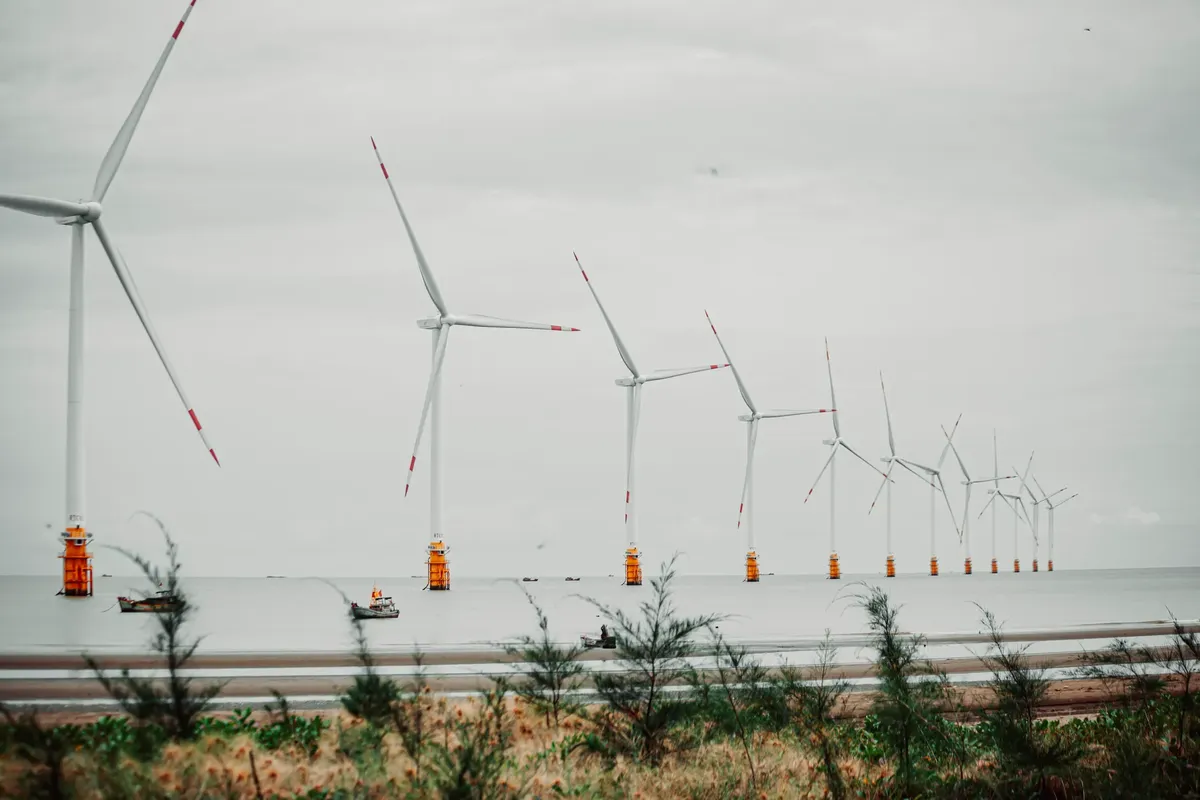
Key takeaways include the shift from fixed to floating technologies, the role of energy islands, and the necessity of balancing supply and demand through grid-scale improvements.
How does the cost of offshore wind grid integration change with water depth?
At dusk, a technician grips a cold steel railing on the deck, staring at the rising offshore structures in the deep blue sea.
A technician adjusts a heavy cable on a vessel, looking toward the distant horizon where turbine structures rise from the sea. In the early stages of development, depth and technology significantly dictated the financial requirements for energy production.
According to the World Energy Council, in 2009, shallow-water turbines cost US$2.4-3 million per megawatt to install. During that period, the practical feasibility and per-unit economics of deep-water, floating-turbine offshore wind were yet to be established.
This cost disparity highlights how the move toward deeper waters necessitates more complex engineering solutions.
The transition from fixed-bottom to floating platforms changes the entire economic landscape of marine wind power systems. Early installations focused on stability in shallow areas, but as the industry moves further out to sea, the infrastructure requirements grow more complex.
- Assess the seabed topography and current profiles.
- Design specialized subsea cabling and mooring systems.
- Implement dynamic cable solutions for deep-water stability.
Can floating wind technology eventually become cost-competitive?
At dawn, an engineer leans against a vibrating deck, watching the distant offshore platforms bob against the heavy swells.
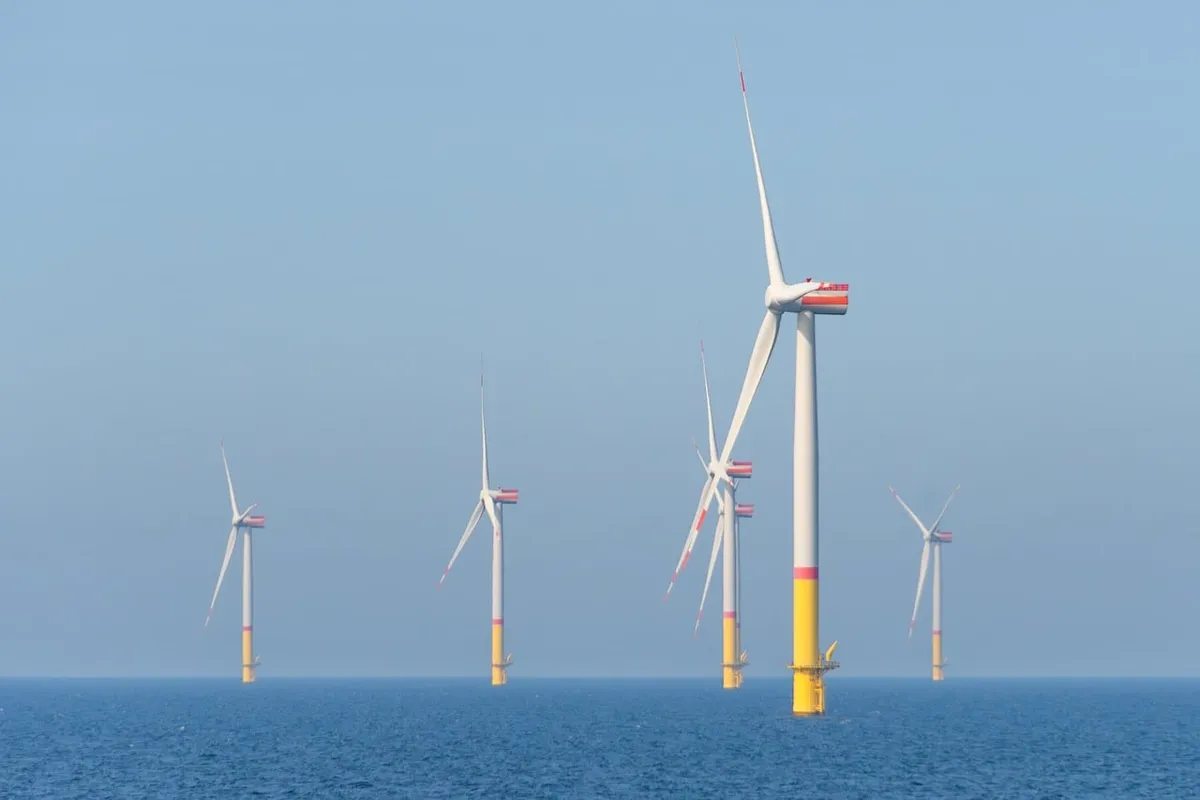
An engineer reviews digital blueprints on a tablet, simulating the motion of a floating platform against heavy swells. The goal of modern research is to reach a point where renewable power integration no longer requires government financial support to remain viable.
According to a study completed by the Offshore Renewable Energy (ORE) Catapult's Floating Offshore Wind Centre of Excellence (FOW CoE), UK floating offshore wind could reach “subsidy-free” levels by the early 2030s.
This projected milestone suggests that as technology matures, the costs of maintaining offshore wind grid integration will stabilize.
Achieving these levels depends on scaling manufacturing and refining the stability of floating structures. As these systems become more efficient, they will provide a more predictable flow of energy to the mainland.
In this sequence, the first step is the most critical.
According to World Energy Council, the 2009 record includes 3 million.
How do global leaders manage large-scale energy islands?
A maritime pilot navigates a survey boat through a narrow channel between massive offshore structures. Different nations have taken unique paths to lead the world in renewable energy deployment.
A 2023 IEA report identifies Denmark as the global leader in installing offshore wind parks and energy islands. These energy islands act as central hubs, collecting power from surrounding wind farms and distributing it across much larger maritime regions.
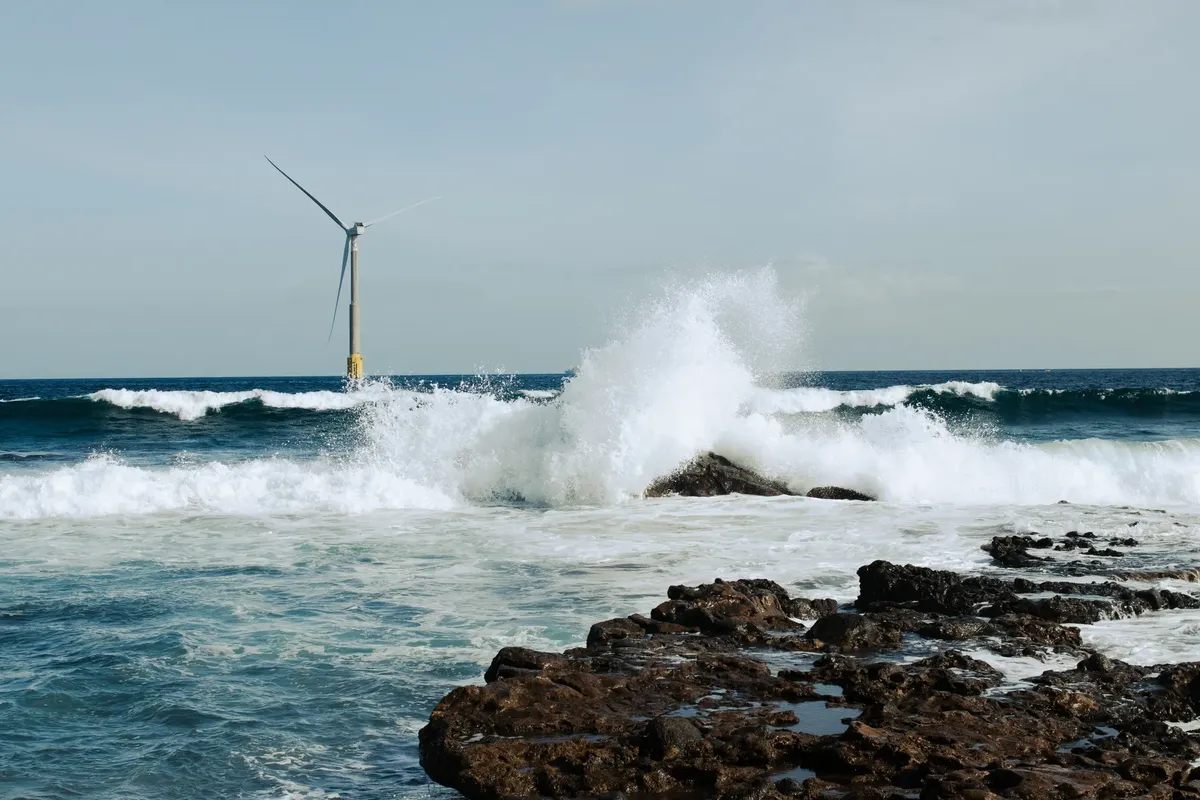
The use of such hubs helps manage wind power grid impact by centralizing the connection points between the sea and the shore. This centralized approach can mitigate some of the volatility associated with offshore generation.
What role does research and education play in energy deployment?
A student walks through a small wind park on a campus, observing the rotation of the blades under a clear sky. Early efforts to understand wind energy often began with localized, controlled environments to build technical expertise.
In 2007, the National Penghu University of Science and Technology in Penghu County started a project commissioned and funded by National Science Council to establish a 5,000 m2 wind park at the campus area for educational and research purposes.
This type of localized installation provided a foundation for understanding how wind energy interacts with local environments.
Educational projects help develop the workforce needed to manage future, much larger installations. Such groundwork is essential for the long-term success of grid stability wind energy.
How do we prepare for the transition to floating platforms?
A worker secures a heavy-duty mooring line to a deck, preparing for the deployment of a new floating unit. Moving from shallow to deep water requires a structured approach to technology adoption.
- Evaluate the economic feasibility of floating structures compared to traditional shallow-water installations. 2. Develop specialized infrastructure for deep-water deployment to ensure stability and efficient power transmission. 3. Scale up manufacturing processes to reach subsidy-free production levels.
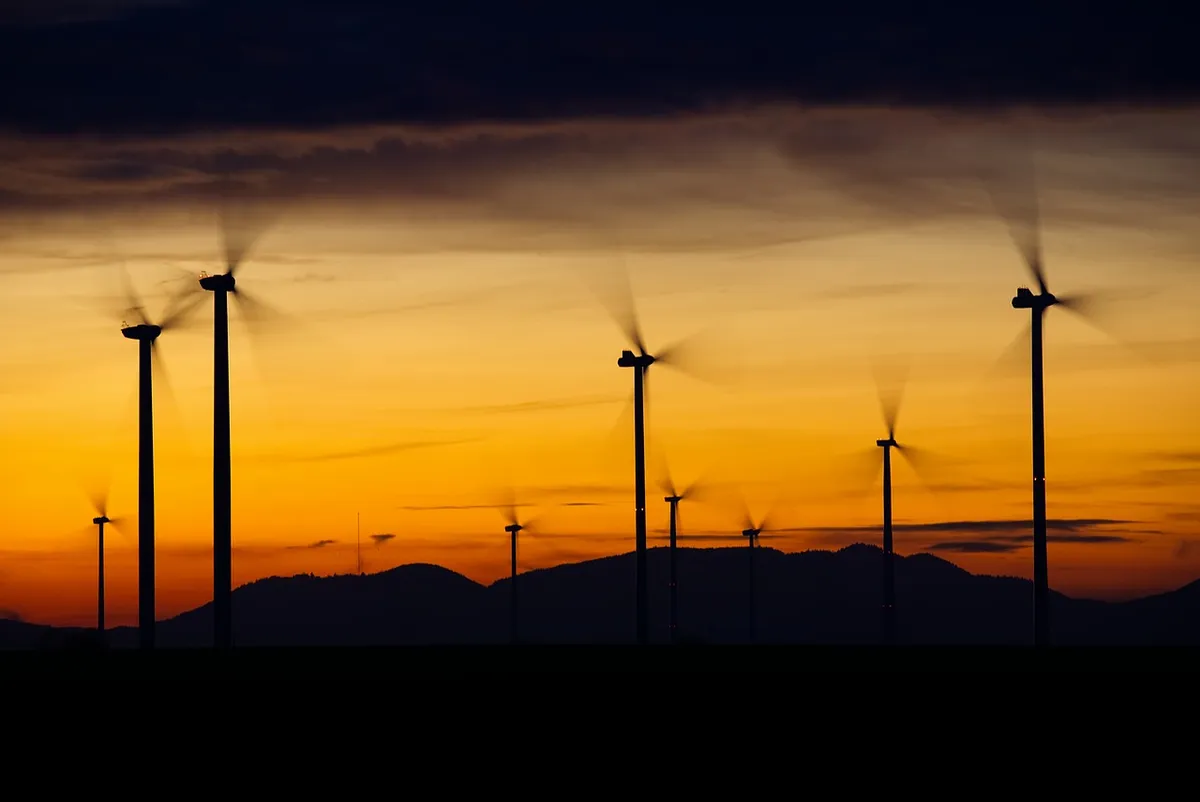
A final check ensures all mooring and transmission systems can handle the unique stresses of an offshore environment. I observed how these technical requirements change when moving from a fixed base to a floating one.
| Technology Type | Primary Economic Context |
|---|---|
| Shallow-water Turbines | US$2.4-3 million per megawatt (2009) |
| Floating-turbine | Feasibility and economics were yet to be established in 2009 |
The same subject is also called Marine wind power system.
This part also covers Wind power storage solutions.
This part also covers Smart grid wind integration.
This part also covers Power demand supply balance.
Wind power storage solutions
Related

Comments 0