How is hydrogen being integrated into regional energy plans?
"The transition toward sustainable power requires diverse storage solutions to bridge the gap between generation and demand."
Hydrogen for grid flexibility serves as a vital component in balancing modern energy systems, particularly as renewable penetration increases. This guide explores how hydrogen energy storage grid technologies complement existing tools like lithium-ion batteries to ensure stability.
Key takeaways include the necessity of long-duration storage for high-renewable scenarios, the role of regional hydrogen initiatives, and the distinction between short-term battery use and long-term hydrogen applications.
How does hydrogen for grid flexibility assist in managing variable energy?

A technician monitors a control panel as fluctuating wind speeds change the incoming power load. Integrating hydrogen into power markets provides a way to capture excess energy during periods of high production. This prevents wasteful curtailment and ensures that surplus electricity is not lost.
The need for hydrogen energy storage grid solutions becomes more apparent as the percentage of variable renewables on the grid grows. According to technical observations, systems with under 40% variable renewables typically require only short-term storage solutions.
However, at 80% renewable penetration, medium-duration storage becomes essential, and beyond 90%, long-duration storage is also necessary. Hydrogen can address these longer-term gaps that traditional batteries might struggle to fill.
Hydrogen acts as a buffer by converting excess renewable electricity into chemical energy, which can be stored for long durations and released when production drops.
What are the differences between hydrogen and lithium-ion solutions?
An engineer compares the discharge rates of two different storage units in a laboratory setting.
While lithium-ion batteries are well suited for short-duration storage under 8 hours due to their lower cost and sensitivity to degradation at high states of charge, they are not ideal for seasonal or multi-day shifts.
Hydrogen in smart grid applications offers a different scale of utility compared to electrochemical storage. Lithium-ion batteries are effective for rapid response, but they face limitations during extended outages or seasonal shifts.
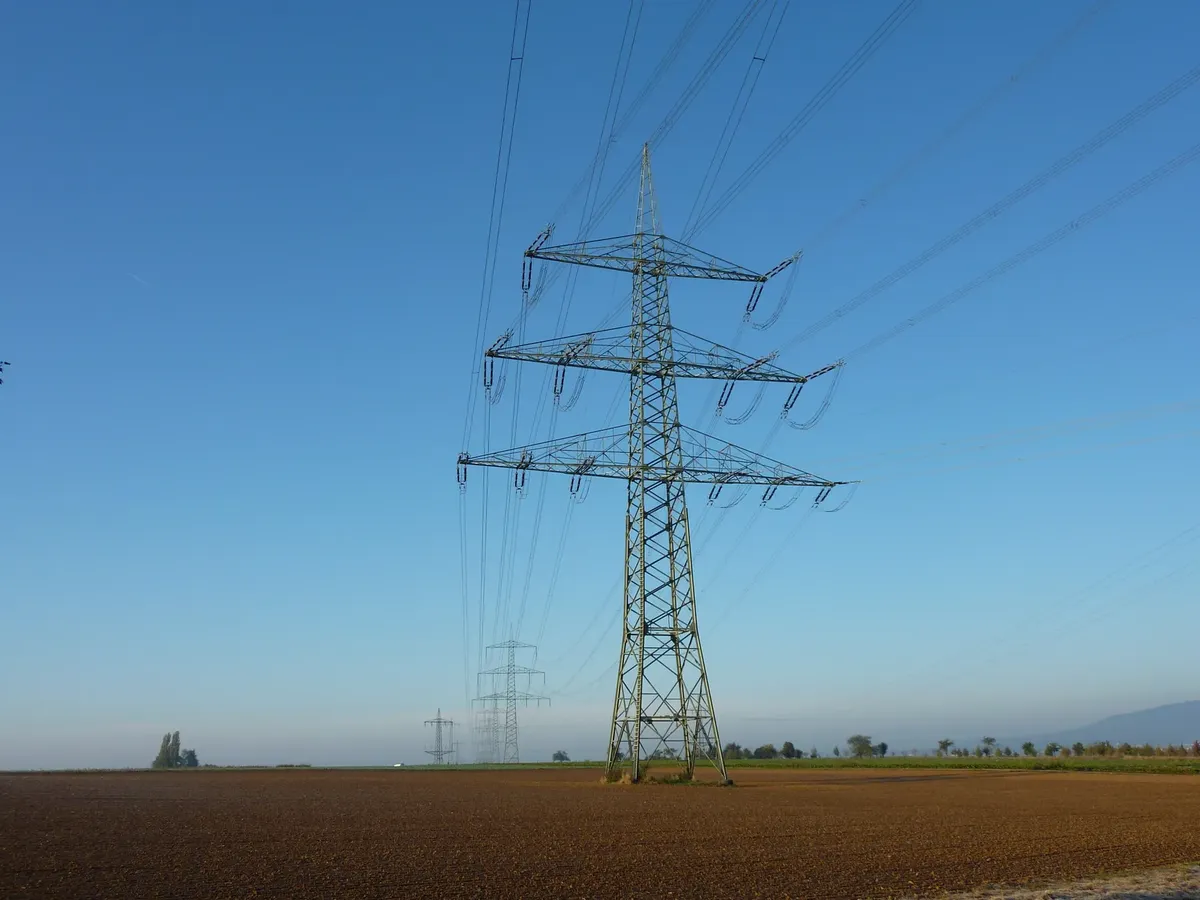
In contrast, hydrogen can be stored in large quantities for much longer periods. This makes it a complementary technology rather than a direct replacement for short-term battery systems.
| Storage Type | Primary Use Case | Duration Suitability |
|---|---|---|
| Lithium-ion | Short-term balancing | Under 8 hours |
| Hydrogen | Long-term/Seasonal | Beyond 8 hours |
I observed that while lithium-ion handles the immediate spikes, the hydrogen scale is required for the broader seasonal shifts.
While lithium-ion batteries excel at short-term frequency regulation, hydrogen offers much higher energy density for seasonal storage.
How is hydrogen being integrated into regional energy plans?
A local official reviews a map of island energy projects during a planning meeting. Regional efforts to establish energy independence often involve local resource management.
According to the Energy Information Administration, its "base case" projection suggests that world nuclear power generation will increase from 2,344 terawatt hours (TWh) in 2012 to 4,500 TWh in 2040.
The development of a hydrogen economy is already being explored in specific regions to bolster local resilience.
Similarly, a status report on hydrogen production in Shetland, published in September 2020, stated that the Shetland Islands Council (SIC) had joined a number of organisations and projects to drive forward plans to establish hydrogen as a future energy source for the isles and beyond.
These localized strategies provide a blueprint for integrating hydrogen into existing infrastructure.
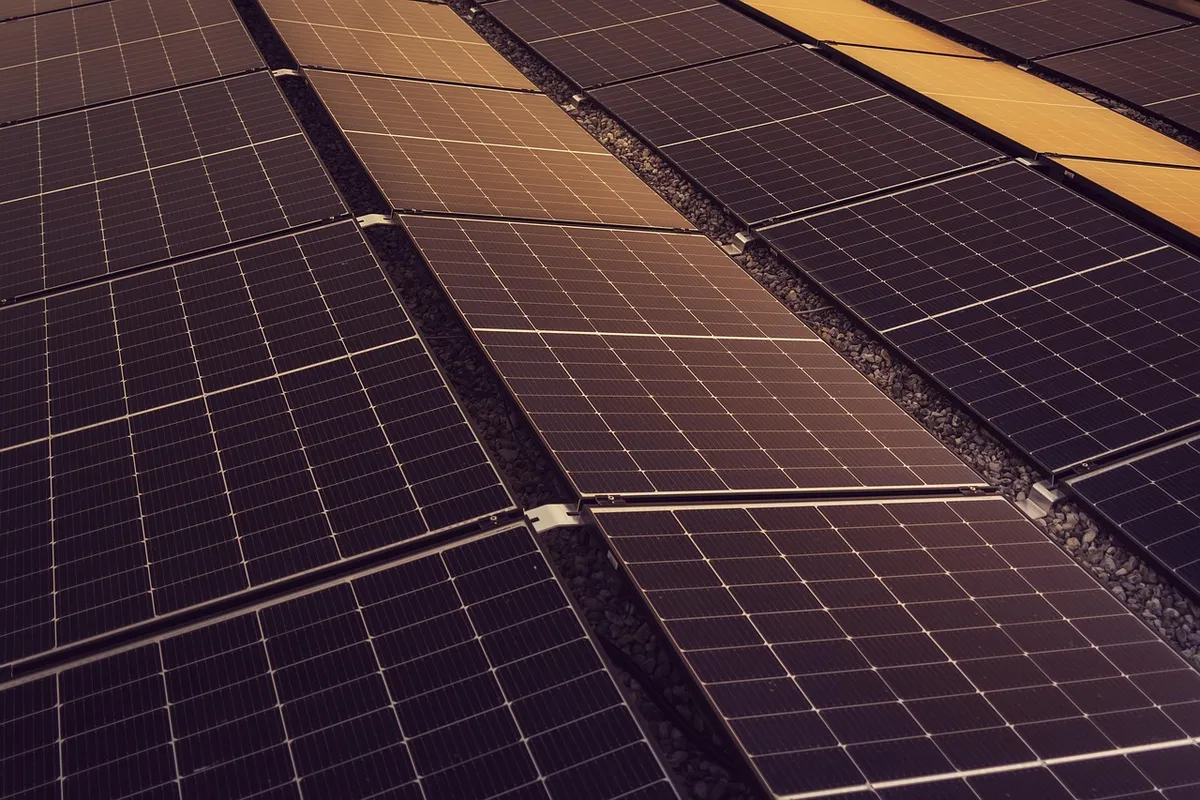
Planners are mapping out hydrogen pipelines and repurposing existing gas infrastructure to connect renewable hubs with industrial centers.
What are the steps to implement hydrogen in a power system?
A project manager outlines the deployment phases for a new energy facility on a whiteboard. Implementing a new energy carrier requires a structured approach to ensure grid stability and economic viability.
- Assess the renewable penetration levels to determine the specific duration of storage required for the local grid. 2. Integrate hydrogen production facilities, such as electrolyzers, at sites with high renewable output to utilize surplus energy. 3. Establish distribution and storage infrastructure to manage the hydrogen supply for peak demand periods.
A final check involves verifying that the hydrogen-based storage capacity aligns with the long-term peak load requirements of the region.
- Deploy electrolyzers to convert surplus electricity into hydrogen.
- Store the produced gas in salt caverns or pressurized tanks.
- Re-electrify the hydrogen through fuel cells or turbines during peak demand.
What are the limitations of current storage technologies?
A researcher examines a battery cell that has undergone significant capacity loss. Understanding the constraints of each technology prevents overreliance on a single method for grid stability.
One limitation involves the efficiency of different storage types. For instance, flow batteries are inferior to lithium-ion batteries in terms of energy efficiency, averaging efficiencies between 60% and 75%.
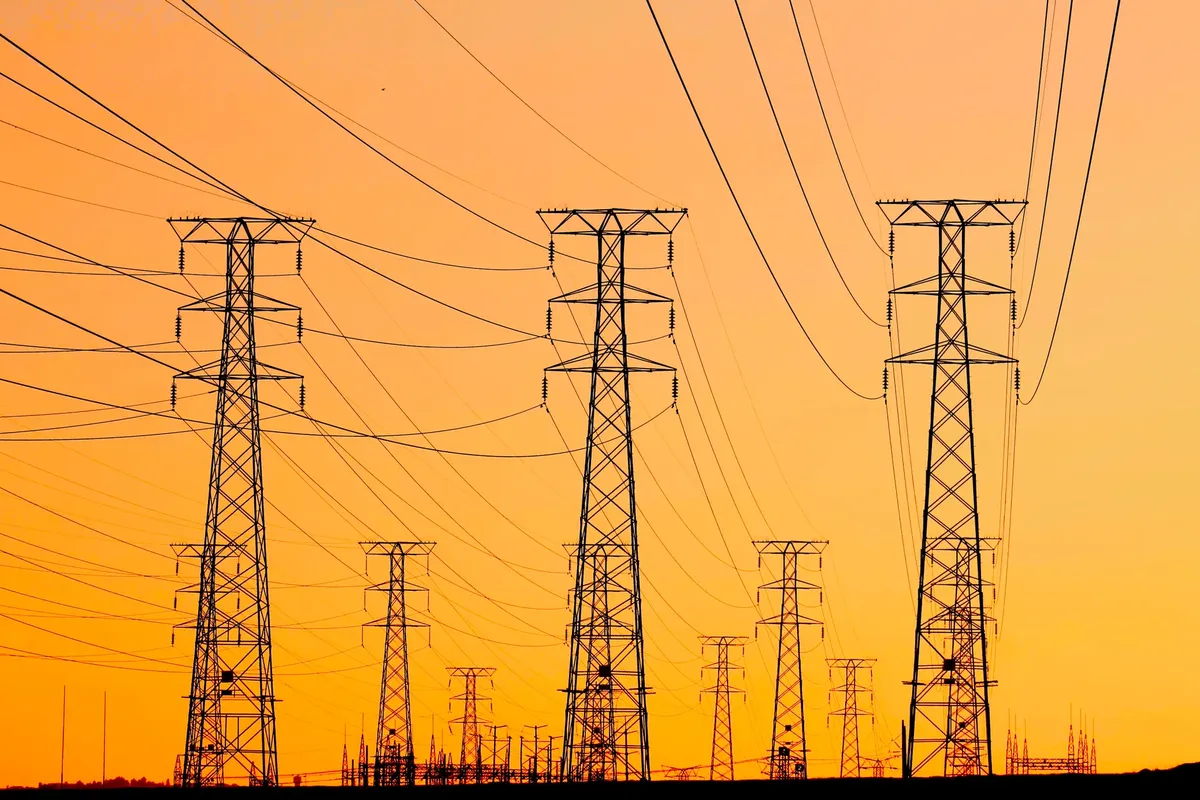
While hydrogen offers longer duration, the round-trip efficiency of converting electricity to hydrogen and back to electricity is generally lower than that of lithium-ion batteries. This trade-off between duration and efficiency must be managed through careful grid planning.
In this sequence, the second step is the most complex.
Current technologies face challenges regarding round-trip efficiency and the high cost of specialized containment materials.
Wikipedia: Nuclear power Based on the retained excerpt mentioning OECD: The levelized cost of electricity (LCOE) from a new nuclear power plant is estimated to be 69 USD/MWh, according to an analysis by the International Energy Agency and the OECD Nuclear Energy Agency.
Related
- ESS future development: Why storage is essential for grid
- Renewable energy growth path: Guide to energy security
When is the transition toward hydrogen most critical for grid stability? Hydrogen becomes most critical when the grid faces extended periods of low renewable output, which necessitates storage beyond the capacity of short-term solutions. The need for long-duration storage becomes evident when renewable penetration surpasses the threshold where medium-duration storage is deemed sufficient. This condition mandates a shift in planning to accommodate seasonal energy balancing.
The transition becomes vital when renewable penetration reaches levels where daily battery cycles can no longer cover seasonal energy gaps.
How does the scale of storage dictate the technology choice? The scale of the required storage directly influences the appropriate technology for the transition toward sustainable power. Short-term needs, such as managing immediate spikes, align well with the characteristics of lithium-ion batteries. Conversely, the need to manage multi-day or seasonal shifts requires the larger capacity offered by hydrogen systems.
Careful grid planning must balance the efficiency losses associated with hydrogen conversion against the duration benefits it provides over electrochemical storage. This comparison highlights a necessary trade-off when designing a resilient energy infrastructure.






Comments 0