Storage tips for Power market reform for grid flexibility
"The energy transition requires a fundamental shift in how we balance supply and demand across a changing grid."
Modern power market reform for grid flexibility involves balancing intermittent renewable sources with stable baseload generation through strategic storage and infrastructure investments.
This transition requires addressing the variability of renewables, integrating diverse energy sources, and implementing efficient storage solutions to maintain stability.
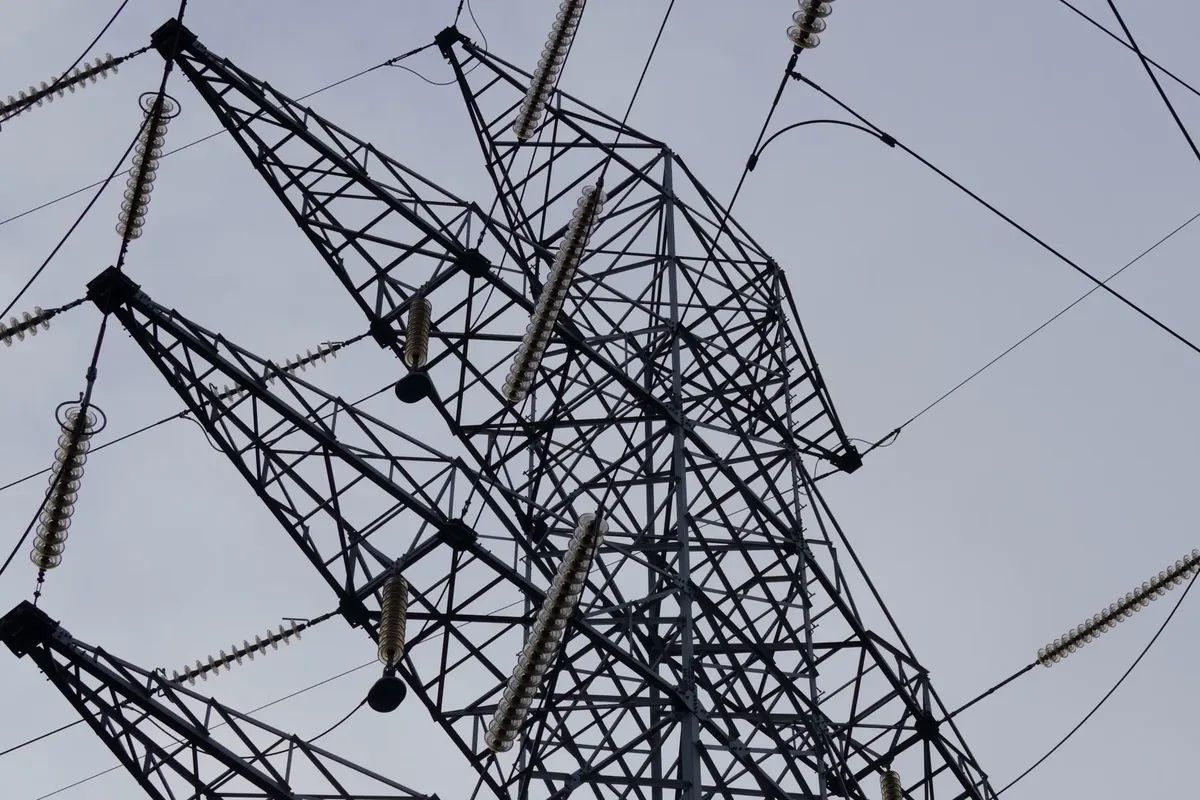
Key takeaways include the necessity of duration-specific storage, the impact of renewable penetration levels on grid requirements, and the economic considerations of storage efficiency.
How does renewable penetration affect the need for storage?
A technician monitors a digital dashboard showing fluctuating solar output as the sun moves across the sky. The amount of storage required depends heavily on the percentage of variable renewables integrated into the existing network.
In systems where variable renewables account for under 40% of the total generation, only short-term storage of less than 4 hours is necessary for successful integration. This allows for managing daily peaks without massive infrastructure overhauls.
However, as the share of variable renewables climbs to 80%, medium-duration storage, such as compressed air, becomes essential to bridge longer gaps in production. Once penetration reaches above 90%, large-scale long-duration storage is required to maintain stability.
What role do lithium-ion batteries play in grid stability?
Inside the humming, climate-controlled facility, the engineer runs a hand over the cold metal casing of the lithium-ion storage modules.
An engineer inspects a rack of lithium-ion battery modules in a climate-controlled facility. These units serve as a primary tool for managing short-term fluctuations in the power supply.
Lithium-ion batteries are well suited for short-duration storage under 8 hours because of their lower cost and sensitivity to degradation at high states of charge. This makes them ideal for managing daily price fluctuations, as electricity prices typically vary most between day and night.
Using these batteries to capture energy during low-cost periods and release it during high-demand periods provides high potential for profit.
| Storage Duration | Technology/Requirement Example |
|---|---|
| Under 4 hours | Short-term storage for <40% renewable penetration |
| 4 to 16 hours | Medium-duration storage for 80% renewable penetration |
How can we manage the costs of electricity storage?
In the quiet office at midnight, the manager rubs tired eyes while scanning the complex spreadsheets used to balance the cost of storage.
A facility manager reviews a spreadsheet comparing the cost of purchasing electricity versus the revenue from selling stored energy. Efficiency losses represent a constant economic challenge in the power market.
Electricity storage is not 100% efficient, meaning more electricity must be bought than can be sold back to the grid.
For instance, if a storage application is 75% efficient, the price at which the electricity is sold needs to be at least 1.33 times higher than the price for which it was bought to remain viable. Managing these spreads is a core component of advanced power integration strategies.
What are the strategies for integrating diverse energy sources?
A grid operator adjusts settings on a control panel to balance a mix of nuclear and solar inputs. Successfully managing a diverse portfolio requires different approaches for baseload and variable assets.
Integrating power technology market dynamics requires understanding the specific characteristics of each energy source.
For example, the levelized cost of electricity (LCOE) from a new nuclear power plant is estimated to be 69 USD/MWh, according to an analysis by the International Energy Agency and the OECD Nuclear Energy Agency. This provides a stable baseload that complements the variable nature of solar power.
According to a report by the International Energy Agency, the use of local mini-grids run on solar power would contribute to the 60 percent of new connections expected to be to renewable power.
How is grid-scale stability maintained during high renewable output?
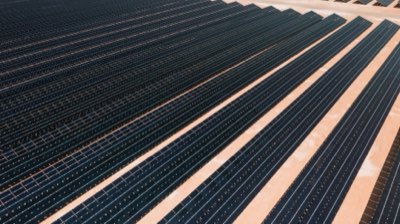
A technician walks through a field of solar panels during a period of peak generation. Without sufficient flexibility, excess energy can lead to significant operational challenges.
Increasing penetration of solar power has led to grid integration constraints, with approximately 29% of renewable electricity generation curtailed in 2024 due to network limitations. This curtailment occurs when the supply exceeds the grid's ability to absorb it.
To prevent this, grid-side management must include both the deployment of storage and the development of more robust transmission networks.
What is the future of global power generation?
A researcher examines a global map showing the distribution of various energy production technologies. Long-term planning must account for both growing demand and the shift toward cleaner energy.
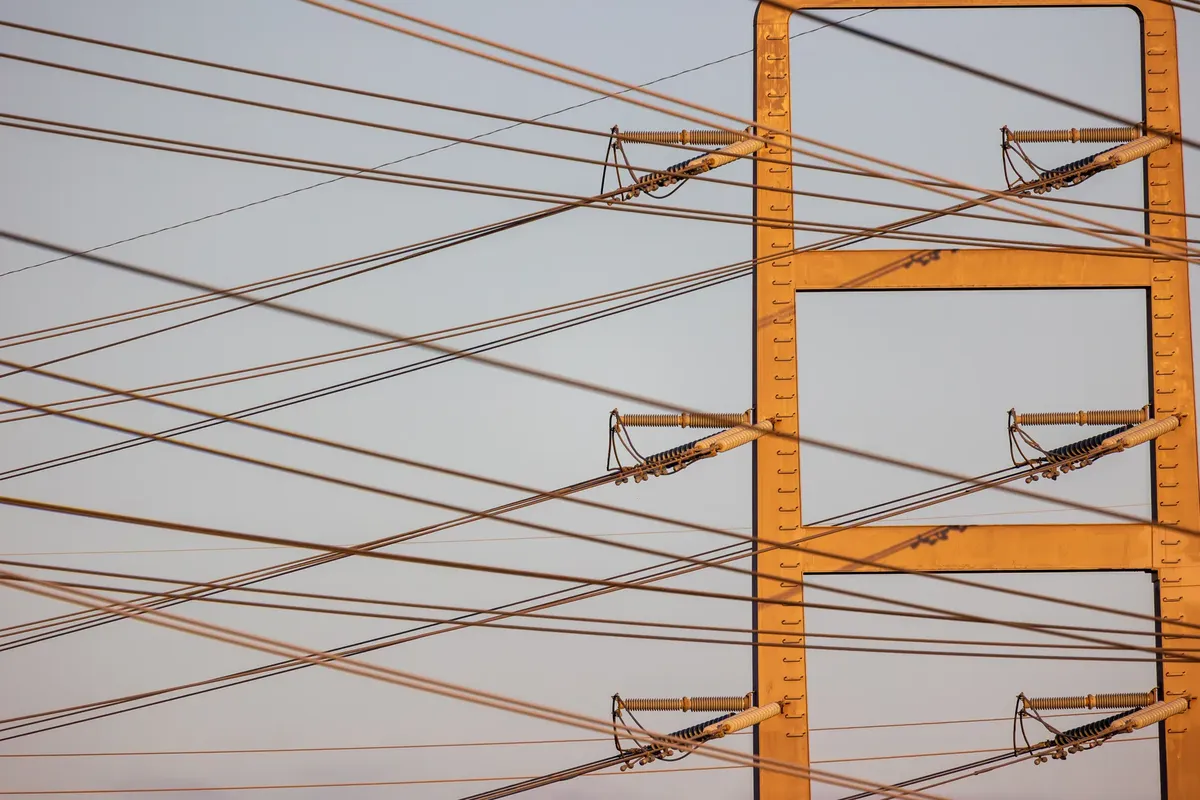
The Energy Information Administration projected for its "base case" that world nuclear power generation would increase from 2,344 terawatt hours (TWh) in 2012 to 4,500 TWh in 2040. This growth suggests that traditional stable sources will continue to play a role alongside expanding renewables.
Developing a comprehensive market structure for grid resilience involves balancing these long-term generation trends with immediate, short-term stability needs.
Power market reform for grid flexibility
The subject here is Power market reform for grid flexibility.
The same subject is also called Grid flexibility market design.
The same subject is also called Power supply stability reform.
The same subject is also called Demand side management market.
This part also covers Enhancing grid flexibility through policy.
Market structure for grid resilience
Related
- How does hydrogen for grid flexibility work?
- Smart grid power stability: How to improve existing services
How does the energy transition influence infrastructure investment? 1. Infrastructure investments must accommodate the variability inherent in the energy transition. 2. The need for robust transmission networks arises when solar power penetration increases. 3. Storage deployment is another necessary component alongside transmission upgrades to maintain stability.
The economic considerations of storage efficiency guide infrastructure choices during the energy transition. 4. Matching storage duration to renewable penetration levels dictates the required infrastructure scale. 5. Higher penetration levels necessitate larger, longer-duration storage solutions.


Comments 0