Smart grid power stability: How to improve existing services
"Maintain and improve the existing services efficiently."
Smart grid power stability requires a sophisticated integration of various energy technologies to manage fluctuating demand and supply. This guide explores how modern networks utilize storage, solar, and electric vehicles to stabilize the grid while addressing economic and technical constraints.
* Understanding the core definition of smart grid services. * Identifying key technologies like V2G and battery storage. * Evaluating the economic realities of grid modernization. * Recognizing the infrastructure value of the current US electric grid.
What actually makes a smart grid stable? An engineer monitors a digital dashboard displaying real-time energy flow across a metropolitan area. The European Commission Communication (2011) 202 defined the goal to maintain and improve existing services efficiently.
This foundational concept drives the transition toward more responsive and automated energy management systems.
Smart grid power stability relies on the ability to integrate diverse energy sources without compromising service quality. By utilizing digital communication and advanced sensors, utilities can balance loads more effectively.
This ensures that power remains reliable even as consumer habits and generation methods change.
In this sequence, the first step is the most critical.
How are these technologies deployed in a network? Smart grid power stability
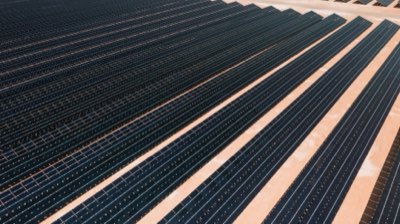
A technician inspects a solar panel installation near a residential battery storage unit.
Within the Los Angeles Department of Water and Power and Southern California Edison territory, technologies are installed as a network of EV chargers, battery energy storage systems, solar panels, DC fast chargers, and Vehicle-to-Grid (V2G) units.
These various components form a cohesive grid reliability solution. By combining localized generation, such as solar, with storage and electric vehicle integration, the network can manage peaks and valleys in demand.
This distributed approach helps prevent overloads and optimizes the use of available energy.
- Identify existing infrastructure weaknesses.
- Integrate sensor networks for real-time monitoring.
- Deploy automated control systems for load balancing.
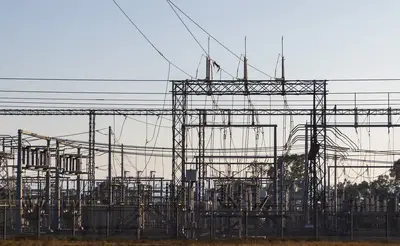
How much is our current electric grid worth? A surveyor walks alongside high-voltage transmission lines stretching across a vast landscape. According to a 2019 study from the International Energy Agency, the current (depdepreciated) value of the US electric grid is more than US$1 trillion.
This massive valuation underscores the importance of protecting and upgrading existing infrastructure.
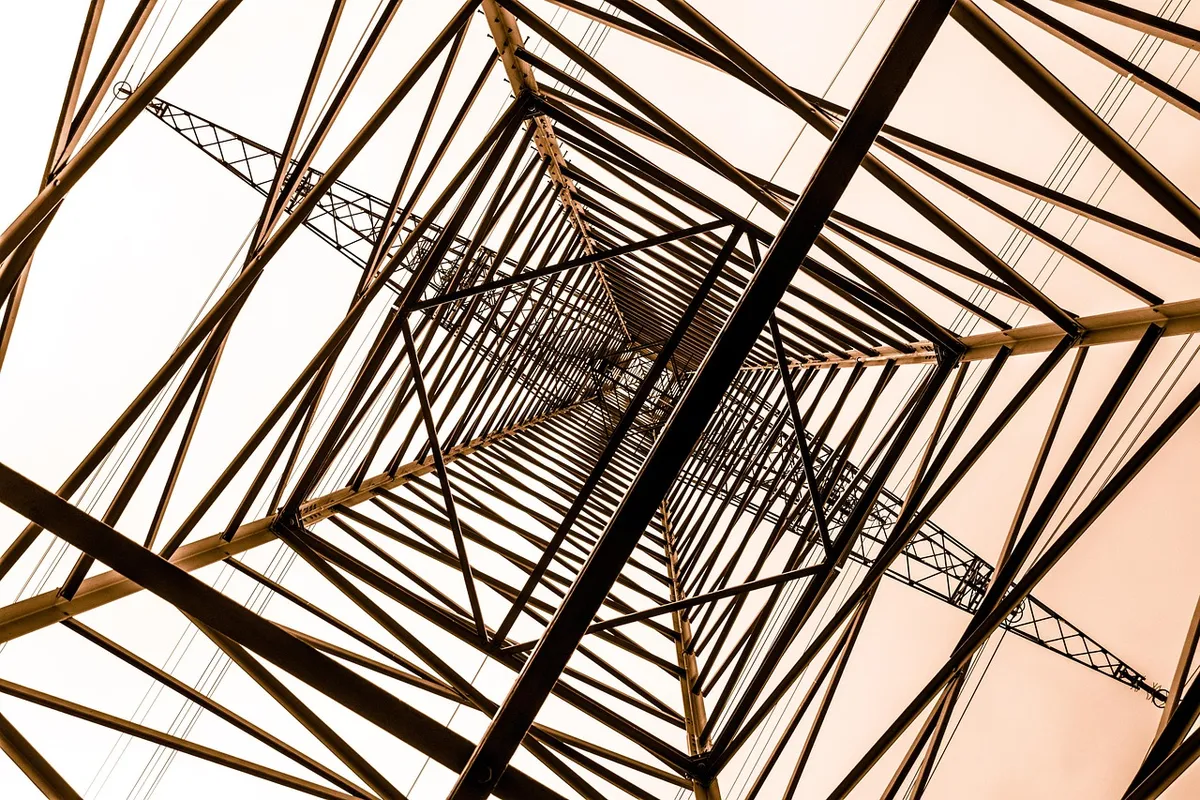
Maintaining this value requires constant innovation in grid stability smart tech. The sheer scale of the investment means that any transition to new technologies must be handled with precision to avoid disrupting the massive economic engine it supports.
Protecting this trillion-dollar asset is a primary driver for smart grid energy management.
Are electric vehicles a viable solution for the grid?
A driver plugs a charging cable into an electric vehicle at a public station. While V2G offers the potential to use car batteries to support the grid, industry experts have raised concerns regarding its practical application.
JB Straubel, then chief technology officer of Tesla Inc, discounted V2G, claiming that battery wear outweighs economic benefit.
The debate over power efficiency smart grid applications often centers on these hardware limitations. If the physical degradation of batteries occurs too quickly, the financial incentives may not cover the replacement costs.
This tension between grid support and vehicle longevity remains a central challenge for engineers.
What are the hidden costs of V2G technology?
An economist reviews a spreadsheet comparing energy costs and hardware depreciation. A 2015 study found that economic analyses favorable to V2G failed to include many of the less obvious costs associated with its implementation.
When these less obvious costs were included, the study reported that V2G was an economically inefficient solution.
Addressing these complexities is vital for successful smart grid impact on power market transitions. If the full cost of battery cycling and infrastructure upgrades is not accounted for, the economic benefits of using vehicles as mobile batteries may vanish.
Reliable planning must weigh these hidden variables against the projected stability gains.
How do we implement smart grid energy management?
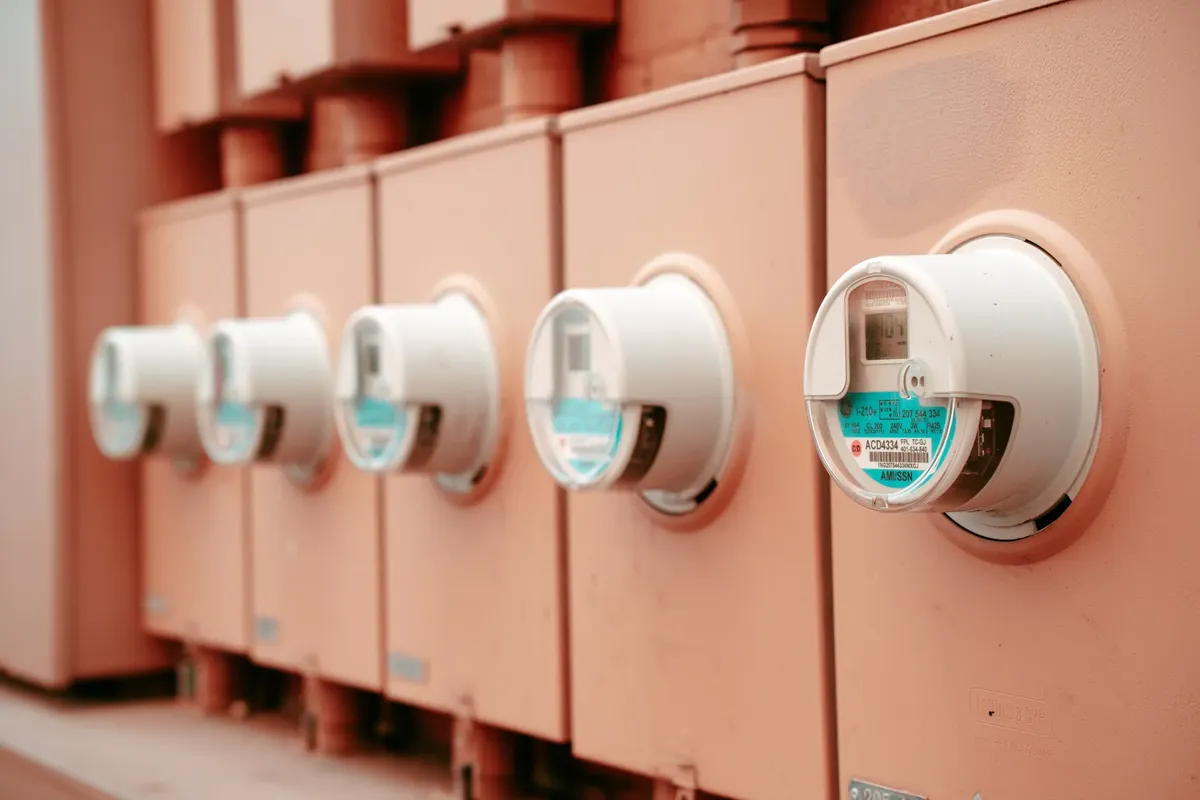
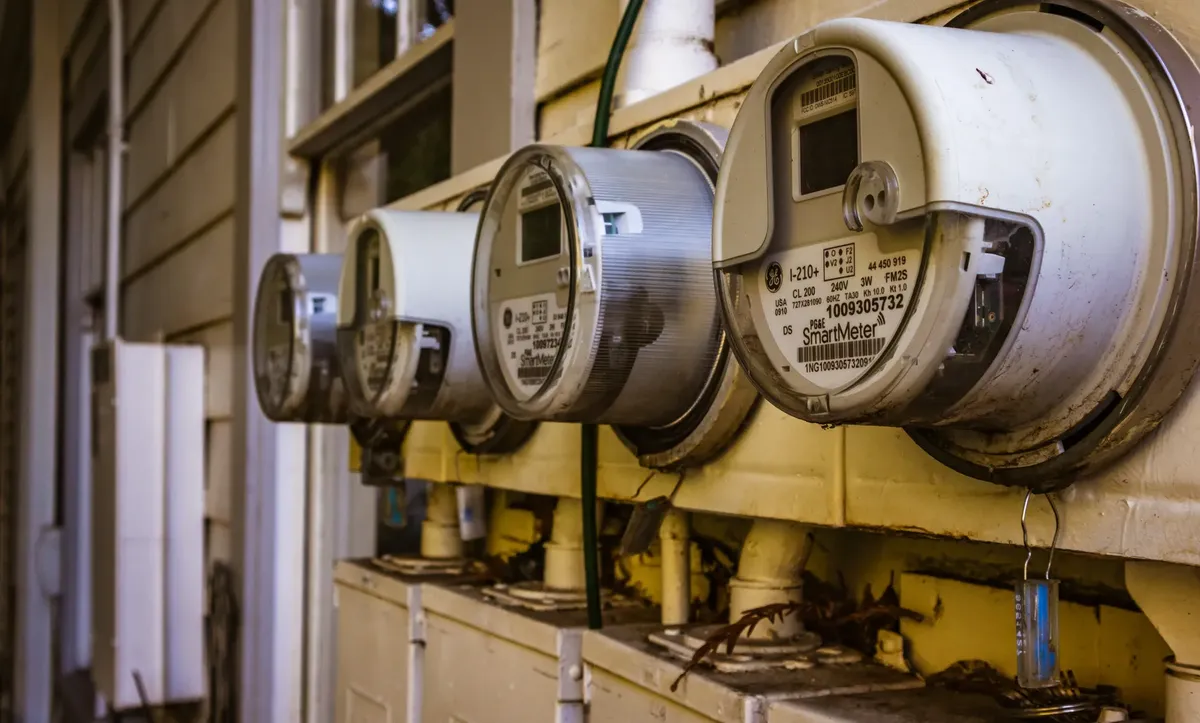
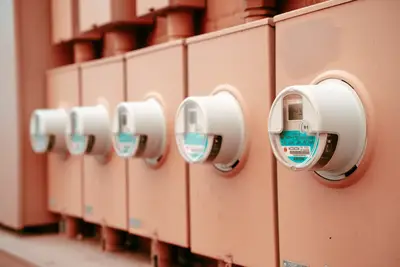
A programmer updates the software on a localized smart meter in a residential home. To move toward a more stable network, stakeholders often follow these steps:
- Deploy smart metering and communication hardware to enable two-way data flow. 2. Integrate distributed energy resources like solar and battery storage into the local network. 3. Implement advanced control software to manage load balancing and demand response.
After these steps are complete, a final check of the system's response to load fluctuations ensures the network remains stable. I have observed that without precise software integration, even the most advanced hardware cannot prevent local grid instability.
One limitation to these solutions is that economic efficiency can vary significantly depending on the specific costs of battery degradation and implementation.
The same subject is also called Grid reliability solutions.
This part also covers Advanced power grid control.
This part also covers Improving energy supply efficiency.
Smart grid impact on power market
Related
- HVDC grid power flexibility with 1.6% per 1000 km losses
- Smart Grid: How 17% Solar Growth Changes Energy Needs
How does infrastructure support the goal to maintain and improve services? 1. The sheer scale of the investment in the US electric grid necessitates careful handling during any technological transition. 2. Protecting this massive asset is a primary motivation driving smart grid energy management efforts. 3. Constant innovation in grid stability smart tech is required to preserve the grid's existing value.
This infrastructure supports the goal to maintain and improve services by providing the physical backbone for distributed energy resources. The existing grid, valued at over US$1 trillion, must accommodate new technologies like solar and battery storage.
This accommodation requires precision in any upgrade to prevent disruption to the economic engine the grid supports.
What conditions affect the viability of grid solutions? The viability of grid solutions depends on balancing technological potential against economic reality. A condition that challenges V2G deployment is the potential for rapid battery degradation. This degradation directly impacts the financial incentives that proponents rely upon. Engineers must account for these hardware limitations when planning system integration.
Achieving the goal to maintain and improve services requires that the costs associated with hardware wear are managed proactively. If the financial models do not accurately reflect the full cost of battery cycling, the projected stability gains may not materialize.
This comparison between potential and cost dictates successful implementation.


Comments 0