High current battery ESS guide for 5 to 45 °C
"The success of energy storage relies heavily on managing the delicate balance between high-speed charging and internal cell stability."
High current battery ESS applications require strict temperature management to prevent internal damage. This guide explores how thermal ranges affect charging performance, the risks of lithium plating, and how current-generation cells handle rapid energy transfer. 1. Maintain charging within the 5 to 45 °C (41 to 113 °F) range for optimal performance. 2. Reduce charge current when temperatures drop between 0 and 5 °C. 3. Avoid charging below 0 °C to prevent lithium plating and short-circuits.
How do temperature ranges affect high current battery ESS performance?
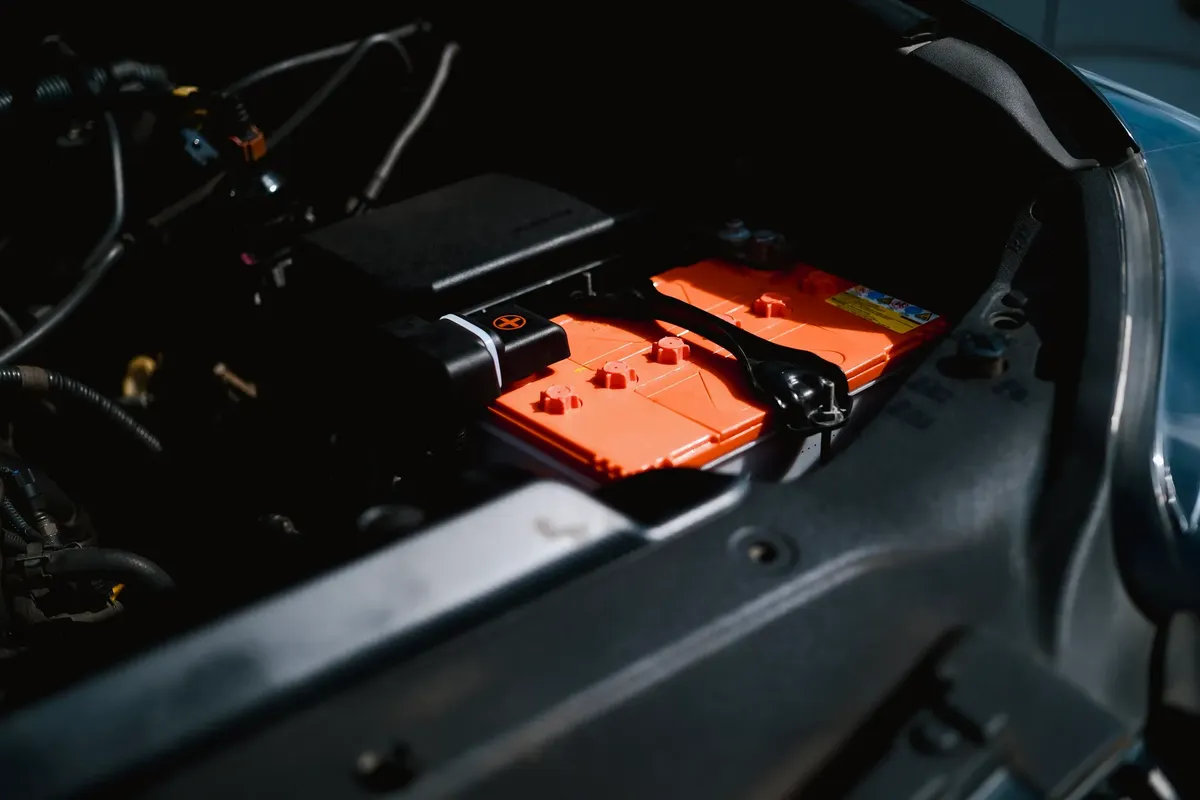
A technician adjusts the thermostat in a battery testing lab to ensure the environment stays within a specific window.
Maintaining a stable thermal environment is vital because lithium-ion cells offer good charging performance at cooler temperatures and may even allow "fast-charging" within a temperature range of 5 to 45 °C (41 to 113 °F).
Operating within this specific window ensures that the high current battery ESS can utilize the full potential of the cells. If the temperature falls outside this range, the efficiency of the energy transfer changes.
For instance, at temperatures from 0 to 5 °C, charging is possible, but the charge current should be reduced.
The ability to pull high current quickly is a primary driver for renewable energy storage. However, this speed comes with thermal requirements. If the environment is too warm or too cold, the battery energy storage system may face degradation or safety issues.
What could happen if I charge in the cold? An engineer monitors a cell that has been placed in a specialized cooling chamber to observe internal changes.
Many types of lithium-ion cells cannot be charged safely below 0 °C, as this can result in plating of lithium on the anode of the cell, which may cause complications such as internal short-circuit paths.

This plating process is a significant concern for power storage battery tech. When lithium ions do not move into the anode correctly due to low temperatures, they can form metallic lithium on the surface. This buildup can lead to permanent damage or even fire.
While a slight temperature rise above ambient due to internal cell resistance is beneficial during a low-temperature charge, it does not eliminate the risk. Therefore, managing the thermal state is a prerequisite for any high-current application.
How do current-generation cells handle fast-charging?
A technician connects a high-capacity charger to a battery pack, watching the timer count down. Current-generation cells can be fully charged in 45 minutes or less. This rapid capability makes them suitable for applications requiring quick energy replenishment.
The speed of these cells is a key component of ESS high current use. Because they can reach full capacity quickly, they can respond to sudden changes in energy demand. However, this speed requires precise control over the charging current.
| Feature | Performance Detail |
|---|---|
| Fast-charging window | 5 to 45 °C (41 to 113 °F) |
| Rapid charge time | 45 minutes or less |
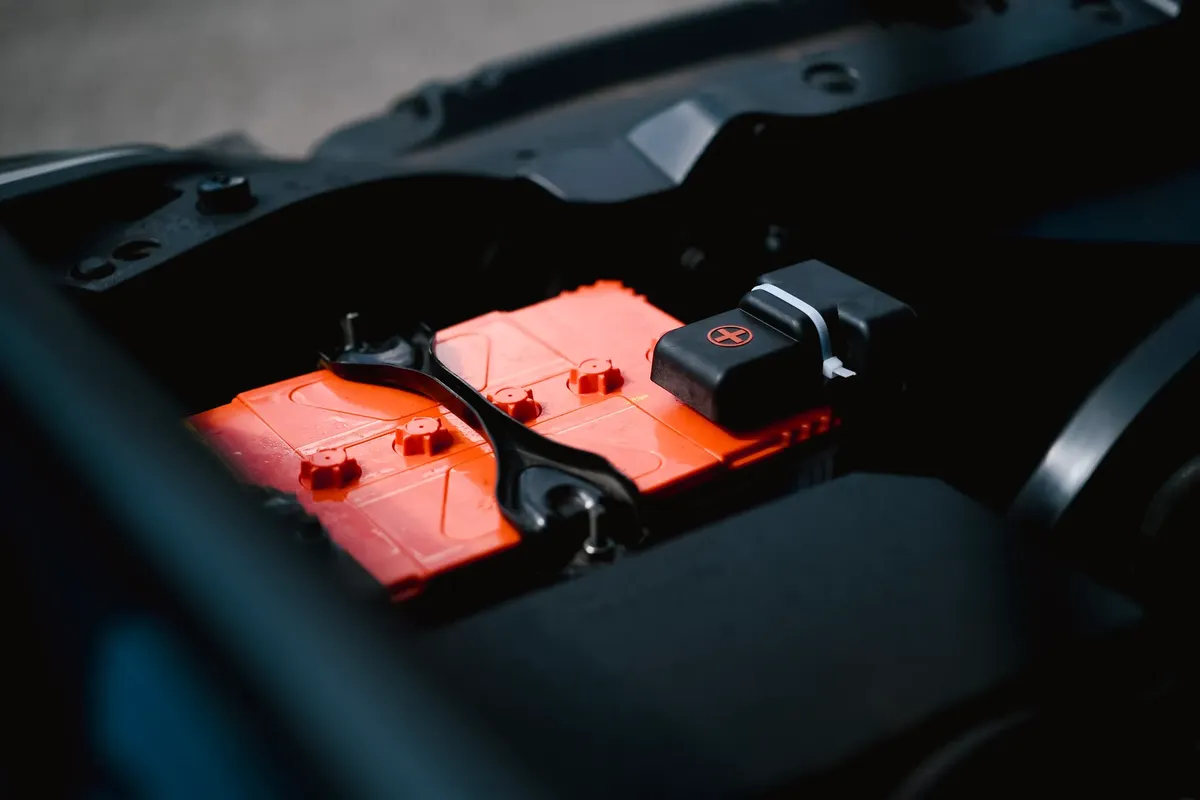
I observed that managing these specific windows is essential when testing high-capacity packs. The comparison between standard charging and these rapid cycles shows how much the thermal environment matters.
What are the limits of my battery storage? A researcher reviews data on self-discharge rates to determine how much energy is lost over time. While high-current capabilities are impressive, the stability of the energy over long periods is another factor.
For example, lithium-ion rechargeable batteries have a self-discharge rate typically stated by manufacturers to be 1.5–2% per month.
The efficiency of battery energy storage is also affected by how frequently the cells are used. If a system is designed for high-power bursts, the internal chemistry must remain stable through repeated cycles.
One limitation is that many lithium-ion cells cannot be charged safely below 0 °C. This specific condition prevents the use of these batteries in extremely cold environments without active heating.
How can we manage battery life in high-current applications?
A technician follows a specific protocol to ensure a battery pack is charged and maintained correctly. To maximize the life of a system, follow these steps:
- Monitor the ambient temperature to ensure it stays within the 5 to 45 °C (41 to 113 °F) range. 2. Reduce the charge current if the temperature falls into the 0 to 5 °C range. 3. Avoid any charging when the temperature is below 0 °C to prevent lithium plating.

A final check involves verifying that the charge is terminated at 3% of the initial charge current to prevent overcharging. These steps help mitigate the risks associated with high-current transfers.
Wikipedia: Lithium-ion battery Based on the retained excerpt mentioning The European Union: The European Union estimates 49% of portable batteries sold were collected for recycling in 2023, whilst the UK estimates 45% as of 2026.
This part also covers High current battery ESS case studies.
This part also covers Limits of power storage tech.
High current battery ESS case studies
Related
- Bidirectional charging guide: How EVs power the energy grid
- Solar-powered auxiliary batteries: Why are they now a
When is reduced charge current necessary for energy success? Reduced charge current becomes necessary when the temperature drops into the 0 to 5 °C range. This adjustment is a direct response to the thermal conditions affecting the energy transfer process. Maintaining the success of the energy storage requires this modification to prevent adverse reactions.
This caution applies even though charging is technically possible within this lower temperature band. The reduced current helps mitigate the risk of lithium plating that increases as temperatures approach freezing.
Therefore, careful monitoring of the thermal state is paramount for energy system integrity.
What dictates the limits of high-speed energy transfer? The limits of high-speed energy transfer are dictated by the cell's ability to manage thermal stress during rapid charging. Current-generation cells demonstrate capability for rapid charge times, but this speed is conditional upon staying within the optimal temperature window. Exceeding these thermal boundaries compromises the success of the energy storage.
The comparison between rapid cycling and standard charging highlights the critical role of temperature control. If the thermal environment deviates from the specified range, the efficiency of the energy transfer degrades. This degradation impacts the overall success of the energy application.






Comments 0