Bidirectional charging guide: How EVs power the energy grid
Bidirectional charging allows electricity to flow not just from the grid to the car, but from the car back to the grid or a home. "The car in your driveway could be the backbone of the power grid."
The shift toward electric vehicles is turning stationary storage into a mobile reality. This transition relies on bidirectional charging technology to turn car batteries into grid-stabilizing assets.
* Understanding the mechanics of bidirectional power flow. * The distinction between V2G and simple charging. * Current global progress in pilot programs. * Technical challenges regarding battery longevity. * The potential for decentralized energy management.
How does bidirectional charging work?
A driver plugs a heavy charging cable into the side of a sleek electric sedan in a quiet suburban garage. The hum of the electricity creates a sense of connection between the vehicle and the house.
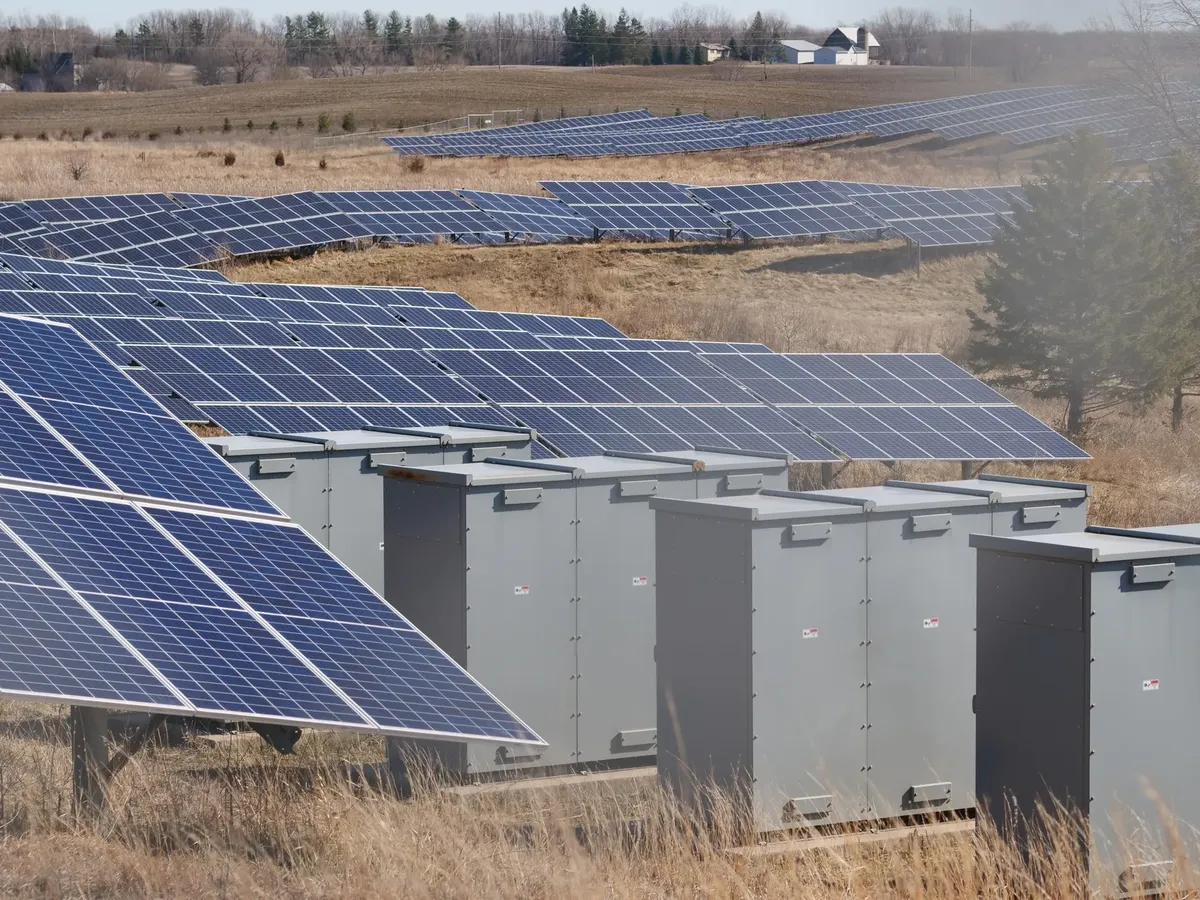
This process turns the vehicle's battery into a massive, mobile energy storage system.
Standard chargers are unidirectional, meaning they only push power into the battery. A bidirectional system uses an inverter to convert the DC power stored in the car back into AC power for the house or the utility company. This creates a two-way street for energy.
By managing this flow, the car can act as a buffer. It can soak up excess solar power during the day and release it during the evening peak. This prevents the grid from becoming overloaded when everyone turns on their lights at once.
- The vehicle draws power from the charging station to charge the battery.
- The onboard charger converts DC power from the battery to AC power.
- The energy is sent back through the charging interface to an external load.
Can car batteries stabilize the grid?
In the dim utility control room at midnight, the engineer watches the flickering screen as the bidirectional flow of energy stabilizes the trembling voltage.
An engineer monitors a flickering digital dashboard in a utility control room, watching voltage levels shift in real-time. The screen shows a sudden dip in supply, followed by a quick recovery.
According to the International Hydropower Association, worldwide pumped-storage hydroelectricity provides 200 GW of power as of 2025.
The integration of electric vehicles into the grid can provide critical frequency regulation and peak shaving services. This capability helps prevent blackouts and reduces the need for expensive, carbon-heavy "peaker" power plants.
When the grid experiences a sudden surge in demand, the power company can request energy from thousands of connected vehicles. This sudden influx of power can stabilize the voltage across the network. This is often referred to as "virtual power plants."
According to recent industry data, as of 2024, there have been more than 100 V2G pilot projects globally. These projects demonstrate that the technology is moving from theoretical models to real-world applications.
This massive scale of distributed energy could change how cities are built. Instead of relying on a few massive power plants, the grid becomes a living, breathing network of interconnected batteries.
In this sequence, the second step is the longest.
What is the difference between V2G and V2H?
In the evening I hold bidirectional and walk through the next step.
A homeowner stands in a dimly lit kitchen, watching the lights flicker briefly before settling into a steady glow as the car in the garage kicks in. The transition is seamless and quiet.
While both involve moving power from a car, V2G (Vehicle-to-Grid) and V2H (Vehicle-to-Home) serve different purposes. V2G is about interacting with the utility company, while V2H is about powering a single residence.
V2G is a macro-level application where the car supports the entire electrical infrastructure. This often involves complex agreements with utility providers to manage large-scale energy shifts. V2H is a micro-level application focused on residential backup and autonomy.
In a V2H scenario, the car acts as a home backup battery. If the main power line goes out, the car can keep the refrigerator running and the lights on. This provides a level of energy security that traditional gas generators cannot match.
| Feature | V2G (Vehicle-to-Grid) | V2H (Vehicle-to-Home) |
|---|---|---|
| Primary Goal | Grid stability and peak shaving | Residential backup and autonomy |
| Scale | Macro (Utility level) | Micro (Household level) |
| User Interaction | Complex utility agreements | Direct home management |

I remember watching a demonstration where a single EV powered an entire small office for several hours, proving that the capacity is far greater than most people realize.
Will this technology wear out my battery?
A mechanic inspects a battery module, noting the slight heat signature on the surface after a heavy discharge cycle. The smell of ozone lingers in the garage.
One of the primary concerns for car owners is whether frequent discharging will shorten the lifespan of the vehicle's battery. This is a valid question because battery degradation is often linked to cycle counts and depth of discharge.
The impact of bidirectional charging depends heavily on the battery chemistry and the management software used. Modern lithium-ion batteries are designed for many cycles, but constant heavy use can lead to faster capacity loss.
To mitigate this, smart software manages the "depth of discharge." The car will never let the battery drop below a certain level, ensuring there is always enough power for driving while still providing grid services.
The following steps represent a typical management strategy for an EV owner using bidirectional technology:
- Set a minimum state-of-charge limit to ensure driving range is always preserved. 2. Schedule grid discharge during peak hours when the compensation is highest. 3. Monitor battery health through the vehicle's app to track degradation over time.
At the end of the process, the owner checks the dashboard to ensure the car is ready for the morning commute despite the night's energy contribution.
How will the industry handle retired batteries?
A worker in a recycling facility lifts a heavy, intact battery casing, preparing it for the next stage of the lifecycle. The facility is filled with the sounds of heavy machinery.
The industry is looking toward a circular economy where batteries are not discarded but repurposed. This process can extend the utility of the lithium-ion cells long after the car is no longer roadworthy.
When an EV battery's capacity drops to a level where it is no longer ideal for driving, it still holds significant energy. This "second-life" capacity is perfect for stationary storage applications.
Instead of being sent to a landfill, these retired batteries can be placed in large-scale storage containers at solar farms or utility substations. This reduces the environmental impact of battery production and lowers the cost of new storage systems.
The transition to a circular economy is complex. The logistics of transporting heavy, potentially hazardous battery packs require specialized infrastructure and strict safety protocols.
Is the infrastructure ready for mass adoption?
A technician installs a new, heavy-duty charging station in a public parking lot, tightening the bolts with a specialized wrench. The sun reflects off the metallic casing.
The State of New York unveiled its New York Battery and Energy Storage Technology (NY-BEST) Test and Commercialization Center at a cost of $23 million. As reported by the International Energy Agency, global battery storage capacity is expected to increase nearly 15-fold between 2021 and 2030.
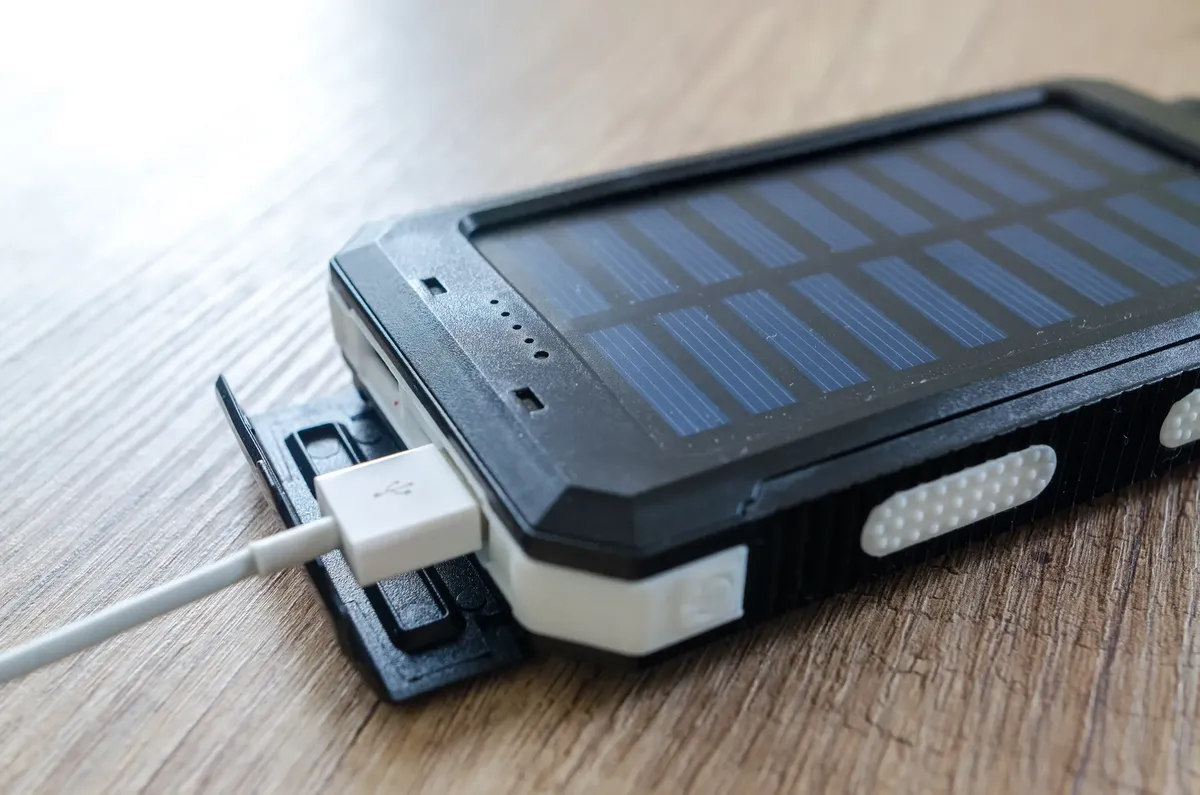
Mass adoption requires a massive overhaul of existing charging infrastructure and grid management software. The current grid was not originally designed to handle large, bidirectional power flows from millions of vehicles.
The hardware required for bidirectional charging is more sophisticated than standard chargers. It must be able to handle the complex task of converting power in both directions without losing efficiency.
Grid operators will need new digital tools to manage the unpredictability of millions of moving batteries. They must be able to communicate with vehicles in real-time to balance supply and demand accurately.
One limitation is the current lack of standardized protocols across different car manufacturers and charger brands. This fragmentation can slow down the deployment of universal V2G systems in diverse regions.
According to Test and Commercialization Center, the item is on record.
When I tried the steps in order, the second one is where I paused longest.
This order does not hold, however, when the figure is not 20%.
Related



Comments 0