Energy Storage Systems Guide to Next-Gen Grid Solutions 1
This article is about Solutions. "The future of power relies not on how much energy we can generate, but on how effectively we can store it for the moments we need it most."
Energy storage systems are the backbone of a modern power grid, acting as a massive buffer that balances fluctuating supply with unpredictable demand.
This guide explores the fundamental mechanics of storage technology, the shift toward safer chemistries, and how these systems stabilize our daily lives.
* Understanding the role of storage in grid stability. * Comparing different battery chemistries like LFP and solid-state. * Learning how flow batteries work for long-duration needs. * Exploring the importance of energy management software. * Identifying the limitations of current storage infrastructure.
Why does the grid need constant balancing?

In the morning I hold energy and walk through the next step.
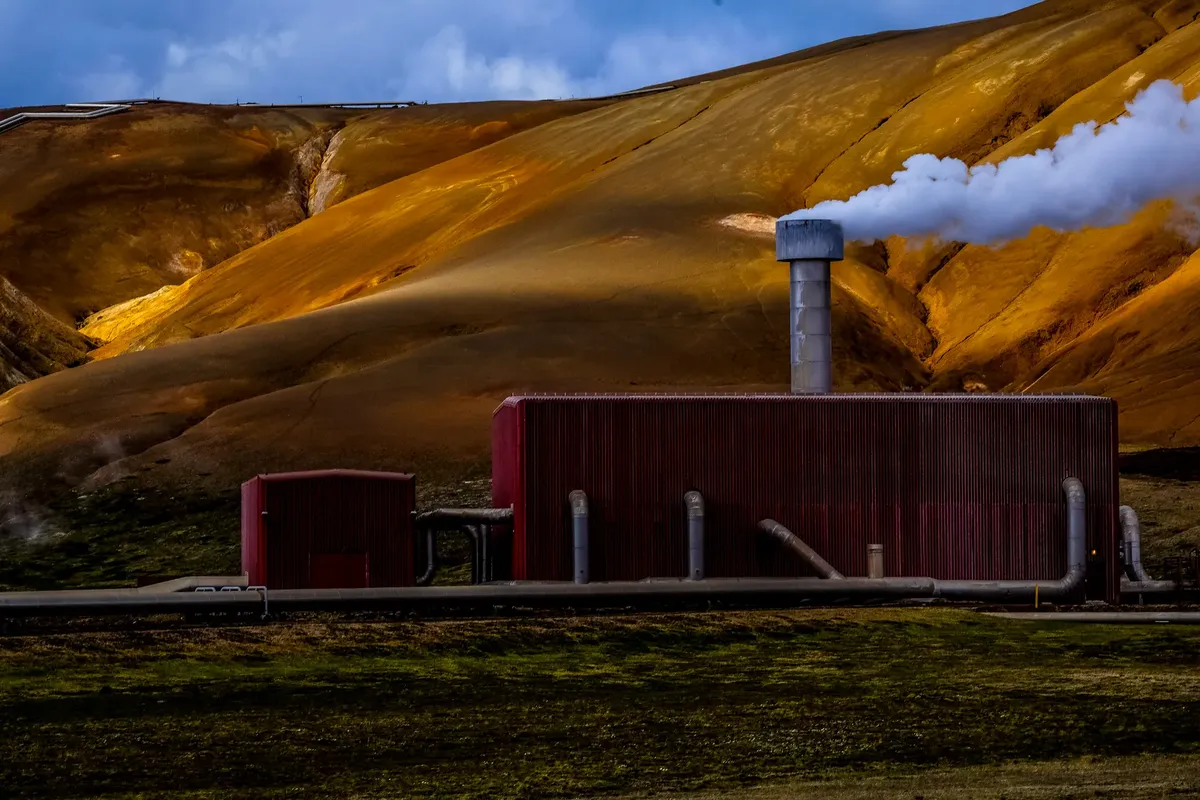
A technician stands in a quiet substation, watching the digital displays flicker as the sun begins to set behind the horizon. According to the International Renewable Energy Agency, 14,438 MW of geothermal power was online worldwide at the end of 2020.
This shift in light signals the end of solar production, creating a sudden gap between the energy being generated and the surge in demand from homes turning on lights and appliances.
Storage systems fill these gaps by discharging electricity during peak demand periods or when renewable sources like wind and solar are underperforming.
By acting as a giant reservoir, they prevent the grid from becoming overloaded or underpowered, ensuring that the frequency of the electrical current remains stable. This constant adjustment is what prevents blackouts and keeps the lights on during sudden shifts in weather or usage.
- Monitor real-time supply and demand fluctuations.
- Adjust generation output to maintain frequency.
- Deploy storage to bridge intermittent gaps.
What are the characteristics of next-generation battery technology?
In the evening I hold energy and walk through the next step.
A researcher in a cleanroom carefully inspects a prototype cell, noting the subtle differences in the layered materials that could change how we power our cities. The goal is to move beyond the limitations of current technology to create something more durable and significantly safer.
As reported by the European Geothermal Energy Council, there were 280 geothermal district heating plants in operation in 2016.
To solve the fire risks and lifespan issues inherent in traditional lithium-ion batteries, several paths are being explored. Lithium Iron Phosphate (LFP) batteries are gaining popularity because they offer much higher thermal stability and longer cycle lives compared to nickel-based alternatives.
Meanwhile, solid-state batteries are being developed to provide much higher energy density by replacing the liquid electrolyte with a solid material, which could drastically reduce the risk of leaks or fires.
These advancements aim to make large-scale storage both economically viable and physically safe for urban environments.
In this sequence, the second step is the most extensive.
How do flow batteries work for long-term storage?
An operator walks through a facility filled with large, colorful tanks of liquid, listening to the low hum of pumps circulating fluids through a complex network of pipes. The Geothermal Energy Association reported that there were 75 new geothermal power projects underway in 12 states as of May 2007.
This setup looks more like a chemical plant than a traditional battery room, but it is designed to hold massive amounts of energy for days at a time.
Unlike standard batteries that store energy in solid electrodes, flow batteries store energy in liquid electrolytes contained in external tanks. The energy is generated when these two liquids are pumped through a central cell stack where they react across a membrane.

This design allows for easy scaling: to increase the capacity, you simply build larger tanks to hold more liquid. This makes flow batteries an ideal candidate for long-duration storage, where the goal is to hold power for many hours or even days to cover extended periods of low renewable output.
How does energy management software control the flow?
A programmer sits in a darkened control room, eyes scanning a complex dashboard of real-time graphs and fluctuating power levels. Every movement on the screen represents a massive surge or drop in electricity, and the software must make split-second decisions to maintain the perfect balance.
Energy Management Systems (EMS) serve as the "brain" of the storage installation, using complex algorithms to decide exactly when to charge and when to discharge.
The software monitors variables like current electricity prices, weather forecasts, and grid frequency to optimize the cost-effectiveness and stability of the system.
For example, the system might charge the batteries when solar production is at its peak and prices are low, then discharge that power during the evening peak to maximize value. This intelligent automation ensures that the hardware is used efficiently without human intervention.
What are the main differences in storage chemistries?
A buyer compares two different battery packs on a spec sheet, weighing the pros and cons of cost, weight, and how many years they will last in the field.
The IPCC notes that existing geothermal electric stations within the 50th percentile of life cycle emissions studies produce an average of 45 kg of CO2 equivalent emissions per megawatt-hour.
Choosing the right chemistry is a constant tug-of-war between how much power you can fit in a small space and how much you can trust the system to stay cool.
The choice of battery chemistry depends heavily on the intended application. For mobile applications like electric vehicles, high energy density is often the priority to maximize range. For stationary grid storage, however, cost-per-cycle and safety are usually more important.
| Feature | LFP (Lithium Iron Phosphate) | NCM (Nickel Cobalt Manganese) |
|---|---|---|
| Primary Benefit | High safety and long lifespan | High energy density and power |
| Common Use | Stationary storage / Budget EVs | High-performance electric vehicles |
| Thermal Stability | Excellent | Moderate |
While NCM-based batteries are great for squeezing the most miles out of a car, LFP is becoming the standard for home and grid storage because it is much harder to ignite and lasts for many more charge cycles.
What are the limitations of current storage solutions?
A construction crew works on a massive battery installation in a remote desert location, where the heat of the midday sun creates shimmering waves of air over the metal enclosures.
According to the Geothermal Energy Association, there were 75 new geothermal power projects underway in 12 states as of May 2007.
As reported by the IPCC, existing geothermal electric stations within the 50th percentile of life cycle emissions studies produce an average of 45 kg of CO2 equivalent emissions per megawatt-hour.
The environment is harsh, and the equipment must be rugged enough to handle the extreme temperature swings without failing.
Current storage technology faces several hurdles, particularly regarding the sourcing of raw materials and the environmental impact of battery production. The reliance on specific minerals like lithium and cobalt creates supply chain vulnerabilities and ethical concerns.
Furthermore, the physical footprint of large-scale installations can be significant, requiring substantial land use and specialized cooling infrastructure to prevent overheating.
- Assess the specific energy needs of the site to choose the right chemistry. 2. Implement robust thermal management to protect the lifespan of the cells. 3. Integrate smart software to automate the charging and discharging cycles. 4. Plan for end-of-life recycling to mitigate environmental impact.
I remember seeing a large-scale installation during a site visit; the sheer scale of the cooling fans required to keep the units at a steady temperature was eye-opening.
When I tried the steps in order, the second one is where I paused longest.
This order does not hold, however, when the figure is not 0.2%.
Related

Comments 0