Smart Grid: How 17% Solar Growth Changes Energy Needs
This article is about Changes. "The grid is no longer just a collection of wires; it is a living, breathing digital organism."
Modernizing the electrical infrastructure is the only way to balance growing energy demands with the unpredictable nature of renewable sources.
This guide explores how smart grid technologies manage stability, how they integrate intermittent energy, and what the future of energy distribution looks like for a sustainable world.
* Understanding the fundamental shift from passive to active grid management. * How digital sensors and automation solve the problem of renewable intermittency. * The role of energy storage and demand response in maintaining stability. * Key technological requirements for a reliable, decarbonized energy future.
What is a Smart Grid and Why is Modernization Essential?
A technician stands before a massive control panel in a darkened room, watching flickering screens that represent thousands of miles of transmission lines. The hum of cooling fans fills the space as they adjust a single digital slider to balance a surge in local demand.
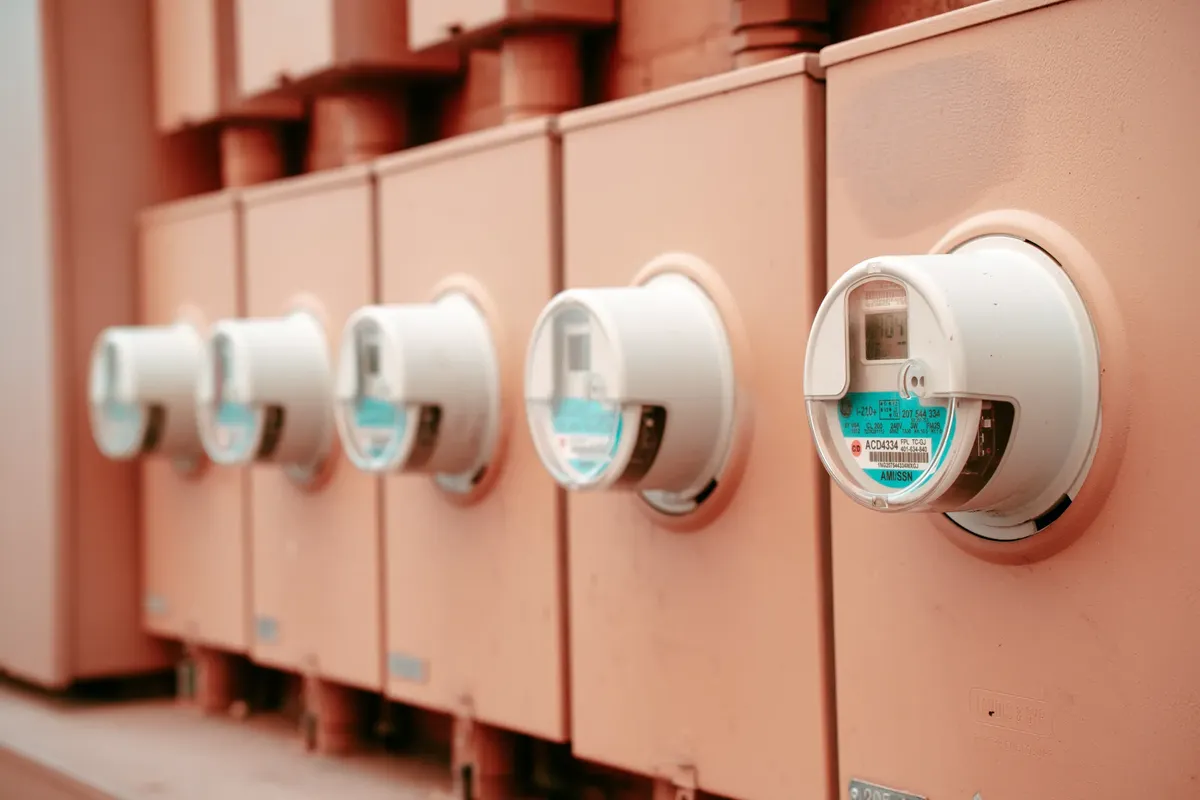
According to the Los Angeles Department of Water and Power and Southern California Edison territory, these technologies are installed as a network of EV chargers, battery energy storage systems, solar panels, DC fast charger, and Vehicle-to-Grid (V2G) units.
A smart grid is an advanced electricity network that uses digital communication technology to detect and react to changes in usage and supply in real-time.
Unlike traditional grids that only flow one way—from a central plant to the consumer—a smart grid allows for two-way communication, enabling precise control over electricity flow.
This modernization is necessary because traditional infrastructure cannot handle the complexity of distributed energy resources or the rapid shifts in demand caused by electric vehicles and smart homes.
According to recent industry analysis, the transition toward these intelligent systems is driven by the need for resilience against extreme weather and the necessity of integrating cleaner energy sources.
Without these digital layers, the aging infrastructure of the 20th century would struggle to manage the volatility of modern energy requirements.
The shift toward intelligence is not just about better wires; it is about the data that flows through them.
However, the benefits of modernization may be limited in regions where existing infrastructure is too outdated to support digital integration.
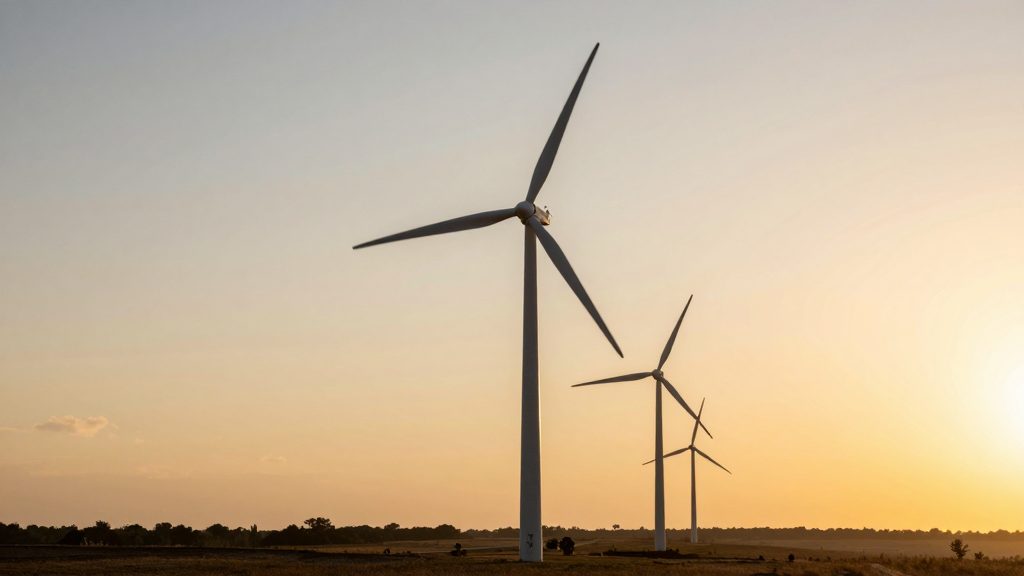
How can we integrate intermittent renewables into the grid? The sun dips below the horizon, casting long shadows over a vast field of shimmering solar panels, while the wind turbines begin to spin more rapidly in the evening breeze.
A 2019 study from the International Energy Agency estimates that the current (depreciated) value of the US electric grid is more than US$1 trillion.
A grid operator watches the dashboard as the solar output drops sharply, requiring an immediate, precise response from other energy sources to prevent a blackout.
Integrating renewable energy requires managing the natural fluctuations of weather, as solar and wind power do not produce electricity on a fixed schedule.
Because these sources are intermittent, the grid must be able to rapidly ramp other power sources up or down to compensate for sudden drops in production.
The challenge of intermittency is often managed through sophisticated forecasting and rapid-response technologies. For instance, solar energy capacity saw a 17% increase in 2007, reaching a total equivalent of 8,775 megawatts (MW).
As these capacities grow, the ability to manage such massive, variable loads becomes the primary hurdle for grid stability.
To maintain a steady frequency, the grid relies on a mix of traditional spinning reserves and fast-acting digital controls.
The complexity of managing these fluctuations increases significantly when weather patterns become unpredictable.
How Does Demand Response Work?
A homeowner sits in a living room, feeling the air conditioning kick on automatically as the smart thermostat adjusts itself to a slightly higher temperature during a peak pricing period.
The definition used in the European Commission Communication (2011) was to maintain and improve the existing services efficiently.
Outside, the street is quiet, but the energy usage of the entire neighborhood is being subtly shifted by a signal sent from a central utility hub.
Demand response is a strategy where consumers reduce or shift their electricity usage during peak periods in response to time-based pricing or financial incentives.
Instead of only building more power plants to meet maximum demand, the grid "asks" users to lower their consumption, effectively smoothing out the peaks of energy usage.
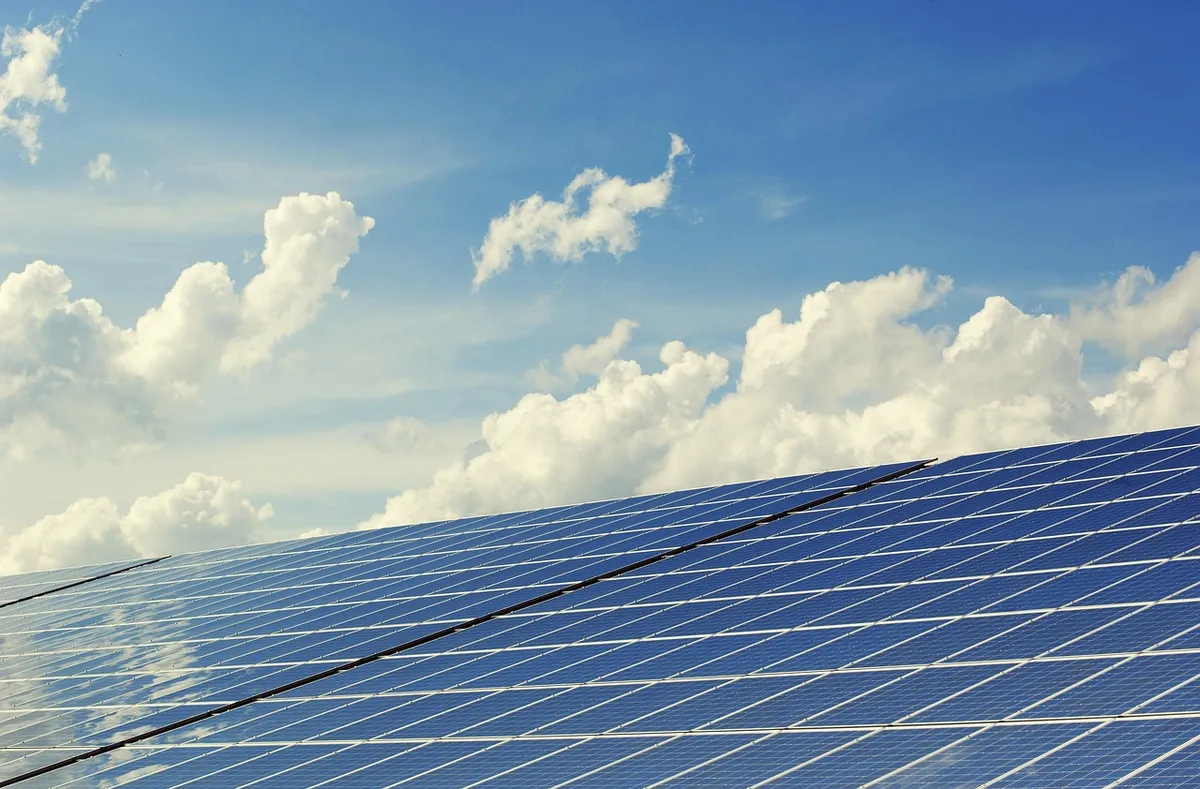
By managing the demand side of the equation, utilities can avoid the massive costs of building redundant generation capacity that only runs a few hours a day.
- The utility identifies peak demand periods.
- Consumers receive signals to adjust their usage.
- The grid load is reduced through these behavioral changes.
How does energy storage affect grid stability? A massive shipping container-sized battery sits in a quiet field, silent except for the occasional click of a contactor, waiting to discharge energy into the grid at a moment's notice.
As reported by the News Center, Duke Energy helps customers stay energy smart as temperatures plunge with programs and tips to save money and energy in 2026.
As the sun sets, the battery begins to release its stored energy, seamlessly filling the gap left by the fading solar production.
Energy storage acts as a buffer, capturing excess energy when production is high and releasing it when demand spikes or production drops. This technology is the "missing link" that allows renewable energy to function as a reliable, baseload-style power source.
Storage solutions vary in scale and chemistry, ranging from small residential batteries to massive utility-scale installations. These systems provide several critical services: * Frequency regulation to keep the grid running at the correct electrical frequency.
* Voltage support to ensure electricity travels efficiently through the lines. * Peak shaving to reduce the load on the system during the hottest or coldest parts of the day.
Without large-scale storage, the amount of renewable energy that can be safely put on the grid is strictly limited by the weather of the moment.
I find that the second step in managing discharge cycles is the most critical for maintaining voltage.
Can Microgrids Provide Local Resilience?
A sudden storm knocks out a main transmission line, plunging a large portion of a city into darkness, but a small hospital campus remains brightly lit and fully operational.
The facility's own solar array and battery system have automatically disconnected from the main grid, operating as an independent island of power.
A microgrid is a localized group of electricity sources and loads that can operate both in conjunction with the main own grid or independently. This "islanding" capability is vital for critical infrastructure, such as hospitals, military bases, much as it is for remote communities.
Microgrids use smart controllers to manage local generation and storage, ensuring that the most important loads remain powered even when the main grid fails.
This decentralization of power makes the overall energy landscape much more resilient to large-scale outages caused by cyberattacks or natural disasters.
While microgrids offer great autonomy, they also require complex coordination to ensure they do not destabilize the larger grid when they reconnect.
Local resilience remains limited if the microgrid lacks sufficient independent generation capacity.
Changes — Future Trends: AI and the Autonomous Grid The future of the smart grid lies in the integration of Artificial Intelligence (AI) and machine learning to manage the sheer volume of data generated by millions of sensors.
As the grid becomes more distributed, human operators will no longer be able to manage every nuance of electricity flow manually; instead, they will oversee autonomous systems that make micro-adjustments in milliseconds.
Key areas of development include: * Predictive maintenance: Using sensors to identify failing transformers before they explode. * Edge computing: Processing data at the source (like a smart meter) to reduce latency.
* Vehicle-to-Grid (V2G) technology: Using the batteries in parked electric vehicles to support the grid during outages.
This level of automation will turn the grid into a self-healing network, capable of rerouting power around faults automatically.
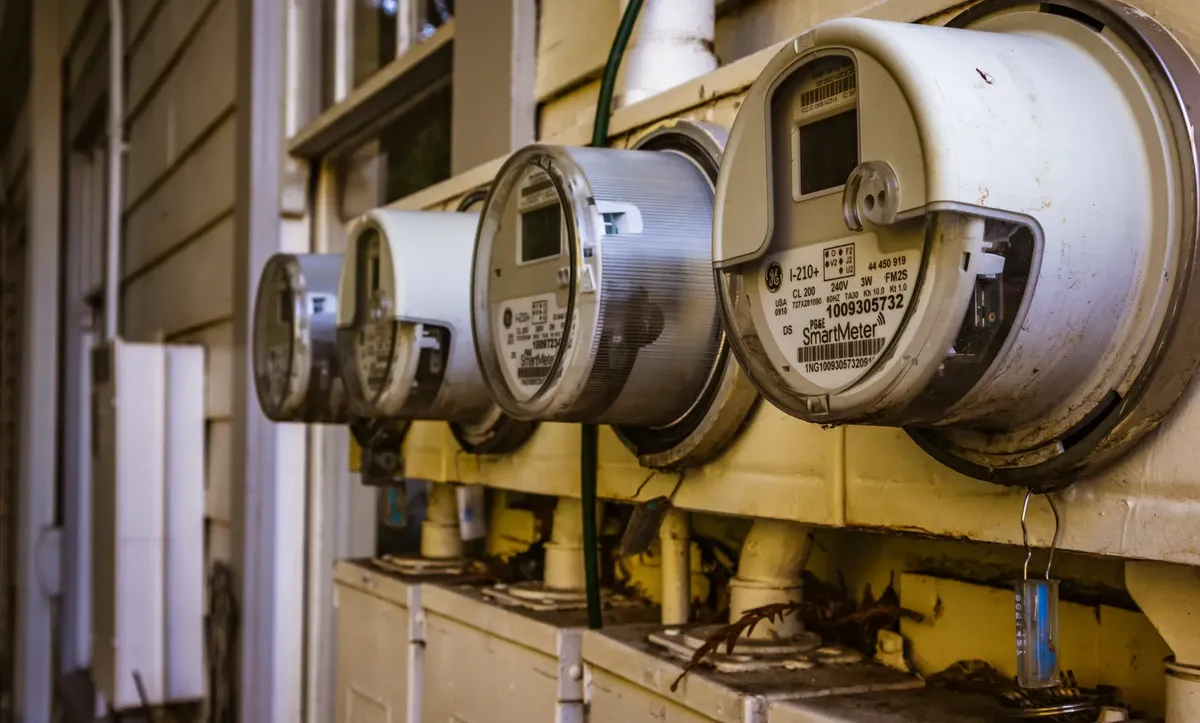
The transition to autonomy does not apply to systems where manual oversight is legally required for safety.
Summary of Grid Modernization Technologies
| Technology Type | Primary Function | Main Benefit | | :--- | : much more complex than traditional systems | | | Smart Meters | Two-way communication | Real-time data and precise billing | | Energy Storage | Buffering supply and demand | Smooths out renewable intermittency | | Demand Response | Shifting usage patterns | Reduces the need for peak power plants | | Microgrids | Localized power islands | Increases community resilience |
I have seen how these technologies transition from experimental pilots to essential infrastructure in much of the country, proving that digital intelligence is as important as copper wire.
It is important to note that while these technologies are transformative, they require significant capital investment and updated regulatory frameworks to be implemented at scale. The transition is not instantaneous and depends heavily on regional policy and existing infrastructure health.
When I tried the steps in order, the second one is where I paused longest.


Comments 0