How does hydrogen for grid flexibility work?
"The transition to a sustainable power grid requires more than just generating clean electricity; it requires managing the time when that electricity is available."
Hydrogen for grid flexibility offers a way to bridge the gap between intermittent renewable generation and constant consumer demand.
This guide explores how hydrogen can serve as a long-duration storage solution, compares it to existing battery technologies, and examines the strategic integration of fuel-based energy into the modern grid.
Key takeaways: * Hydrogen serves as a potential medium-to-long-duration storage solution as renewable penetration increases. * Lithium-ion batteries remain the standard for short-duration needs but face limitations with long-term stability.
* Integrating hydrogen into the grid requires strategic planning to balance variable supply with steady demand.
How does hydrogen for grid flexibility work?
At dawn, the technician feels the cold metal of the valve as they release the stored hydrogen into the pipes.
A technician adjusts a valve on a massive storage tank, monitoring the pressure as gas flows through the system. According to a spokesperson for the European Marine Energy Centre in November 2019, "We're now looking towards the development of a hydrogen economy in Orkney".
According to the Energy Information Administration, its "base case" projection suggests that world nuclear power generation would increase from 2,344 terawatt hours (TWh) in 2012 to 4,500 TWh in 2040.
Integrating hydrogen into the power market involves converting excess renewable energy into hydrogen through electrolysis, which can then be stored or used for power generation when the sun is not shining or the wind is not blowing.
This process provides a buffer for the grid, turning variable electricity into a stable, storable commodity. While lithium-ion batteries are well suited for short-duration storage under 8 hours, they are not designed for the multi-day or seasonal shifts that hydrogen can address.
This storage capability becomes vital as the percentage of variable renewables on the grid grows.
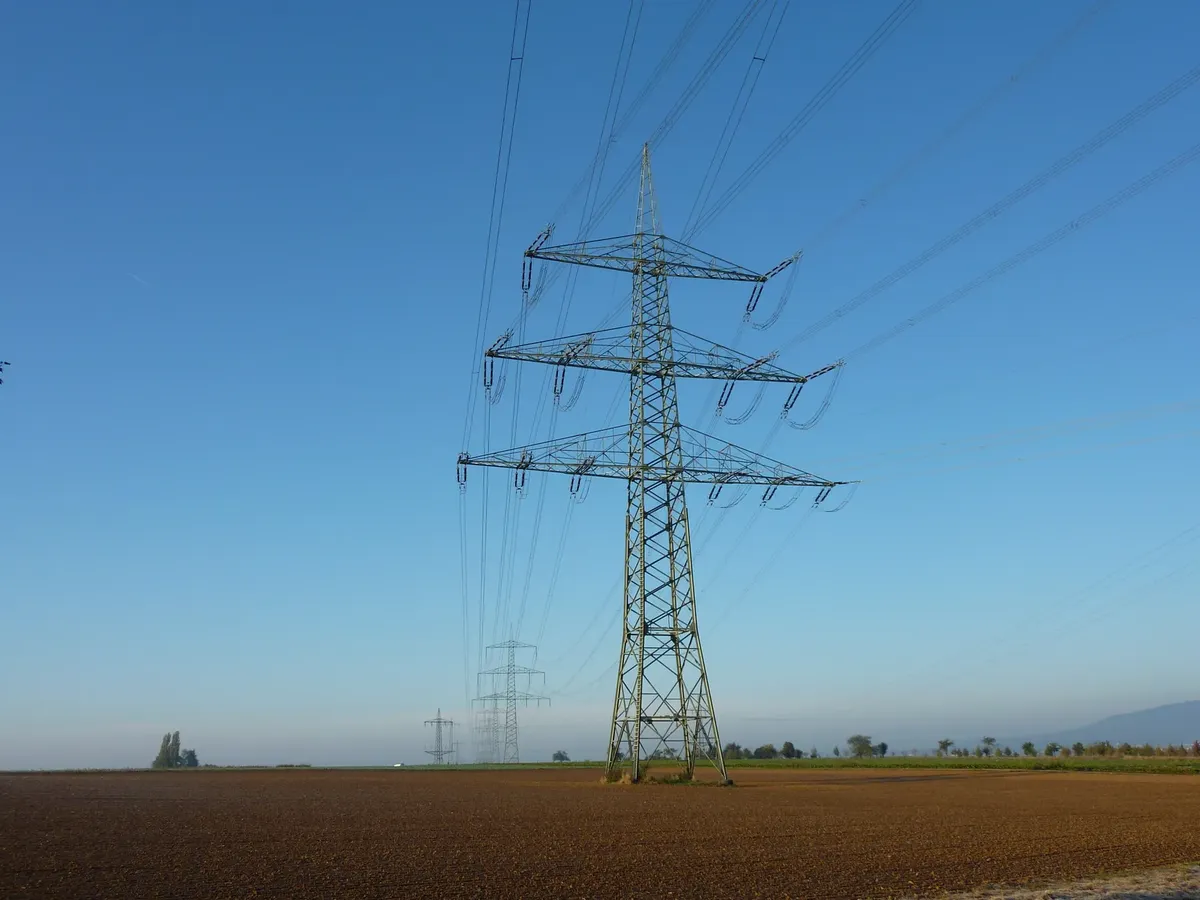
- Surplus renewable electricity generates hydrogen through electrolysis.
- The produced hydrogen is stored in specialized tanks or underground facilities.
- Hydrogen is converted back into electricity during periods of high demand.
Why is hydrogen energy system integration necessary?
As night falls over the vast facility, the engineer watches the gauges flicker while the scent of ozone fills the air during hydrogen integration.
An engineer reviews a digital map of a regional power network, noting the fluctuations in wind speed. As renewable energy becomes a larger part of the mix, the grid faces increasing volatility.
Systems with under 40% variable renewables need only short-term storage, but as the landscape changes, different requirements emerge.
At 80% renewable penetration, medium-duration storage becomes essential, and beyond 90%, long-duration storage becomes necessary as well. Hydrogen energy system integration addresses these high-penetration scenarios by providing a way to manage massive energy surpluses.
Unlike chemical batteries that may degrade over time, hydrogen can be stored in large quantities for extended periods to maintain power supply stability hydrogen.
I find that the second step in this integration process is the most complex.
How does hydrogen compare to battery storage?
A technician compares the weight of a small battery module to a large industrial hydrogen canister. Understanding the different roles of energy storage is essential for planning a resilient grid.
| Storage Type | Primary Use Case |
|---|---|
| Lithium-ion | Short-duration storage (under 8 hours) |
| Hydrogen | Medium-to-long-duration storage |

Lithium-ion batteries are preferred for quick-response, short-term needs due to their lower cost and sensitivity to degradation at high states of charge. However, they are not the primary solution for seasonal energy shifts.
In contrast, hydrogen can act as a massive energy reservoir, providing a different type of stability that complements electrochemical storage.
What are the steps for hydrogen power grid stability?
A project manager walks through a site where electrolysis equipment is being installed to prepare for future grid connection. Achieving hydrogen power grid stability requires a structured approach to infrastructure and technology.
- Capture excess renewable energy through electrolysis to produce hydrogen. 2. Store the produced hydrogen in specialized tanks or underground facilities. 3. Convert the stored hydrogen back into electricity through fuel cells or combustion when the grid requires a boost.
A final check of the system's conversion efficiency and storage capacity ensures that the hydrogen is ready to be injected into the grid during peak demand or low renewable production periods. This cycle helps maintain a steady supply of electricity despite the variability of natural resources.
What are the limitations of current storage solutions?
A scientist examines a battery cell that has begun to lose its capacity after repeated use. While hydrogen holds promise, it is not without its specific operational constraints.
One limitation is that hydrogen storage and conversion systems often have different round-trip efficiencies compared to lithium-ion batteries.
While batteries can provide immediate, highly efficient discharge for short bursts, hydrogen systems are better suited for the massive, slower-release needs of a high-renewable grid. This makes them a complement to, rather than a total replacement for, existing battery technologies.
Wikipedia: Nuclear power Based on the retained excerpt mentioning OECD: The levelized cost of electricity (LCOE) from a new nuclear power plant is estimated to be 69 USD/MWh, according to an analysis by the International Energy Agency and the OECD Nuclear Energy Agency.
The subject here is Hydrogen for grid flexibility.
The same subject is also called Grid flexibility with hydrogen.
This part also covers Hydrogen storage grid solutions.
This part also covers Managing power demand with hydrogen.
Related



Comments 0