HVDC grid power flexibility with 1.6% per 1000 km losses
"The latest generation of HVDC power lines can transmit energy with losses of only 1.6% per 1000 km."
Modern energy landscapes require high-capacity solutions to manage the shift toward renewable sources. HVDC grid power flexibility allows for long-distance energy transport with minimal loss, providing a stable backbone for intermittent renewables.
This guide explores how high voltage DC grid technologies enhance stability, the role of HVDC grid stability in managing large-scale renewables, and the technical advantages over traditional AC systems.
How does HVDC grid power flexibility support renewables?
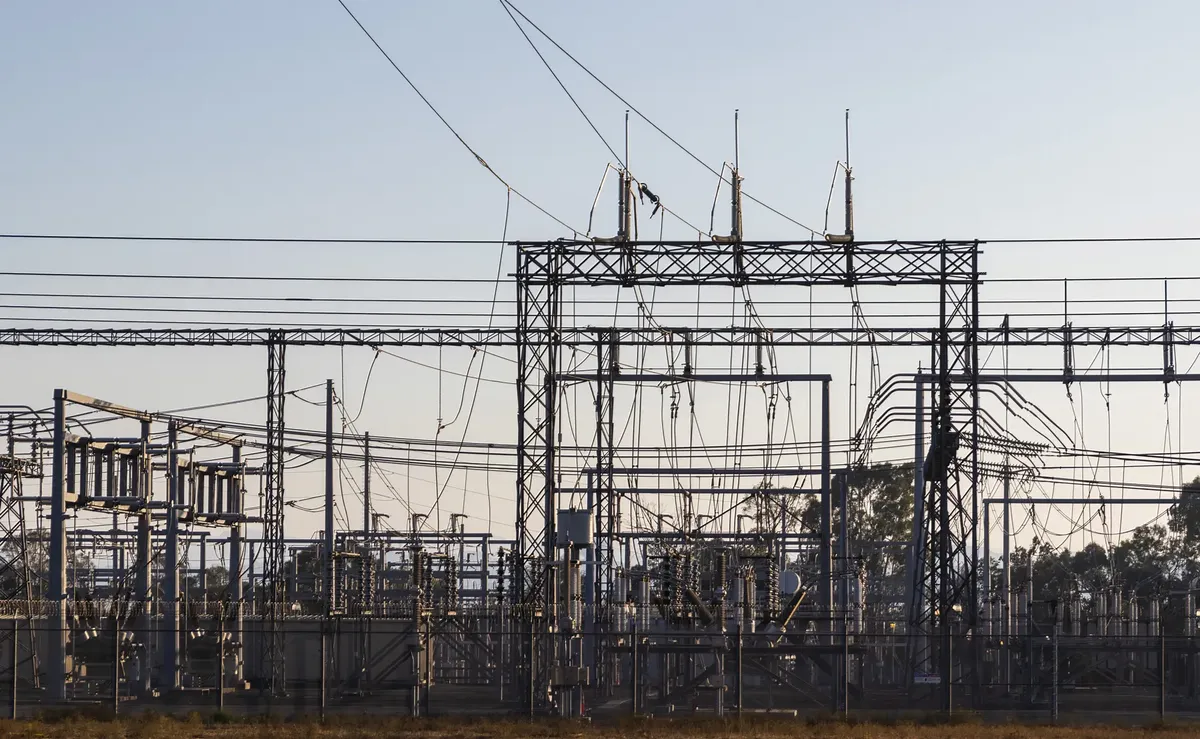
A technician adjusts the control parameters on a massive converter station to balance the load between two distant regions. This precise control allows operators to redirect energy flow instantly, mitigating the volatility inherent in wind and solar generation.
Integrating renewables with HVDC allows for the connection of remote, high-yield renewable sites to urban centers. This technology acts as a bridge, smoothing the transition between variable supply and constant demand.
By utilizing these links, the grid can absorb massive surges in green energy without compromising local stability.
The potential for this technology is vast.
Gregor Czisch, in a study regarding the European-wide adoption of renewable energy and interlinking power grids using HVDC cables, indicates that Europe's entire power usage could come from renewables, with 70% total energy from wind at the same level of cost or lower as at present.
This scale of integration requires the precise control offered by DC links.
What is the role of HVDC grid stability in long-distance transmission?
In the quiet control room, the engineer stares at the flickering screen as the hvdc link maintains a steady hum during the midnight shift.
An engineer monitors a digital readout showing the efficiency of a long-distance cable spanning hundreds of kilometers. The steady, controlled flow of electricity ensures that the voltage remains constant across the entire network.
A High voltage DC grid provides a much higher level of control over power flow compared to traditional AC systems. This capability is essential for preventing cascading failures in interconnected regions.
By isolating different synchronous zones, HVDC links can prevent a disturbance in one area from spreading to another.
The efficiency of these systems is a primary driver for their adoption. The latest generation of HVDC power lines can transmit energy with losses of only 1.6% per 1000 km. This level of efficiency makes long-distance energy transport economically viable for the first time in many regions.
How does a High voltage DC grid compare to AC transmission?
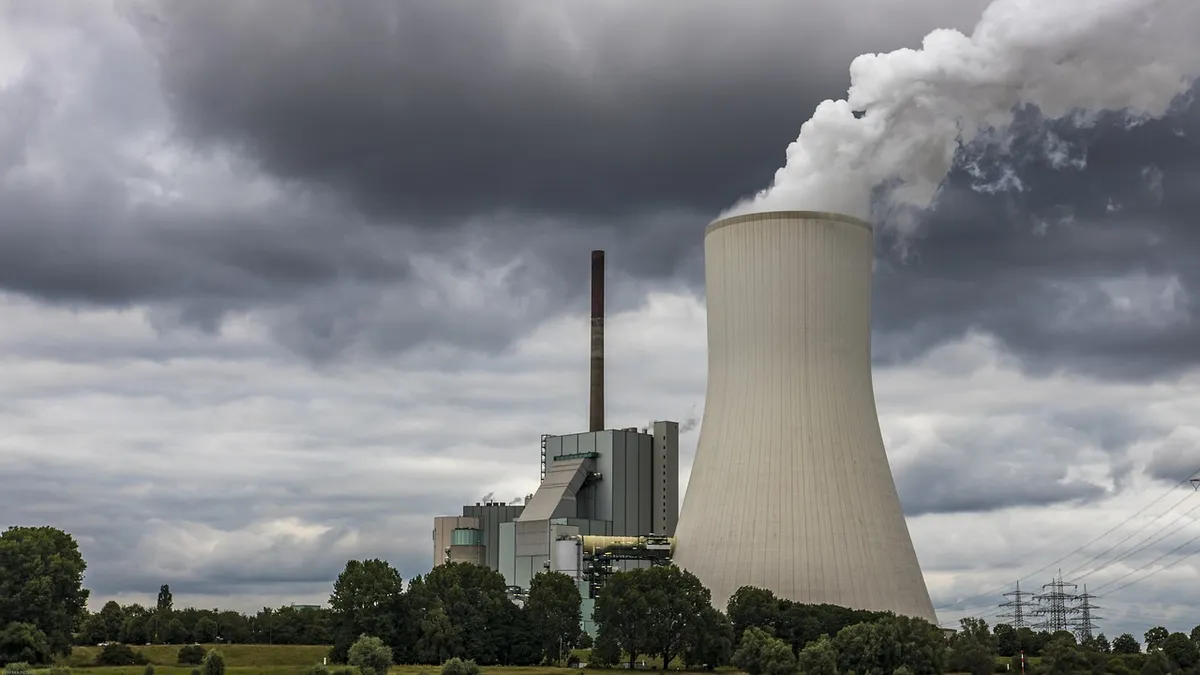
A technician compares the heat signatures of two different cable types on a thermal imaging screen. The difference in energy loss becomes clear as the temperature readings fluctuate.
Traditional AC lines face physical limitations regarding distance and reactive power. While AC is standard for local distribution, long-distance AC transmission often suffers from significant energy dissipation.
| Transmission Type | Typical Loss Rate |
|---|---|
| High voltage AC (per 100 miles) | 1–4% |
| 800 kV AC lines (per 800 km) | 2.6% |
High voltage AC transmission lines can lose 1–4% per hundred miles. In contrast, the efficiency of DC becomes increasingly superior as the distance grows. While 800 kV lines show a loss of 2.6% over 800 km, the specialized nature of HVDC allows for even tighter control over energy movement.
What are the steps to integrating HVDC into existing grids?
A project manager reviews the blueprints for a new converter station designed to interface with an existing AC network. The plan outlines the precise synchronization required to merge the two systems.
Integrating these advanced systems into existing infrastructure involves a structured technical approach:
- Site selection and environmental assessment to ensure the converter stations meet local regulatory standards. 2. Installation of converter technology to transform AC from the local grid into DC for long-distance transport. 3. Synchronization of the DC link with existing synchronous zones to maintain frequency stability. 4. Final verification of the control systems to ensure seamless load balancing.
I observed the complexity of these installations during a site visit, noting how the massive converter units serve as the heartbeat of the new energy corridor.
A limitation in this process is that the cost of converter stations remains a significant factor in project feasibility.
How does HVDC contribute to global energy security?
A control room operator manages the flow of electricity across borders, ensuring that energy surplus in one country meets the deficit in another. The seamless transition happens without any interruption to the local supply.
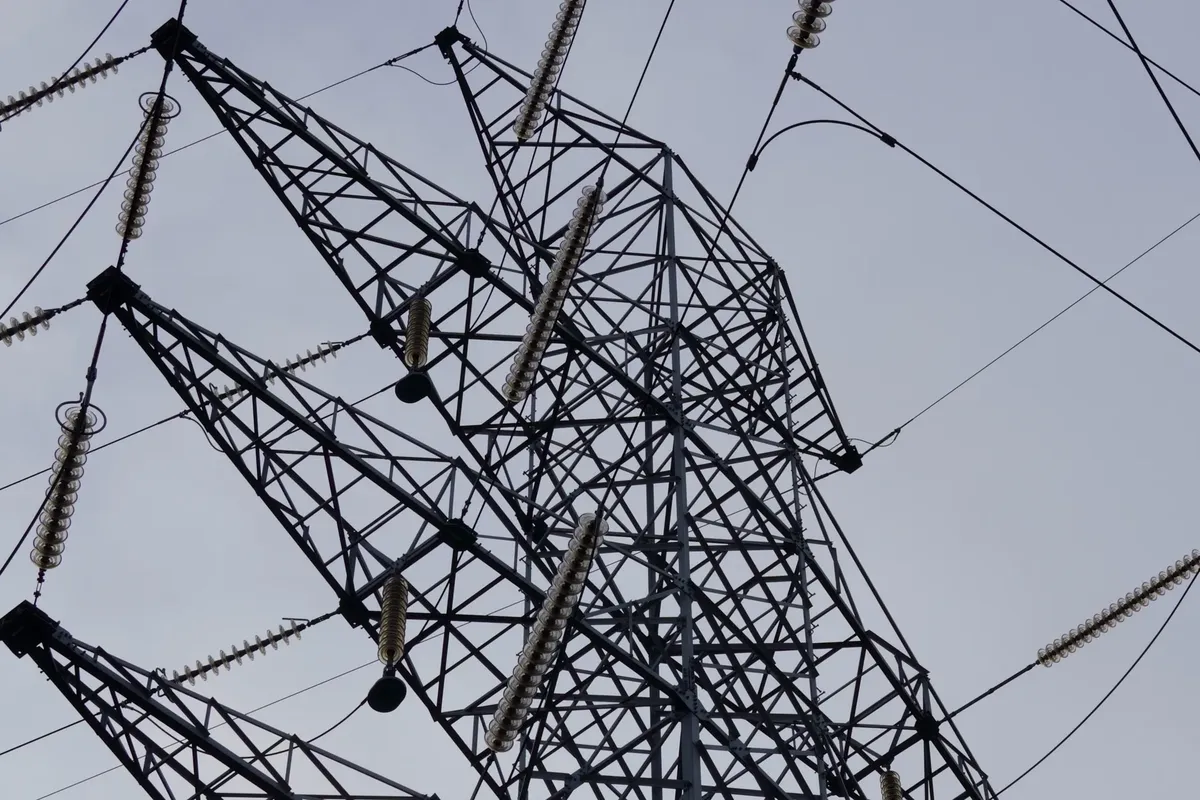
The ability to interconnect large regions creates a more resilient global energy web. This interconnection allows countries to share renewable resources, reducing the need for fossil fuel backup.
The scale of these systems is massive. The largest synchronous zones, such as the synchronous grid of Continental Europe (ENTSO-E) with 667 gigawatts (GW) of generation, demonstrate the complexity of managing large-scale power.
HVDC links can connect these massive zones, providing a level of flexibility that was previously impossible.
- How does HVDC grid power flexibility support renewables?
- What is the role of HVDC grid stability in long-distance transmission?
- How does a High voltage DC grid compare to AC transmission?
Related
- Smart Grid: How 17% Solar Growth Changes Energy Needs
- Renewable energy economic value: Guide to energy transition
When should HVDC be prioritized in grid planning? HVDC should be prioritized when connecting remote, high-yield renewable sites to major consumption centers. This technology provides the necessary backbone for managing intermittent power sources effectively. The latest generation of HVDC power lines offers superior performance for these long-haul energy transfers.
The decision to implement HVDC hinges on the required level of power flow control. Where grid stability demands isolation between synchronous zones, HVDC links present a distinct advantage over conventional AC infrastructure.
This capability is crucial for maintaining system integrity during large-scale power injections.
Considering the economic viability, HVDC becomes the preferred choice when the distance of the transmission route makes AC dissipation too costly.
The minimal loss characteristic of the latest generation of HVDC power lines directly supports long-term financial planning for energy infrastructure projects.
Wikipedia: Solar power in Pakistan Based on the retained excerpt mentioning Sindh Environmental Protection Agency: The project was developed by Oracle Energy and China Electric Power Equipment and Technology (CET), and was approved by the Sindh Environmental Protection Agency (SEPA) in May of 2024.

Comments 0