Energy transition social barriers: How to guide clean power
"The endeavor to use 100% renewable energy for electricity, heating/cooling and transport is motivated by global warming, pollution and other environmental issues, as well as economic and energy security concerns."
The energy transition social barriers involve navigating complex political landscapes and resource availability to shift toward sustainable power. This process requires balancing ambitious renewable energy goals with the practicalities of mineral supply and grid integration.
Key takeaways include the feasibility of high-renewable scenarios, the critical role of mineral demand, and the necessity of efficient energy use.
How do we bridge the policy and tech gap?
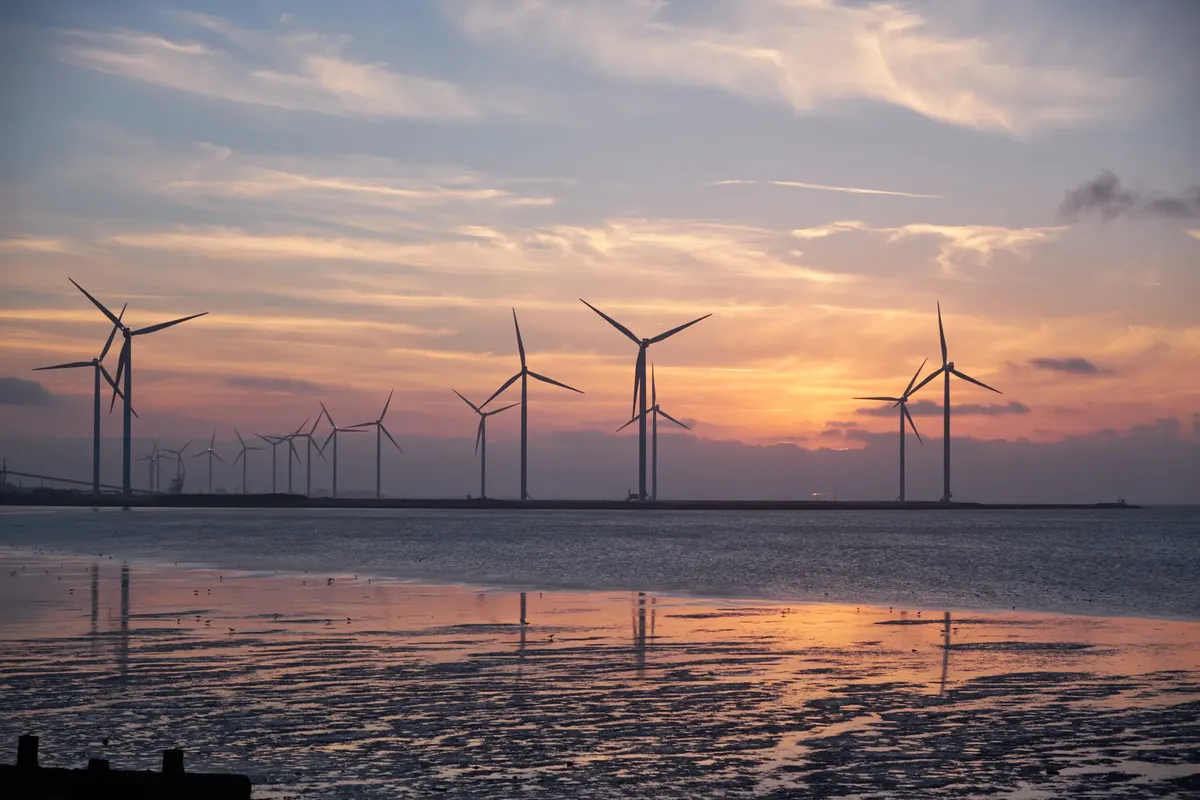
At dusk in the quiet office, she rubs her tired eyes while contemplating how to fuse legislative willpower with kinetic energy.
A policymaker sits at a wooden desk, reviewing a thick folder of energy strategy documents. The shift toward cleaner power requires reconciling long-term environmental goals with immediate economic realities.
The International Energy Agency (IEA) has identified 37 minerals as critical for clean energy technologies and estimates that by 2050 global demand for these will increase by 235 per cent. This surge in demand highlights a primary obstacle in the energy transition social barriers.
Addressing this requires a synchronized approach to resource management and technological deployment.
Renewable energy hurdles often stem from this mismatch between available materials and the speed of technological adoption. While the need for minerals grows, the infrastructure to process them must also expand. This creates a tension between current supply chains and future energy requirements.
What are the social limits to green energy? Energy transition social barriers
At dusk in the quiet field, she sighs heavily while contemplating the social limits to green energy.
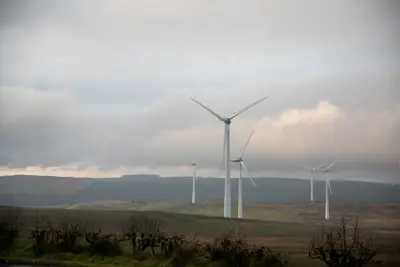
A community leader stands in a field, looking at a map of proposed wind turbine locations. Local acceptance and land-use policies frequently shape the success of large-scale projects.
The International Energy Agency (IEA) commended Germany in May 2013 for its commitment to developing a comprehensive energy transition strategy, ambitious renewable energy goals, and plans to increase efficient energy use.
This strategic approach serves as a model for navigating social limits to green energy. By integrating efficiency with production, nations can mitigate some localized friction.
The energy shift obstacles are often tied to how these strategies are communicated to the public. Without clear frameworks, projects may face resistance due to perceived instability or land-use conflicts. Successful transitions require a balance of high-level planning and local engagement.
How can we manage the energy shift obstacles?
An engineer inspects a series of battery storage units in a bright, modern facility. Managing intermittent power sources is a central challenge in modernizing the grid.
As reported by The International Energy Agency, 37 minerals have been identified as critical for clean energy technologies, with global demand for these expected to increase by 235 per cent by 2050.
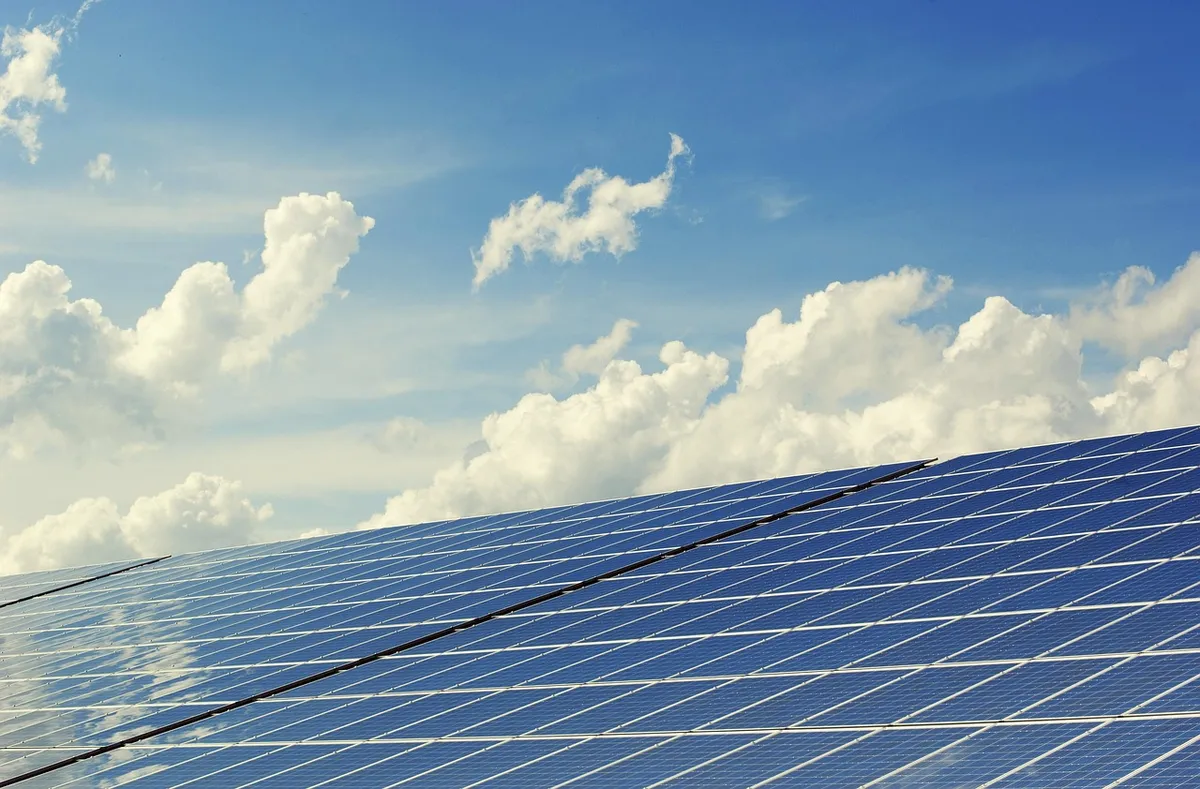
The United Nations Intergovernmental Panel on Climate Change (IPCC) stated in their 2011 report that there is little that limits integrating renewable technologies for satisfying the total global energy demand.
This suggests that the primary barriers are not technical limitations but rather organizational and political hurdles. Overcoming these obstacles involves creating a more resilient and flexible grid.
The energy transition social barriers are frequently linked to how much electricity a society can reliably consume. As renewable shares grow, the ability to store and distribute power becomes a vital component of stability.
Building this capacity is essential to moving beyond traditional fossil fuel reliance.
What is the future of the energy shift?
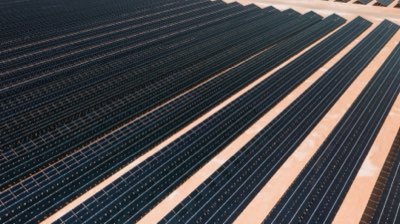
A technician monitors a digital dashboard showing real-time data from a vast solar farm. The data indicates a rapidly changing landscape of global energy production.
According to the International Renewable Energy Agency, it is projected that by 2050, over half of the world's energy will be carried by electricity and over three-quarters of the global energy mix will be from renewables.
In 2024, the International Renewable Energy Agency (IRENA) projected that by 2050, over half of the world's energy will be carried by electricity and over three-quarters of the global energy mix will be from renewables. This projection underscores the scale of the required shift.
Achieving these targets will require unprecedented cooperation across borders.
The energy shift obstacles will likely evolve as the world moves toward a more electrified economy. As electricity becomes the primary carrier of energy, the focus will shift toward grid-level management and storage. Preparing for this shift is a cornerstone of modern energy policy.
How do we address the policy and tech gap in practice?
A group of planners sits around a conference table, discussing a multi-year roadmap. They are looking at a series of charts showing declining costs and rising adoption rates.
Transitioning a nation involves a series of coordinated actions to ensure stability.
- Develop a comprehensive strategy that includes ambitious renewable energy goals and efficient energy use. 2. Secure a reliable supply of critical minerals required for clean energy technologies. 3. Implement infrastructure improvements to support a high-electricity energy mix.
I observed how these strategic frameworks were used to align various stakeholders during a policy workshop. A final check ensures that all technological advancements are aligned with the specific resource availability of the region.
What are the limitations of these strategies?
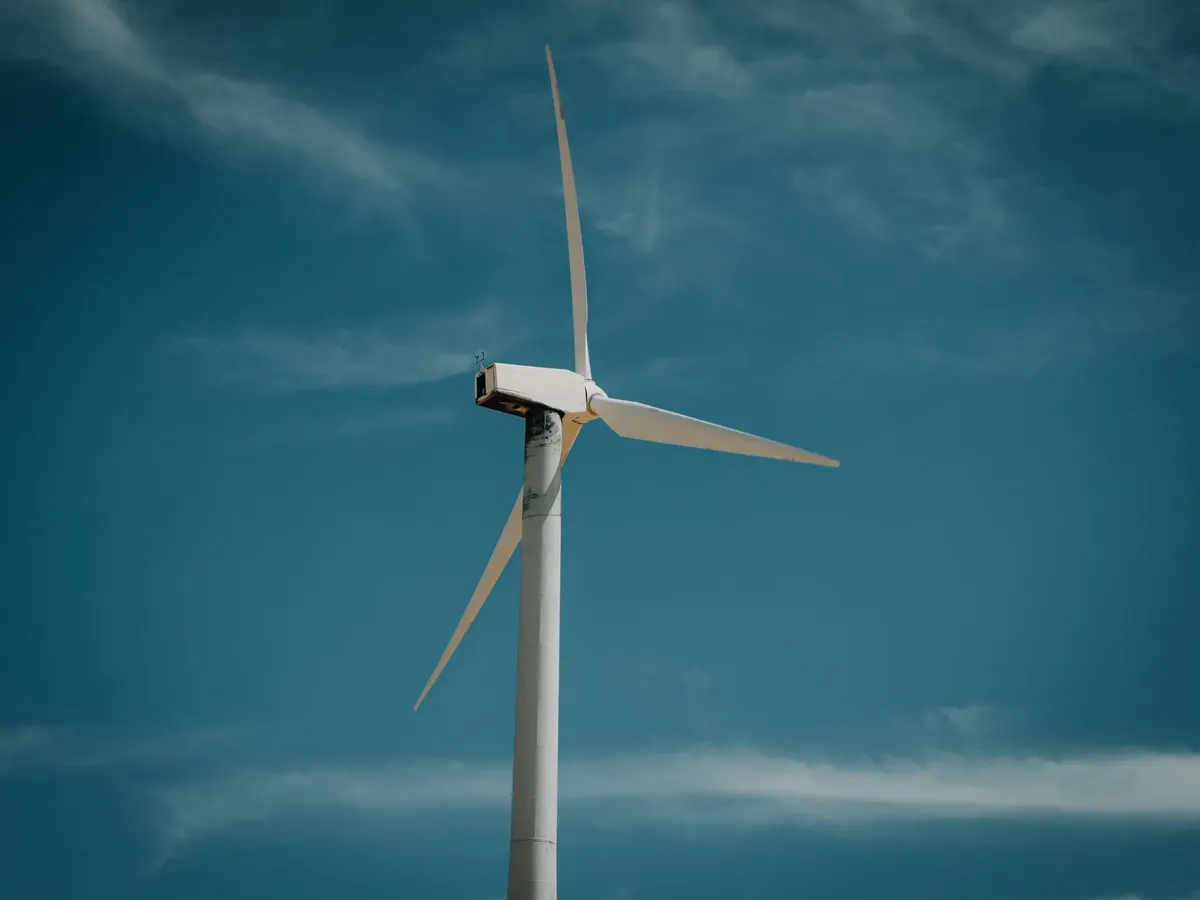
A researcher looks through a microscope at a sample of a new photovoltaic material. The lab environment is controlled, but real-world application is much more complex.
A limitation exists because no uniform definition for 100% renewable energy systems has been adopted across the published literature. This lack of a standardized definition can lead to inconsistencies in how progress is measured and reported.
- How do we bridge the policy and tech gap?
- What are the social limits to green energy?
- How can we manage the energy shift obstacles?
This part also covers Social factors in energy policy.
This part also covers Technological solutions for grid.
This part also covers Political barriers to renewables.
Social factors in energy policy
Related

Comments 0