Croatia renewable energy plan: How to reach 80% share
"By 2023 Croatia hopes to install further 1500MW of Solar and Wind capacity, increasing the renewable energy share energy mix to over 80% of energy produced through renewable energy sources, reaching its 2050 renewable energy strategy 20 years ahead of schedule."
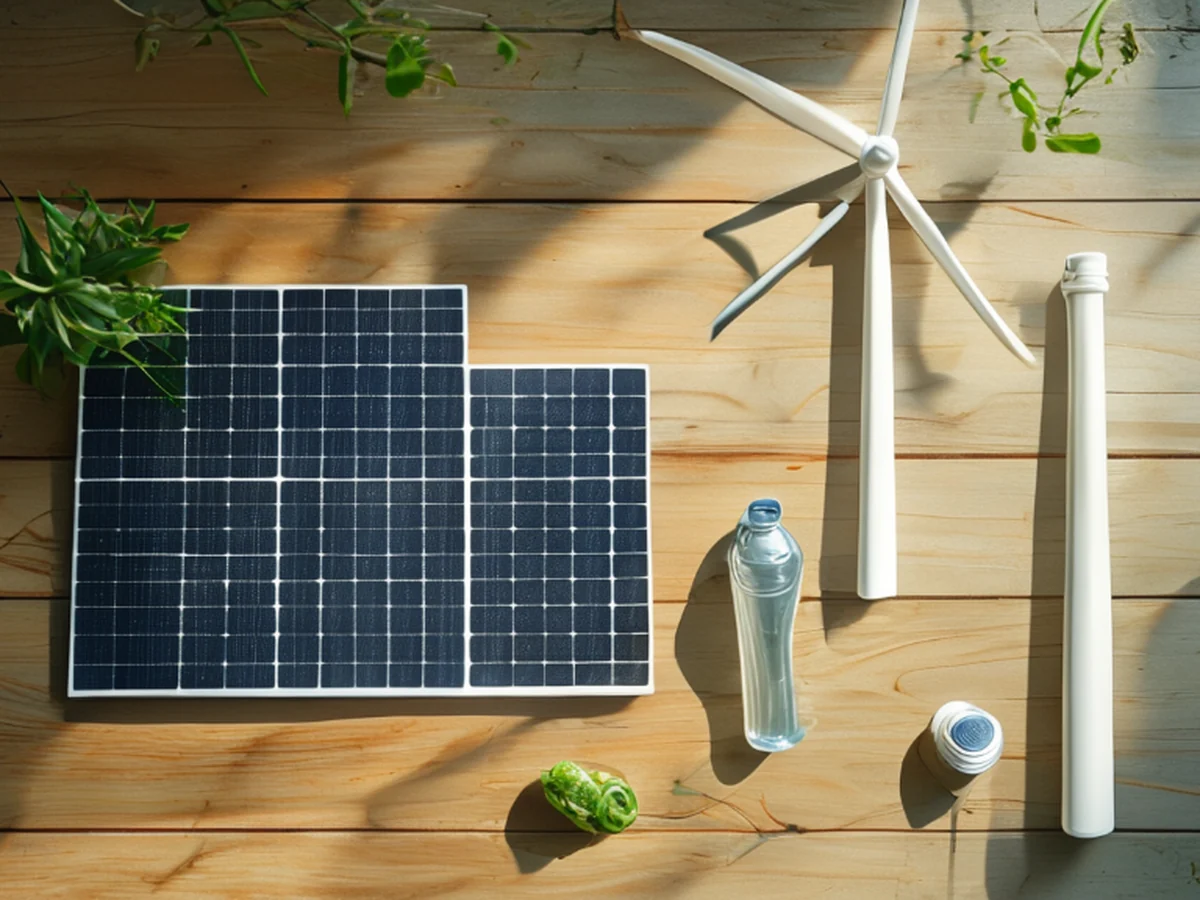
Croatia is aggressively transitioning its power grid to become a regional leader in green power through massive infrastructure expansion. The nation aims to reach an 80% renewable energy share by 2023 through strategic investments in wind and solar capacity.
This guide explores the specific targets, the mix of power sources, and the timeline for phasing out older energy methods.
How will Croatia reach its renewable energy share?
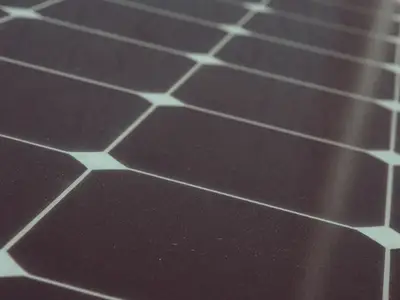
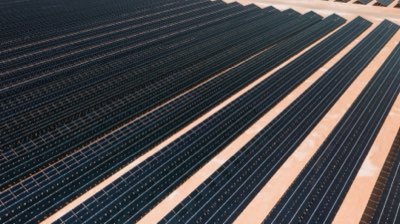
A technician adjusts a solar panel in the bright morning sun to ensure maximum absorption. The nation is pursuing an ambitious path to diversify its power grid through various natural resources.
By 2023, Croatia hopes to install an additional 1500MW of solar and wind capacity. This expansion is designed to increase the renewable energy share to over 80% of the energy produced through renewable sources.
This rapid growth would allow the country to reach its 2050 renewable energy strategy 20 years ahead of schedule.
What are the specific national policy targets? Croatia renewable energy plan
An engineer leans over a wooden table in a quiet office in croatia, tracing the lines of a blueprint while feeling the cool breeze from an open window.
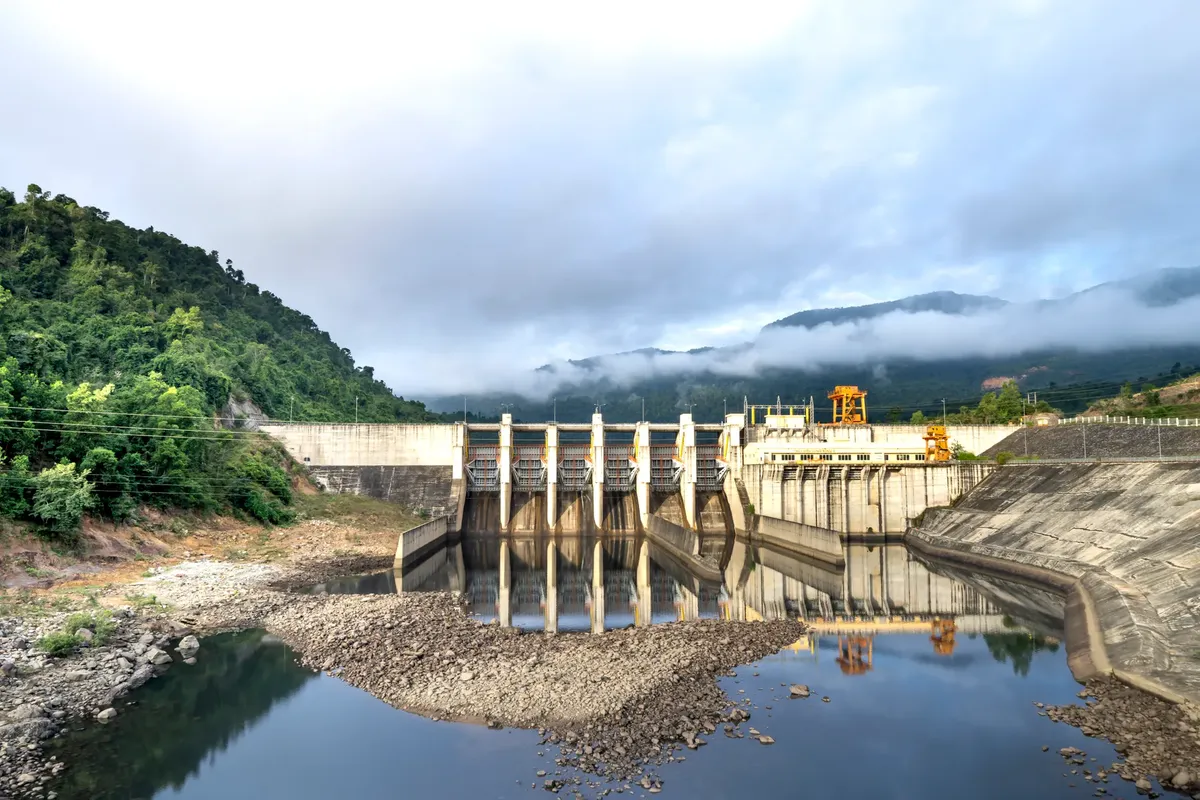
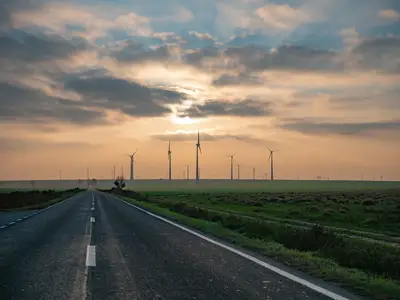
An engineer reviews blueprints for a new wind farm located on a coastal ridge. The government has established clear benchmarks to guide the transition from fossil fuels to cleaner alternatives.
According to a 2011 projection by the International Energy Agency, solar power plants may produce most of the world's electricity within 50 years, significantly reducing the emissions of greenhouse gases that harm the environment.
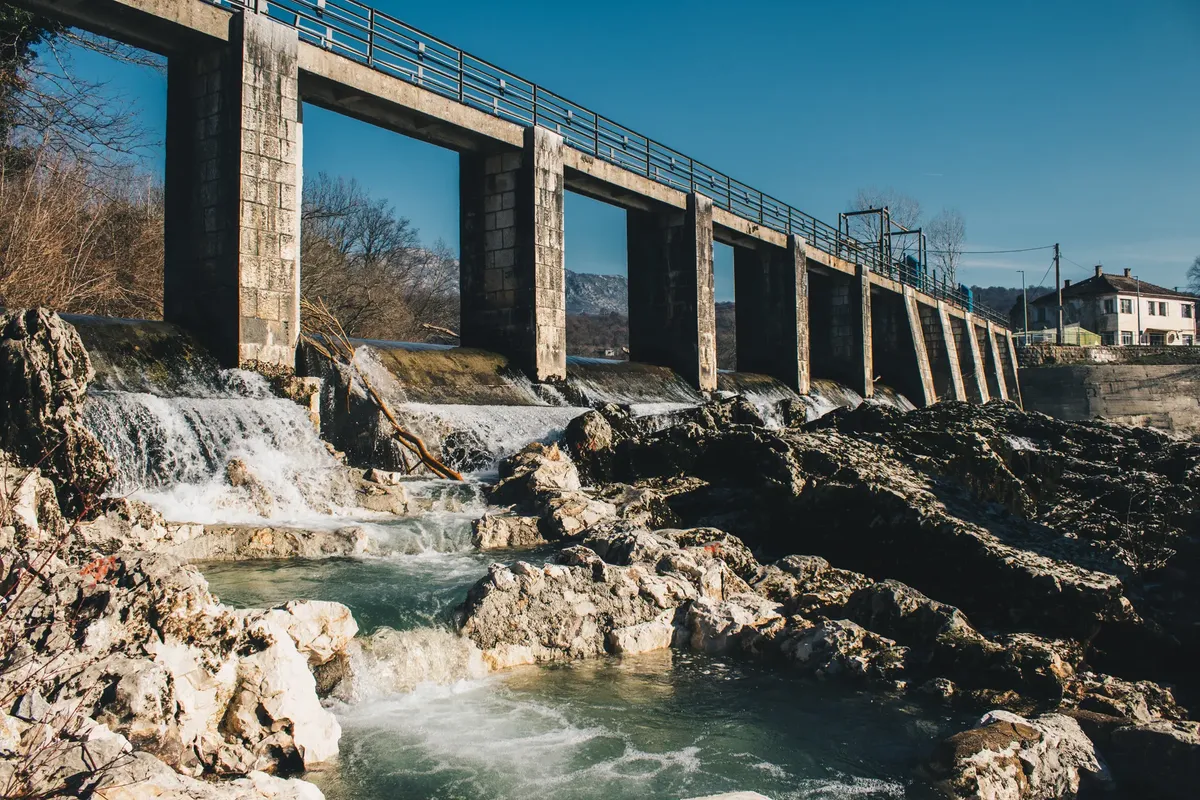
The national policy targets include achieving a 36.4% renewable energy share by 2030. This plan involves major investments in the energy industry, specifically focusing on hydropower, wind farms, solar photovoltaic facilities, and hydrogen energy.
These targets provide a roadmap for long-term sustainability and energy independence.
How will carbon emissions and coal be addressed?
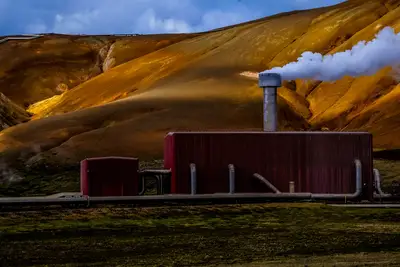
A worker monitors the smoke levels near an aging power plant during a shift change. The transition involves not just adding new power but also removing older, more polluting sources.
Croatia aims to reduce CO2 emissions by 45% by 2030. Additionally, the country plans to phase out coal by 2033. This dual approach of increasing renewables while decreasing carbon output is central to the national energy transition.
What is the role of wind power in the current mix?
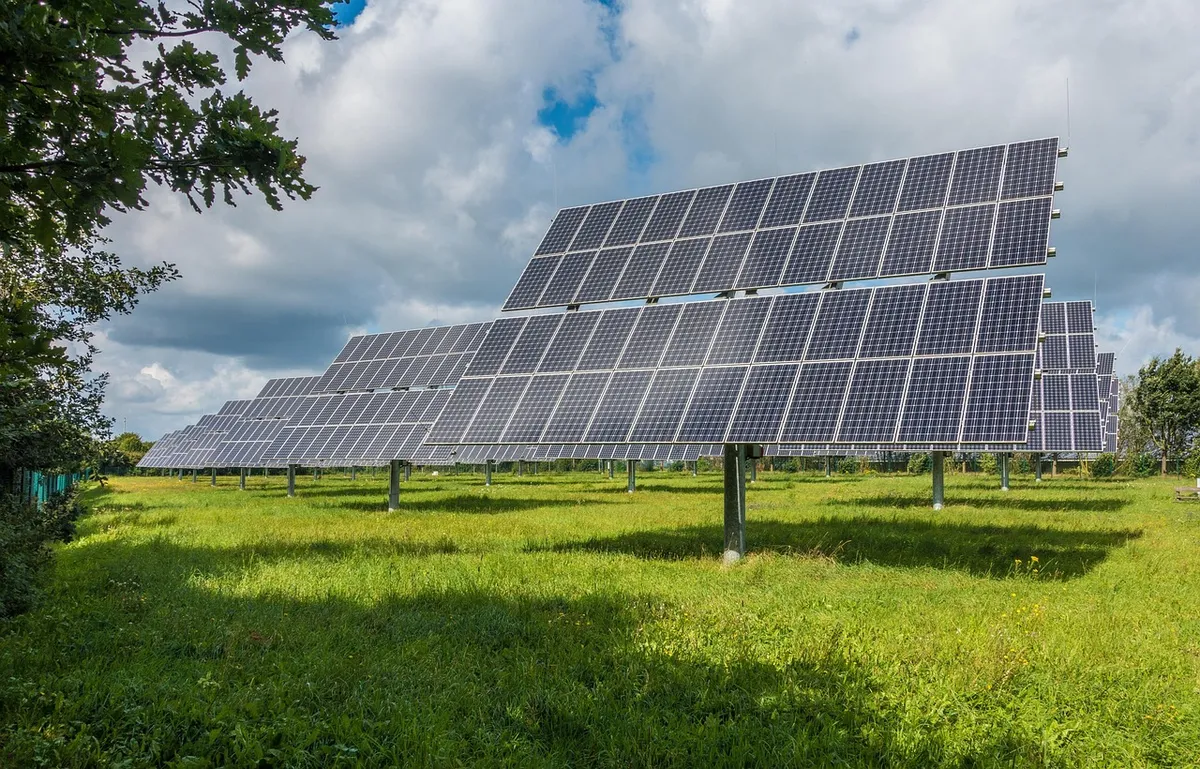
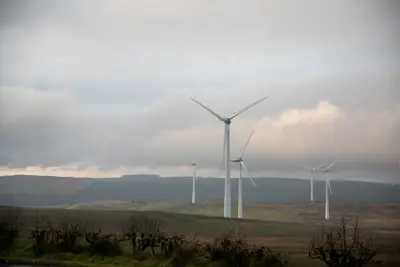
A massive wind turbine blade spins slowly against a clear blue sky. Wind energy already plays a significant role in the existing electricity generation of the country.
In 2022, wind power generated 434 terawatt-hours of electricity. This output accounted for 10% of the nation's electricity and 48% of renewable generation. This existing capacity provides a strong foundation for further expansion into solar and wind technologies.
How much energy will new capacity provide?
A family turns on several lights in their living room during the evening. The scale of new energy projects will have a direct impact on the daily lives of citizens.
The planned capacity additions represent a significant portion of the national grid. This equates to around 1% of Croatia's yearly electricity use and energy for over 50,000 families. My comparison of these figures shows how even small percentage shifts affect massive numbers of households.
| Energy Source Type | 2022 Wind Generation (TWh) | 2022 Wind Share of Renewables (%) |
|---|---|---|
| Wind Power | 434 | 48% |
Wikipedia: Renewable energy in the United States
- How will Croatia reach its renewable energy share?
- What are the specific national policy targets?
- How will carbon emissions and coal be addressed?
The subject here is Croatia renewable energy plan.
The same subject is also called Croatia hydro solar power.
The same subject is also called Croatia green energy goals.
The same subject is also called Renewable energy in Croatia.
The same subject is also called Croatia energy transition.
This part also covers Current state of Croatian power.
Related
How does the 2050 strategy relate to the 2023 expansion?
The 2050 strategy is reached early through the 2023 expansion. By installing 1500MW of solar and wind capacity, Croatia hopes to achieve an 80% renewable energy share.
This specific increase in capacity serves as the mechanism to meet the long-term 2050 goals two decades before the original deadline.
What is the comparison between current and future energy shares?
The current renewable share is compared to the future 80% target. While the 2023 expansion focuses on adding 1500MW of capacity, the resulting 80% share represents a significant shift in the energy mix. This expansion ensures the 2050 strategy is met through accelerated growth.
What conditions must be met for the coal phase-out?
The phase-out of coal by 2033 is tied to the reduction of CO2 emissions. To reach the 45% reduction target by 2030, the country must successfully transition to the new 1500MW of solar and wind capacity. This transition requires balancing the removal of coal with the addition of renewable sources.
How does the wind power output compare to the total renewable generation?
In 2022, wind power accounted for 48% of renewable generation. This portion of the renewable mix is compared to the total 434 terawatt-hours of electricity generated by wind. The expansion of another 1500MW of capacity will further alter these proportions within the energy mix.
What is the scale of the 1500MW capacity addition?
The 1500MW addition is compared to the annual electricity needs of the population. This capacity provides energy for over 50,000 families. This amount represents approximately 1% of the yearly electricity use in Croatia.
Comments 0