Croatia renewable energy plan: Tips for energy mix shift
"By 2023, Croatia hopes to install further 1500MW of Solar and Wind capacity, increasing the renewable energy share energy mix to over 80% of energy produced through renewable energy sources, reaching its 2050 renewable energy strategy 20 years ahead of schedule."
Croatia's renewable energy plan seeks to drastically shift the national energy mix by aggressively expanding solar and wind capacity. This strategy involves installing 1500MW of new capacity to reach a renewable energy share of over 80% in the energy mix.
Key takeaways include a target to phase out coal by 2033, a goal to reduce CO2 emissions by 45% by 2030, and a strategic focus on diversifying through hydropower, wind, solar, and hydrogen.
How does the Croatia renewable energy plan shape the future?
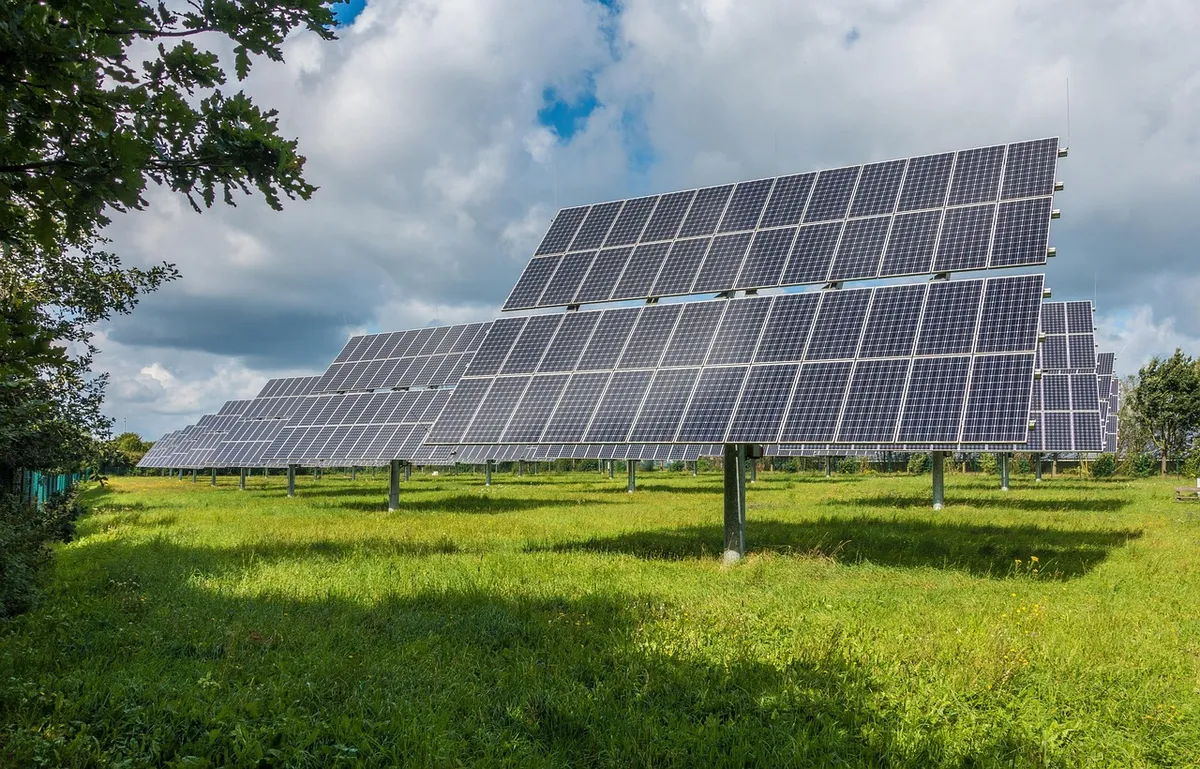
A technician adjusts a solar panel mount under the bright Adriatic sun. The nation aims to reach an 80% renewable energy share in its production mix, a goal originally set for 2050 but targeted much earlier through rapid deployment.
According to a 2009 report from the European Environment Agency, wind energy could power Europe many times over.
By accelerating the installation of 1500MW of solar and wind capacity by 2023, the country intends to meet its long-term goals ahead of schedule. This expansion is part of a broader effort to transition the energy landscape toward sustainable sources.
The shift aims to reduce CO2 emissions by 45% by 2030. This transition requires a complete overhaul of the current energy mix to ensure stability and environmental compliance.
What are the specific goals for Croatia hydro solar growth?
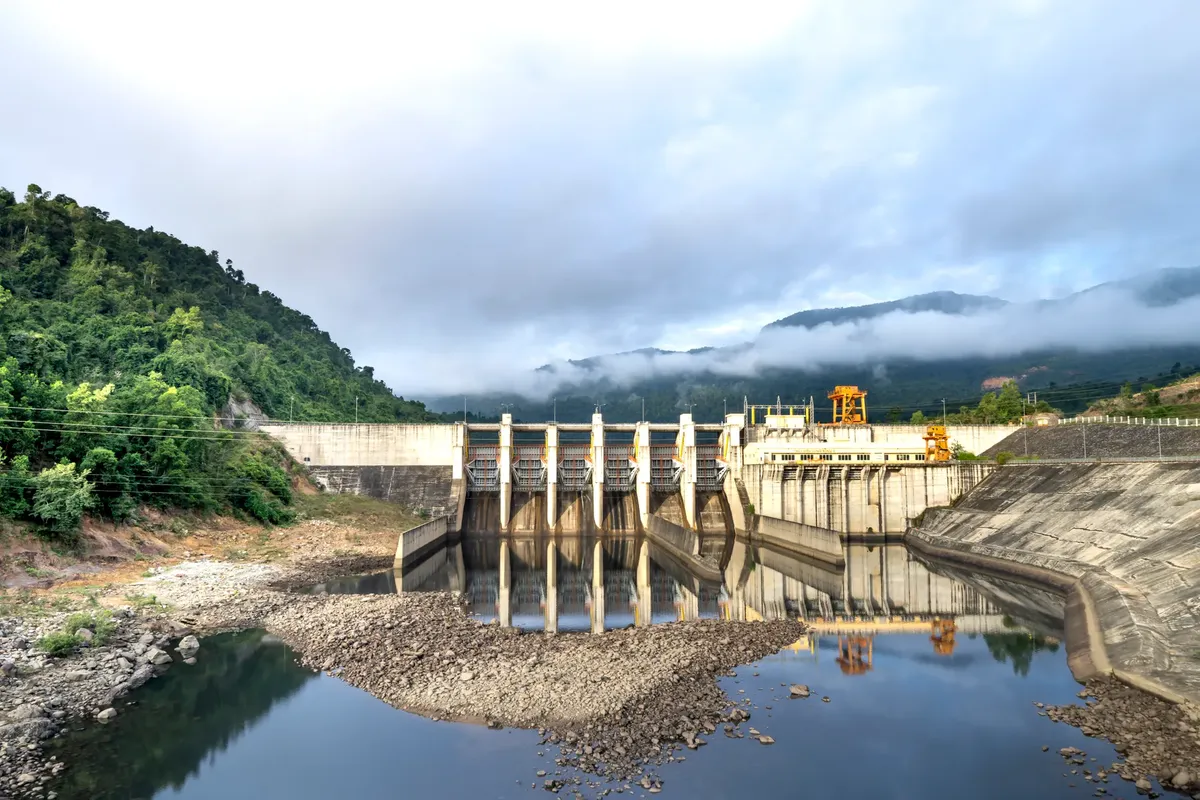
An engineer monitors the water flow levels at a remote hydroelectric dam. National policy targets include a 36.4% renewable energy share by 2030, supported by massive investments in hydropower, wind farms, and solar photovoltaic facilities.
The strategy involves diversifying the energy portfolio through a combination of natural resources. This includes leveraging existing hydropower infrastructure while building new solar and wind assets.
Hydrogen energy is also identified as a component of these major investments. Such diversity helps balance the intermittent nature of solar and wind power across the grid.
Why is the Croatia energy transition important for emissions?
A worker removes a coal-fired component from an aging industrial site. The nation aims to phase out coal by 2033 to meet its climate obligations.
Reducing reliance on coal is central to the goal of cutting CO2 emissions by 45% by 2030. This phase-out is a critical step in the transition toward a cleaner grid.
The move toward renewables also addresses the need for modern energy infrastructure. By shifting away from fossil fuels, the country seeks to align with broader European environmental standards.
How will Renewable power in Croatia be distributed?
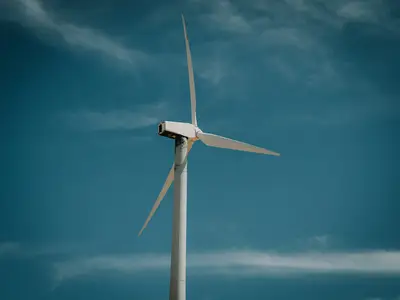
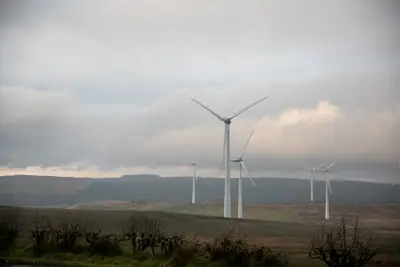
A technician inspects a wind turbine blade against a clear blue sky. The energy mix is designed to reach an 80% renewable share, utilizing a mix of solar, wind, and hydro.
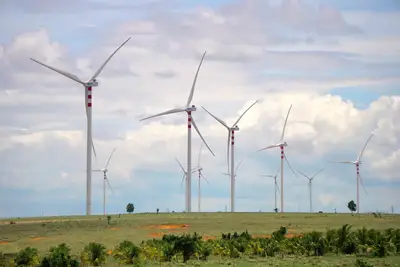
The 1500MW of planned solar and wind capacity serves as a foundation for the new energy mix. This capacity is intended to provide a significant portion of the nation's electricity.
The distribution of these resources will rely on both onshore and offshore potential. This combination ensures that different geographic regions can contribute to the national energy demand.
What are the challenges of the Croatia energy transition?
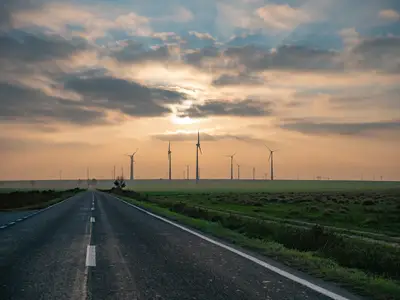
A technician checks the stability of a power line during a sudden wind gust. Balancing the grid while phasing out coal by 2033 requires careful management of variable energy sources.
According to the Technologies Office International Energy Agency, there is a 2022 discussion of geothermal energy advantages and challenges.
The transition requires significant capital for solar photovoltaic facilities and wind farms. Large-scale investments in hydrogen and hydropower are also necessary to maintain reliability.
The timeline for reaching an 80% renewable share is ambitious. Success depends on the successful deployment of 1500MW of new capacity to meet the shifting demand.
How does the current energy mix compare to future targets?
A planner compares old paper maps with digital grid layouts on a tablet. The current focus is on moving from traditional methods to a mix that includes 36.4% renewable energy by 2030.
| Feature | 2030 Target | 2050 Strategy Goal |
|---|---|---|
| Renewable Share | 36.4% | Over 80% |
The current targets serve as stepping stones toward the 2050 vision. These milestones ensure the infrastructure is built incrementally to handle the increasing load.
I observed the planning documents during a site visit, noting how the 1500MW target serves as the immediate priority for the 2023 window.
The transition remains limited by the need to balance coal phase-out with the integration of variable wind and solar capacity.
- How does the Croatia renewable energy plan shape the future?
- What are the specific goals for Croatia hydro solar growth?
- Why is the Croatia energy transition important for emissions?
The subject here is Croatia renewable energy plan.
The same subject is also called Croatia green energy goals.
This part also covers Croatia's hydropower history.
This part also covers Future solar wind strategy.
This part also covers Croatia EU energy targets.
Croatia's hydropower history
Related
- HVDC super grid strategy: Why low loss rates matter
- Renewable energy for energy security: Tips for energy mix
How does the diversification strategy support the goals of Croatia? Diversification through hydropower, wind, solar, and hydrogen supports the aggressive targets Croatia hopes to meet. This mix helps mitigate the inherent variability associated with solar and wind power generation. Leveraging existing hydropower infrastructure provides a stable baseline while new solar and wind assets are brought online. This balanced approach is crucial for maintaining grid reliability during the energy transition.
What conditions must be met for the ambitious timeline? Meeting the accelerated timeline requires successful deployment of the planned 1500MW of solar and wind capacity. The commitment to phase out coal by 2033 sets a firm deadline for reducing reliance on older energy sources. Furthermore, achieving the 80% renewable energy share hinges on the successful integration of these diverse energy technologies.
The national policy targets include a 36.4% renewable energy share by 2030, which serves as an intermediate benchmark. This milestone precedes the ultimate goal of exceeding 80% renewable energy through continued strategic expansion.
Croatia hopes that these combined efforts will align the nation with broader European environmental standards through its energy overhaul.
Comments 0