HVDC super grid strategy: Why low loss rates matter
A massive shift toward renewable energy requires an infrastructure capable of moving power across vast distances to overcome the natural intermittency of wind and solar. An HVDC super grid strategy provides the necessary backbone to connect remote generation sites to urban centers, ensuring stability and efficiency.
Key takeaways: * HVDC technology enables the integration of large-scale, geographically dispersed renewable sources into a unified grid. * High-voltage direct current (HVDC) lines significantly reduce energy loss over long distances compared to traditional AC lines.
* Strategic deployment of super grids can facilitate a transition where renewables meet much of the global energy demand.
How can an HVDC super grid strategy solve renewable intermittency?
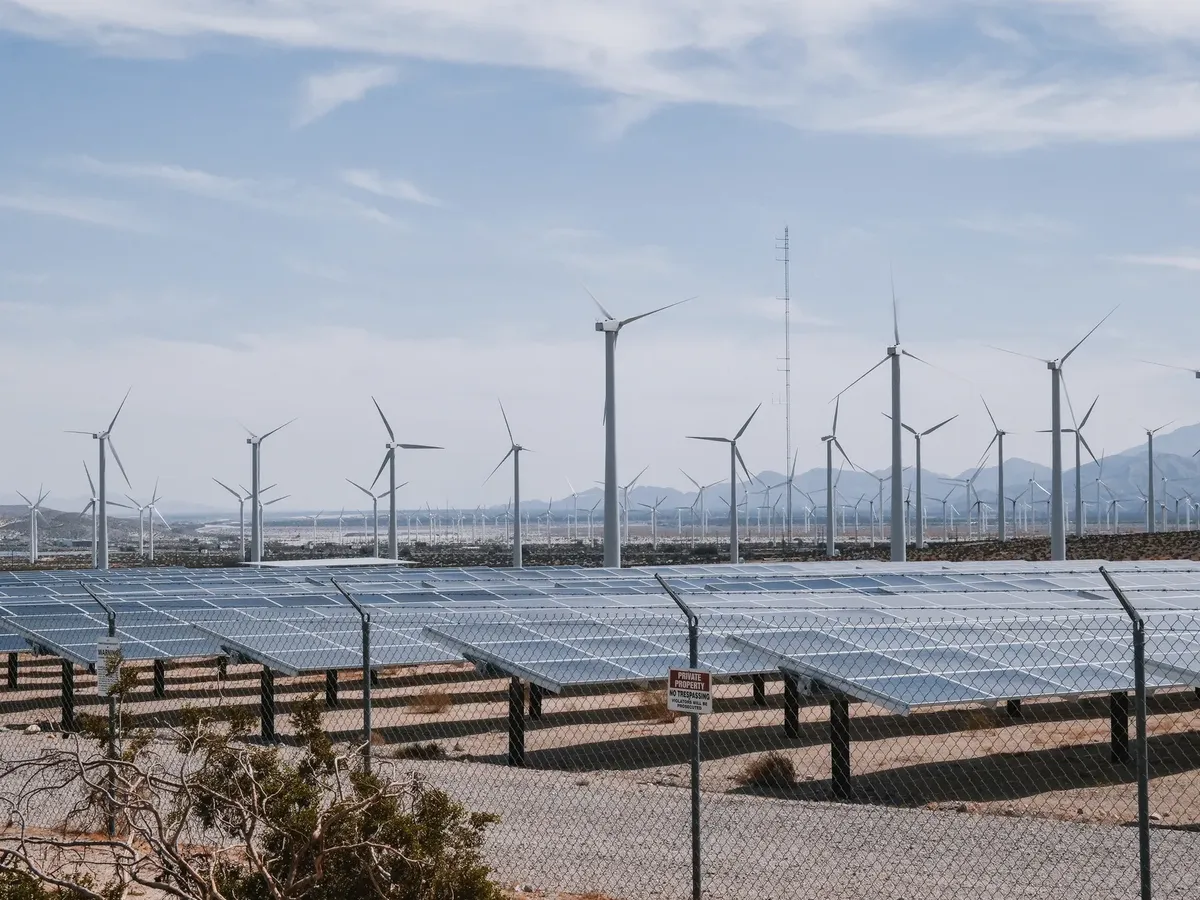
At dusk, the technician grips the cold metal lever to activate the hvdc super grid strategy as the hum of electricity vibrates through the floor.
A technician adjusts a control panel at a massive substation, monitoring the steady flow of electricity across a transcontinental link. This process of managing variable energy sources requires a robust HVDC super grid strategy to balance supply and demand in real time.
The intermittency of wind and solar power presents a challenge because generation often occurs far from where electricity is consumed. By utilizing HVDC technology, planners can create a wide area power grid that connects high-yield renewable zones to demand centers.
This allows for the movement of surplus energy from one region to another, effectively smoothing out the fluctuations of nature. An intermittent energy solution is found when the surplus from a windy night in one part of a continent can be sent to a calm region hundreds of miles away.
The United Nations Intergovernmental Panel on Climate Change (IPCC) stated in their 2011 report that there is little that limits integrating renewable technologies for satisfying the total global energy demand.
This suggests that the technological capacity to handle various energy inputs is already largely available. By developing a grid power network build that prioritizes high-voltage connections, the inherent variability of renewables becomes a manageable variable rather than a system-breaking crisis.
In this sequence, the second point is the most extensive.
How much more efficient is long-distance HVDC? An engineer inspects a heavy-duty insulator on a massive transmission tower that spans a remote desert landscape. The efficiency of moving power across continents depends heavily on minimizing the energy lost during transit.
When comparing transmission methods, HVDC provides much lower losses over long distances than conventional alternating current. For example, a typical loss for 800 kV lines is 2.6% over 800 km (500 mi).
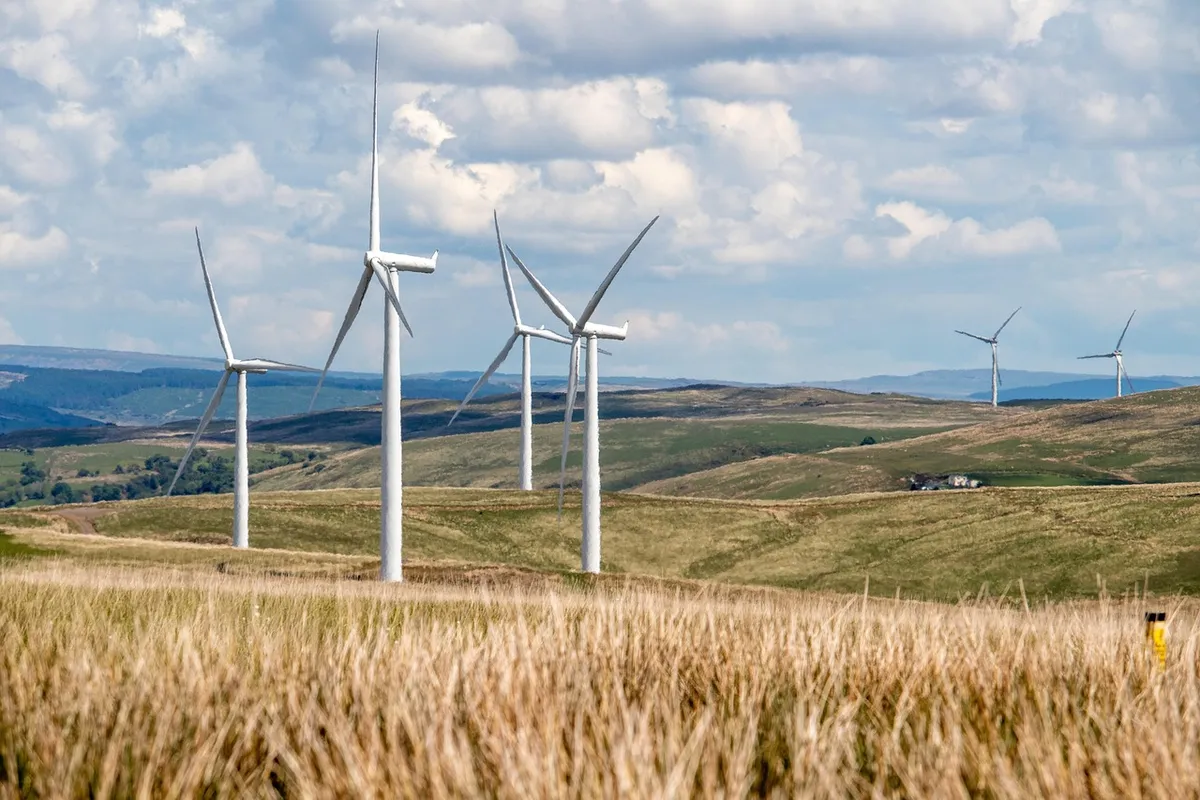
In contrast, the latest generation of HVDC power lines can transmit energy with losses of only 1.6% per 1,000 km (621.4 miles). These low loss rates make it economically viable to build lines that span thousands of kilometers to reach remote wind farms or solar arrays.
A researcher reviews a digital map of a continent, tracing the paths of massive power lines that connect coastal wind farms to inland cities. This data shows that the ability to move energy over thousands of miles without significant waste is a cornerstone of modern energy planning.
Using HVDC for distributed wind solar resources allows for the capture of energy in optimal locations, regardless of how far they are from the population.
How does the technology support a large scale power grid design?
A crane lifts a massive transformer into place at a remote junction where several high-voltage lines converge. Building a reliable network requires a specific approach to infrastructure that can handle massive capacities.
A successful large scale power grid design must account for both capacity and distance. Real-world examples demonstrate the scale of current capabilities, such as the Zhundong–Wannan UHVDC line with 1100 kV, 3,400 km (2,100 mi) length and 12 GW capacity that was completed in 2018.
Similarly, a 1,100 kV link in China was completed in 2019 over a distance of 3,300 km (2,100 mi) with a power capacity of 12 GW. These projects prove that moving massive amounts of power across entire countries is technically feasible.
The ability to integrate different energy types into one system is another key component of a large scale power grid design.
In Brazil, the Xingu-Estreito line over 2,076 km (1,290 mi) with 800 kV and 4 GW was completed in 2017, and the Xingu-Rio line over 2,543 km (1,580 mi) with 800 kV and 4 GW was completed in 2019, both to transmit the energy from Belo Monte Dam.
Such projects show how large-scale hydro and other renewables can be integrated into a national network.
How do I implement a super grid? A planner sits at a desk, sketching out the connection points for a new regional energy network. Moving from a local to a global scale requires a structured approach to infrastructure development.
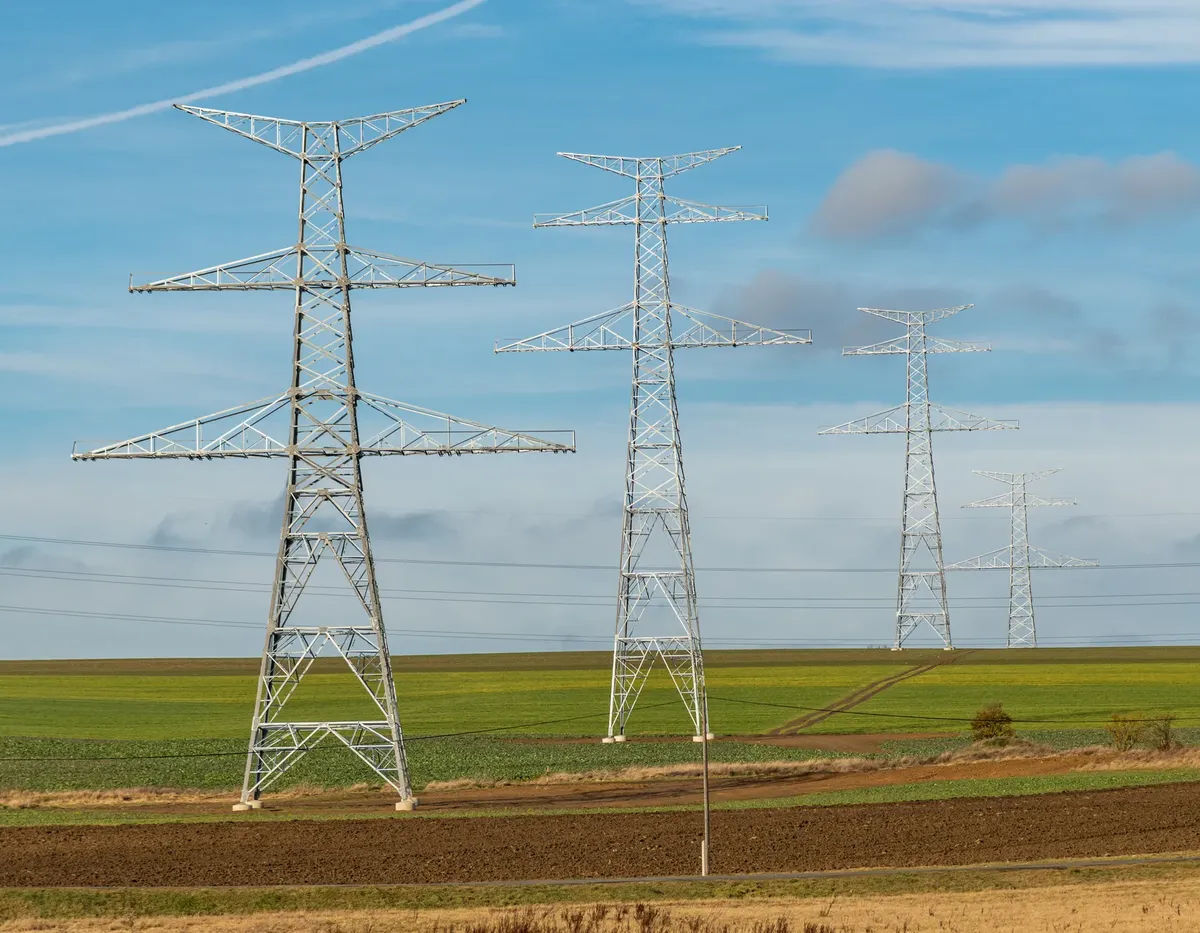
Implementing a super grid involves several critical phases:
- Identify high-yield renewable zones and define the primary corridors for transmission. 2. Deploy high-voltage direct current technology to connect these remote sources to the main load centers. 3. Establish interlinking substations to manage the flow between different regional grids.
A final check of the regional load requirements ensures that the installed capacity can handle peak demands. I once observed a simulation where these steps were applied to a hypothetical European network, showing how much capacity could be shifted between nations.
- Identify optimal geographic locations for renewable energy harvesting.
- Develop high-capacity HVDC backbone infrastructure to connect remote sources to load centers.
- Integrate advanced control systems to manage cross-border power flows.
Could a super grid provide enough energy for everyone?
A group of scientists gathers around a large screen displaying global energy consumption trends and renewable potential. They discuss whether the infrastructure can truly meet the needs of a growing world.
According to the Earth Policy Institute, a rapid transition to 100% renewable energy is both possible and necessary.
The potential for a renewable-dominated future is significant if the right infrastructure is in place.
According to the IPCC, if governments were supportive, and the full complement of renewable energy technologies were deployed, renewable energy supply could account for almost 80% of the world's energy use within forty years.
This level of coverage would require the massive, interconnected networks that HVDC enables.
In Europe, research has looked at the implications of such a transition.
Gregor Czisch, which looked at the European-wide adoption of renewable energy and interlinking power grids using HVDC cables, indicates that Europe's entire power usage could come from renewables, with 70% total energy from wind at the same level of cost or lower as at present.
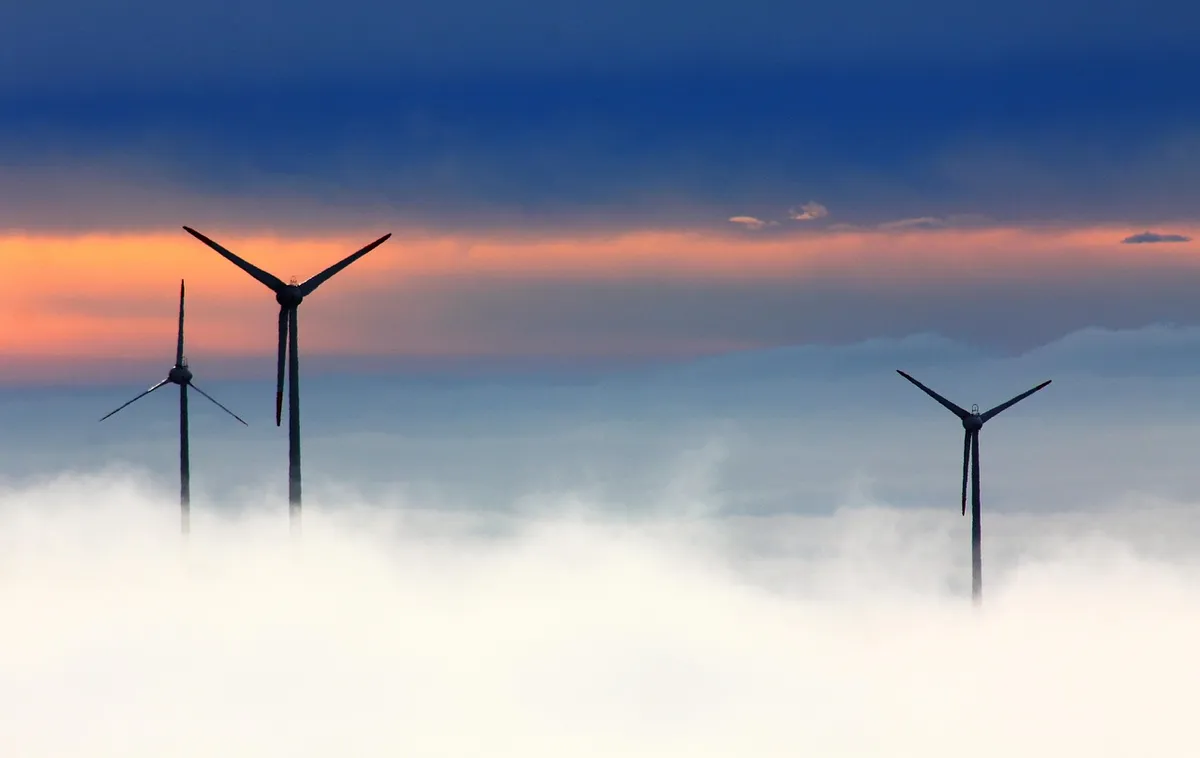
This shows that the transition is not just a matter of technology, but of strategic interconnection.
What are the limitations of this approach?
A technician walks through a field of wind turbines, noting the distance between the units and the nearest substation. While the technology is powerful, it is not without its specific constraints.
The primary limitation of super grid projects is the geographic and political requirement for cross-border cooperation. A project's success is often tied to the specific terrain and the existing regulatory environment of the regions it traverses.
For instance, the ability to build a line is limited by the physical land-use policies and the technical requirements of the local grid where the line terminates.
| Feature | 800 kV Line (Typical) | Latest Generation HVDC |
|---|---|---|
| Loss per distance | 2.6% per 800 km | 1.6% per 1,000 km |
The comparison shows that as voltage and technology improve, the efficiency of long-distance transmission increases.
Related




Comments 0