Storage trends: Latest ESS technology trends for stability
"The shift toward renewable energy requires a massive expansion of how we hold and release power when the sun sets or the wind dies down."
Modern energy storage system trends are shifting from small-scale residential setups to massive, grid-scale infrastructure designed to stabilize entire regions. This transition involves diverse technologies ranging from chemical batteries to thermal stores and mechanical systems.
Key takeaways include the growing necessity of large-scale storage for high renewable shares, the development of specialized testing centers, and the strategic deployment of varied technologies to balance grid loads.
What are the latest energy storage system trends?
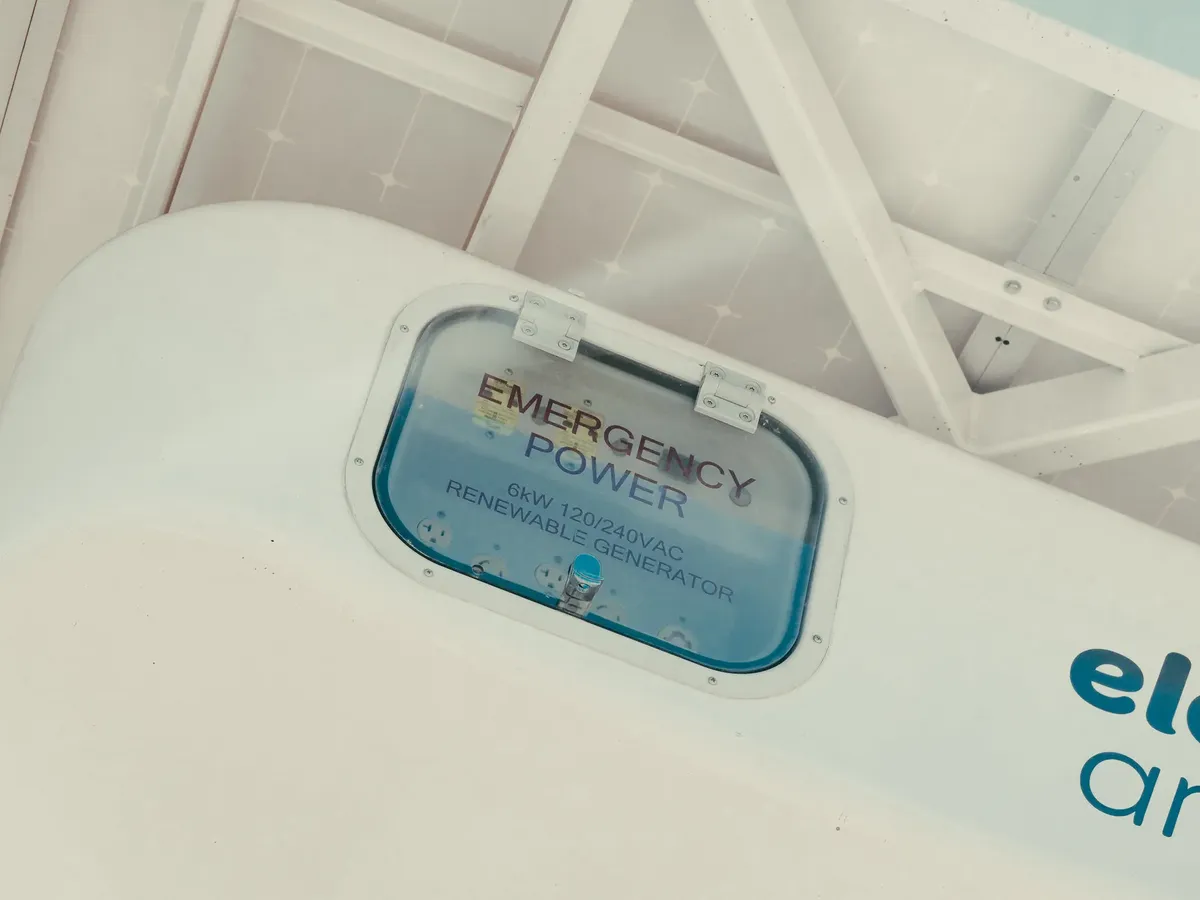
An engineer reviews a blueprint for a massive facility designed to house thousands of battery cells. These latest energy storage system trends reflect a move toward high-capacity, long-duration solutions that can support a grid heavily reliant on variable renewable energy.
As renewable penetration increases, the scale of required infrastructure grows exponentially. For instance, in specific grid models, an 80% share of variable renewable energy would necessitate 9.6 TWh of storage, while a 100% share would require 36.3 TWh.
This scaling capability is central to modern grid planning.
The development of specialized facilities is also accelerating. The State of New York unveiled its New York Battery and Energy Storage Technology (NY-BEST) Test and Commercialization Center at Eastman Business Park in Rochester, New York, at a cost of $23 million for its almost 1,700 m2 laboratory.
Such facilities provide the necessary environment to test and refine new storage technologies before they reach the market.
- Integration of AI-driven management software.
- Shift toward long-duration storage technologies.
- Increased deployment of modular, scalable units.
How does grid energy storage future look for large-scale applications?
A technician monitors a control panel that manages the flow of electricity from a massive pump-storage facility. The grid energy storage future depends on solving the challenges of capacity and cost for nationwide stability.
Large-scale projects are exploring unique mechanical and thermal methods to provide massive capacity. In 2020, the German Aerospace Center started to construct the world's first large-scale Carnot battery system, which has 1,000 MWh storage capacity.
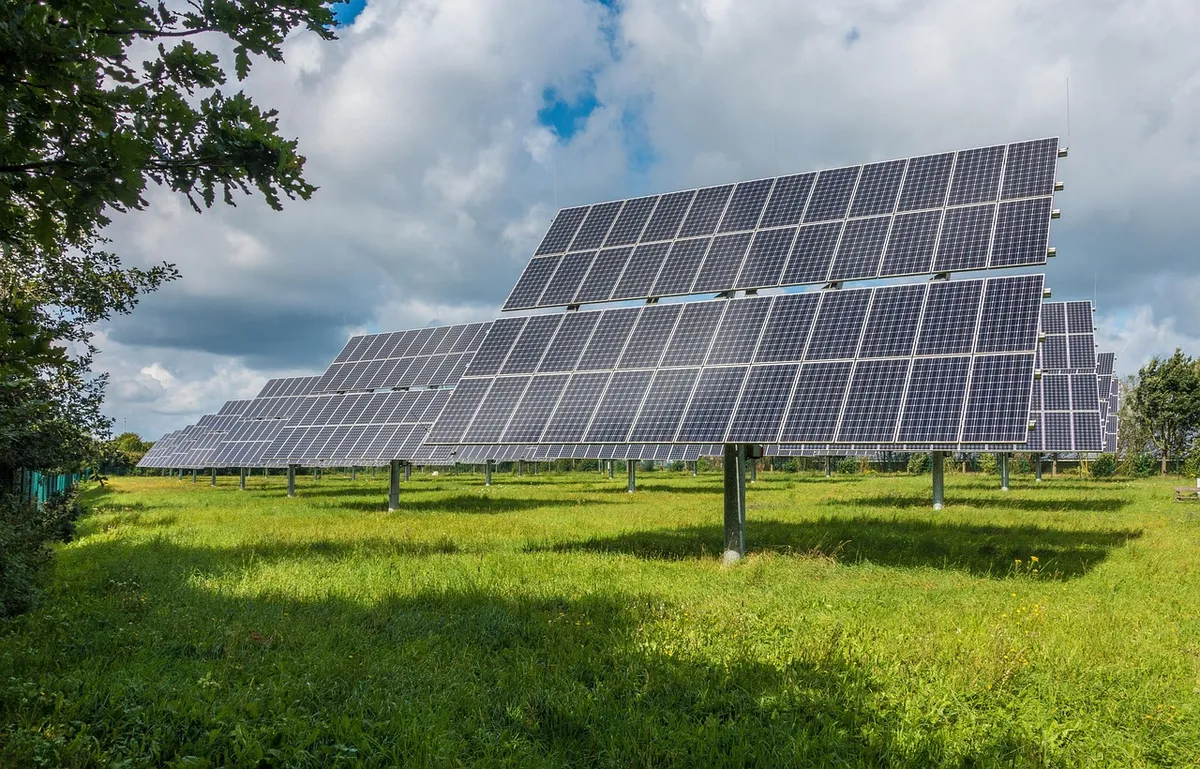
This type of innovation aims to provide much larger buffers than traditional lithium-ion setups.
Cost remains a significant factor in the transition. Providing 80% of US demand from variable renewable energy would require a smart grid covering the whole country or battery storage capable to supply the whole system for 12 hours, with costs estimated at $2.5 trillion.
These massive capital requirements drive the push for more efficient and cheaper storage technologies.
In this sequence, the second step is the most extensive.
What are the current large battery storage tech developments?
A researcher examines a new chemical compound in a laboratory setting to see how it holds a charge. Large battery storage tech is diversifying into specialized chemistries and thermal-based methods to meet specific grid needs.
Beyond standard lithium-ion, researchers are looking at different ways to capture energy.
These specialized approaches target specific types of energy, such as heat, to improve overall efficiency.
Thermal storage also plays a vital role in community-level applications. In Braedstrup, Denmark, a community's solar district heating system uses seasonal thermal energy storage at a temperature of 65 °C (149 °F).
This heat is used to raise the temperature to 80 °C (176 °F) for distribution, showing how storage can be integrated into local heating networks.
How is renewable energy storage evolving in practice?
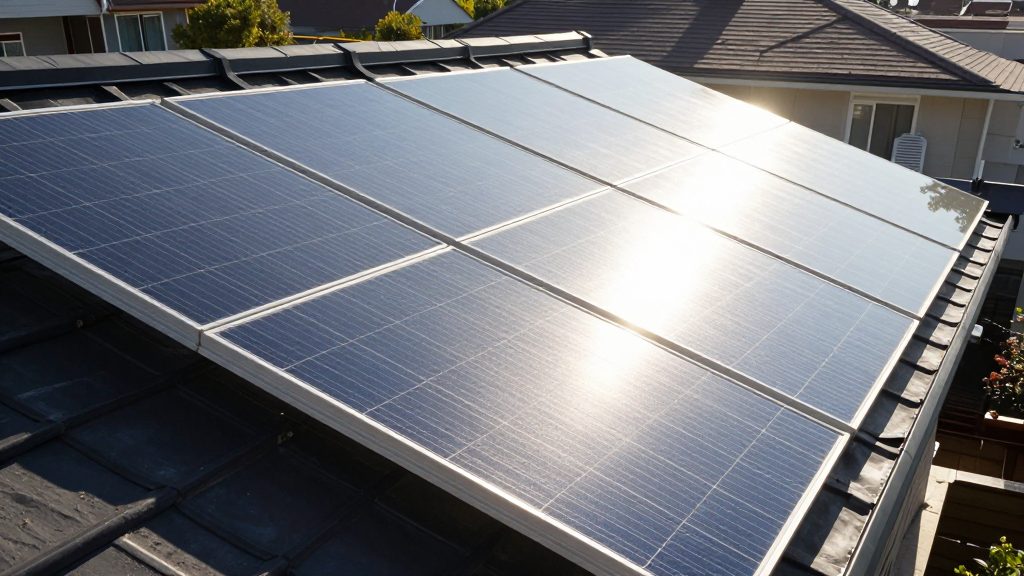
A technician adjusts the settings on a solar-thermal collector mounted on a rooftop. Renewable energy storage must bridge the gap between energy production and consumption through various storage mediums.
One method involves using underground stores to manage heat. An example is the Drake Landing Solar Community in Canada, for which 97% of the year-round heat is provided by solar-thermal collectors on garage roofs, enabled by a borehole thermal energy store (BTES).
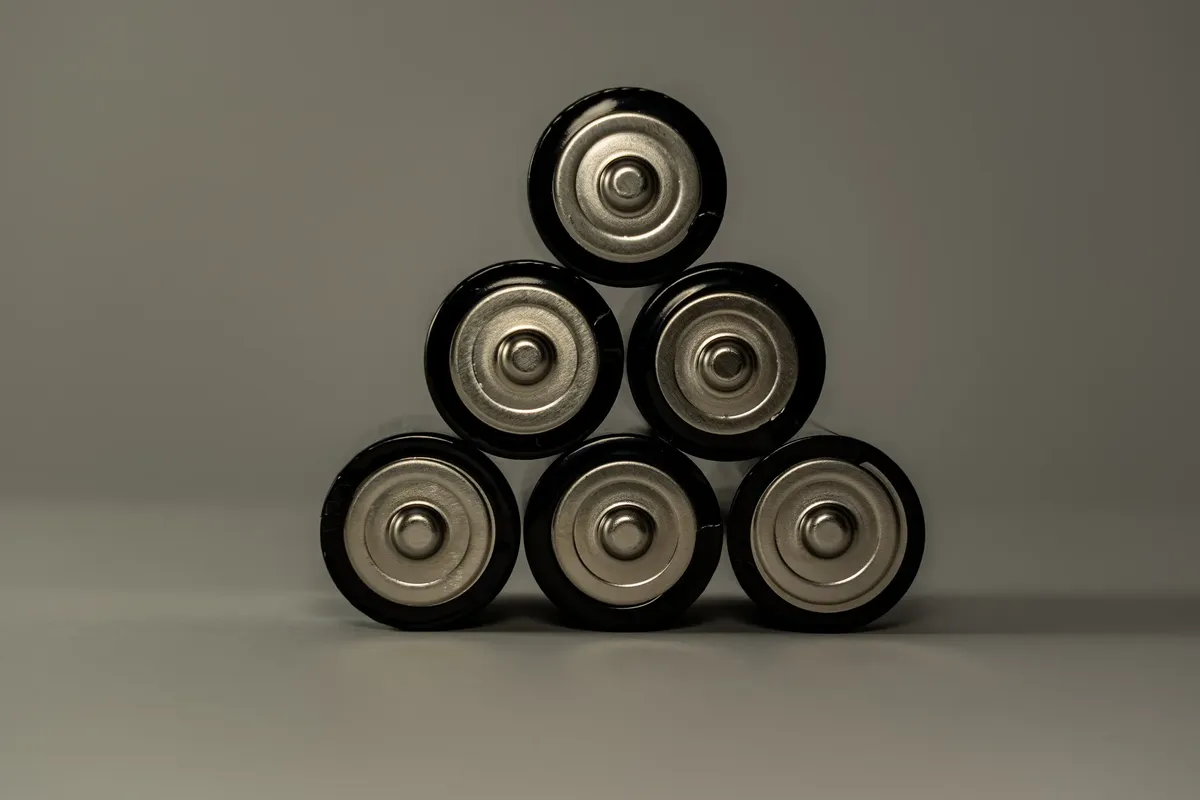
This demonstrates how renewable energy can be stored in the ground to provide consistent warmth.
Efficiency and speed are also being optimized. Some energy storage methods can begin to be released with as little as 1 second warning, making them useful supplemental feeds into an electricity grid to balance load surges.
This rapid response is crucial for maintaining frequency and voltage stability when renewable output fluctuates.
What are the main differences between supercapacitors and batteries?
An operator compares two different storage units, one small and one large, to determine their best use case. Understanding the trade-offs between power density and energy density is essential for selecting the right technology.
While batteries are excellent for long-duration energy, supercapacitors offer different advantages. While supercapacitors have specific energy and energy densities that are approximately 10% of batteries, their power density is generally 10 to 100 times greater.
This makes them ideal for quick bursts of energy rather than long-term storage.
| Feature | Supercapacitors | Batteries |
|---|---|---|
| Power Density | High (10-100x greater) | Relatively lower |
| Energy Density | Approximately 10% of batteries | Higher |
I observed that choosing between these two depends entirely on whether the goal is to provide a quick surge of power or to sustain a load over many hours.
What are the limitations of current storage solutions?
A strategist reviews a report on the economic trade-offs of different energy mixes. Every technology has specific constraints that prevent it from being a universal solution for every grid scenario.
A primary limitation is the cost-to-benefit ratio when compared to other power sources.
Several studies have found that relying only on variable renewable energy and energy storage would cost about 30–50% more than a comparable system that combines variable renewable energy with nuclear plants or plants with carbon capture and storage instead of energy storage.
The complexity of the grid also presents a challenge. While storage is vital, the sheer scale of infrastructure needed for a 100% renewable grid is significantly higher than for an 80% renewable grid. This economic and physical scale represents a significant hurdle for global energy transition.
Latest ESS technology trends
The subject here is Latest ESS technology trends.
The same subject is also called Power storage system news.
This part also covers ESS role in smart grid.
This part also covers Battery energy efficiency gains.
Related



Comments 0