ESS technology trends and use guide for power systems
"The shift toward decentralized power requires more than just generation; it requires the ability to hold that energy for when it is truly needed."
Energy storage system technology is rapidly evolving to meet the demands of industrial scale and grid stability. This guide explores the transition toward advanced liquid-cooled systems and how these technologies integrate into modern power infrastructures.
You will learn about the shift in cooling methods, commercial application strategies, and the current direction of battery storage technology.
How is ESS technology trends and use shaping the industry?
A technician adjusts a cooling valve on a large-scale battery enclosure during a routine maintenance check. The industry is moving toward more sophisticated thermal management to ensure longevity and safety in high-density environments.
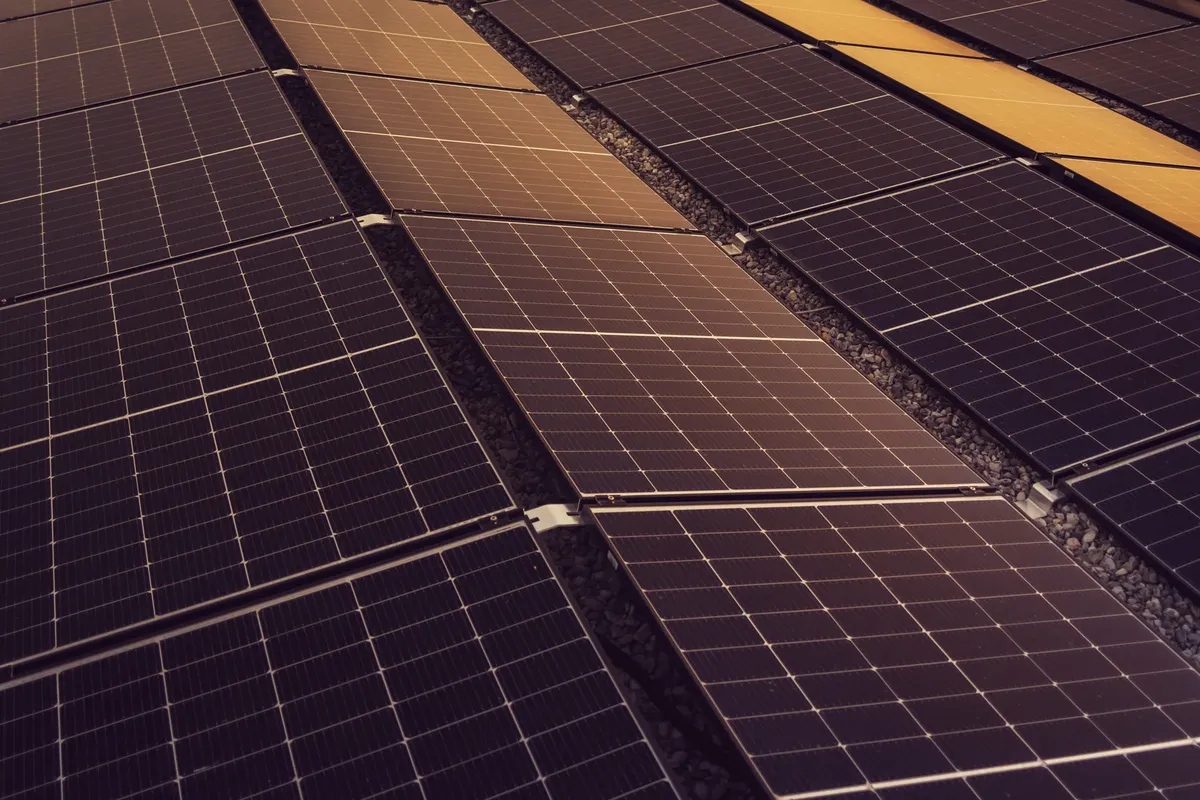
Modern energy storage system technology trends and use focus on increasing energy density while managing heat dissipation more effectively. As battery capacities grow, managing internal temperatures becomes critical for preventing degradation.
This shift is driving manufacturers to move away from simple air-cooling toward more complex liquid-based solutions.
The development of these systems allows for more predictable performance during peak demand periods. By stabilizing temperature, the operational life of the battery cells is extended, making large-scale deployments more economically viable.
This trend is essential for meeting the growing requirements of renewable energy integration.
What are the key features of a next-generation energy storage system?
An engineer reviews the digital readout of a new liquid-cooled unit at an international energy exhibition. The hardware is designed to handle much higher power throughput than previous generations.
The introduction of high-performance hardware, such as the STAR H-MAX system by Contemporary Nebula Technology Energy (CNTE), represents a significant step in technical capability. This specific system utilizes liquid cooling to cater to the commercial and industrial sectors.
This method provides more precise temperature control compared to traditional methods.
Advanced thermal management is a cornerstone of energy storage system future developments. By utilizing liquid cooling, the system can handle the thermal loads generated by rapid charging and discharging cycles.
This capability is vital for industrial applications where sudden shifts in power demand are common.
How does grid integration ESS cases work in practice?
A utility operator monitors a digital dashboard showing real-time energy flow between the grid and a large battery farm. The balance between supply and demand is maintained through automated software.

In many real-world scenarios, energy storage system grid integration cases involve buffering the intermittent nature of renewable sources like solar and wind. When production exceeds demand, the excess energy is stored; when demand spikes, the stored energy is released.
This process smooths out the fluctuations that can otherwise destabilize a local power grid.
Effective integration requires intelligent software that can predict load changes and manage battery health simultaneously. This synergy between hardware and software allows the grid to remain stable even with high penetrations of variable renewable energy.
Such integration is becoming a standard requirement for modern utility management.
What defines advanced energy storage tech in industrial settings?
A warehouse manager inspects a sleek, compact battery unit installed in a climate-controlled room. The unit is designed to fit into tight industrial footprints while providing massive power.
Advancements in hardware design often focus on footprint and efficiency. Advanced energy storage tech involves creating modular units that can be scaled up or down depending on the specific needs of a facility.
This modularity allows businesses to expand their storage capacity as their energy requirements grow.
The move toward liquid cooling, as seen in recent industry launches at events like Intersolar Europe 2026, offers a way to pack more energy into a smaller space. Because liquid is a more efficient heat conductor than air, the physical size of the cooling infrastructure can often be reduced.
This makes it easier to install large-scale storage in space-constrained industrial environments.
How is improving energy efficiency ESS achieved through smart deployment?
A technician installs a sensor on a battery module to track real-time efficiency metrics. The goal is to minimize energy loss during the conversion and storage processes.
Improving energy efficiency ESS strategies involve optimizing the round-trip efficiency of the battery cycle. This means minimizing the energy lost as heat during both the charging and discharging phases.
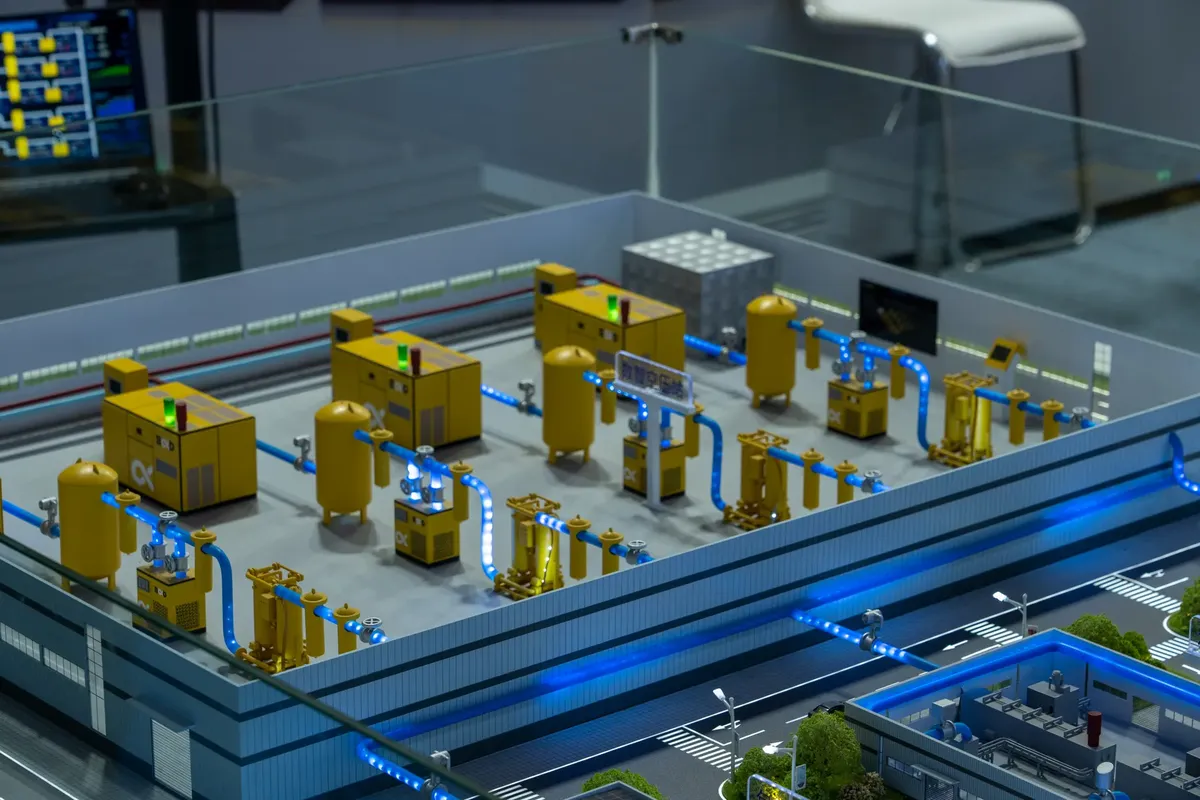
Technologies like the liquid-cooled STAR H-MAX system aim to minimize these thermal losses to maximize usable energy.
Smart deployment also involves placing storage assets closer to the point of consumption. By reducing the distance electricity must travel, transmission losses are minimized. This localized approach to energy management helps in creating a more resilient and efficient power ecosystem.
How do companies implement these systems?
A project manager walks through a construction site where a new battery installation is being prepared. The site is organized into specific zones for electrical components and thermal management.
Implementing a professional-grade energy storage system involves a structured process to ensure safety and reliability.
- Site Assessment and Load Analysis: Determine the specific power and capacity requirements of the facility to select the appropriate system size. 2. Hardware Installation and Thermal Integration: Set up the battery modules and connect the cooling systems, such as liquid-cooling loops, to ensure stable operation. 3. Software Calibration and Grid Connection: Configure the management software to handle local load profiles and synchronize the system with the existing power grid.
A final check of the thermal management system and electrical connections is mandatory before the system is brought online. I remember checking the coolant levels on a similar prototype, ensuring every seal was airtight to prevent any leaks during the initial test run.
The primary limitation of these advanced cooling systems is the requirement for specialized maintenance and more complex plumbing compared to traditional air-cooled units.
| Feature | Air-Cooled Systems | Liquid-Cooled Systems (e.g., STAR H-MAX) |
|---|---|---|
| Thermal Management | Convection-based | Liquid-based |
| Energy Density | Lower | Higher |
What is the main benefit of liquid cooling in ESS? Liquid cooling provides more precise temperature control and better heat dissipation, allowing for higher energy density in industrial applications.
How are these systems used in the industry? These systems are used to manage power fluctuations, provide backup power, and integrate renewable energy into the commercial and industrial sectors.

The evolution of energy storage technology is moving toward more efficient, high-density, and thermally stable solutions to support the global transition to renewable energy.
- How is ESS technology trends and use shaping the industry?
- What are the key features of a next-generation energy storage system?
- How does grid integration ESS cases work in practice?
[News] Technology: Battery storage – Global Energy Review 2026 – Analysis - IEA – International Energy Agency Based on the retained excerpt mentioning International Energy Agency: Title: Technology: Battery storage – Global Energy Review 2026 – Analysis - IEA – International Energy Agency.
Related





Comments 0