Offshore wind grid impact: How to best guide energy flow
"The shift from land to sea represents a fundamental transformation in how we capture kinetic energy for the grid."
The competitiveness of offshore wind power depends on technological evolution and the transition from shallow to deep-water installations. This analysis explores how scaling these projects influences grid stability and long-term economic viability.
Key takeaways include the potential for subsidy-free operations, the comparative efficiency of offshore versus onshore capacity, and the geographic leadership in energy island development.
How does offshore wind grid impact efficiency compare to onshore?

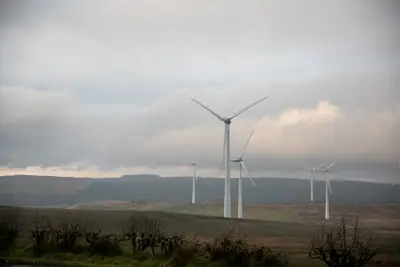
A technician adjusts a sensor on a land-based turbine while glancing toward the distant coastline where larger structures rise. Comparing energy yields is essential for understanding the transition toward sea-based generation.
In 2013, Taiwan's onshore wind farm capacity factor was 28-29%. In contrast, future offshore wind farm capacity is projected at 33-38%. This increase in efficiency highlights why developers are moving toward the sea to maximize energy density.
A shift toward larger, offshore installations can fundamentally change how power flows through a renewable energy network. The higher capacity factors found in offshore environments provide a more consistent energy stream compared to land-based sites.
Is offshore wind actually economically feasible? An engineer reviews a cost spreadsheet on a tablet, noting the massive difference between fixed and floating structures. Understanding these costs is the first step in assessing the overall competitiveness of the sector.
According to the World Energy Council, shallow-water turbines cost US$2.4-3 million per megawatt to install in 2009. At that time, the practical feasibility and per-unit economics of deep-water, floating-turbine offshore wind were yet to be established.
As technology matures, the industry moves closer to achieving a smart grid energy flow that requires less external support. The goal is to match the reliability of traditional plants through advanced turbine placement and larger scales.
Can floating wind work without subsidies? A researcher monitors a wave sensor on a floating platform, watching the rhythm of the ocean. The transition to deep-water sites requires specialized technology that differs significantly from traditional fixed-bottom foundations.
According to a study completed by the Offshore Renewable Energy (ORE) Catapult's Floating Offshore Wind Centre of Excellence (FOW CoE), UK floating offshore wind could reach “subsidy-free” levels by the early 2030s. This milestone would mark a turning point for the industry.
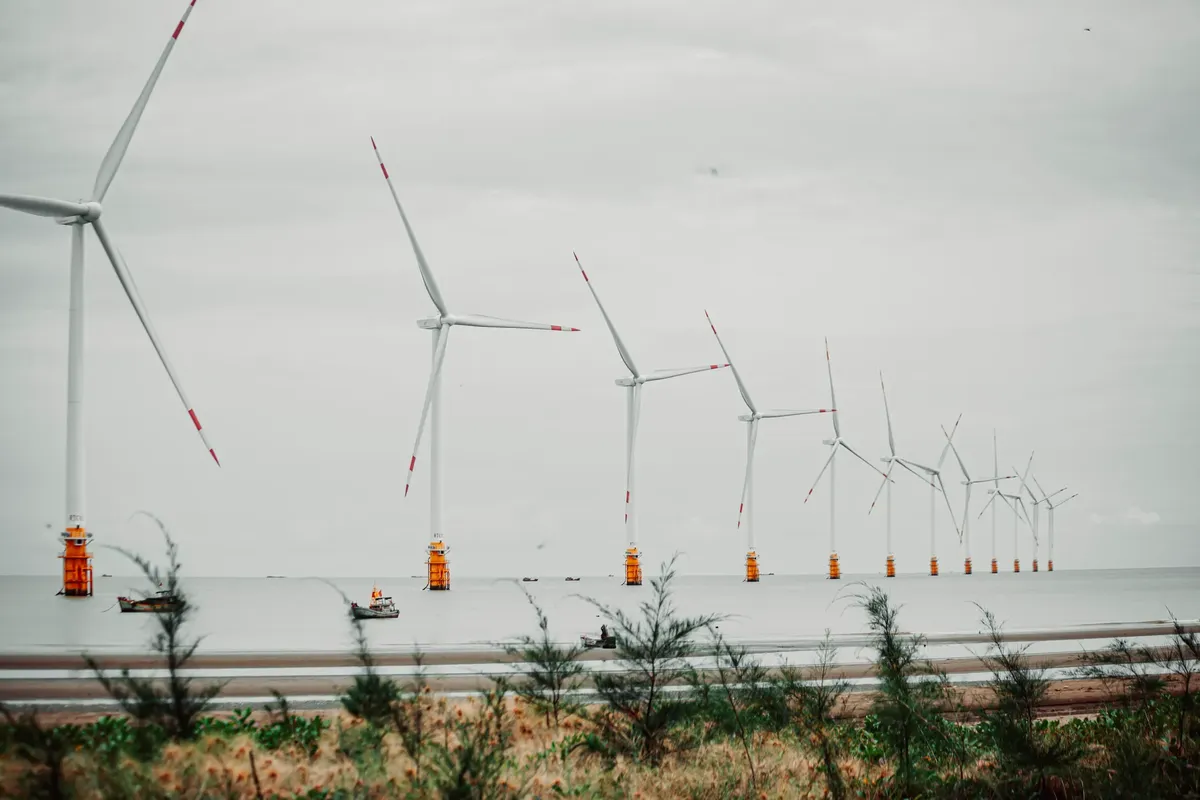
Developing these floating structures is key to unlocking wind power grid reform. By accessing deeper waters with more consistent winds, the industry can move away from heavy reliance on government financial support.
Who leads the global offshore wind market?
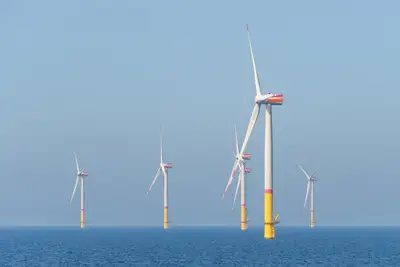
A maritime pilot navigates a vessel through a cluster of massive wind turbines in the North Sea. Looking at global leaders provides a roadmap for how different nations handle large-scale energy infrastructure.
A 2023 IEA report identifies Denmark as the global leader in installing offshore wind parks and energy islands. This leadership demonstrates the successful integration of large-scale marine energy into national power systems.
The development of energy islands serves as a blueprint for future wind power storage solutions. These hubs can collect energy from vast areas and distribute it efficiently across regional networks.
How were early research projects established?
A student walks through a small-scale wind park on a university campus, observing the rotation of the blades. Early educational projects laid the groundwork for the massive installations seen today.
In 2007, the National Penghu University of Science and Technology in Penghu County started a project commissioned and funded by National Science Council to establish a 5,000 m2 wind park at the campus area for educational and research purposes. This project focused on local research and training.
These early efforts helped refine the technical knowledge needed for grid stability with renewables. Small-scale testing remains a vital part of the learning process for future engineers.
What are the steps to transition to offshore wind?
A project manager outlines a timeline on a whiteboard, marking the transition from land to sea. Moving from onshore to offshore requires a systematic approach to infrastructure and technology.
- Evaluate the capacity factor differences between onshore and offshore sites to justify the higher initial investment. 2. Implement floating turbine technology to access deep-water regions where wind resources are more consistent. 3. Integrate energy islands or centralized hubs to manage the energy efficiency offshore wind projects provide.
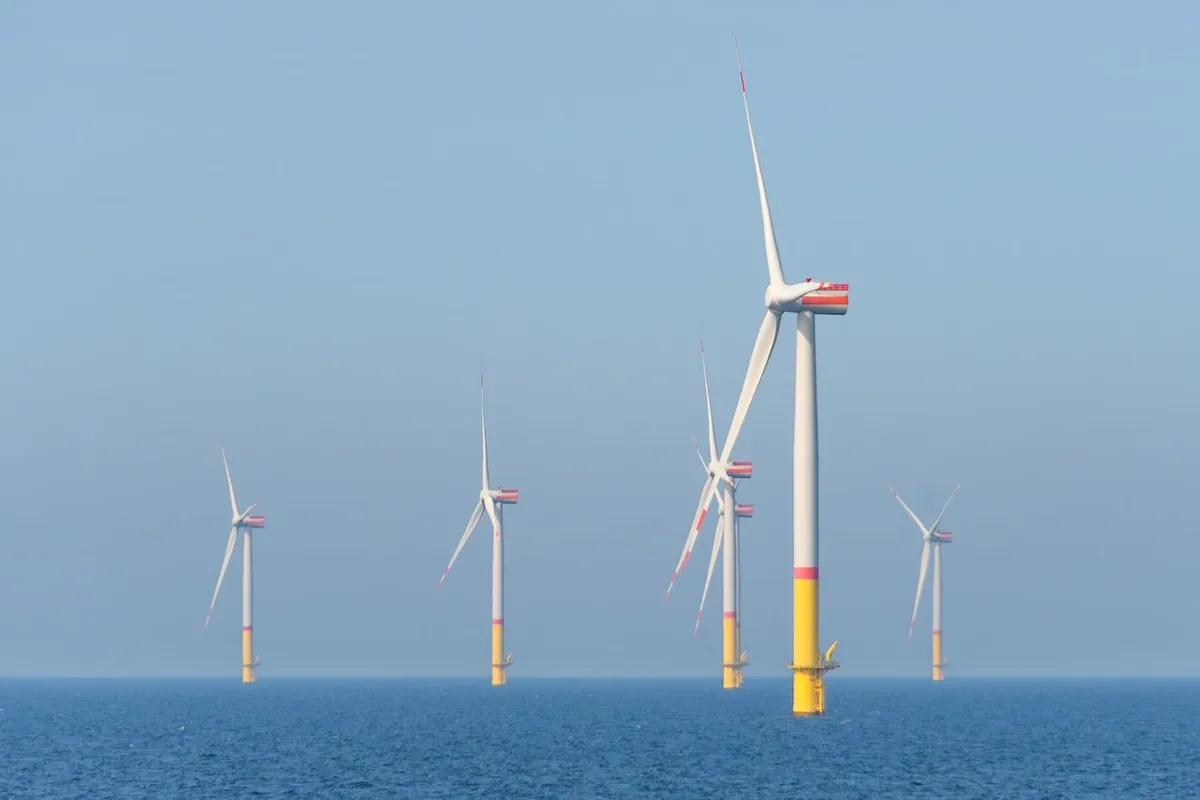
I observed how these steps vary depending on the depth of the water and the existing grid infrastructure. A final check ensures that the local grid can handle the variable input from these large-scale maritime assets.
The limitation of this analysis is that it does not account for the specific environmental impact of deep-water installations on marine ecosystems.
- Site assessment and resource mapping
- Permitting and infrastructure development
- Turbine installation and grid connection
In this sequence, the second step is the longest.
The subject here is Offshore wind grid impact.
The same subject is also called Offshore wind competitiveness.
Wind power storage solutions
Related
- How do floating turbines handle deep-water environments?
- Nuclear vs Offshore Wind Efficiency: Guide to Energy Needs
What are the conditions for grid integration success? 1. The grid must be capable of managing the variable input from large-scale maritime assets. 2. Energy islands can be integrated to manage the energy efficiency that offshore wind projects provide. 3. A final check must confirm the local grid can handle the power flow from these assets.
The shift from land to sea necessitates careful grid planning because of the nature of offshore power generation. Higher capacity factors in the sea offer a more steady energy stream, which aids in network stability. This consistency is a key factor when comparing the two energy sources.
When assessing the economic feasibility, the difference between fixed and floating structures must be understood. The initial investment for these large-scale marine assets influences the path toward subsidy-free operation. This assessment guides the industry's overall competitiveness.
The comparison between shallow and deep-water installations dictates the technology required for the shift. Deeper waters demand specialized technology that differs significantly from traditional fixed-bottom foundations, influencing project scope.


Comments 0