Renewable Grid Design Standards: Guide to Power System Shift
"The transition to a net-zero future requires a fundamental shift in how we structure our power systems to accommodate variable energy sources."
Renewable Grid Design Standards require a balance between high-capacity targets and the inherent variability of natural resources. This guide explores how global targets shape infrastructure, compares regional strategies, and outlines the technical challenges of integrating intermittent power.
We will look at specific capacity targets, the impact of seasonal variability, and the necessity of storage solutions.
How do global targets shape renewable grid design?
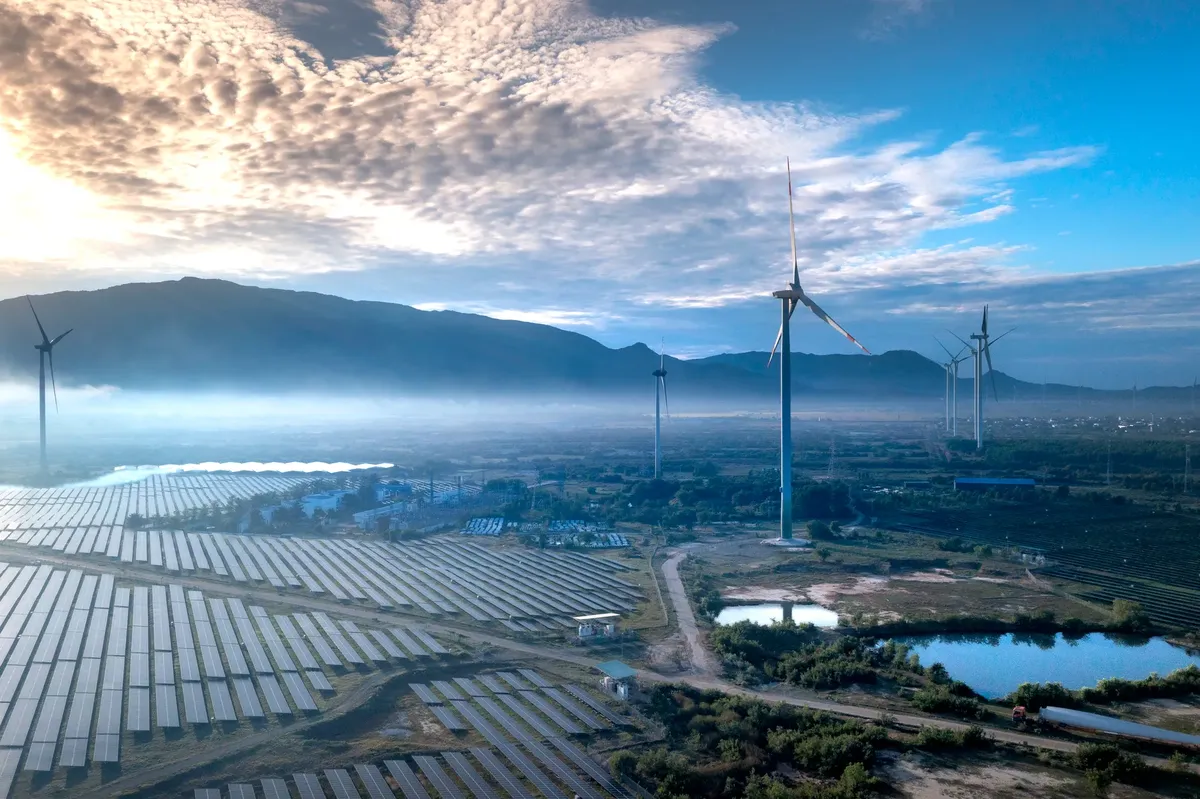
A technician adjusts a voltage regulator at a substation to ensure the local grid can handle a sudden surge in power. As global mandates push for higher penetration, the technical requirements for stability and capacity become increasingly complex.
According to the International Energy Agency, 90% of global electricity will need to be generated by renewables to achieve net zero emissions by 2050. This massive shift forces engineers to rethink traditional grid architectures. The scale of this change is reflected in regional policy shifts.
For instance, the European Commission's 2023 revision of the Renewable Energy Directive raised the EU's binding renewable energy target for 2030 to at least 42.5%, up from 32%. These targets necessitate a robust renewable grid design that can manage high-volume, decentralized inputs.
However, the effectiveness of these design frameworks is limited when local infrastructure cannot support rapid scaling.
What are the challenges of managing intermittent power? Renewable Grid Design Standards
An operator monitors a digital dashboard where wind speed data fluctuates rapidly, signaling a shift in available energy. Managing power demand shift becomes a primary concern when the primary energy source is weather-dependent.
Intermittence is a core challenge in power system integration rules. In regions smaller than synoptic scale—typically less than 1000 km long—weather patterns often affect the entire area simultaneously.
This means that unless local conditions favor special winds, a whole region might experience a simultaneous drop in output. Furthermore, seasonal variability may reduce output by 50%, creating a need for long-term storage or diverse energy mixes.
These fluctuations require a stable power supply design that can bridge the gap between peak production and peak demand.
- Monitor real-time weather fluctuations.
- Predict generation shifts.
- Adjust load distribution accordingly.
According to Canadian Wind Energy Association, the 2025 record includes 20%.
How do we compare different renewable energy technologies?
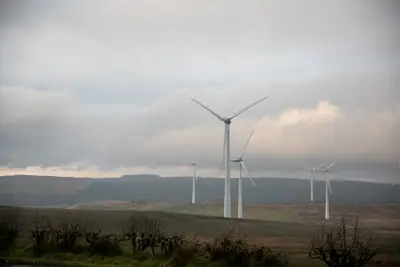
A field engineer inspects a massive wind turbine blade, noting the difference in scale compared to a solar array. Different technologies offer distinct advantages and challenges regarding capacity and stability.
| Feature | Wind Power | Solar Photovoltaics |
|---|
| Primary Variable | Wind speed/direction | Sunlight availability |
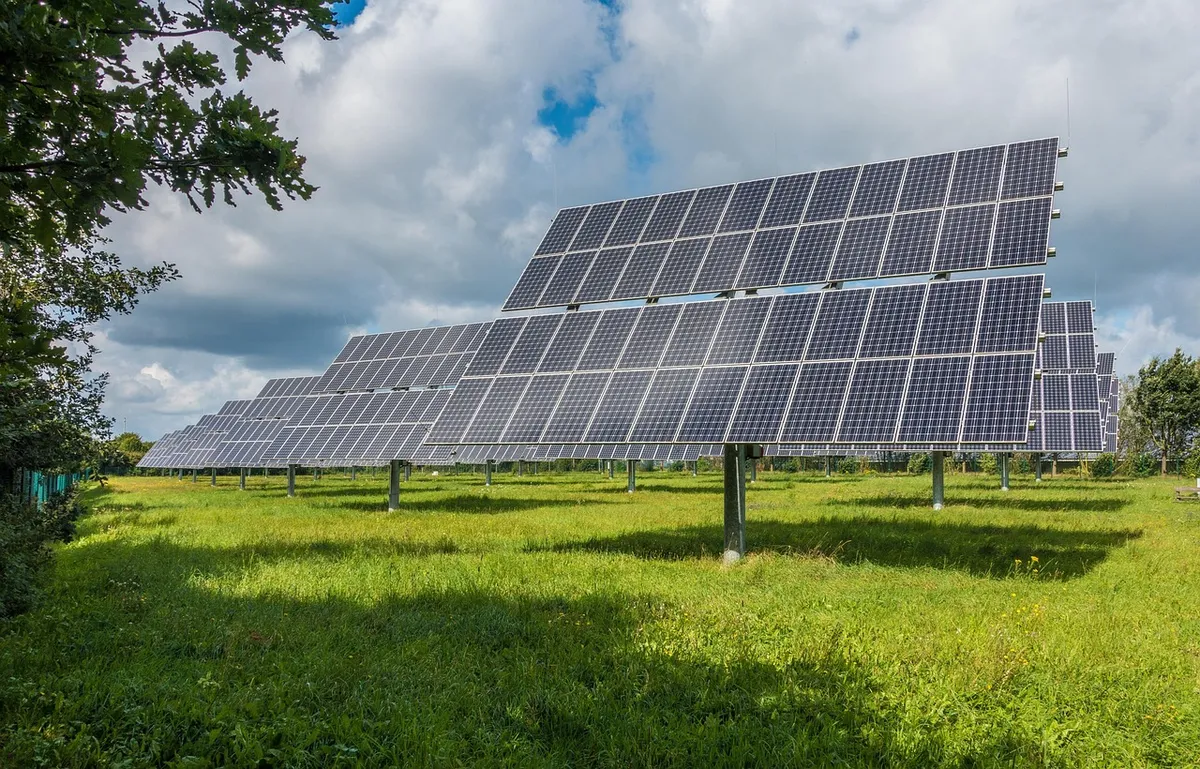
Renewable energy grid specs vary significantly between these two. Wind power typically has an annual capacity factor of 25–50%, with offshore installations often outperforming onshore sites. Conversely, solar output is limited by the diurnal cycle.
While the average availability of a wind turbine is 98%, seasonal changes still play a major role. I noticed during a site visit that even with high availability, the seasonal dip in wind can drastically change the required backup capacity.
This comparison remains limited when evaluating technologies solely on peak output rather than lifecycle reliability.
What are the strategies for ensuring grid stability?
A technician checks a battery storage unit to ensure it can discharge quickly during a sudden drop in wind speed. Building a reliable system involves creating a buffer against the unpredictability of natural forces.
To manage these fluctuations, engineers focus on three primary areas: 1. Integrating energy storage systems to capture excess production. 2. Developing flexible demand-side management to shift loads. 3. Enhancing grid interconnectivity to balance regional differences.
A final check involves verifying that the grid can handle rapid changes. For example, there is an 80% chance that wind output will change less than 10% in an hour, but there is a 40% chance that it will change 10% or more in 5 hours. These shifts require rapid-response assets.
In this sequence, the third step is the most critical for maintaining equilibrium.
How can storage solutions mitigate variability?
A worker inspects a massive dam used for pumped storage, where water is moved between reservoirs to store energy. Large-scale storage acts as a giant battery to balance the grid.
In regions with significant hydro resources, storage is a vital tool. For example, in Norway, where almost all electricity comes from hydro, the total installed capacity is nearly 32 GW. Because 75% of that capacity is regulable, it can be expanded significantly to manage other renewable inputs.
This flexibility is essential for managing the energy transition grid strategy. By using pumped storage or hydro-regulation, a grid can absorb excess wind or solar energy and release it when production drops.
The benefits of storage are limited when the discharge rate cannot match the speed of sudden supply drops.
Wikipedia: Renewable energy in Canada Based on the retained excerpt mentioning Canadian Wind Energy Association: In 2009 the Canadian Wind Energy Association, the wind industry lobby group, outlined a future strategy for wind energy that would reach a capacity of 55 GW by 2025, meeting 20% of the country's energy needs.
The subject here is Renewable Grid Design Standards.
The same subject is also called Grid design for renewables.
This part also covers Case studies renewable grid.
Case studies renewable grid
Related
- How to achieve Global energy transition for net zero best
- Geothermal energy how: Utilizing 100 meters of shallow heat
What are the operational differences between wind and solar integration? 1. Wind power integration demands managing fluctuations related to wind speed and direction, which are inherently dynamic. 2. Solar Photovoltaics integration requires managing output tied to the availability of sunlight, which follows a predictable diurnal cycle. 3. The capacity factor for wind power ranges from 25–50%, whereas solar output varies based on daylight conditions.
This difference in primary variable necessitates distinct operational responses when planning the system's transition toward net-zero. The variability in wind power is influenced by atmospheric conditions across a broad area, while solar variability is constrained by the Earth's rotation.
Technicians must account for these differing patterns when designing the necessary storage capacity to support the overall grid transition. The operational challenges reflect the underlying physical mechanisms governing each energy source.
This analysis does not apply to microgrids that rely exclusively on a single energy source.




Comments 0