How to achieve Global energy transition for net zero best
"The endeavor to use 100% renewable energy for electricity, heating/cooling and transport is motivated by global warming, pollution and other environmental issues, asces as well as economic and energy security concerns."
This strategy involves expanding renewable shares, utilizing carbon capture, and integrating low-carbon baseload power to meet rising demands.
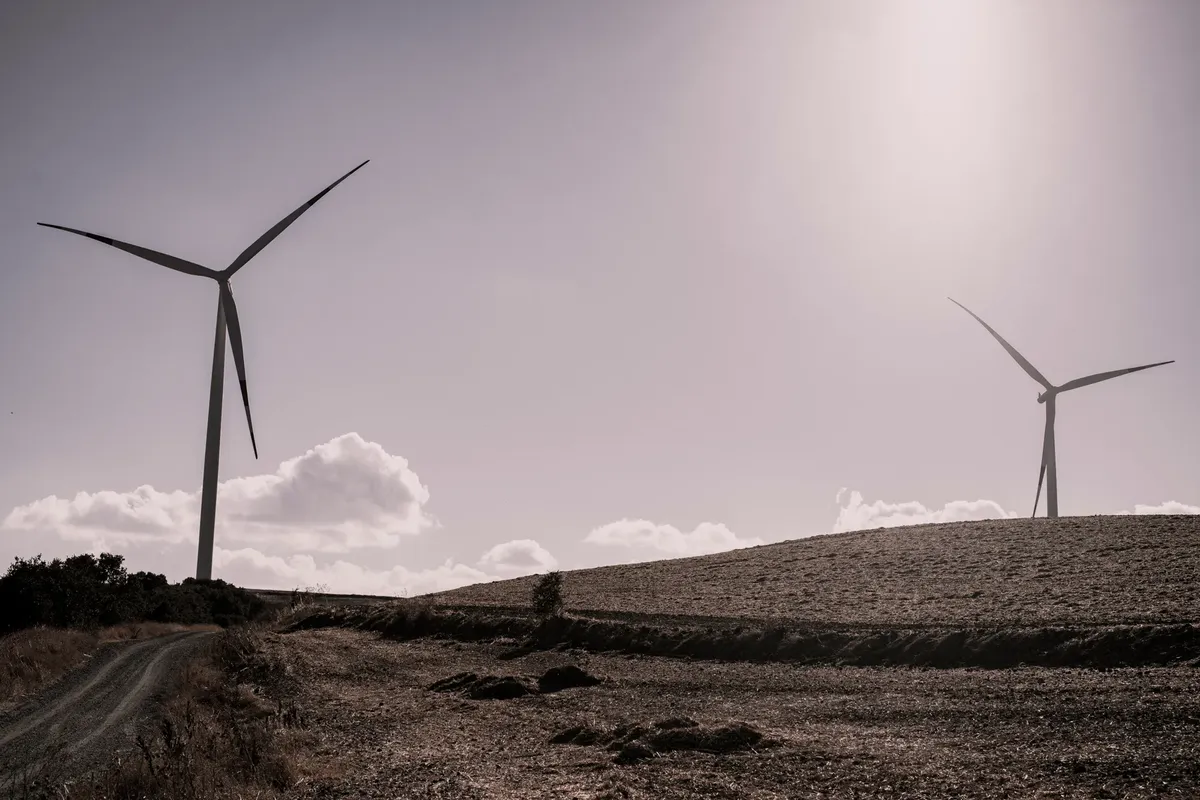
Key takeaways: 1. Renewable energy shares are growing but require rapid expansion to meet climate targets. * Carbon capture and nuclear power serve as vital tools for mitigating emissions. * A 100% renewable energy system implies all energy use is sourced from renewable energy sources.
How can we achieve a global energy transition for net zero?
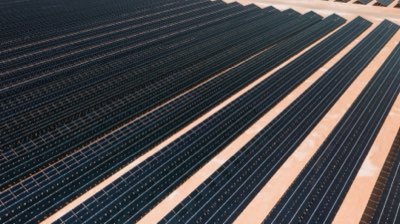
A technician adjusts a solar panel array under a bright morning sun. Achieving a global energy transition for net zero involves balancing intermittent renewables with stable, low-carbon energy supplies.
While this represents a significant foothold, the shift requires scaling these technologies across all sectors.
What role does carbon capture play in emissions reduction?
An engineer monitors a digital readout at a specialized gas processing facility. Integrating carbon capture and storage (CCS) into industrial processes can significantly lower the carbon footprint of heavy industries.
According to The Global Cement and Concrete Association, CCS could reduce carbon emissions by 36%.
The Global Cement and Concrete Association say that CCS could reduce carbon emissions by 36%. This technology targets hard-to-abate sectors where direct electrification is difficult. A power system overhaul plan might include these capture technologies to mitigate remaining industrial output.

According to World Bank, the 2020 record includes 19.7%.
How does nuclear power contribute to the strategy?
A technician inspects a cooling system at a large-scale power plant. Nuclear energy provides a consistent, low-carbon baseline that complements variable renewable sources.
In 2021, the United Nations Economic Commission for Europe (UNECE) described nuclear power as an important tool to mitigate climate change that has prevented 74 Gt of CO2 emissions over the last half century, providing 20% of energy in Europe and 43% of low-carbon energy.
This established role highlights its utility in a low-carbon electricity framework.
What are the challenges of moving to 100% renewable energy?
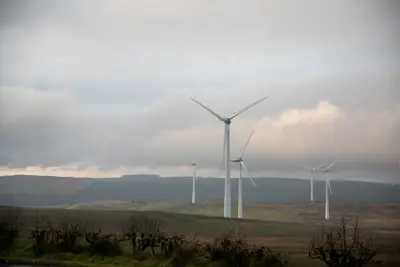
A worker maintains a battery storage unit in a field of wind turbines. Transitioning to a system where all energy use is sourced from renewable energy sources presents unique technical and economic hurdles.
A 100% renewable energy in a country is typically a more challenging goal than carbon neutrality. While carbon neutrality focuses on net emissions, a total renewable shift requires complete infrastructure replacement.
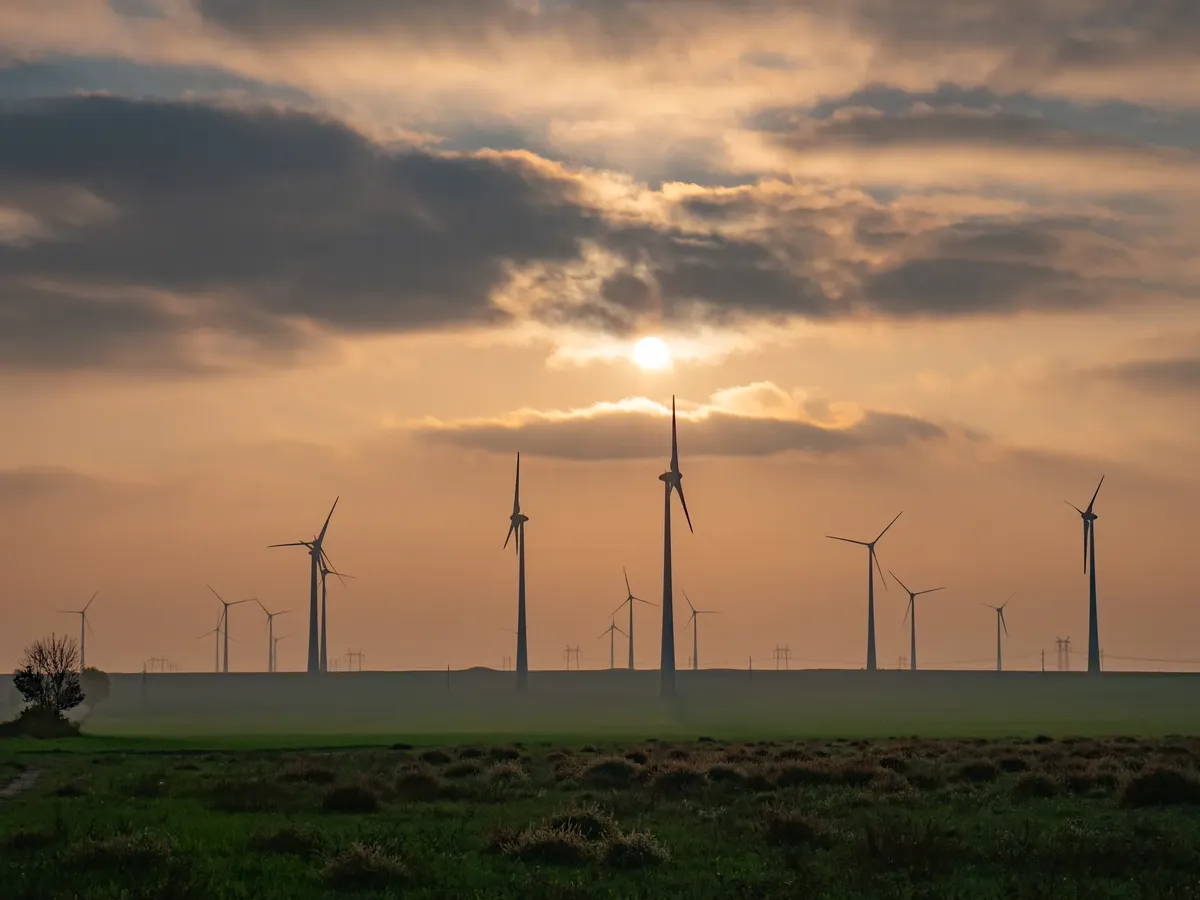
Managing electricity demand effectively becomes a primary concern when weather-dependent sources dominate the grid.
How can we implement a renewable energy expansion?
A technician inspects a new hydrogen pipeline connection. Implementing renewable energy expansion requires a combination of new generation, storage, and fuel synthesis.
- Expand renewable generation capacity to meet growing global demand. 2. Develop energy storage solutions to manage the variability of wind and solar. 3. Integrate carbon-neutral fuels to support sectors like aviation or heavy industry.
A final check ensures that the integration of these technologies maintains grid stability and energy security.
How do we manage specific regional energy needs?
A pilot prepares for takeoff in a region with strict environmental regulations. Different geographic and political landscapes require tailored approaches to energy management.
For example, in May 2023, the president of the European Commission and the Icelandic prime minister agreed on a carbon dioxide quota for airplanes in Icelandic airspace until the end of 2026. Such localized policies demonstrate how specific sectors manage their environmental impact.
Achieving carbon neutrality goals often involves these types of regional agreements.
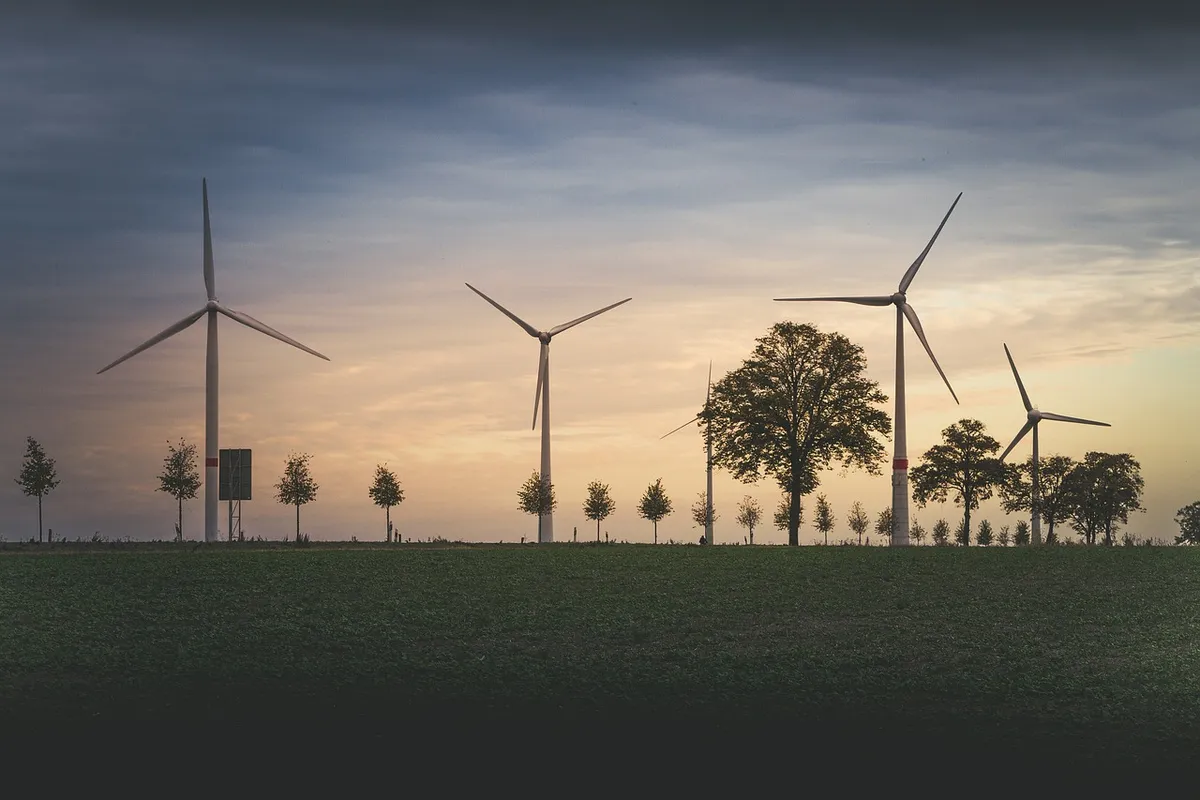
- Global energy transition for net zero requires a multifaceted approach involving diverse power sources and technological innovations.
- According to World Bank data, the world recorded a renewable energy share of final consumption of 19.7% in 2020.
- A renewable energy strategy world must bridge the gap between current consumption and future net-zero requirements.
The same subject is also called Carbon neutral energy shift.
The same subject is also called Energy efficiency global trends.
Achieving carbon neutrality goals
Related
- Geothermal energy how: Utilizing 100 meters of shallow heat
- HVDC grid power flexibility with 1.6% per 1000 km losses
What conditions necessitate the endeavor to use 100% renewable energy? 1. Global warming presents a primary driver for this endeavor. 2. Pollution resulting from energy generation necessitates a shift. 3. Economic stability and energy security concerns motivate the transition.
This endeavor addresses environmental issues alongside broader concerns regarding national energy independence. The pursuit of 100% renewable energy aims to mitigate the negative impacts associated with current energy practices.
The necessity of this endeavor is rooted in the combined pressures of climate change and resource reliance.
How does the expansion of renewable energy impact energy security? Renewable energy systems enhance energy security by reducing dependence on volatile global fuel markets. The endeavor to use 100% renewable energy lessens susceptibility to geopolitical disruptions affecting traditional energy supplies. This shift promotes greater domestic control over power generation sources.
The integration of diverse renewable energy sources strengthens the overall resilience of the power grid. Relying on a mix of solar, wind, and potentially nuclear power provides redundancy against localized generation failures.
This diversification is a key component of the broader energy transition strategy.
Achieving a robust renewable energy framework requires careful planning to ensure consistent power delivery. The comparison between centralized fossil fuel plants and distributed renewable energy generation highlights this need for sophisticated grid management.
This management is crucial for the success of the entire renewable endeavor.


Comments 0