Renewable energy tech hurdles how to manage power supply
"The transition to a sustainable future requires a fundamental shift in how we generate and distribute power across the globe."
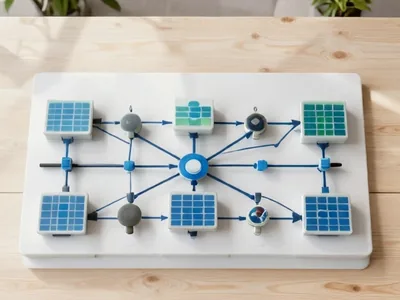
The technical challenges of scaling renewable energy involve managing grid integration and developing advanced storage solutions to handle variable power supplies.
To reach net zero goals, the world must navigate complex infrastructure upgrades and stability needs while increasing the share of clean energy in the total mix.
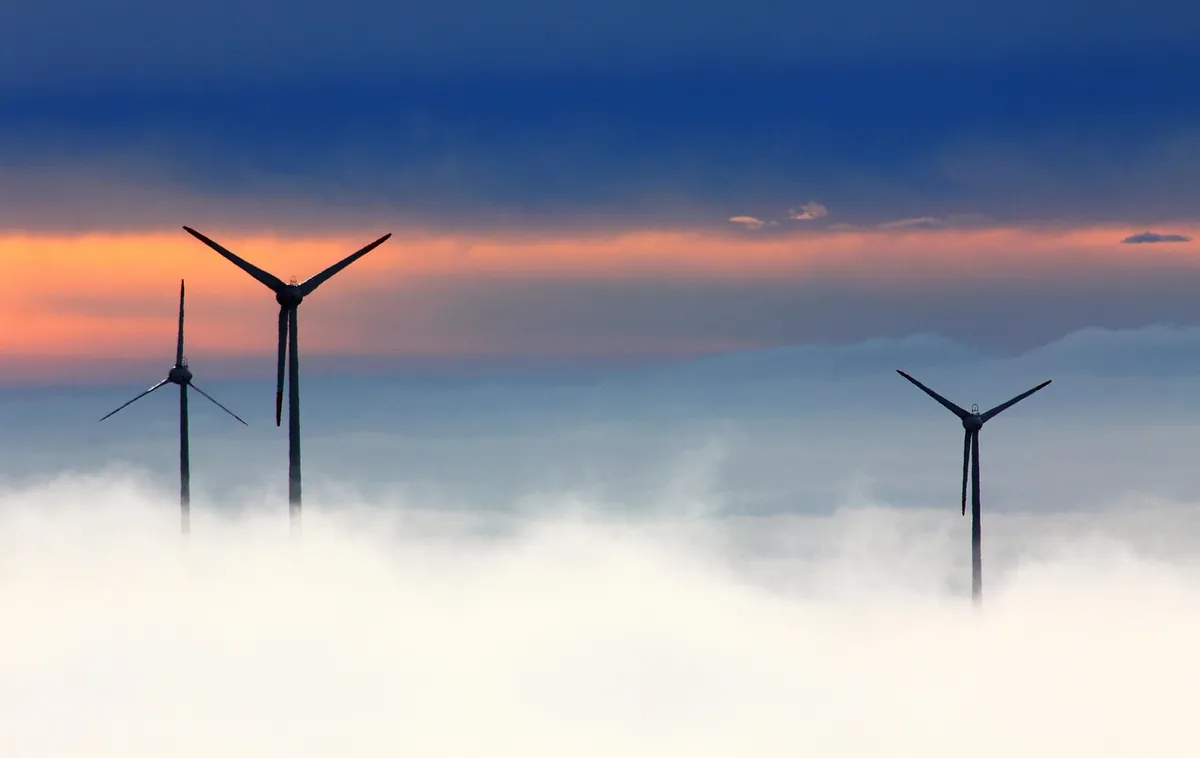
Key takeaways: In the United States, renewable energy reached 22.7% of utility-scale electricity generation in 2024. 1. Strategic policy revisions, such as those in the European Union, set much higher binding targets for the coming decade.
What are the global targets for overcoming tech hurdles? A technician adjusts a solar inverter on a sunny afternoon to ensure the local grid remains stable. Meeting these shifting demands requires a massive overhaul of existing electrical infrastructure to accommodate intermittent sources.
According to the International Energy Agency, achieving net zero emissions by 2050 will require 90% of global electricity to be generated by renewables. This massive shift necessitates addressing grid integration challenges to prevent outages during fluctuations in weather.
Scaling renewables power grid capacity remains a primary focus for engineers worldwide.
How is the European Union managing energy storage progress?
In the chilly morning air, an engineer taps a glowing screen to monitor the flow of renewable power through the grid.
An engineer monitors a digital dashboard showing the fluctuating energy flow from wind farms across the North Sea. Policy frameworks drive the pace of technological adoption and the necessary investment in grid-scale storage.
The European Commission's 2023 revision of the Renewable Energy Directive raised the EU's binding renewable energy target for 2030 to at least 42.5%, up from the previous 32%. This increase forces a focus on energy storage progress to manage the surplus power generated during peak production.
Improving grid efficiency now is essential to meet these heightened legal requirements.
According to The International Energy Agency, the 2050 record includes 90%.
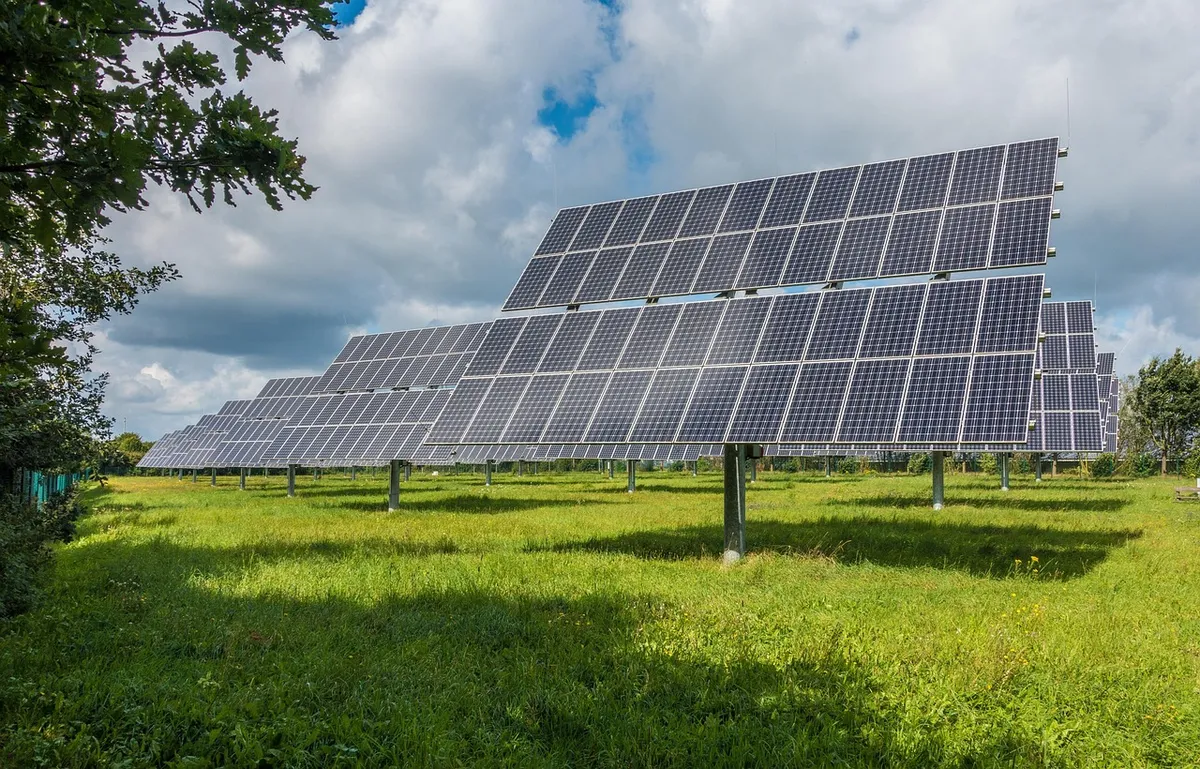
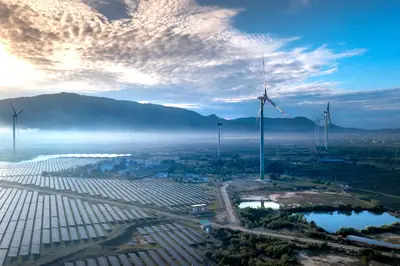
What is the current state of US renewable energy? A utility worker inspects a transformer near a large-scale solar array during a quiet morning. Tracking the progress of renewable energy helps highlight the growing importance of modernized distribution systems.
According to data from the US Energy Information Administration, renewable energy accounted for 17.8% of total primary energy production and 22.7% of total utility-scale electricity generation in the United States in 2024. This is an increase from 8.4% and 21% seen in 2022.
These shifting numbers demonstrate the necessity of smart grid technical issues being addressed through better hardware.
What are the projected needs for power system stability needs?
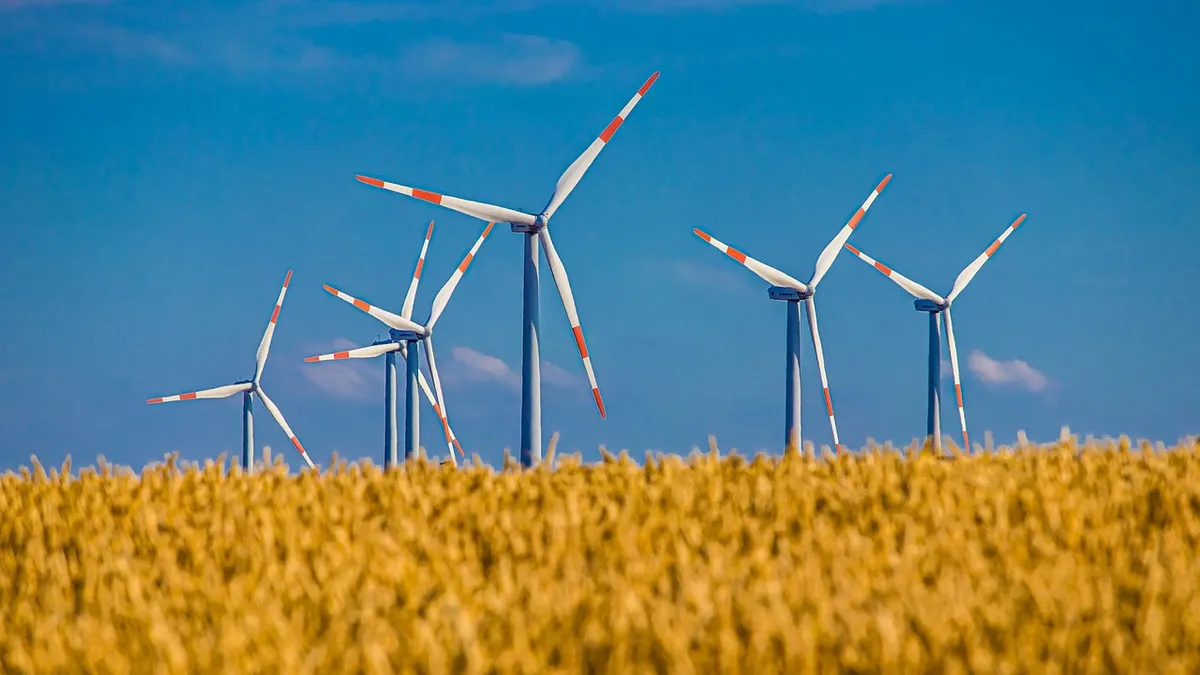
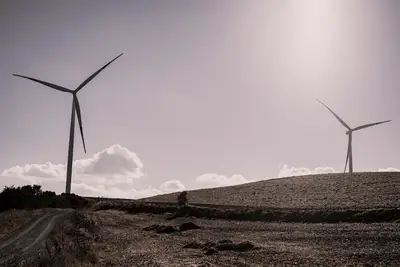
A technician walks through a field of wind turbines as the wind begins to pick up in the late afternoon. Looking toward the future helps planners prepare for the massive influx of clean energy into the existing grid.
The Energy Information Administration projected that renewable energy sources would supply 44% of U.S. electricity. Managing such a large share requires addressing advanced energy storage solutions to balance supply and demand.
Ensuring the transition remains smooth involves constant oversight of these growing energy assets.
How can we implement these changes through specific steps?
A project manager reviews a blueprint for a new battery storage facility at a construction site. Moving from planning to execution requires a structured approach to infrastructure development.
- Evaluate the existing grid capacity to identify where upgrades for renewable energy tech hurdles are most critical. 2. Integrate smart monitoring tools to manage the variability of solar and wind inputs. 3. Deploy large-scale storage systems to capture excess energy for use during low-production periods.
I remember reviewing the 2024 data and seeing how quickly the utility-scale generation percentage climbed. This growth underscores the importance of having a reliable way to store and distribute power.
The transition is limited by the existing physical infrastructure and the speed at which new technologies can be deployed to meet rising targets.
- What are the global targets for overcoming tech hurdles?
- How is the European Union managing energy storage progress?
- What is the current state of US renewable energy?
Renewable energy tech hurdles
The subject here is Renewable energy tech hurdles.
Scaling renewables power grid
Related
- Nuclear vs Solar Carbon Footprint: How to Guide Energy
- Renewable Grid Design Standards: Guide to Power System Shift
What are the conditions for a successful transition? 1. Policy revisions must set binding targets to drive the necessary infrastructure upgrades. 2. Advanced storage solutions must be developed to manage the variable power supplies inherent in renewable energy. 3. Grid integration must be successfully navigated to accommodate the increasing share of clean energy.
The transition to a sustainable future demands addressing these technical hurdles across the globe. Meeting the ambitious goals requires not only technological advancement but also supportive regulatory environments.
The existing physical infrastructure presents a limitation to the speed of this transition. Deploying new technologies must occur at a pace that aligns with rising energy targets.
Comparing energy deployment strategies? The European Union employs policy frameworks to accelerate technological adoption, contrasting with the US approach which shows increasing but less rigidly mandated growth in utility-scale generation. The EU's directive revision specifically raised its binding target for 2030, forcing a focus on energy storage progress.
The US data reflects a steady increase in renewable energy's contribution to utility-scale electricity generation, yet the projected need for that share to reach 44% requires substantial grid modernization.
Both regions face the core challenge of managing intermittent power sources to maintain grid stability. The need for advanced storage solutions is a common requirement for both successful transitions.


Comments 0