How can thermal energy storage be applied to heating?
"The transition to renewable energy requires not just the generation of power, but the ability to hold it for when it is needed most."
Modern energy storage systems (ESS) serve as the critical bridge between intermittent renewable generation and stable grid demand. These technologies enable the capture of solar or wind energy for later use, balancing the load and preventing waste in high-renewable scenarios.
This guide covers diverse applications from large-scale utility systems to residential thermal solutions, highlighting how storage stabilizes our power infrastructure.
How does energy storage work in large-scale utility settings?
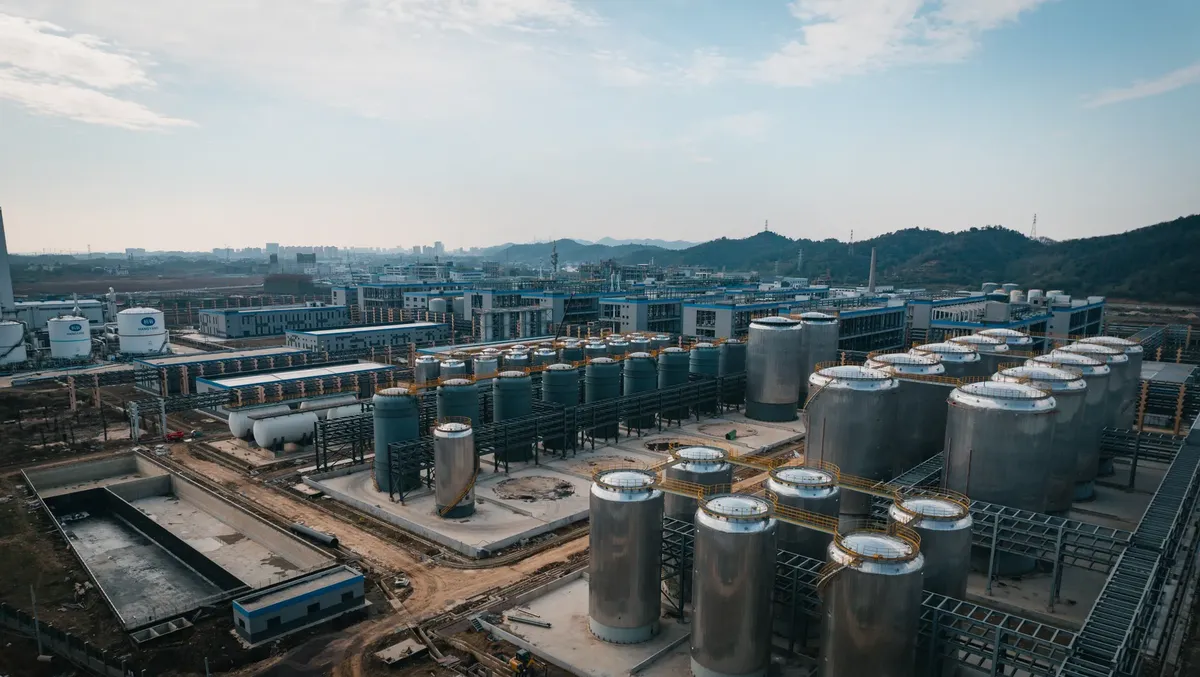
A technician walks through a massive facility where humming transformers and giant battery arrays line the walls. In such environments, energy storage case studies often focus on balancing the grid during peak demand or periods of low renewable production.
Large-scale deployments are essential for maintaining stability when variable renewable energy (VRE) becomes a dominant part of the energy mix. For instance, in grid models with high VRE shares, the cost of storage can become a significant portion of total grid expenses.
In California, a scenario with an 80% VRE share would require 9.6 TWh of storage, while a 100% VRE share would necessitate 36.3 TWh.
These massive installations act as a buffer, absorbing excess energy during the day and releasing it during the night. This capability is vital for smart grid ESS deployment, where the goal is to manage fluctuating supply across vast distances.
- Generation of electricity from renewable sources.
- Conversion of energy into a storable medium.
- Discharge of stored energy into the grid during peak demand.
What are the practical uses for residential and community energy storage?
A homeowner looks at a sleek battery unit mounted on a garage wall, integrated with their rooftop solar panels. Energy storage case studies frequently examine how decentralized systems can empower individual households and small communities.
Residential systems allow families to use solar power generated during the day after the sun goes down. This localized approach reduces reliance on the central grid and can provide backup power during outages.
In 2013, the German government provided €50M to subsidize battery storage for residential rooftop solar panels to encourage this type of adoption.
Beyond individual homes, community-scale systems use thermal or chemical storage to provide heating or electricity to multiple buildings. These solutions represent effective battery storage in industry and residential sectors alike.
| Application Type | Example Use Case |
|---|---|
| Utility Scale | Grid stability and load balancing |
| Residential | Rooftop solar integration and backup |
I have observed how these different scales of technology address specific local needs, from single-family homes to entire districts.
In this sequence, the second step is the longest.
How can thermal energy storage be applied to heating?
An engineer monitors a temperature readout on a control panel near a series of underground pipes. This type of application focuses on capturing heat rather than electricity to meet heating demands.
Thermal energy storage provides a way to store heat from solar collectors for later distribution. An example is the Drake Landing Solar Community in Canada, where a borehole thermal energy store (BTES) enables solar-thermal collectors on garage roofs to provide 97% of the year-round heat.
Another method involves seasonal thermal energy storage (STES) to manage district heating. In Braedstrup, Denmark, a solar district heating system uses STES at a temperature of 65 °C (149 °F), which is then used to raise the temperature to 80 °C (176 °F) for distribution.

These methods prove that energy storage-based heating is a viable alternative to traditional fossil fuel heating.
What is the role of research and development in advancing ESS?
A researcher examines a microscopic sample of a new electrolyte in a high-tech laboratory. Continuous innovation is required to improve the efficiency, capacity, and cost-effectiveness of storage technologies.
Research facilities provide the testing grounds for next-generation technologies.
The State of New York unveiled its New York Battery and Energy Storage Technology (NY-BEST) Test and Commercialization Center at Eastman Business Park in Rochester, New York, at a cost of $23 million for its almost 1,700 m2 laboratory.
New projects also explore molecular-level solutions. From 2023 onwards, a new project by the German Research Foundation focuses on molecular photoswitches to store solar thermal energy. Such advancements aim to solve the challenges of energy density and cycle life that current technologies face.
How does the cost of storage impact the transition to renewables?
A financial analyst reviews a spreadsheet showing the rising costs of infrastructure and hardware. The economic viability of a high-renewable grid is heavily dependent on the cost of storage solutions.
The cost of transitioning to a renewable-heavy grid is a major hurdle. According to studies, supplying 80% of US demand from VRE would require a smart grid covering the whole country or battery storage capable to supply the whole system for 12 hours, both at a cost estimated at $2.5 trillion.
Additionally, relying solely on VRE and energy storage can be more expensive than hybrid systems.
Several studies have found that relying only on VRE and energy storage would cost about 30–50% more than a comparable system that combines VRE with nuclear plants or plants with carbon capture and storage instead of energy storage.
What are the limitations of current energy storage technology?
A technician inspects a battery module for signs of wear after several hundred charge cycles. While promising, no single technology is a universal solution for every energy need.
One limitation is the trade-off between cost and reliability in different energy mixes. For instance, the cost of storage can dominate the overall grid cost when VRE shares are extremely high.
Furthermore, the efficiency of different storage methods varies significantly. For example, Pumped Storage Hydropower (PSH) energy efficiency varies in practice between 70% and 80%, with claims of up to 87%.
What are the main types of energy storage applications?
Storage can be applied at the utility scale for grid stability, the residential scale for home use, or the community scale for district heating. These applications include large-scale battery systems, thermal storage like borehole systems, and specialized research-driven technologies.
Is energy storage necessary for renewable energy?
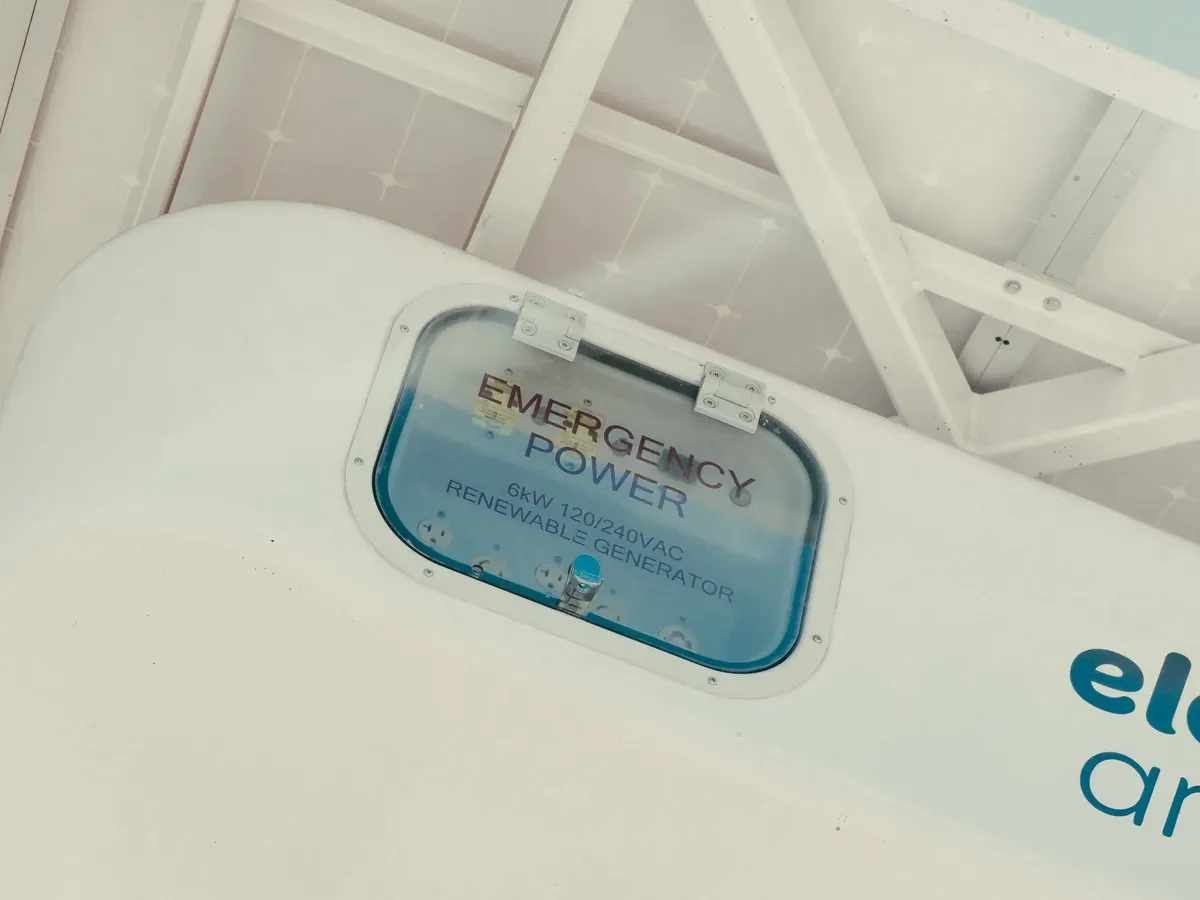
Yes, storage is crucial for managing the variability of renewable sources like wind and solar. It allows for the capture of excess energy during peak production and its release during peak demand, helping to maintain a stable and reliable electricity grid.
The scope of these applications is limited to the specific technological methods and historical data provided in this overview.
Wikipedia: Energy storage Based on the retained excerpt mentioning Test and Commercialization Center: The State of New York unveiled its New York Battery and Energy Storage Technology (NY-BEST) Test and Commercialization Center at Eastman Business Park in Rochester, New York, at a cost of $23 million for its almost 1,700 m2 laboratory.
ESS real world applications
The subject here is ESS real world applications.
The same subject is also called ESS practical uses.
The same subject is also called Grid energy storage examples.
This part also covers ESS for renewable energy integration.
This part also covers Large scale battery power storage.
Related

Comments 0