How do floating turbines handle deep-water environments?
"The transition toward deep-water energy requires navigating both environmental volatility and shifting economic models to ensure a stable power grid."
Modern wind power tech trends involve moving from shallow waters to deep-sea environments and improving forecasting accuracy to manage variable energy. This guide explores how technical advancements in floating turbines and grid integration address these challenges.
Key takeaways include the shift toward subsidy-free offshore wind, the importance of precise forecasting, and the rising global capacity of renewable energy.
How do floating turbines handle deep-water environments?
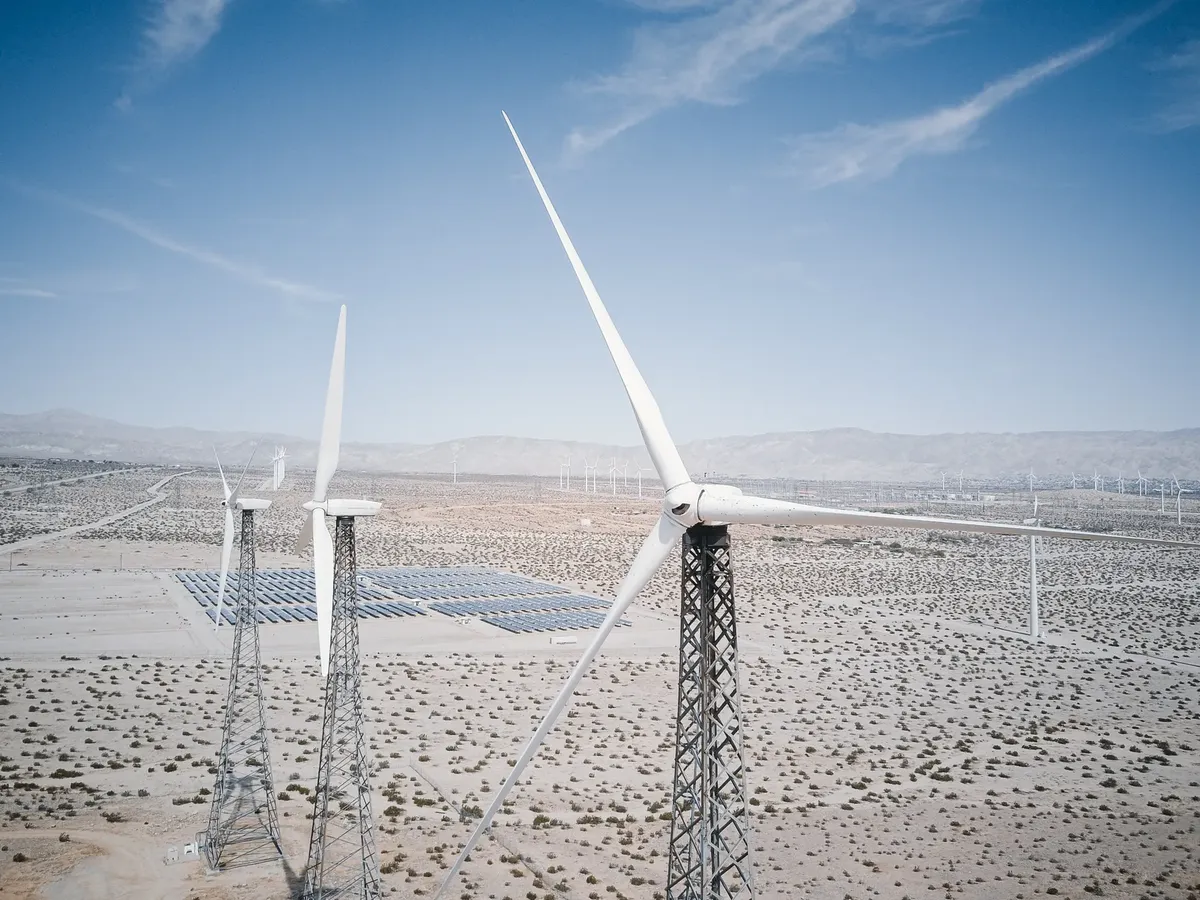
As the vessel battles heavy swells in the open sea, the crew watches the massive platform floating against the dark horizon.
A massive 120 m tall tower sits in the water, waiting to be towed from calm fjords to the open sea.
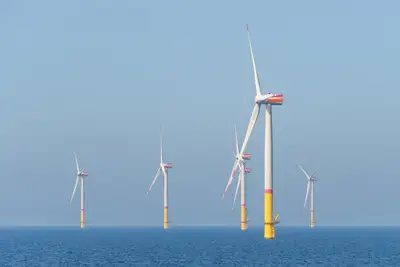
In 2009, a tower was assembled in the calmer waters of Åmøy Fjord near Stavanger, Norway, and then towed 10 km offshore into 220 m deep water, 10 km southwest of Karmøy, for a two-year test deployment. This movement demonstrates the logistical shift required for deep-water installations.
In 2009, shallow-water turbines cost US$2.4-3 million per megawatt to install, according to the World Energy Council, while the practical feasibility and per-unit economics of deep-water, floating-turbine offshore wind was yet to be established.
This historical cost baseline highlights the economic hurdles faced during early deployment.
The vessel moves through heavy swells, testing the structural integrity of the floating platform.
During its deployment, it experienced numerous storm events representative of design environmental conditions prescribed by the American Bureau of Shipping (ABS) Guide for Building and Classing Floating Offshore Wind Turbines, 2013. These conditions test the limits of modern engineering.
Could offshore wind become subsidy-free? Wind power tech trends impact
Engineers look at long-term projections to determine when renewable energy can compete solely on market prices.
UK floating offshore wind could reach “subsidy-free” levels by the early 2030s, according to a study completed by the Offshore Renewable Energy (ORE) Catapult's Floating Offshore Wind Centre of Excellence (FOW CoE). Reaching this milestone would change the landscape of global energy production.
The wind turns the blades steadily as analysts evaluate the speed of the energy transition. To help meet the Paris Agreement goals to limit climate change, analysts say it should expand much faster – by over 1% of electricity generation per year.
This growth rate is essential for meeting international climate targets.
A technician monitors the data feed from a remote turbine site. Modern wind energy trends suggest that as scale increases, costs will continue to drop. This trajectory supports the movement toward larger, more efficient offshore arrays.
According to World Energy Council, the 2009 record includes 3 million.
How is forecasting improving grid integration?
At midnight in the quiet control room, the meteorologist leans forward as data points appear like dust motes floating in the light.
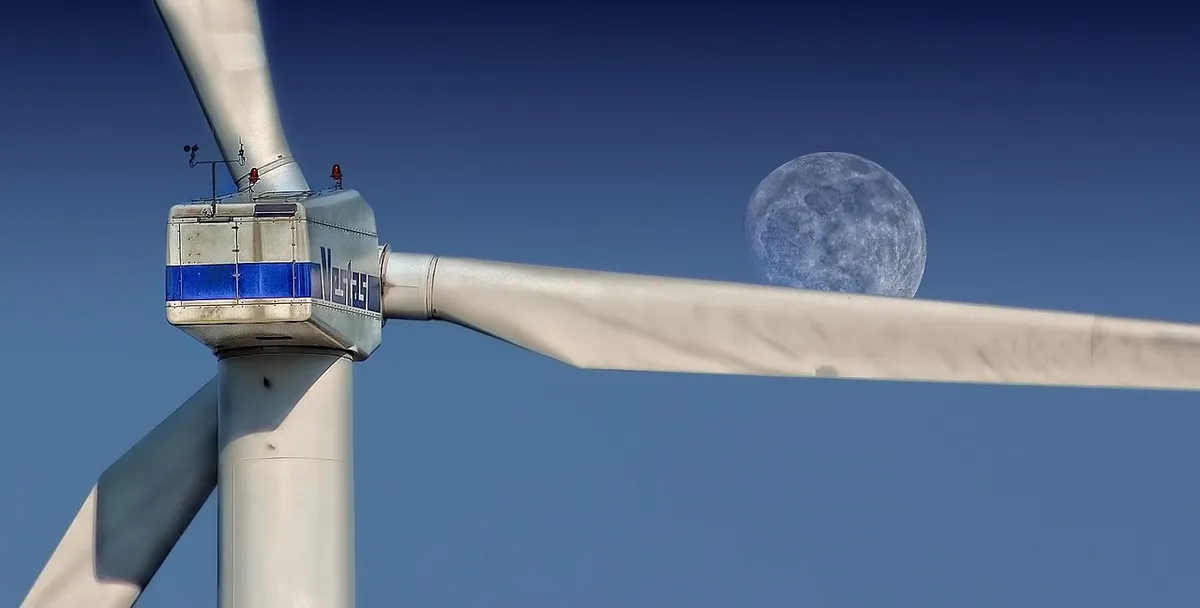
A meteorologist tracks a moving weather front on a digital map to predict wind speeds. Although wind power forecasts have been used operationally for decades, as of 2019 the IEA is organizing international collaboration to further improve their accuracy.
Better data helps prevent sudden fluctuations in the power grid.
The sun sets, but the wind continues to provide a steady flow of electricity. Wind power grid integration relies heavily on these predictive models to balance supply and demand. Accurate forecasts reduce the need for expensive backup power sources.
The team analyzes the data to refine their predictive algorithms. Boosting wind efficiency now requires not just better hardware, but much better software to manage variable inputs. This intersection of meteorology and engineering is vital for reliability.
What role does storage play in wind power grid integration?
A battery array hums quietly in a specialized facility, storing excess energy from a nearby wind farm. Energy storage for wind allows the grid to remain stable even when the wind stops blowing. This technology bridges the gap between intermittent production and constant consumer demand.
The facility operates 24 hours a day to manage the flow of electricity. Future wind power efficiency will depend on how well we can capture and hold energy during peak production. Integrating storage directly into offshore platforms is one potential path forward.
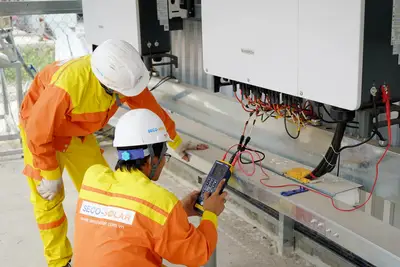
A technician checks the connection between the storage unit and the main line. As renewable energy grid role grows, the capacity to manage surplus power will become a primary focus for engineers. This capability ensures that green energy is not wasted during high-wind periods.
How can we increase existing wind capacity?
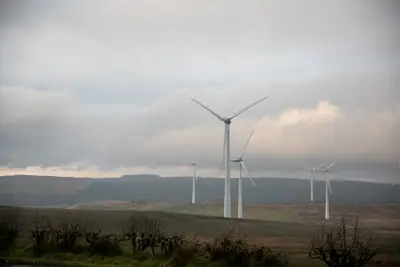
A worker inspects an older turbine, considering the potential for a technological upgrade. In 2007, California had repowered 365 MW of wind plants, which is only 20% of the potential 1,640 MW wind capacity that could be upgraded. This demonstrates the massive potential for improving existing sites.
The old blades are swapped for newer, more aerodynamic models. A recently revised repowering policy for India incentivises upgrading turbines up to 2 MW rated output, corresponding to 25.4 GW or approximately 60% of total wind capacity.
This shows how policy can drive the modernization of aging fleets.
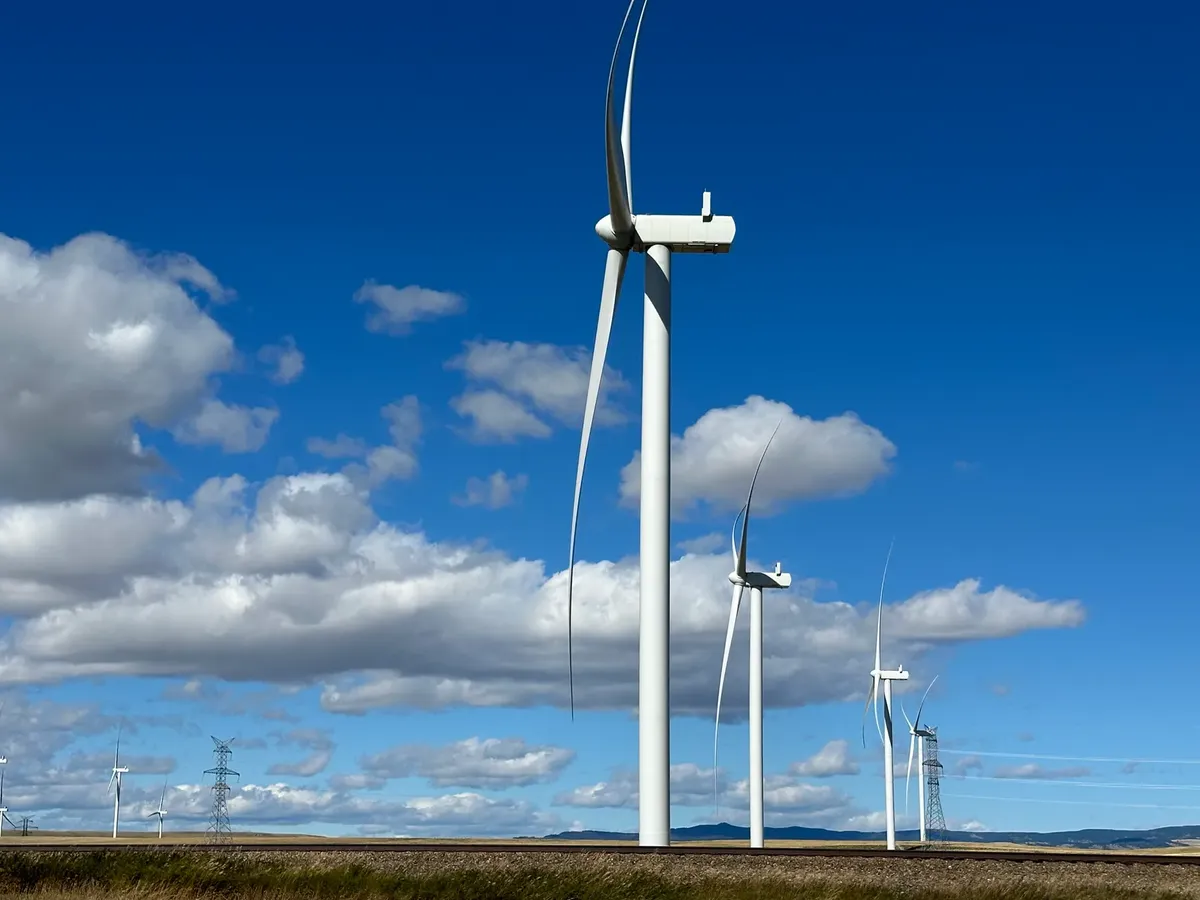
A project manager reviews the site map for a new installation. Although few repowering projects have been completed to date, considerable potential exists, with a recent study showing how full repowering of the existing fleet of wind turbines could boost capacity factors by 82% nationwide.
| Metric | Value |
|---|---|
| 2009 Shallow-water cost (per MW) | US$2.4-3 million |
| 2025 Wind electricity share | Over 8% of world electricity |
I observed how the scale of these projects changes the local landscape during a site visit.
A limitation of these advancements is that the practical feasibility of deep-water, floating-turbine offshore wind was still being established during the early stages of deployment.
- How do floating turbines handle deep-water environments?
- Could offshore wind become subsidy-free?
- How is forecasting improving grid integration?
The subject here is Wind power tech trends impact.
This part also covers Smart grid wind integration.
Smart grid wind integration
Related



Comments 0